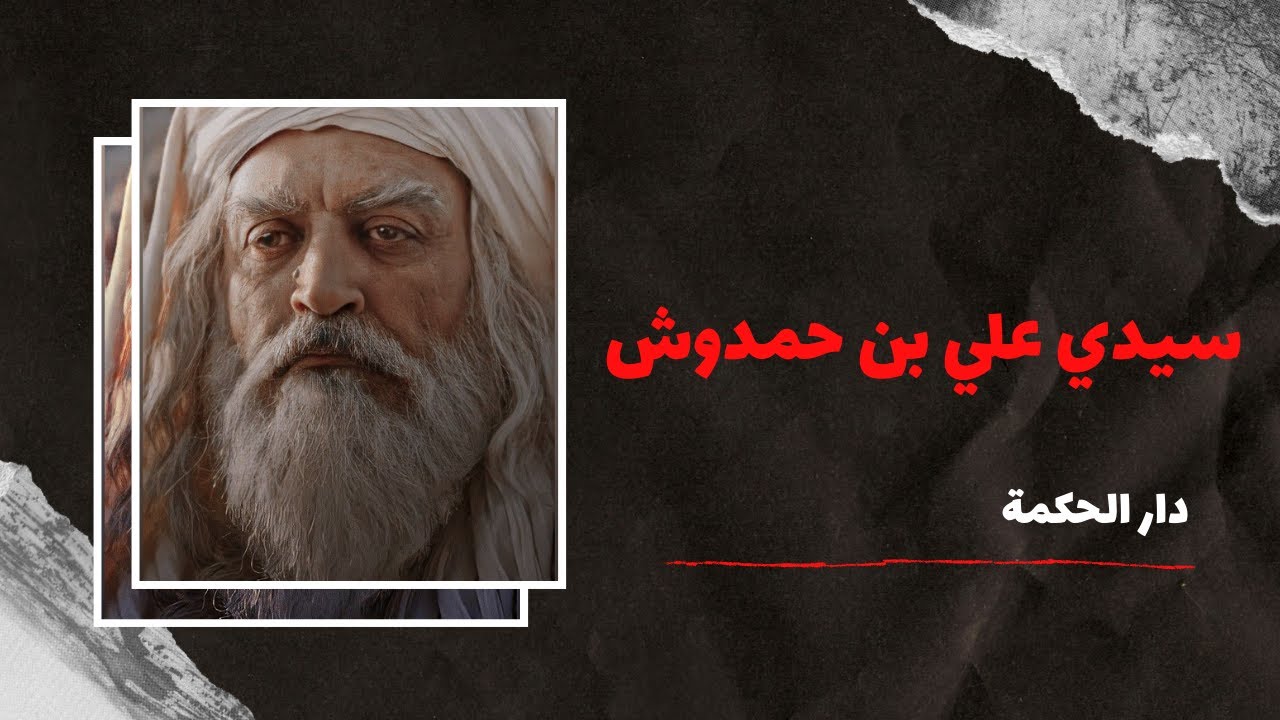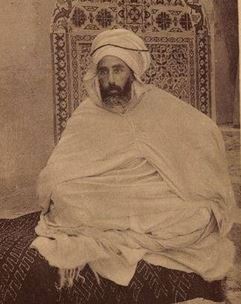
Muhammad ibn Ali al-Qal'i
Distinguished 12th-century jurist and Chief Qadi of the UNESCO World Heritage mountain citadel Qal'a of Beni Hammad.
Start typing to search worldwide archives and community tributes
Filterable archive covering centuries of intellectual, artistic, and moral contributions to the human story.
Distinguished 12th-century jurist and Chief Qadi of the UNESCO World Heritage mountain citadel Qal'a of Beni Hammad.
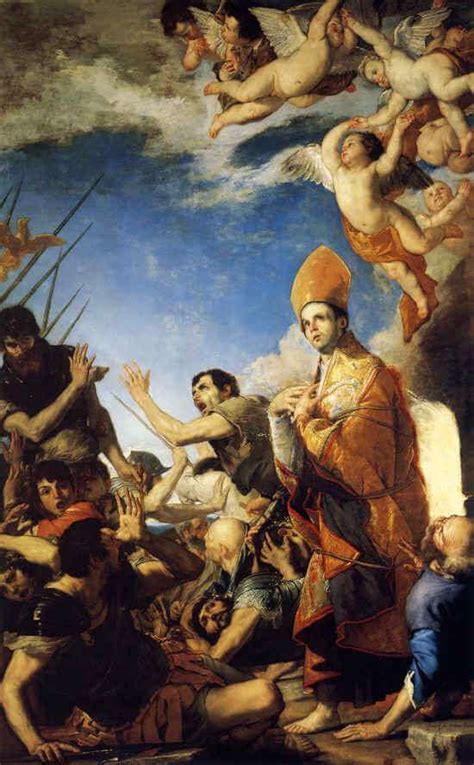
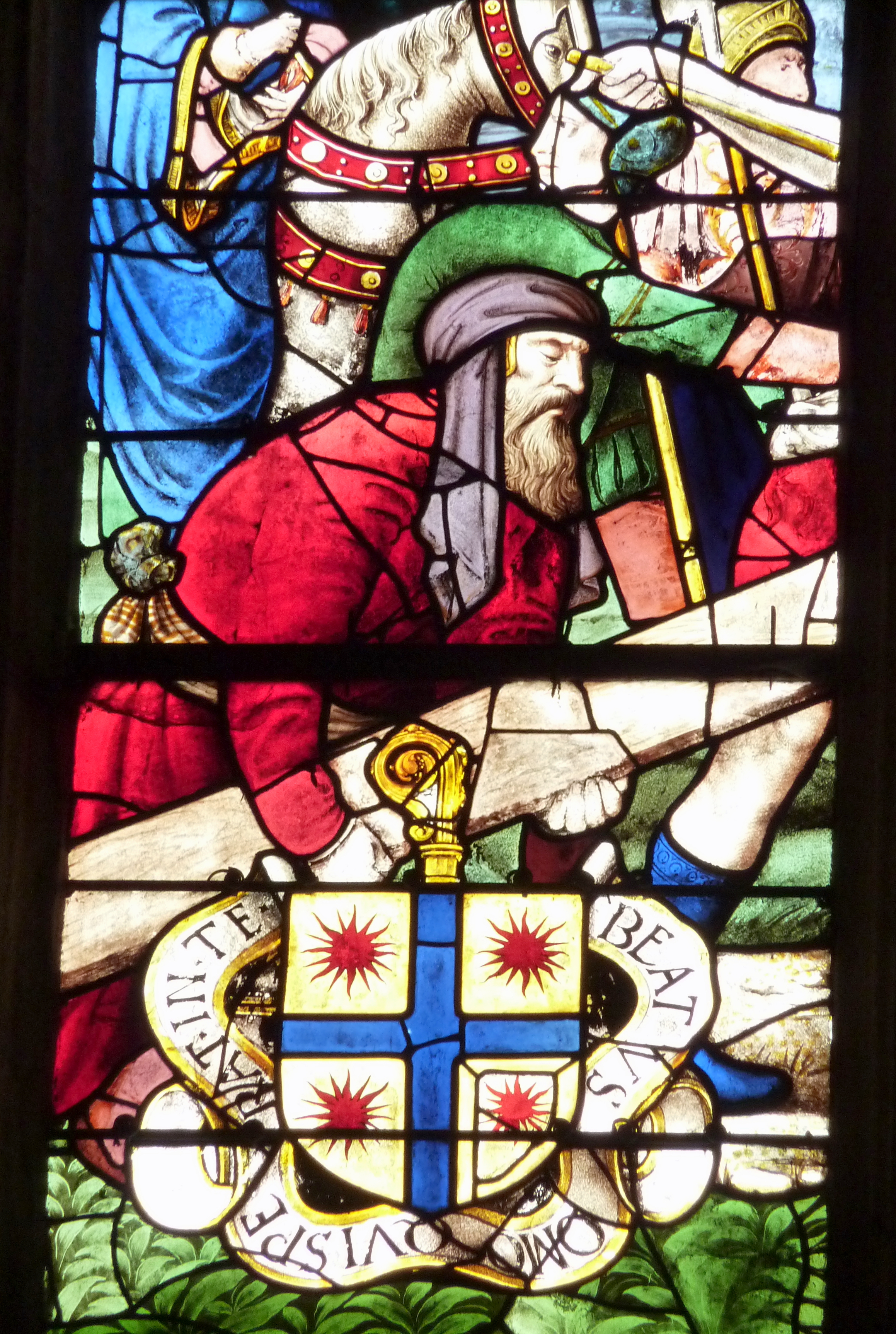
North African Jewish pilgrim from Cyrene recorded in the three Synoptic Gospels (Matthew, Mark, Luke) who was compelled by Roman soldiers to carry the cross of Jesus Christ to Golgotha.
Eminent 3rd-century Numidian bishop of the Roman legionary city of Lambaesis who stood alongside Saint Cyprian at the historic Council of Carthage.
Prominent early Christian prophet and teacher mentioned in the biblical Acts of the Apostles (13:1), who co-founded the multi-ethnic Church of Antioch and consecrated Paul and Barnabas for their missions.
Senior North African bishop who cast the opening vote at the landmark Council of Carthage in 256 CE alongside Saint Cyprian, articulating African conciliar independence.
18th-century Moroccan Sufi mystic and ascetic who founded the Hamadsha spiritual fraternity, famous for its therapeutic rituals and sacred trance music.
15th-century Sufi master, spiritual guide, and poet whose zawiya in Miliana served as a major center of mystical learning and popular aphorisms throughout the Maghreb.
Revered Algerian Islamic scholar and reformer who founded the Rahmaniyya Sufi Tariqaโthe largest religious brotherhood in Algeriaโwhich later formed the spiritual backbone of anti-colonial resistance.
15th-century Islamic jurist and ascetic whose erudition, charity, and civic leadership earned him perpetual reverence as the patron saint and historical namesake of Oran's oldest quarter.
Supreme Sufi master and spiritual father of Maghrebi Sufism whose teachings influenced Ibn Arabi, and whose magnificent shrine at El Eubbad in Tlemcen remains a sacred spiritual sanctuary.
Early 4th-century Christian virgin martyr from Dellys whose steadfast courage in the amphitheater of Caesarea under Emperor Diocletian inspired the early North African Church.
Fourteenth-year-old Christian Berber maiden whose martyrdom for casting down a bronze dragon idol in Tipasa inspired one of the largest early Christian pilgrimage basilicas in the Mediterranean.
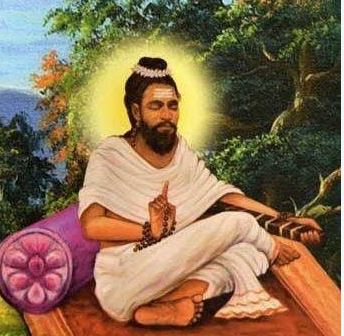
Eminent 12th-century Veerashaiva mystic and poet who served as the revered President of the Anubhava Mantapa, mentoring Basavanna and Akka Mahadevi.
12th-century Kannada philosopher, statesman, and founder of the Lingayat movement who created the Anubhava Mantapa, the first democratic spiritual parliament.
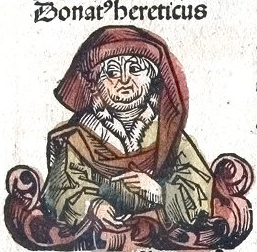
Charismatic Numidian bishop who founded Donatism, leading the majority indigenous Berber Christian Church of Roman North Africa for forty years in fierce opposition to imperial Roman compromise.
Tenth-century Kashmiri polymath, mystic, and aesthetician who synthesized Non-Dual Kashmir Shaivism (Trika / Pratyabhijna). Authored the encyclopedic Tantraloka and revolutionized Sanskrit literary aesthetics with the theory of Rasa (spiritual aesthetic taste).
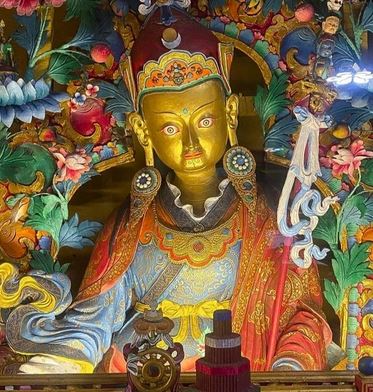
Venerated across the Himalayan world as the "Second Buddha." Tantric master from Oddiyana invited by King Trisong Detsen in the eighth century to subdue local demons, construct Samye Monastery, and establish Vajrayana Buddhism in Tibet.
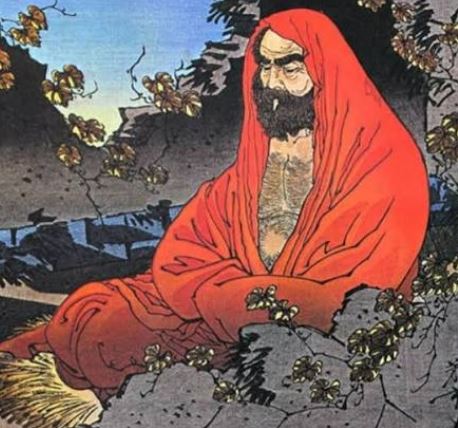
Semi-legendary Indian monk who journeyed across the Himalayas to China, founding the Chan (Zen) tradition. Famous for meditating nine years facing a cave wall at Shaolin Monastery, transmitting direct mind-to-mind awakening beyond words.