Public Figures & Cultural Luminaries
Filterable archive covering centuries of intellectual, artistic, and moral contributions to the human story.
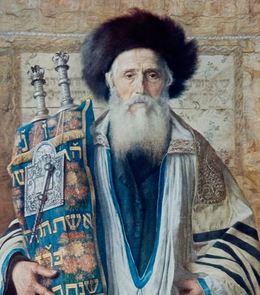
Ashi (רב אשי)
Master architect of the Babylonian Talmud who re-established the Sura Yeshiva and spent sixty years compiling, organizing, and editing the Gemara.
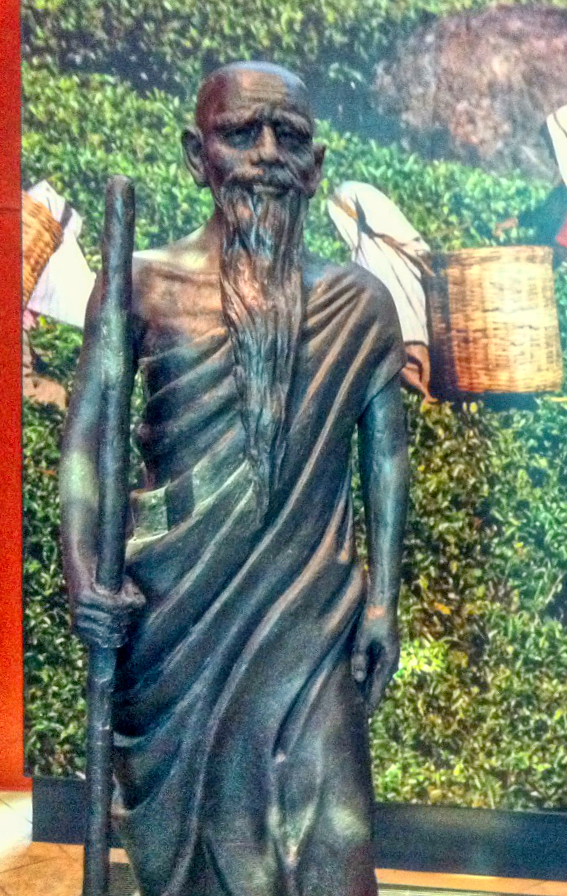
Faxian
 (法顯)
(法顯)
Chinese Buddhist monk who at age sixty walked across the Gobi Desert and Himalayas to India to retrieve the monastic Vinaya, authoring 'A Record of Buddhist Kingdoms'.
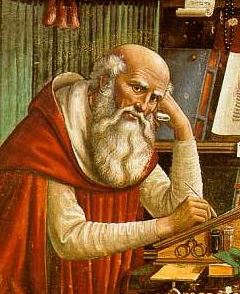
Eusebius Sophronius Hieronymus (Saint Jerome)
 (Eusebius Sophronius Hieronymus)
Master linguist and Doctor of the Church who spent decades in a Bethlehem cave translating the Hebrew Tanakh and Greek New Testament into Latin, producing the Vulgate—the canonical scripture of Western civilization for a millennium.
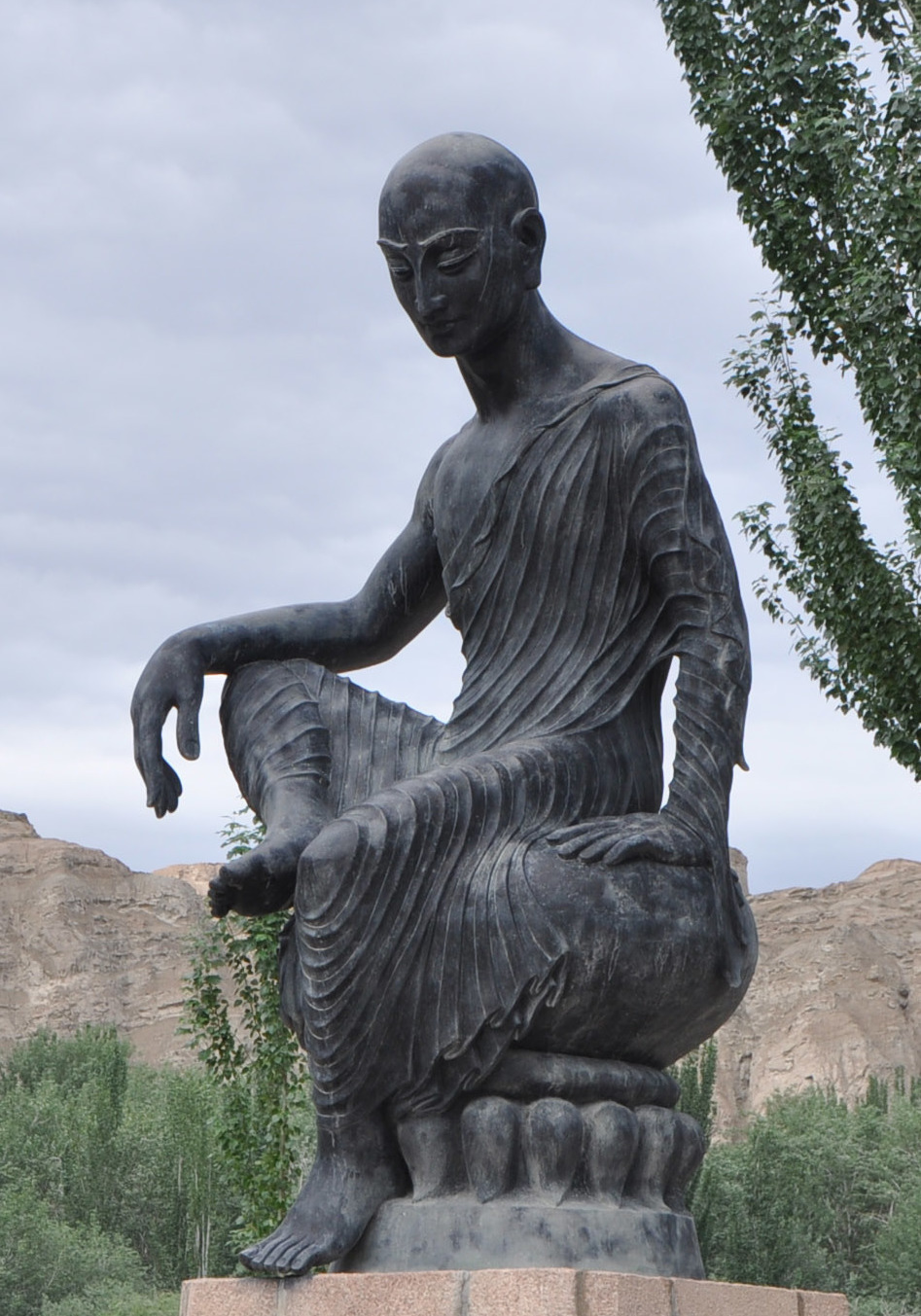
Kumarajiva
(鳩摩羅什)
Kuchean Buddhist monk and scholar whose legendary translations into classical Chinese—including the Diamond, Lotus, and Vimalakirti Sutras—defined East Asian Buddhist literature.
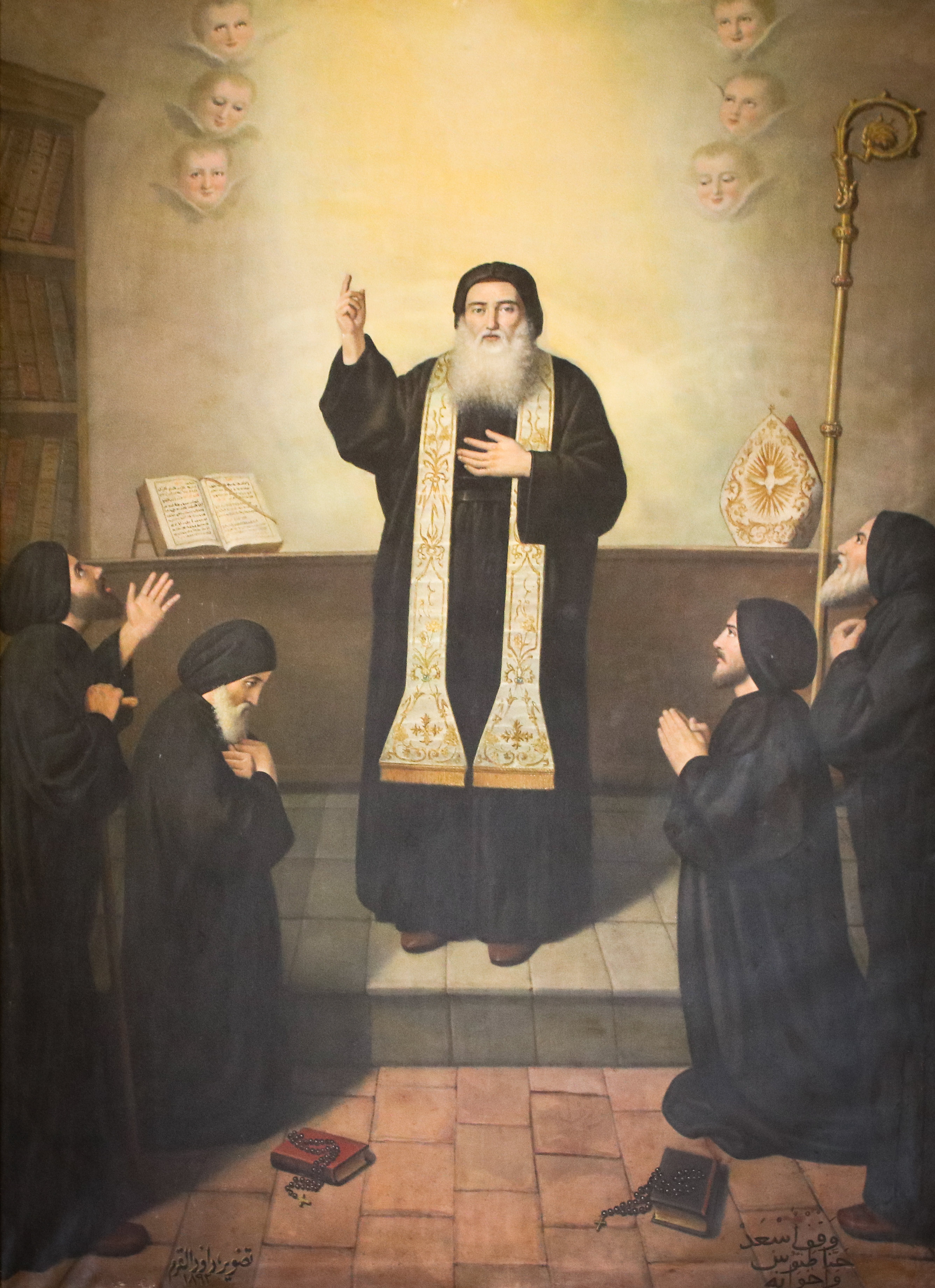
Maron
 (ܡܪܘܢ)
4th-century Syriac Christian monk and hermit whose open-air asceticism and spiritual healing founded the Maronite monastic tradition and Maronite Church.
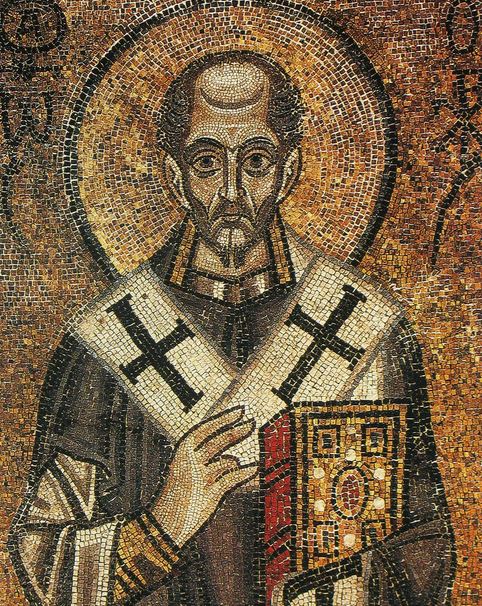
John Chrysostom (Archbishop of Constantinople)
(Ἰωάννης ὁ Χρυσόστομος)
Celebrated as the "Golden-Mouthed" for his peerless preaching against imperial corruption and social exploitation. Author of the Divine Liturgy celebrated by millions of Eastern Orthodox Christians worldwide.
Gregory of Nyssa
 (Γρηγόριος Νύσσης)
Cappadocian Father and mystical philosopher who integrated Christian metaphysics with the doctrine of epektasis, the endless spiritual journey into divine love.
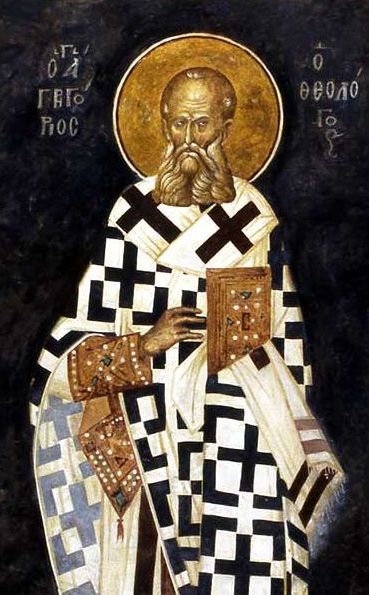
Gregory of Nazianzus
(Γρηγόριος ὁ Ναζιανζηνός)
Cappadocian Father, Archbishop of Constantinople, and supreme poet-theologian whose Five Theological Orations shaped Nicene Trinitarian orthodoxy in 381.
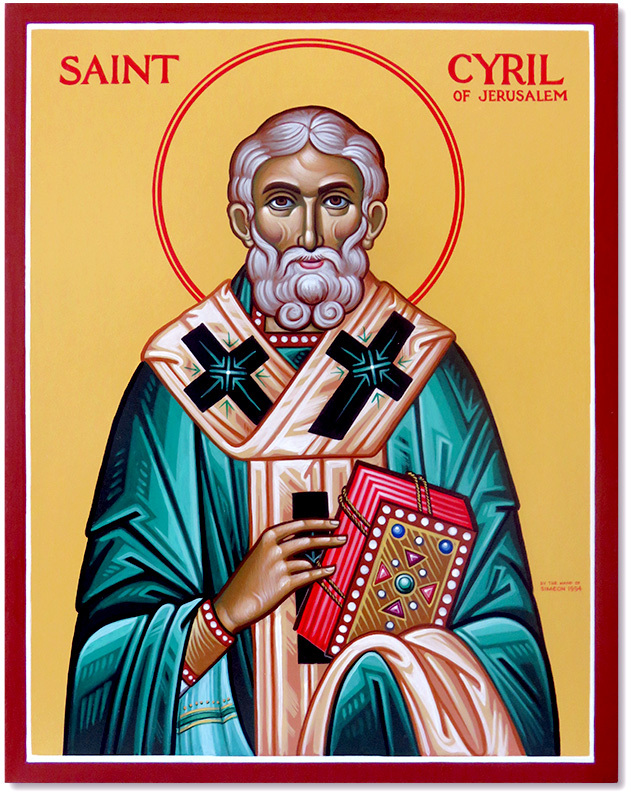
Cyril of Jerusalem
 (Κύριλλος Ἱεροσολύμων)
Bishop of Jerusalem and Doctor of the Church whose Catechetical Lectures preserve the most complete fourth-century account of Christian baptism and liturgy.
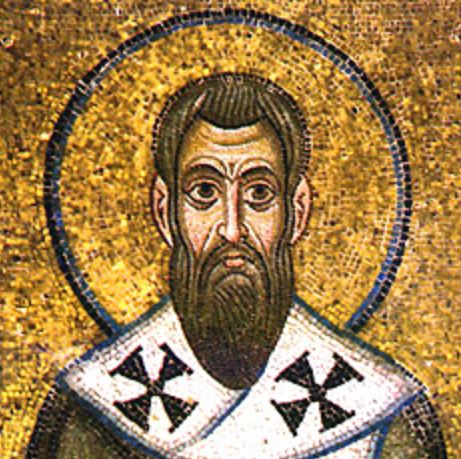
Basil of Caesarea (Basil the Great)
(Βασίλειος Καισαρείας)
Leading Cappadocian Father who consolidated the doctrine of the Holy Trinity (one ousia, three hypostases), authored enduring communal monastic rules, and erected the Basileiad—humanity's first comprehensive welfare hospital.
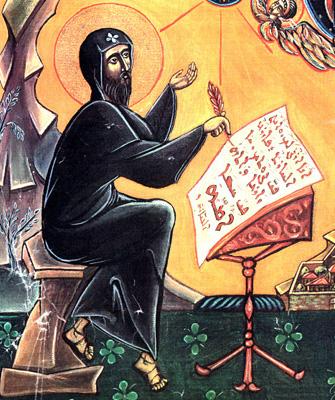
Ephrem the Syrian
(ܐܦܪܝܡ ܣܘܪܝܝܐ)
Syriac poet, deacon, and Doctor of the Church who composed sublime theological hymns (madrashe) defending orthodox Christology and veneration of Mary.
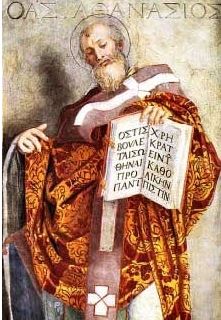
Athanasius I of Alexandria (Athanasius the Great)
 (Ἀθανάσιος Ἀλεξανδρείας)
Twentieth Patriarch of Alexandria celebrated as the "Champion of Orthodoxy" (Athanasius contra mundum). Steadfastly defended the divinity of Christ and the Nicene Creed against Arianism through five imperial exiles.
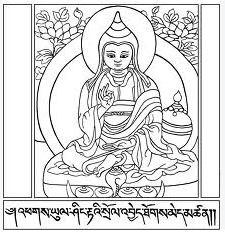
Asanga (असंग)
Great Gandharan Buddhist master who with his brother Vasubandhu founded the Yogacara (Vijnanavada / Mind-Only) school of Mahayana Buddhism, authoring the 'Yogacarabhumi-Sastra'.
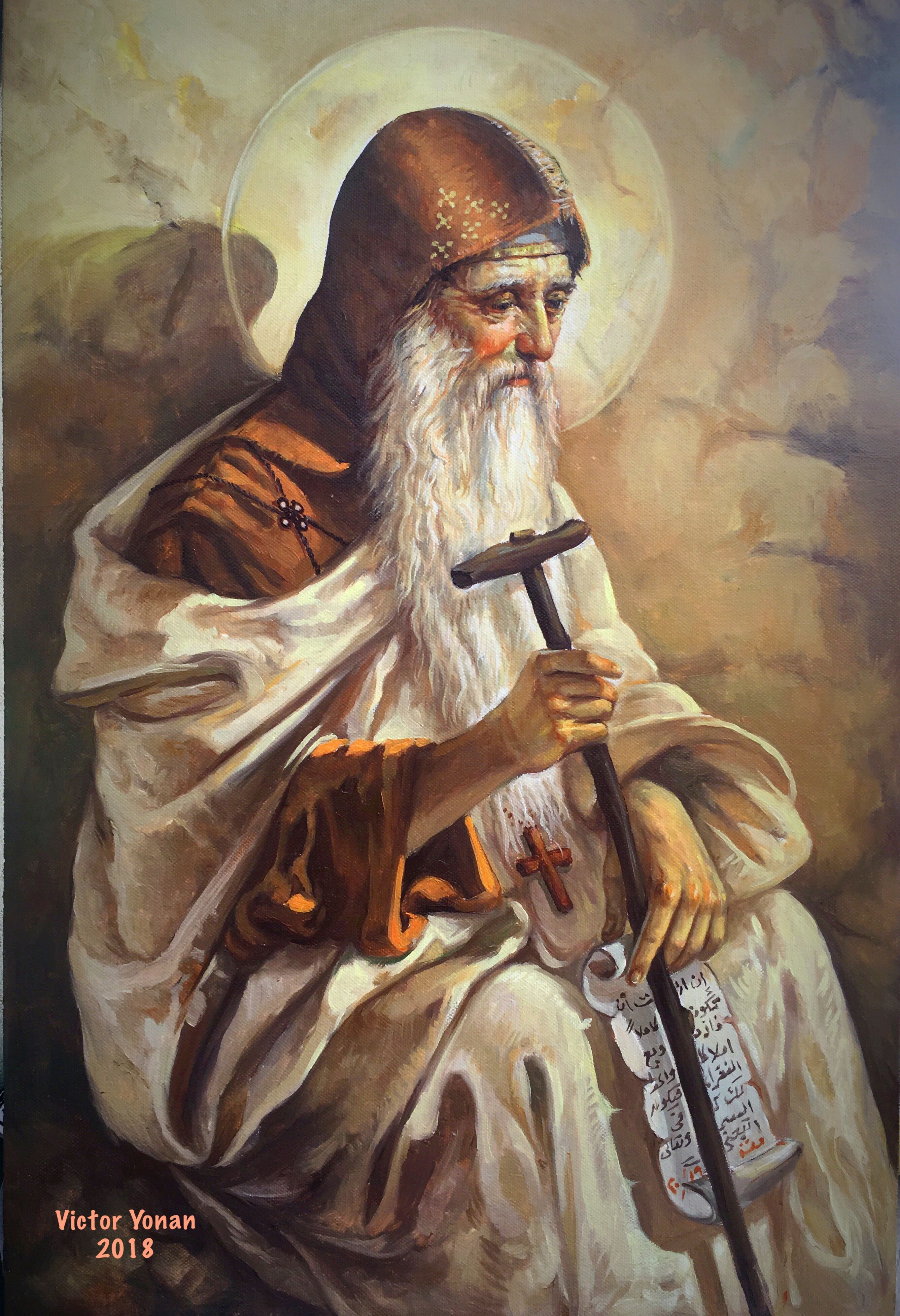
Anthony the Great
(Ἀντώνιος ὁ Μέγας)
Father of Christian monasticism whose radical asceticism in the Egyptian desert inspired generations of contemplatives and was chronicled by Athanasius.
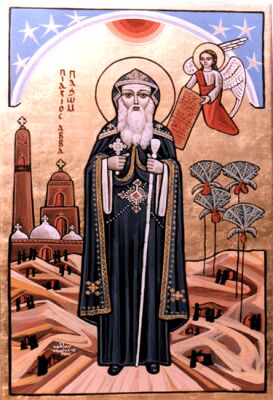
Pachomius the Great
(Παχώμιος)
Egyptian desert father who founded Christian cenobitic (communal) monasticism, composing the first written monastic rule that influenced Benedict and Basil.
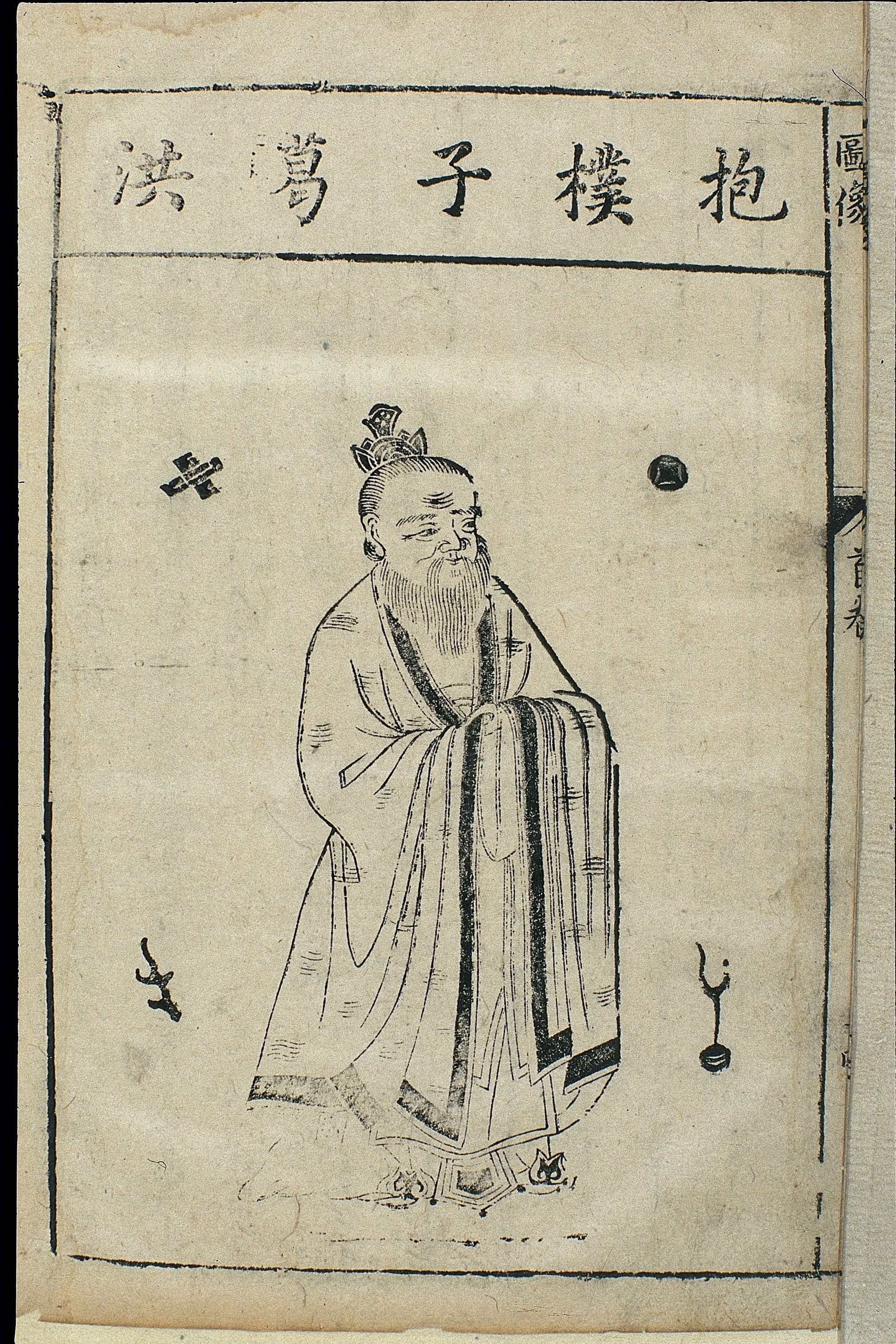
Ge Hong
(葛洪)
Jin Dynasty Daoist philosopher, alchemist, and physician whose masterwork 'Baopuzi' harmonized Confucian social ethics with Daoist inner alchemy and medical science.
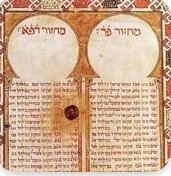
Rabba bar Nahmani (רבה בר נחמני)
Head of the Pumbedita Academy renowned as an 'Uprooter of Mountains' (Oker Harim) for his sharp dialectical genius and devotion to studying ritual purity laws.
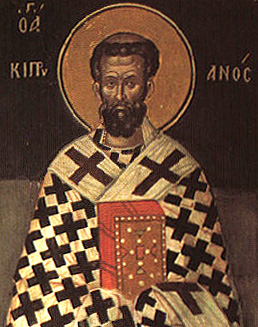
Thascius Caecilius Cyprianus
 (Cyprianus)
Renowned Bishop of Carthage and Latin Father who championed the unity of the Catholic episcopate and gave fearless pastoral care during plagues and persecution.