Public Figures & Cultural Luminaries
Filterable archive covering centuries of intellectual, artistic, and moral contributions to the human story.
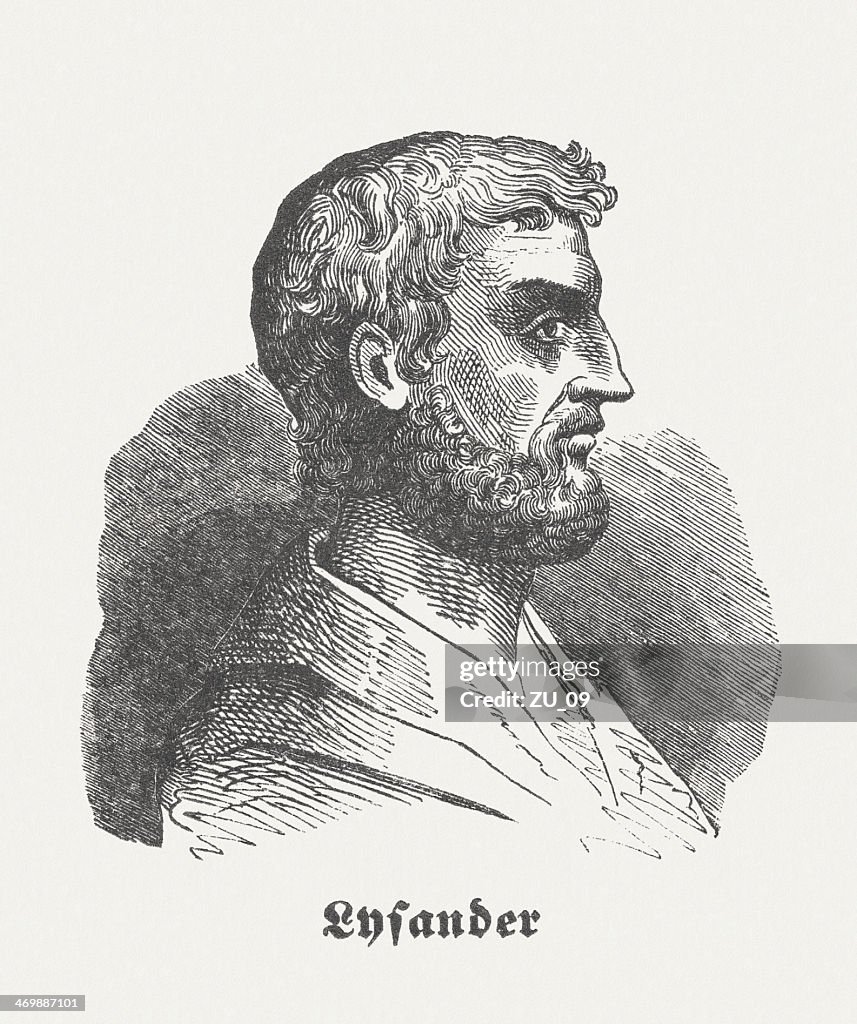
Lysander of Sparta
 (Λύσανδρος)
Spartan admiral (nauarchos) and master strategist who won the Battle of Aegospotami, forced the surrender of Athens, and ended the Peloponnesian War.
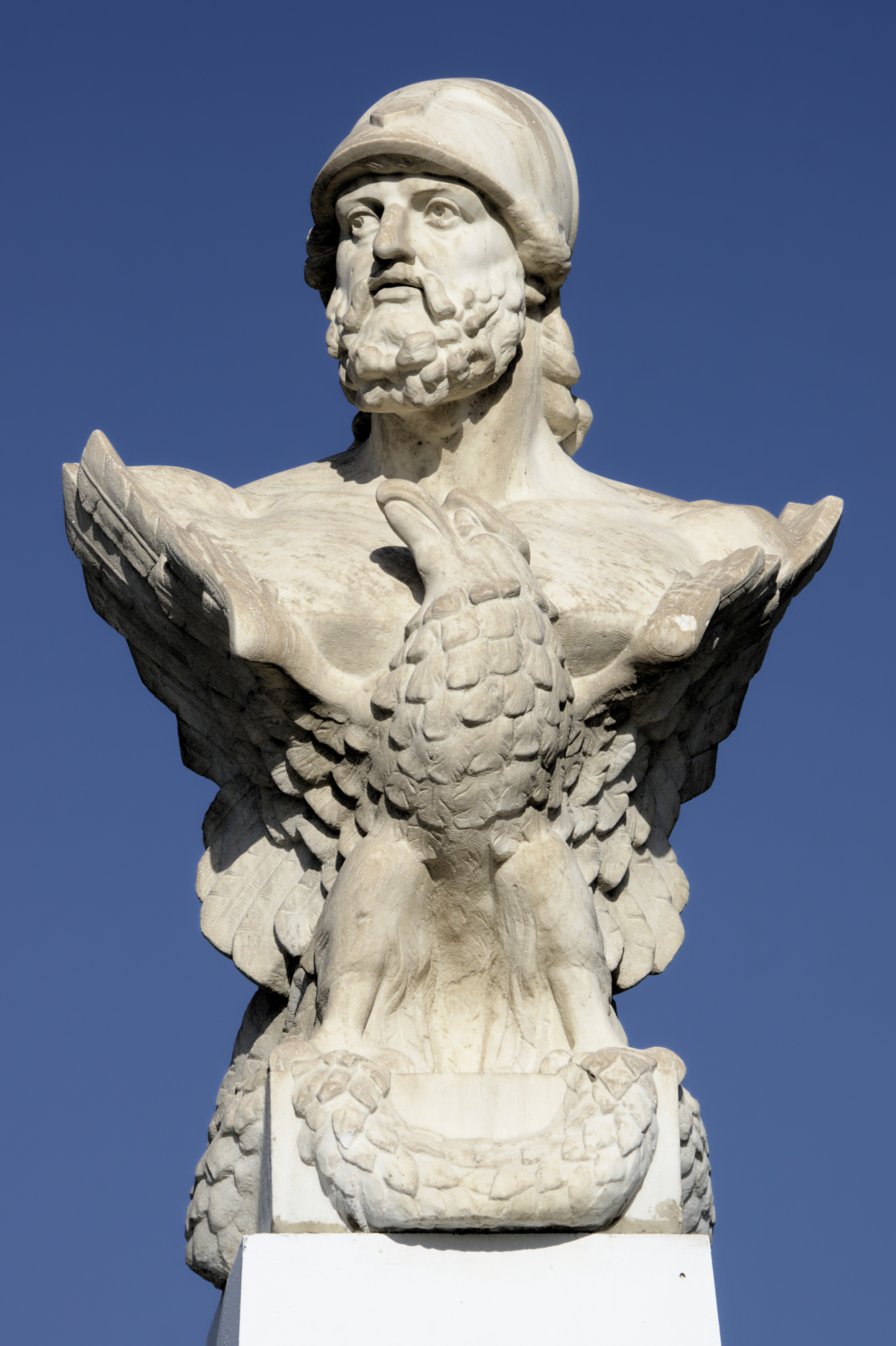
Cimon of Athens
(Κίμων)
Athenian general, admiral, and leader of the Delian League who shattered Persian naval power at the Battle of the Eurymedon.
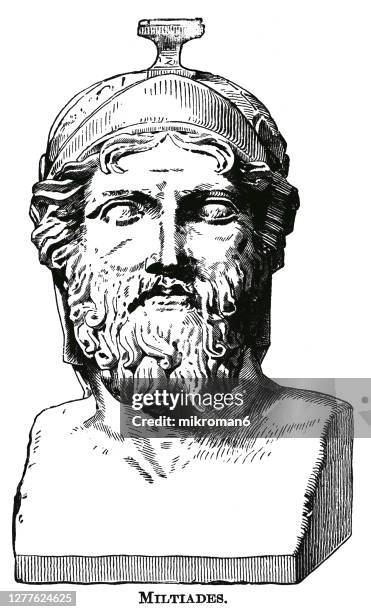
Miltiades the Younger
(Μιλτιάδης)
Athenian general and strategist who devised the historic double-envelopment phalanx tactic to defeat Darius I's Persian invasion force at the Battle of Marathon.
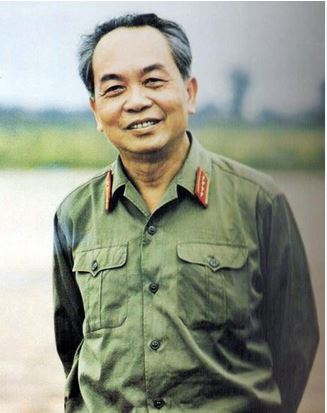
Võ Nguyên Giáp
 (Võ Nguyên Giáp)
Self-taught Vietnamese general and revolutionary strategist hailed as the "Red Napoleon." Defeated the French expeditionary corps at Dien Bien Phu (1954) and orchestrated the long people's war that unified Vietnam.
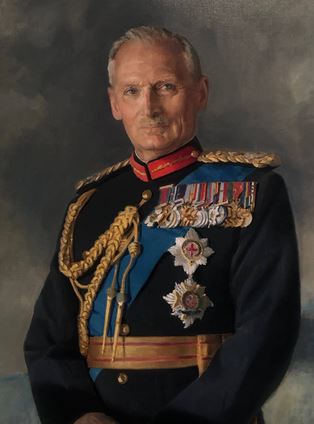
Bernard Law Montgomery, 1st Viscount Montgomery of Alamein
 (Bernard Law Montgomery)
British field marshal celebrated as "Monty." Transformed morale in the British Eighth Army, decisively defeating Erwin Rommel at the Second Battle of El Alamein, and commanding all Allied ground forces during Operation Overlord in Normandy.
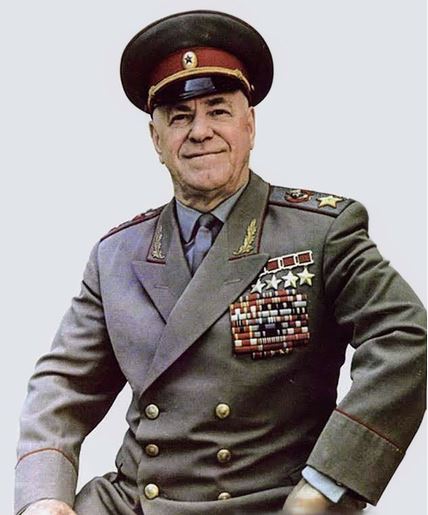
Georgy Konstantinovich Zhukov
 (Георгий Константинович Жуков)
Marshal of the Soviet Union and the premier operational architect of Allied victory over Nazi Germany. Commanded the defenses of Leningrad and Moscow, planned the encirclements at Stalingrad and Kursk, and captured Berlin in 1945.
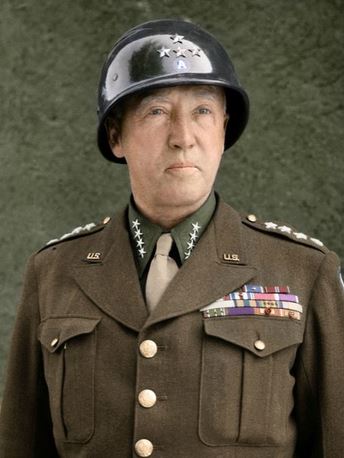
George Smith Patton Jr.
 (George S. Patton Jr.)
Celebrated U.S. Army general who commanded the U.S. Third Army across France and Germany in World War II. Renowned for ruthless speed, relentless armored offensive doctrine, and the dramatic winter relief of Bastogne during the Battle of the Bulge.
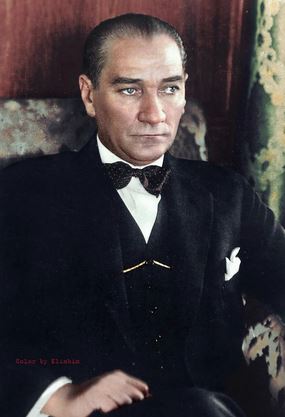
Mustafa Kemal Atatürk
(Mustafa Kemal Atatürk)
Ottoman commander and founding father of the Republic of Turkey. Victorious hero of the Gallipoli Campaign (1915) who led the Turkish War of Independence, liberating the Anatolian homeland and creating a modern secular republic.
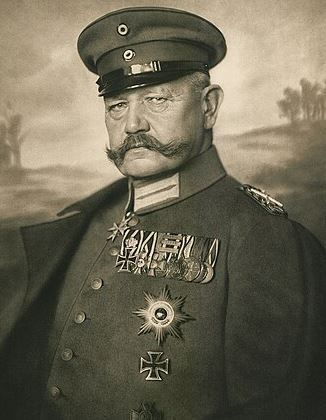
Paul Ludwig Hans Anton von Beneckendorff und von Hindenburg
 (Paul von Hindenburg)
German field marshal and national hero of the Battle of Tannenberg in World War I. Commanded the German Supreme Army Command alongside Erich Ludendorff and served as President of the Weimar Republic.
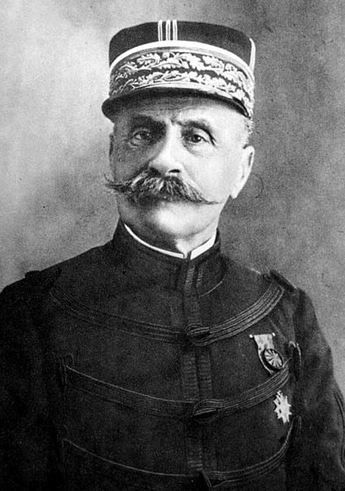
Ferdinand Foch
 (Ferdinand Foch)
Marshal of France and Supreme Allied Commander who coordinated French, British, American, and Belgian forces in 1918 to defeat the German spring offensives and execute the Hundred Days Offensive that won World War I.
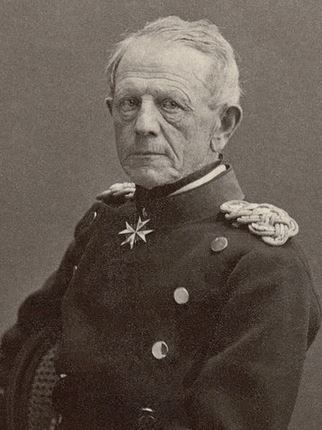
Helmuth Karl Bernhard Graf von Moltke
 (Helmuth von Moltke der Ältere)
Chief of the Prussian General Staff for thirty years who pioneered the modern General Staff system, exploitation of railways and telegraphs, and decentralized "mission-type tactics" (Auftragstaktik), winning the Wars of German Unification.
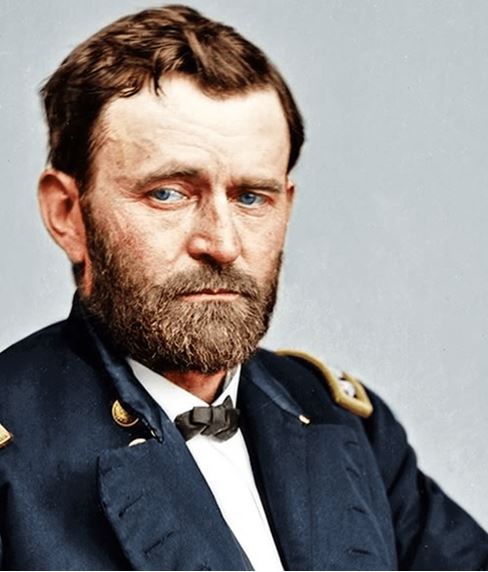
Ulysses S. Grant (Hiram Ulysses Grant)
(Hiram Ulysses Grant)
General of the Army and 18th President of the United States. Architect of the Union victory in the American Civil War whose Vicksburg campaign and relentless Overland offensive preserved the American Republic and ended slavery.
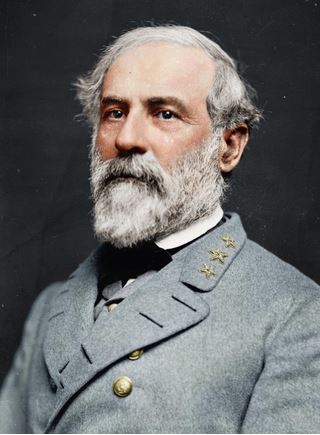
Robert Edward Lee
(Robert Edward Lee)
American general and commander of the Confederate Army of Northern Virginia during the American Civil War. Celebrated for audacious tactical maneuvers against superior Union forces at Chancellorsville and Second Manassas.
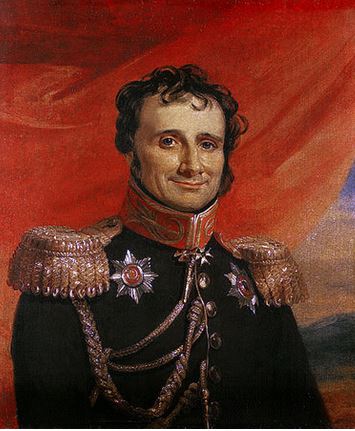
Antoine-Henri, Baron Jomini
 (Antoine-Henri de Jomini)
Swiss-born general and military theorist in French and Russian service whose systematic treatise "Summary of the Art of War" geometricized Napoleonic maneuvers, deeply shaping military academies including West Point.
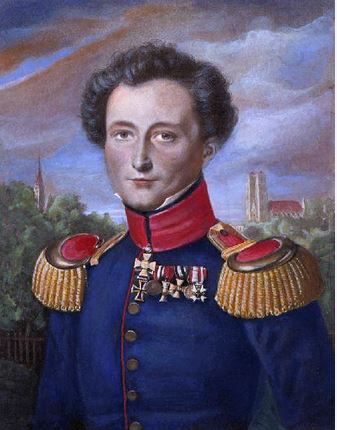
Carl Philipp Gottfried von Clausewitz
(Carl von Clausewitz)
Prussian general and world-renowned military theorist whose masterwork "On War" (Vom Kriege) formulated the universal philosophical understanding of conflict, introducing "fog of war," "friction," and "center of gravity."
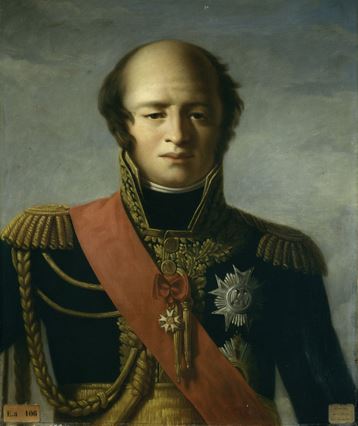
Louis-Nicolas d'Avout (Marshal Davout)
(Louis-Nicolas Davout, duc d'Auerstaedt)
Napoleon Bonaparte's finest and most undefeated marshal, celebrated as "The Iron Marshal." Famously routed the main Prussian royal army of 63,000 at Auerstedt with just his lone III Corps of 27,000 men.
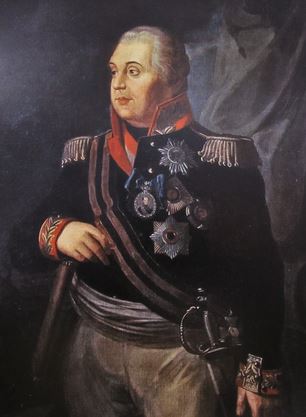
Mikhail Illarionovich Golenishchev-Kutuzov
(Михаил Илларионович Кутузов)
Russian field marshal who defeated Napoleon Bonaparte's invasion of Russia in 1812. His strategic patience, brutal defensive stand at Borodino, and scorched-earth operational retreat preserved the Russian army and destroyed the Grande Armée.
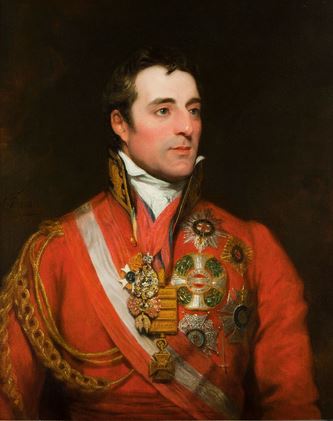
Arthur Wellesley, 1st Duke of Wellington
 (Arthur Wellesley)
Anglo-Irish soldier and statesman known as the "Iron Duke." Champion of defensive reverse-slope tactics who expelled French armies from Spain during the Peninsular War and defeated Napoleon Bonaparte at the Battle of Waterloo.