Public Figures & Cultural Luminaries
Filterable archive covering centuries of intellectual, artistic, and moral contributions to the human story.
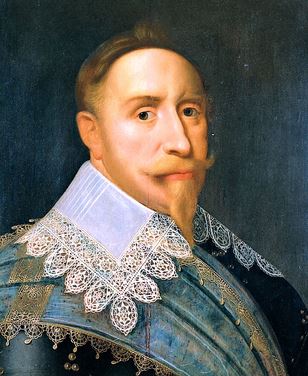
Gustav II Adolf (Gustavus Adolphus)
 (Gustav II Adolf)
King of Sweden universally acclaimed as the "Father of Modern Warfare." Pioneer of combined arms doctrine, mobile light field artillery, aggressive cavalry shock charges, and disciplined national conscription during the Thirty Years' War.
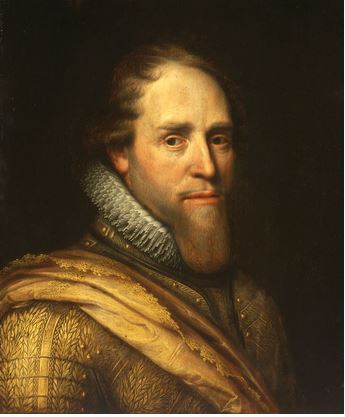
Maurice of Orange (Maurice of Nassau)
 (Maurits van Oranje)
Dutch general and Prince of Orange whose systematic military reforms—introducing Roman-inspired military drill, standardized artillery, and countermarch volley fire—catalyzed the Early Modern Military Revolution.
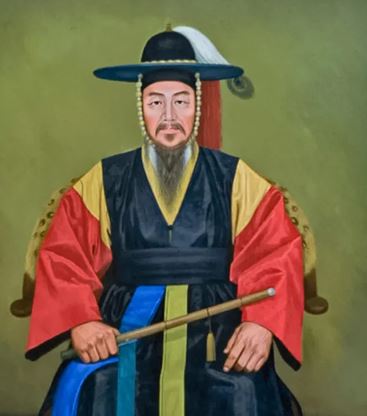
Yi Sun-sin
 (이순신 (李舜臣))
Immortal Korean admiral who remained undefeated in at least 23 naval battles against Japanese invasion fleets during the Imjin War. Renowned for inventing the armored Turtle Ship and defeating 133 enemy ships with only 13 at Myeongnyang.
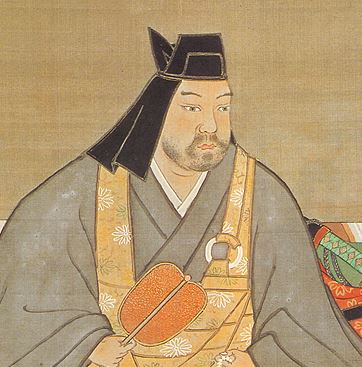
Uesugi Kenshin
 (上杉 謙信)
Sengoku daimyo and devout Buddhist ascetic revered as the "God of War" (Bishamonten avatar). Famous for military chivalry—refusing to blockade salt to his rival Takeda Shingen—and his victory over Nobunaga at Tedorigawa.
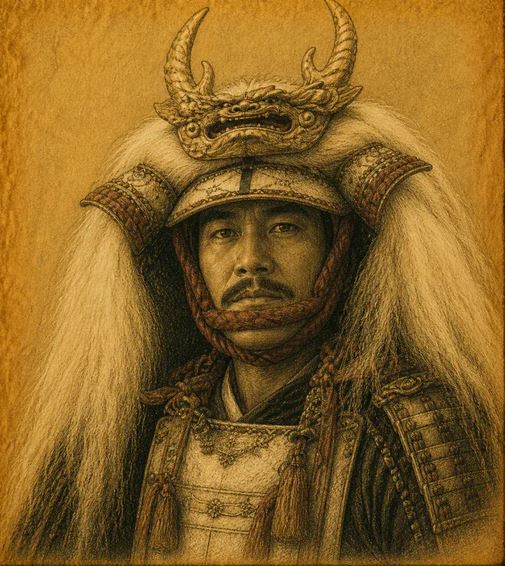
Takeda Shingen
(武田 信玄)
Preeminent daimyo and military commander of Japan's Sengoku period. Famous for his fierce clashes with Uesugi Kenshin at Kawanakajima and for adopting Sun Tzu's battle philosophy of "Wind, Forest, Fire, Mountain" (Fūrinkazan).
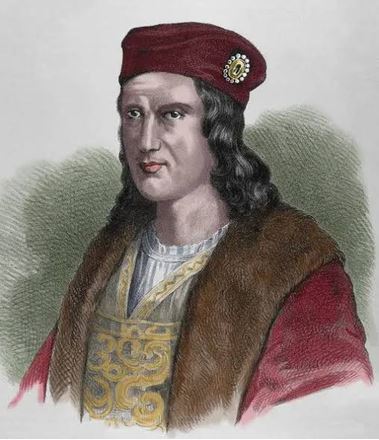
Gonzalo Fernández de Córdoba
 (Gonzalo Fernández de Córdoba y Enríquez de Aguilar)
Spanish general renowned as "El Gran Capitán" (The Great Captain). Revolutionized infantry tactics by combining pikemen and arquebusiers, establishing the Spanish Tercio that dominated European battlefields for over a century.
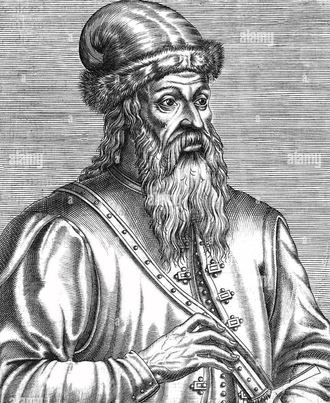
George Castriot (Skanderbeg)
 (Gjergj Kastrioti)
Albanian lord and military mastermind who united the Albanian princes in the League of Lezhë, successfully defending Albanian mountains against more than twenty major Ottoman invasions for a quarter-century.
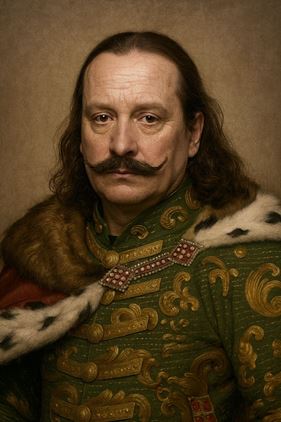
John Hunyadi (János Hunyadi)
 (Hunyadi János)
Hungarian military genius celebrated throughout Europe as "Athleta Christi." His sensational relief of the Siege of Belgrade in 1456 halted Ottoman expansion into Central Europe for seventy years and inspired the worldwide Catholic noon bell.
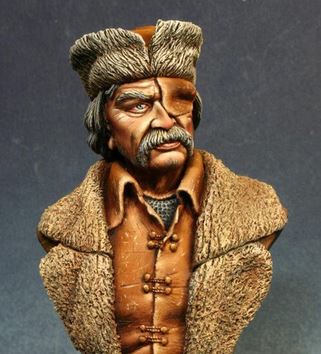
Jan Žižka z Trocnova
 (Jan Žižka z Trocnova a Kalicha)
Czech general and Hussite military leader who remained completely undefeated, even after becoming totally blind in both eyes. Revolutionized European warfare by pioneering mobile wagon forts (Wagenburg) and firearm integration.
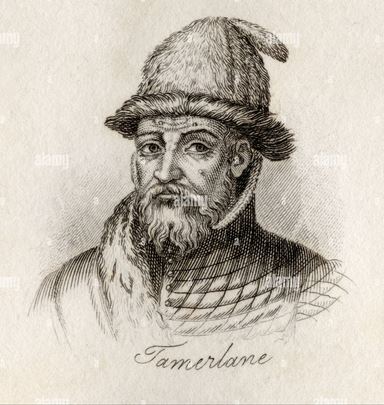
Timur bin Taraghay Barlas
 (تیمور گورکانی)
Turco-Mongol conqueror and founder of the Timurid Empire who remained undefeated across four decades of warfare from Delhi to the Mediterranean, transforming Samarkand into a jewel of Islamic arts and architecture.
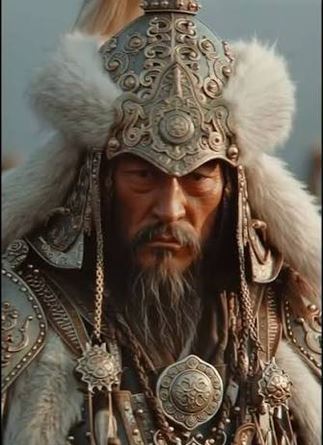
Jebe Noyan
 (Зэв)
(Зэв)
Famed Mongol vanguard commander whose name was given by Genghis Khan after shooting the Khan in battle. Together with Subutai, he commanded the legendary reconnaissance raid around the Caspian Sea.
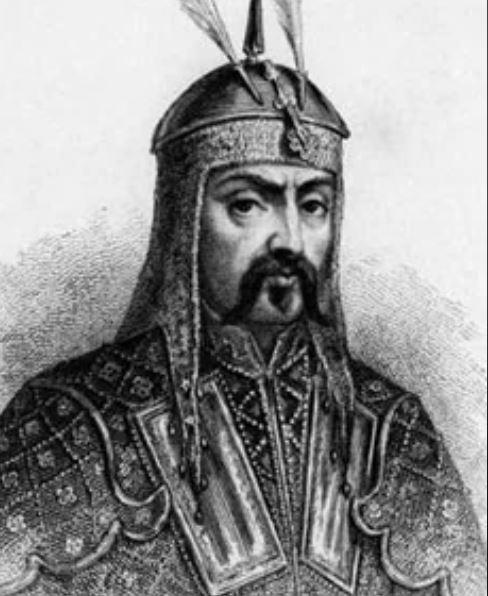
Subutai Baghatur
(Сүбээдэй)
Genghis Khan's greatest general and the premier grand strategist of the Mongol Empire. Directed more than 20 campaigns and 65 pitched battles across Eurasia, conquering more territory than any commander in human history.
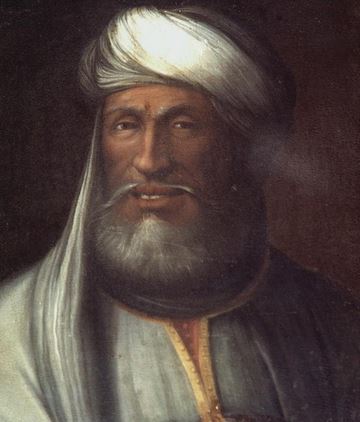
Tariq ibn Ziyad
 (طارق بن زياد)
Berber military commander under the Umayyad Caliphate who initiated the Muslim conquest of the Iberian Peninsula in 711 CE. Gibraltar (Jabal Tariq) is named forever in his honor.
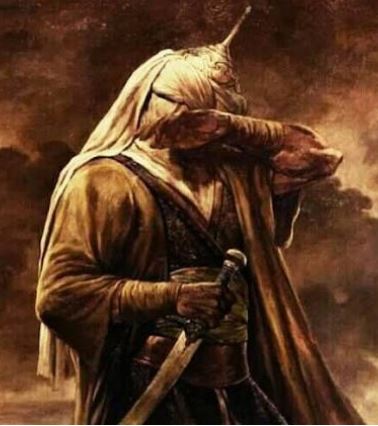
Khalid ibn al-Walid
 (خالد بن الوليد)
Legendary Muslim general known as the "Drawn Sword of God" (Sayf Allah al-Maslul). Undefeated in over a hundred battles, he conquered Mesopotamia and the Levant, shattering the Byzantine and Sassanid empires at Yarmouk and Firaz.
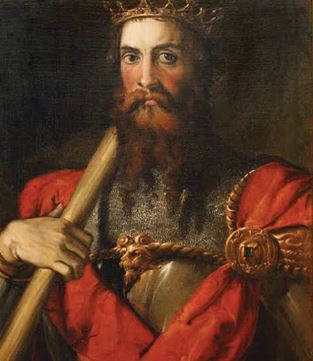
Narses
 (Ναρσῆς)
Armenian-born Byzantine court eunuch and master military commander who, at the age of seventy-four, crushed the Ostrogoths and the Franco-Alemannic invasion, completing the reconquest of Italy.
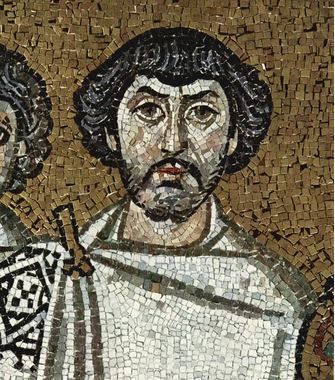
Flavius Belisarius
 (Φλάβιος Βελισάριος)
Byzantine supreme military commander hailed as "the Last of the Romans." Reconquered North Africa from the Vandals and Italy from the Ostrogoths through unparalleled defensive mastery and tactical cunning.
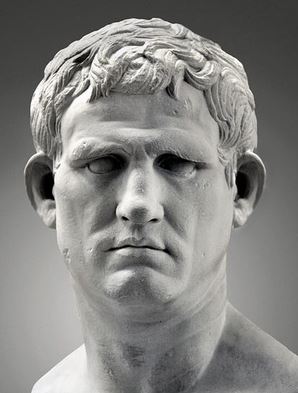
Marcus Vipsanius Agrippa
 (Marcus Vipsanius Agrippa)
Genius Roman naval commander and engineer whose tactical victories at Naulochus and Actium established Octavian as Emperor Augustus and founded the Roman Empire. Also builder of the original Pantheon.
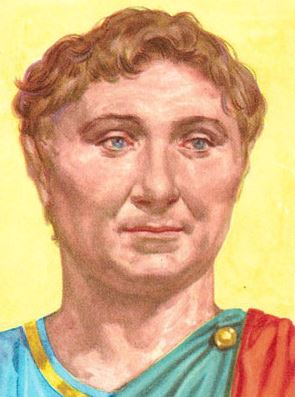
Gnaeus Pompeius Magnus
(Gnaeus Pompeius Magnus)
Celebrated Roman military commander who cleared the Mediterranean of piracy in three months, conquered the Levant and Judea for Rome, and led the Senatorial forces in the civil war against Julius Caesar.