Sidi Lakhdar Ben Khlouf
Patron saint and epic warrior-poet who fought against the Spanish invasion at the Battle of Mazagran in 1558 and composed the foundational poems of Algerian Melhoun.
Start typing to search worldwide archives and community tributes
Filterable archive covering centuries of intellectual, artistic, and moral contributions to the human story.
Patron saint and epic warrior-poet who fought against the Spanish invasion at the Battle of Mazagran in 1558 and composed the foundational poems of Algerian Melhoun.
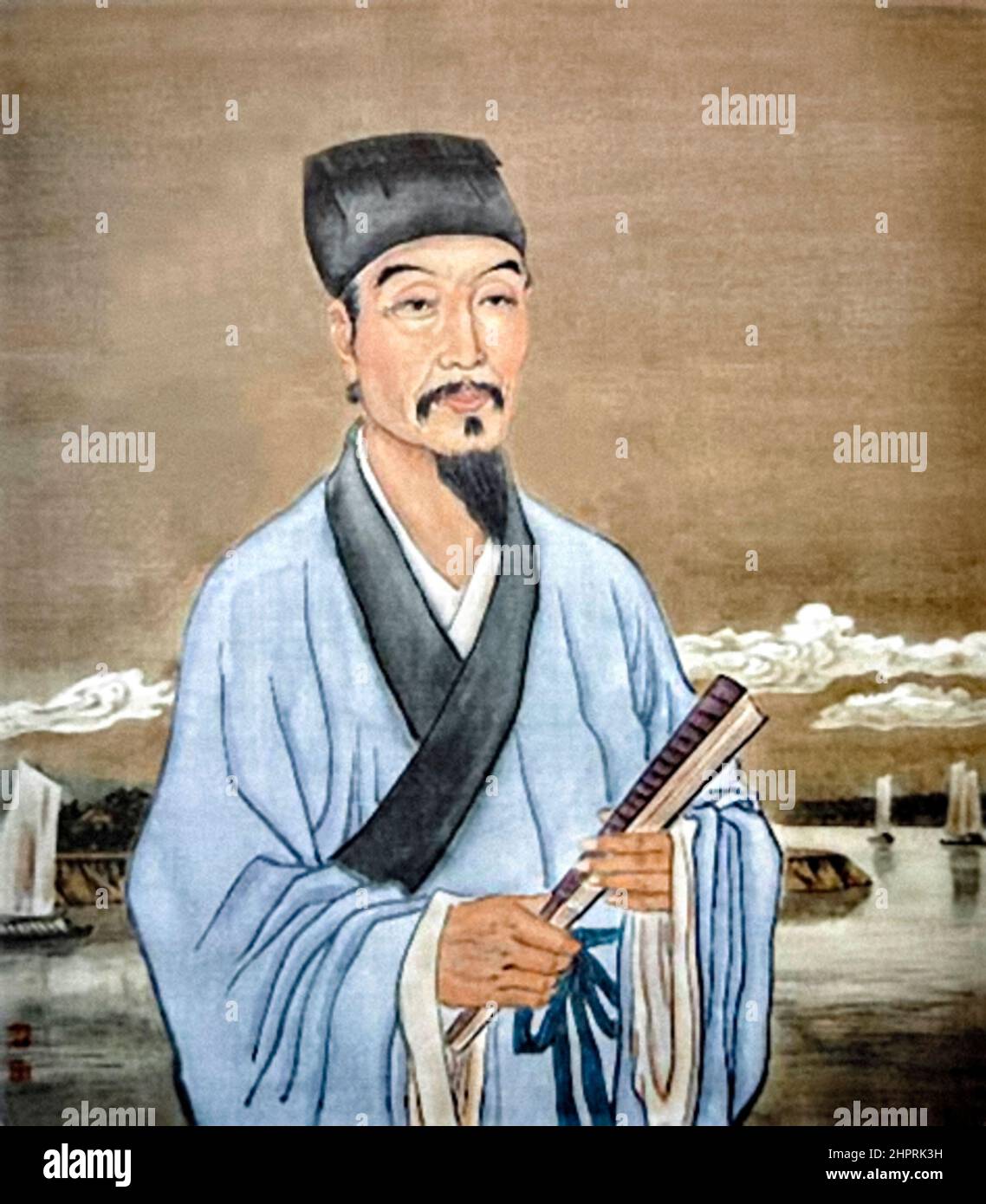
Ming dynasty novelist and poet widely attributed as the author of Journey to the West, the mythical fantasy immortalizing the Monkey King Sun Wukong.
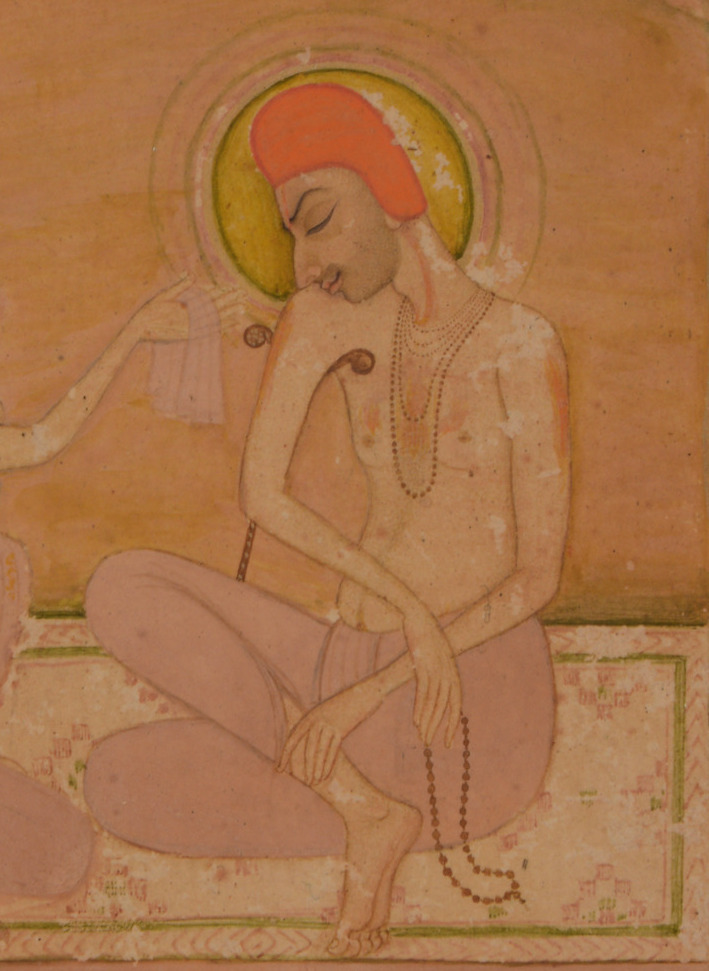
Sixteenth-century blind Hindu poet, musician, and Bhakti saint (1478–1581) whose lyrical devotional hymns in 'Sur Sagar' immortalized the childhood and divine love of Krishna in the Braj Bhasha dialect.
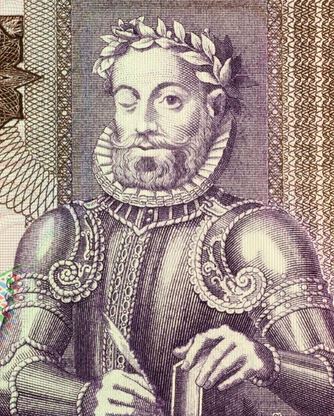
Portugal's supreme national poet and adventurer who lost his right eye in battle in Ceuta, composing the monumental national epic Os Lusíadas (The Lusiads) in ten cantos celebrating Vasco da Gama's oceanic route to India.
Pioneering Renaissance poet of the Lyon School known as 'La Belle Cordière' whose impassioned sonnets and feminist manifesto in Débat de Folie et d'Amour voiced female sexual agency and intellectual autonomy.
Leading Renaissance poet of the Lyon humanist school whose hermetic 1544 canzoniere Délie, objet de plus haute vertu was the first French poetic cycle modeled on Petrarch, celebrating idealized love for Pernette du Guillet.
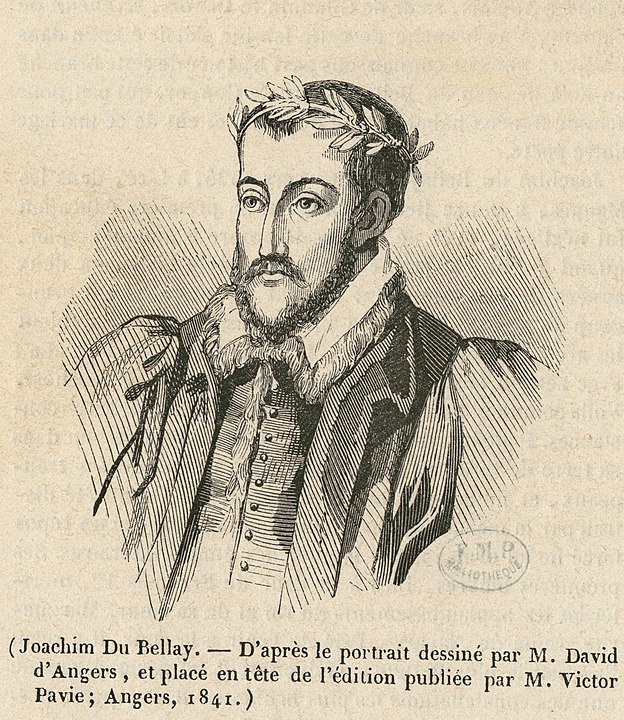
French Renaissance poet and Pléiade theorist whose manifesto Défense et illustration and elegiac sonnets Les Regrets defined modern French poetic identity.
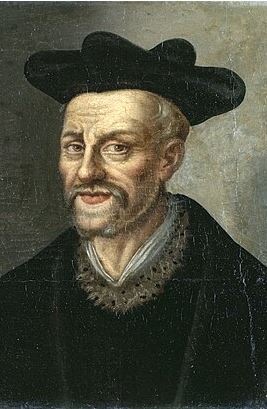
French Renaissance giant, physician, and humanist whose colossal satirical novels Gargantua and Pantagruel revolutionized world prose with boundless comedic exuberance, grotesque body humor, and the utopian humanist creed 'Do as thou wilt'.
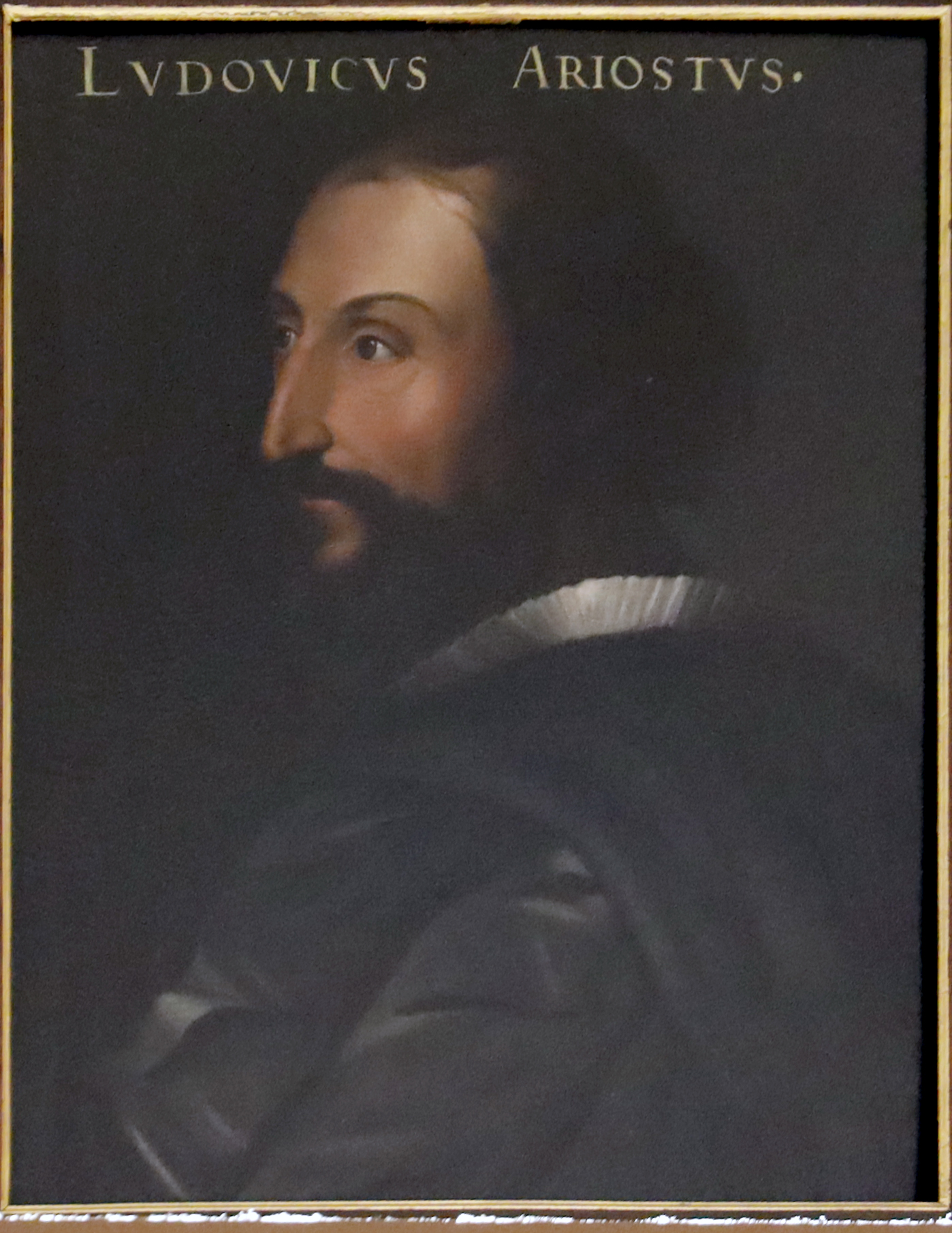
Italian Renaissance epic poet whose romantic epic Orlando Furioso wove chivalry, irony, and ottava rima into one of the most influential masterworks of world literature.
Flemish-born diplomat and courtier whose landmark Mémoires provided the first realistic, psychological analysis of statecraft in Renaissance Europe, chronicling Louis XI and Charles the Bold.
15th-century Egyptian master biographer and hadith scholar, primary disciple of Ibn Hajar al-Asqalani, whose 12-volume biographical dictionary Al-Daw' al-Lami' catalogs the luminaries of the 9th Islamic century.
Universal master revered as the 'last great classical poet of Persia', author of the seven-epic masterpiece 'Haft Awrang' and 'Yusuf and Zulaikha'.
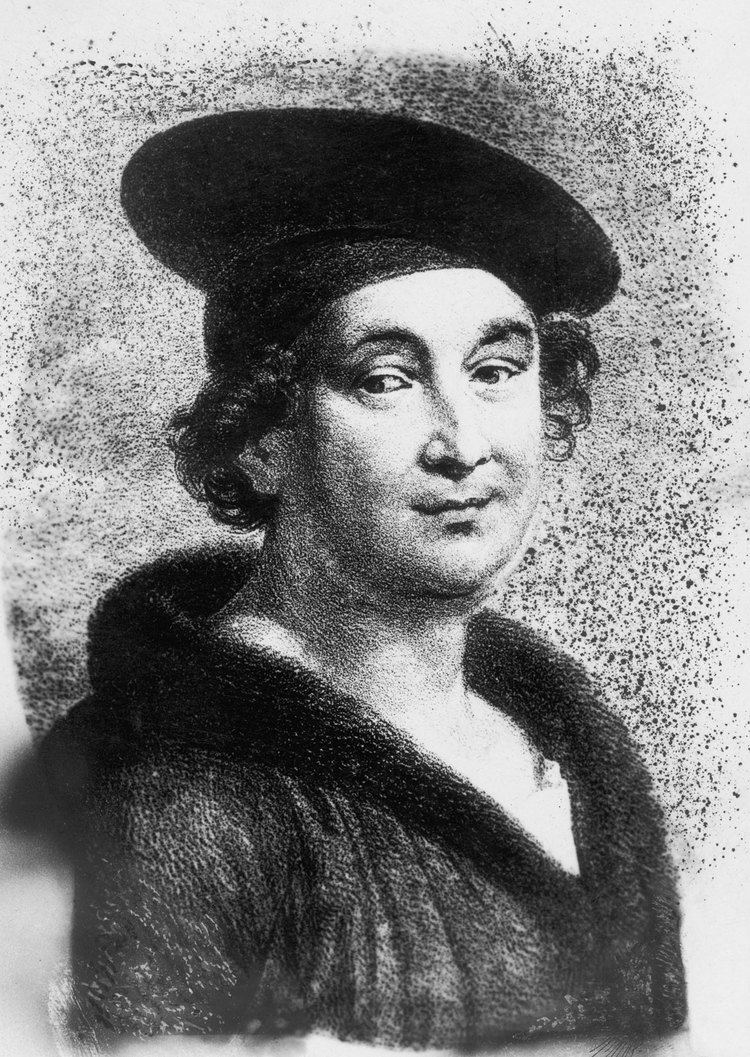
Greatest French lyric poet of the late Middle Ages, roguish outlaw, and author of Le Testament and the haunting Ballade des Pendus.
Italian-born French author celebrated as Europe's first professional female writer, whose 1405 masterwork The Book of the City of Ladies defended women's intellect and moral equality in the Querelle des Femmes.
Eminent Mamluk chancery official whose monumental 14-volume administrative encyclopedia, Subh al-A'sha, preserves the bureaucratic, diplomatic, and geographical apparatus of the medieval Islamic world.
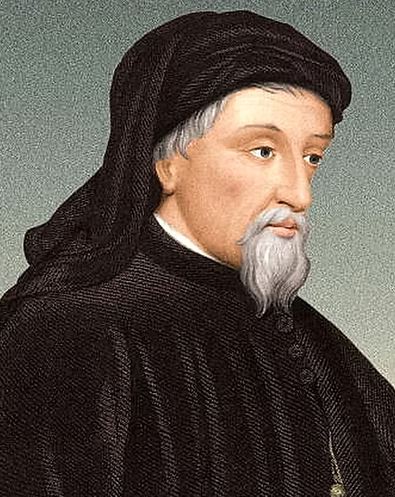
Venerated as the Father of English Literature, who legitimized the vernacular Middle English tongue as a vehicle for grand literary art in his vibrant comedic and psychological masterwork, The Canterbury Tales.
Celebrated 14th-century Persian Sufi poet of Tabriz whose delicate, musical ghazals rivaled those of his contemporary Hafez of Shiraz.
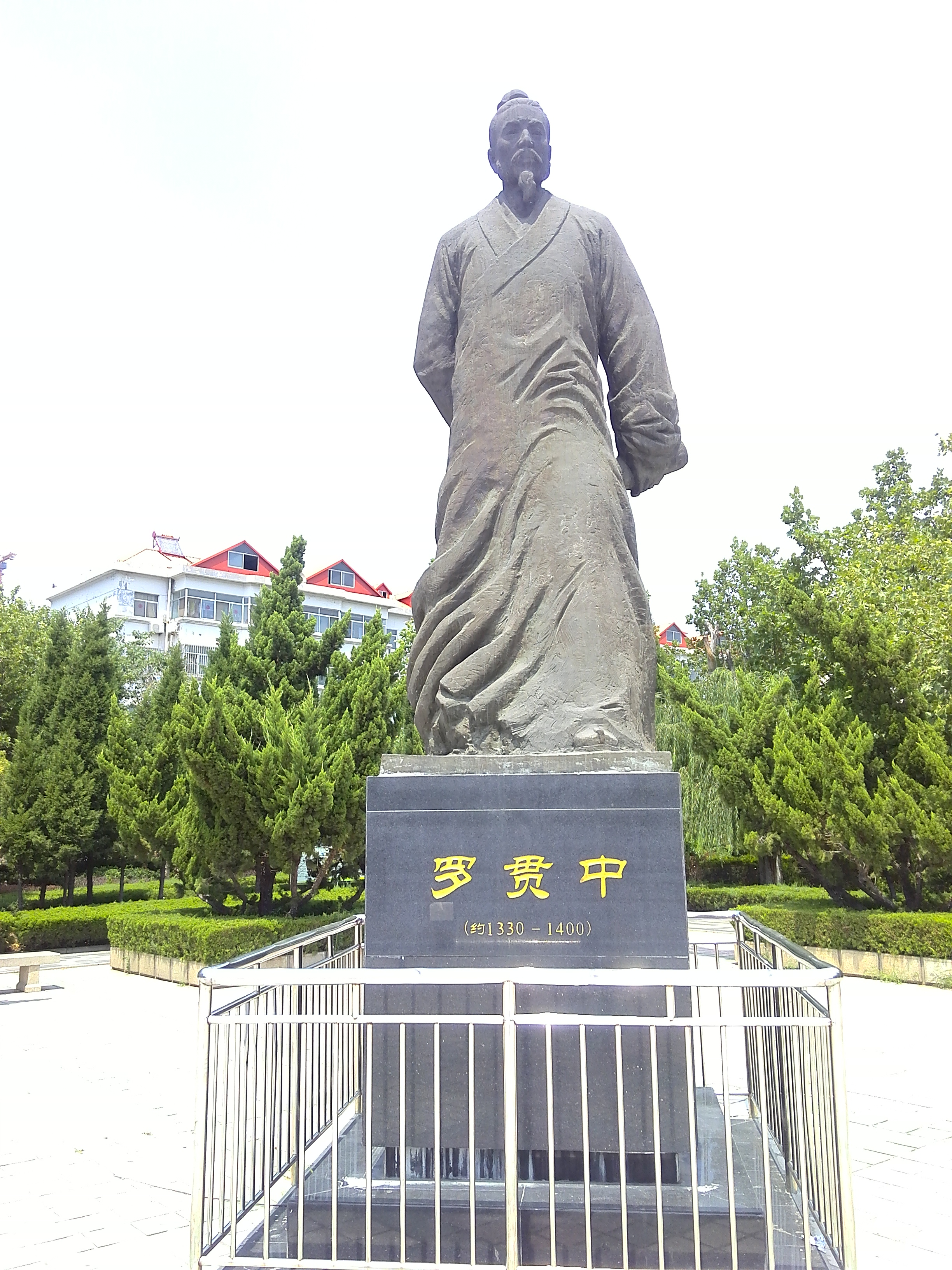
Pioneering Chinese novelist of the Yuan-Ming transition who wrote Romance of the Three Kingdoms, one of the Four Great Classical Novels of Chinese literature.