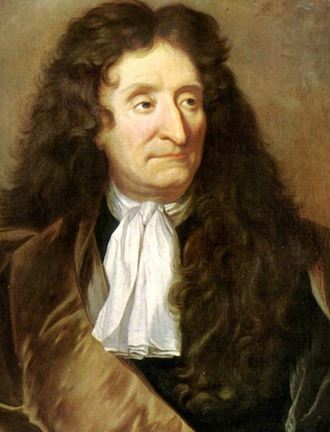
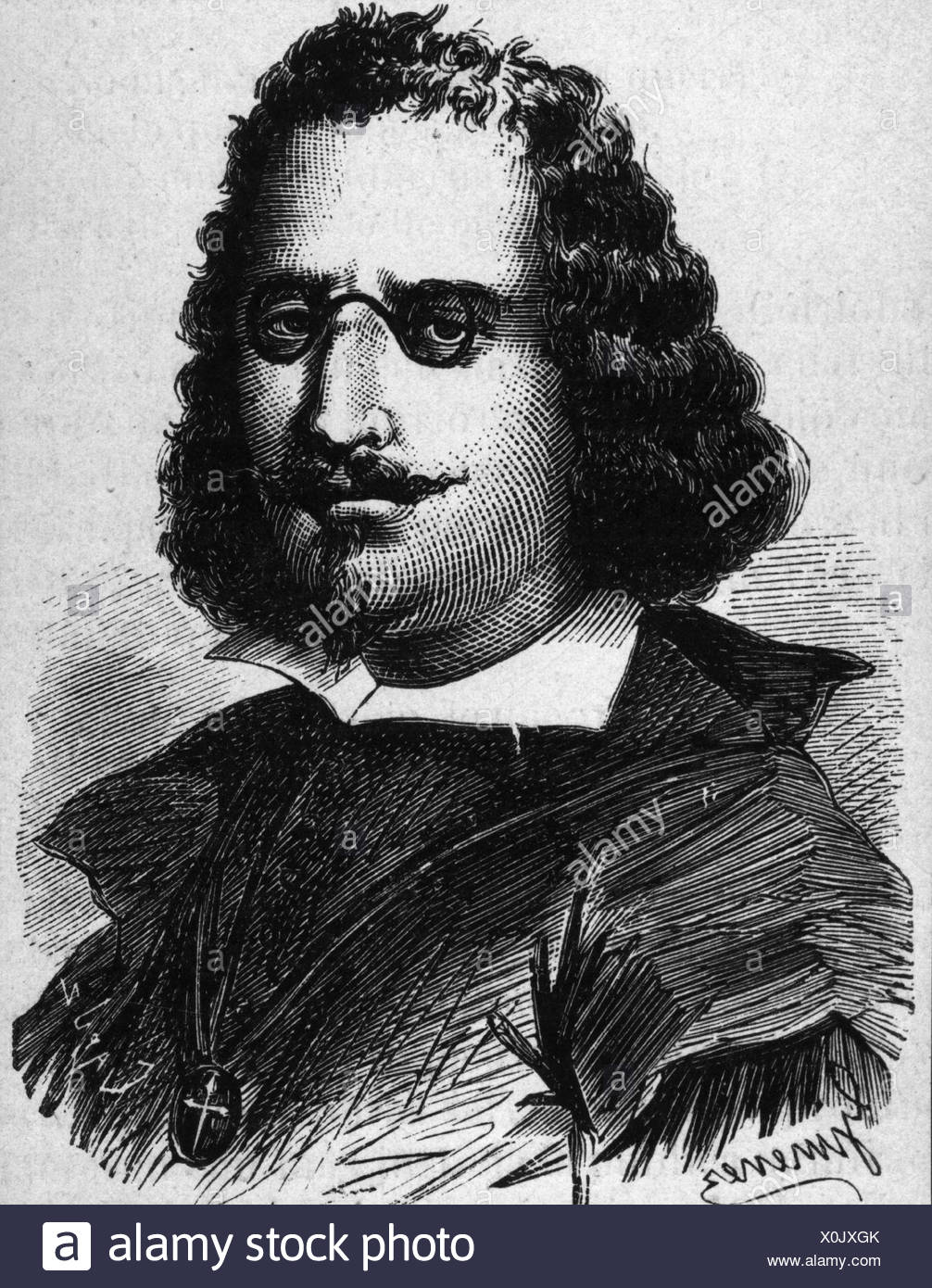
Jean de La Bruyère
Brilliant French moralist and satirist whose 1688 masterpiece Les Caractères ou les Mœurs de ce siècle captured the vanities, social climbing, and hypocrisy of seventeenth-century court and bourgeois society.
Start typing to search worldwide archives and community tributes
Filterable archive covering centuries of intellectual, artistic, and moral contributions to the human story.
Brilliant French moralist and satirist whose 1688 masterpiece Les Caractères ou les Mœurs de ce siècle captured the vanities, social climbing, and hypocrisy of seventeenth-century court and bourgeois society.
French aristocrat and preeminent epistolary writer whose celebrated collection of over 1,100 letters, primarily to her beloved daughter the Comtesse de Grignan, painted an immortal, sparkling portrait of seventeenth-century court life.
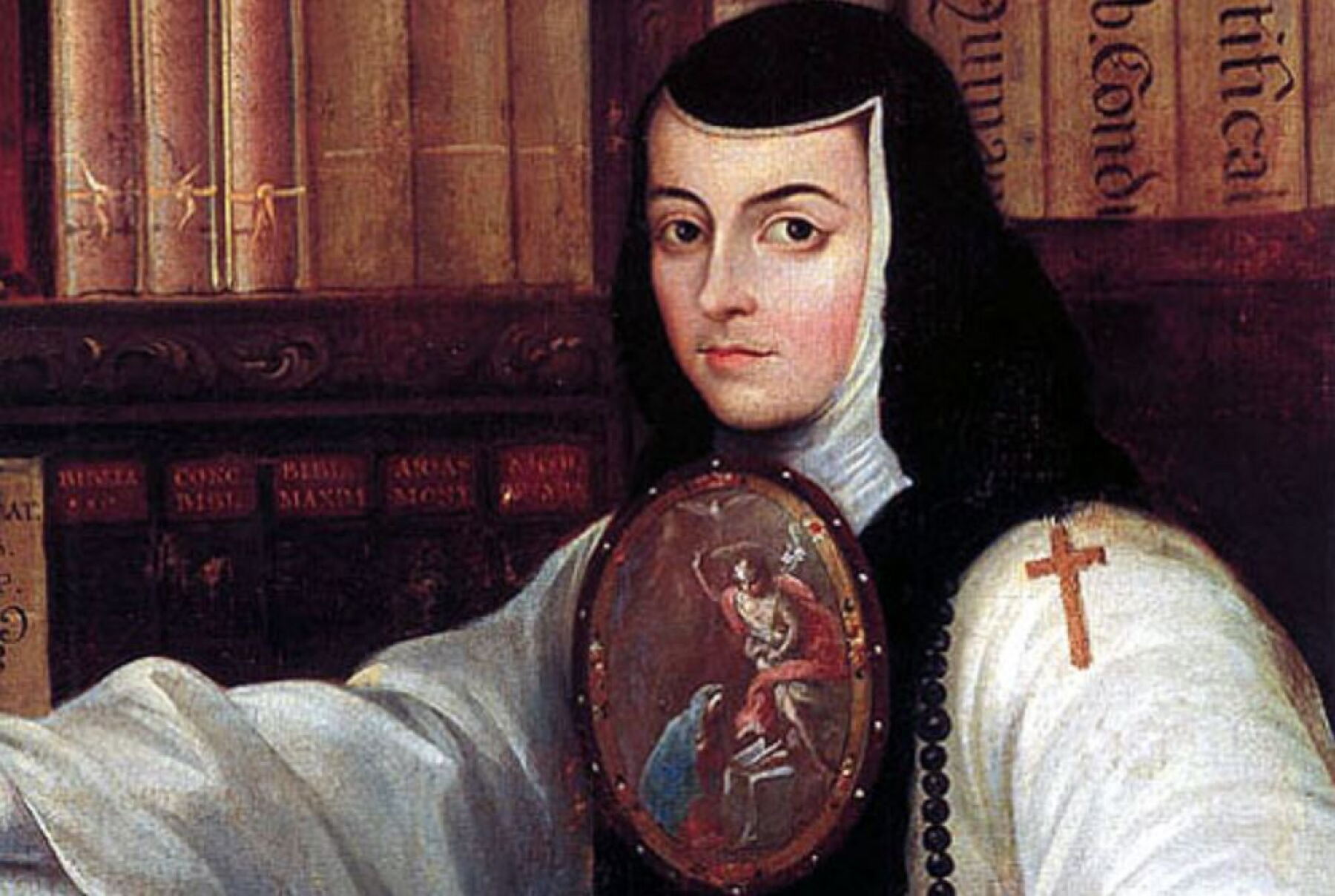
Mexican Hieronymite nun, Baroque polymath, and poet known as 'The Tenth Muse' and the first published feminist of the Americas.
Preeminent French fabulist and poet whose 243 Fables—adapting Aesop and Indian Panchatantra tales into sparkling verse like The Crow and the Fox—provided a witty, razor-sharp critique of court politics and human nature.
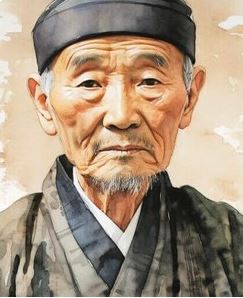
Supreme master of Japanese haiku poetry whose Zen-infused verses and travelogue The Narrow Road to the Deep North (Oku no Hosomichi) elevated the 17-syllable poem into a timeless spiritual art form.
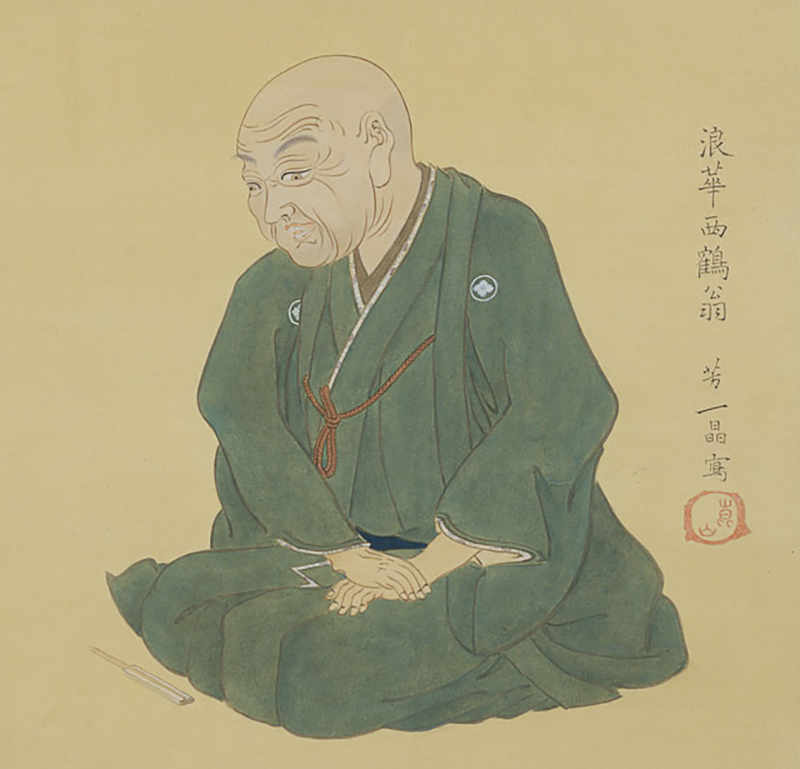
Seventeenth-century Japanese poet and novelist (1642–1693) who created the 'ukiyo-zoshi' (books of the floating world) genre, revolutionizing Japanese popular prose fiction with realistic depictions of urban merchant life and courtesan culture.
French author whose 1678 masterpiece La Princesse de Clèves is universally recognized as the foundation of the modern psychological novel, famed for its spare, elegant prose and profound moral dilemma.
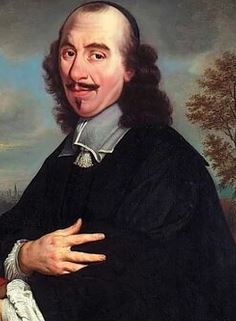
The foundational patriarch of French classical tragedy, celebrated as 'Le Grand Corneille', whose masterpieces Le Cid, Horace, and Cinna forged the heroic 'cornelian dilemma'—the agonizing triumph of moral honor and duty over love.
Foremost dramatist of the Spanish Golden Age whose philosophical masterpiece La vida es sueño (Life Is a Dream) explored free will, illusion, and destiny.
Supreme dramatist of the Spanish Golden Age (Siglo de Oro) whose philosophical masterpiece La vida es sueño (Life Is a Dream) explored free will, illusion, and human destiny with theological and poetic brilliance.
English metaphysical poet, parliamentarian, and satirist celebrated for 'To His Coy Mistress', 'The Garden', and defending John Milton after the Restoration.
Master poet of Safavid Isfahan and Mughal India, supreme practitioner of the 'Indian Style' celebrated for his ingenious proverbs in verse.
English epic poet and passionate champion of free speech (Areopagitica) who, despite going completely blind, dictated his monumental biblical epic Paradise Lost in soaring blank verse to 'justify the ways of God to men'.
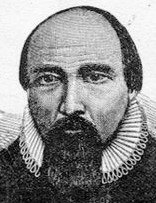
Immortal Icelandic hymnwriter and pastor whose 50 Passíusálmar (Passion Hymns) are the most published and recited literary work in Icelandic history, commemorated by Hallgrímskirkja in Reykjavík.
17th-century English Cavalier poet and clergyman famous for his carpe diem lyric 'To the Virgins, to Make Much of Time' ('Gather ye rosebuds while ye may').
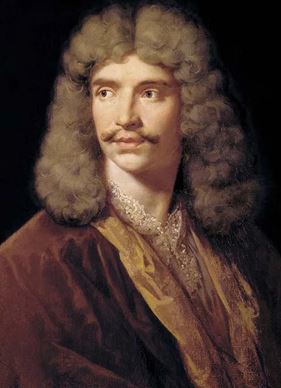
Preeminent genius of French classical comedy and satirist of human folly whose enduring theatrical masterworks—Tartuffe, Le Misanthrope, and L'Avare—defined the French language as 'la langue de Molière'.
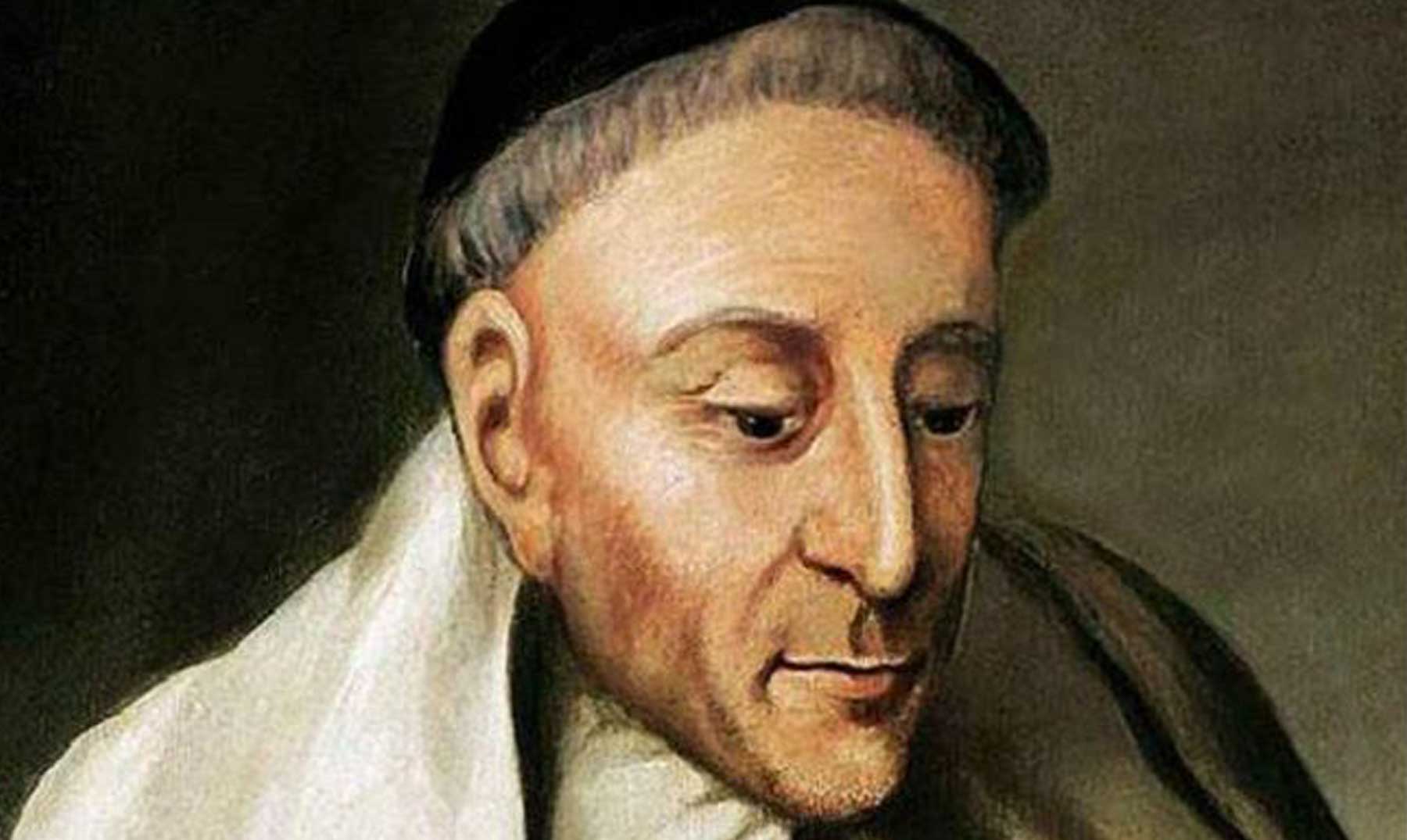
Spanish Golden Age Mercedarian friar and dramatist who created the immortal myth of Don Juan in El burlador de Sevilla (The Trickster of Seville).
Spanish Golden Age master of Conceptismo, satirist, and poet whose picaresque novel El Buscón and piercing metaphysical sonnets dissected imperial decay.