 Kingdom of Spain
•
2 views
Kingdom of Spain
•
2 views
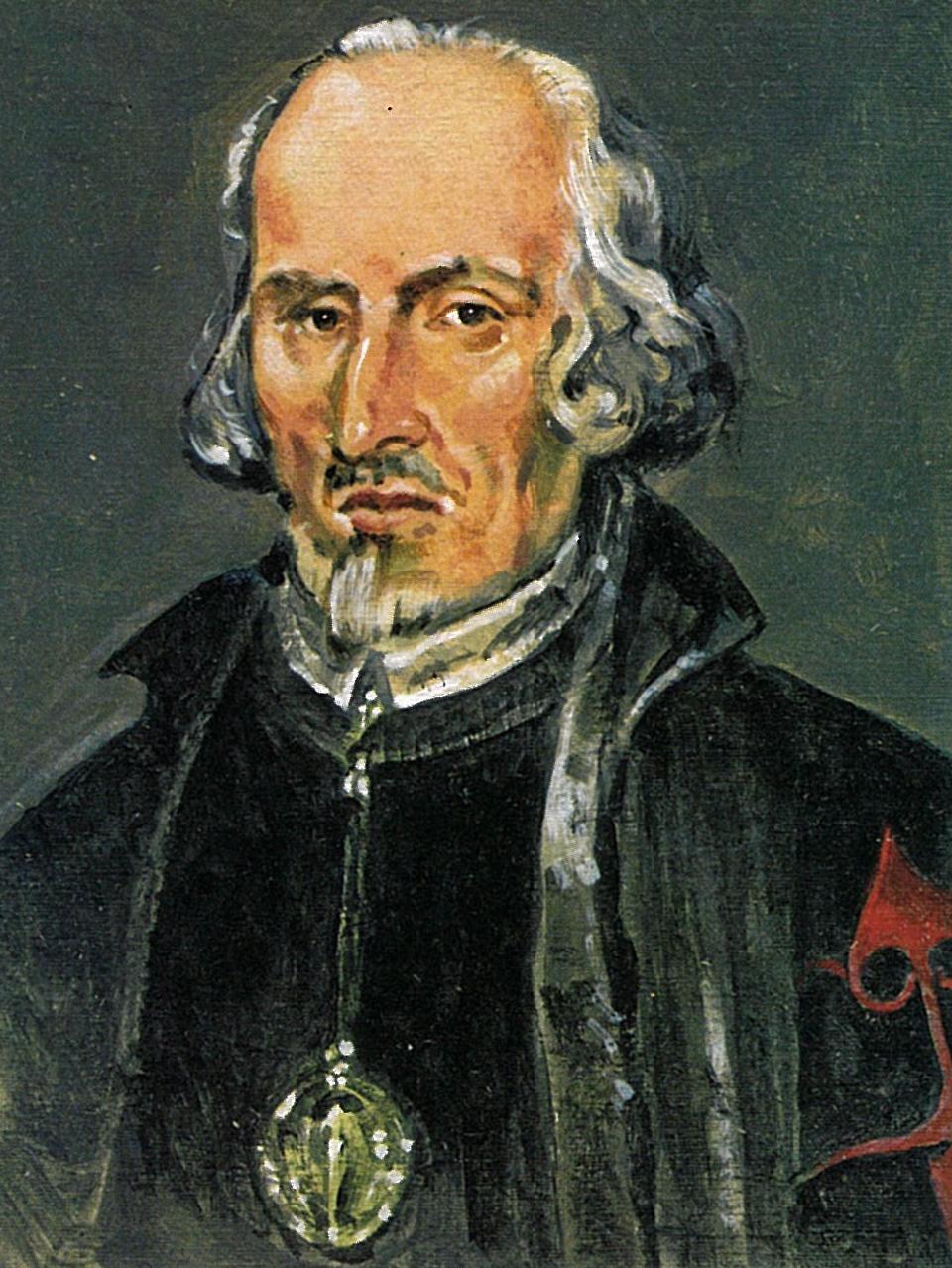
Pedro Calderón de la Barca

Madrid, Kingdom of Spain
Archival Overview
Foremost dramatist of the Spanish Golden Age whose philosophical masterpiece La vida es sueño (Life Is a Dream) explored free will, illusion, and destiny.
Biographical Record
Pedro Calderón de la Barca (1600–1681) was a Spanish dramatist, poet, and Catholic priest who succeeded Lope de Vega as the leading theatrical figure of the Spanish Golden Age (Siglo de Oro). Educated by Jesuits at the Colegio Imperial in Madrid and at the universities of Alcalá and Salamanca, Calderón served as court dramatist to King Philip IV, who knighted him into the Military Order of Santiago.
Calderón composed around 120 secular plays (comedias) and over 70 sacramental allegories (autos sacramentales). His crowning masterpiece, La vida es sueño ('Life Is a Dream'), tells the story of Prince Segismundo, imprisoned from birth in a tower due to a dark prophecy, raising profound philosophical questions regarding illusion, free will, and human consciousness that resonate alongside Descartes.
Key Life Milestones
Life Is a Dream Produced
Premiered La vida es sueño in Madrid, creating Segismundo's immortal monologue on human existence and illusory reality.
Ordination to the Priesthood
Ordained as a Catholic priest, dedicating his later dramatic career to creating magnificent allegorical Eucharistic dramas.
Memorial Guestbook & Tributes
0 messages recordedLeave a Respectful Tribute
Final Resting Place
Perpetual MemorialMadrid, Spain