 France
•
11 views
France
•
11 views
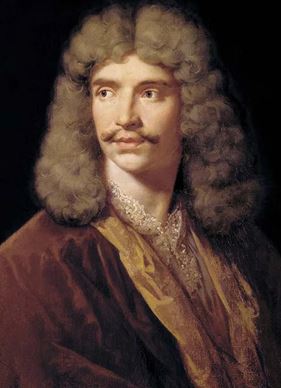
Jean-Baptiste Poquelin (Molière)

Paris, France
Archival Overview
Preeminent genius of French classical comedy and satirist of human folly whose enduring theatrical masterworks—Tartuffe, Le Misanthrope, and L'Avare—defined the French language as 'la langue de Molière'.
Biographical Record
Jean-Baptiste Poquelin (1622–1673), who adopted the stage name Molière, abandoned his father's hereditary post as royal upholsterer to found the Illustre Théâtre. After spending thirteen years touring the provinces of France as an actor-manager, Molière returned to Paris in 1658, winning the ardent patronage of King Louis XIV at the Palais-Royal.
Molière revolutionized Western comedy by elevating farcical slapstick into penetrating moral satire, exposing the hypocrisies of society: religious bigotry in Tartuffe (which was banned by the Church for five years), social posturing in Le Bourgeois Gentilhomme, and misanthropy in Le Misanthrope. On 17 February 1673, during his fourth performance of Le Malade Imaginaire playing the hypochondriac Argan, Molière suffered a violent coughing fit on stage and died hours later at his home.
Key Life Milestones
Premiere and Scandal of Tartuffe at Versailles
Staged Tartuffe before King Louis XIV; faced furious Catholic outrage and censorship before eventual triumph.
Final On-Stage Performance of Le Malade Imaginaire
Collapsed while playing the lead role on stage in Paris and died hours later, achieving theatrical martyrdom.
Memorial Guestbook & Tributes
0 messages recordedLeave a Respectful Tribute
Final Resting Place
Perpetual MemorialParis, France