 Spain
•
7 views
Spain
•
7 views
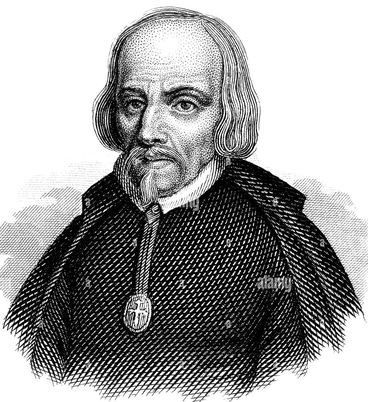
Pedro Calderón de la Barca y Barreda González de Henao Ruiz de Blasco y Riaño

Madrid, Spain
Archival Overview
Supreme dramatist of the Spanish Golden Age (Siglo de Oro) whose philosophical masterpiece La vida es sueño (Life Is a Dream) explored free will, illusion, and human destiny with theological and poetic brilliance.
Biographical Record
Pedro Calderón de la Barca (1600–1681), educated by the Jesuits at the Colegio Imperial in Madrid, succeeded Lope de Vega as the principal dramatist at the royal court of King Philip IV, who knighted him into the Order of Santiago in 1637. Ordained as a Catholic priest in 1651, he devoted his later years to court pageants and sacramental plays (*autos sacramentales*).
His undisputed philosophical summit, La vida es sueño (Life Is a Dream, 1635), tells the story of Prince Segismundo, imprisoned from birth in a mountain tower because of an astrological prophecy. Segismundo's famous soliloquy contemplating whether earthly reality is merely a transient dream echoes Descartes's philosophical doubt and remains one of the crowning summits of Spanish classical literature.
Key Life Milestones
Premiere of La vida es sueño (Life Is a Dream)
Premiered in Madrid, presenting Prince Segismundo's eternal soliloquy on human consciousness and illusion.
Knighting by King Philip IV into the Order of Santiago
Knighted by the King of Spain for elevating court drama to the apex of philosophical and visual grandeur.
Memorial Guestbook & Tributes
0 messages recordedLeave a Respectful Tribute
Final Resting Place
Perpetual MemorialMadrid, Spain