Public Figures & Cultural Luminaries
Filterable archive covering centuries of intellectual, artistic, and moral contributions to the human story.
Kobina Sekyi
 (Kobina Sekyi)
Celebrated Ghanaian lawyer, satirist, and philosopher who wrote the iconic 1915 satirical comedy 'The Blinkards' and served as president of the Aborigines' Rights Protection Society.
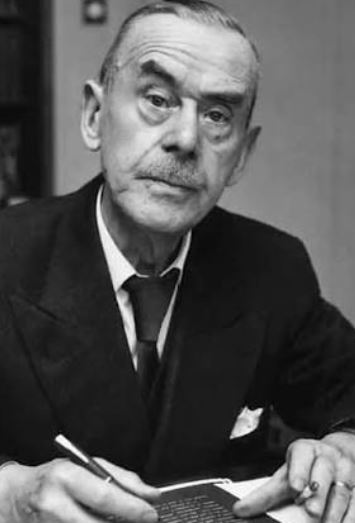
Paul Thomas Mann
 (Thomas Mann)
German literary patrician and 1929 Nobel laureate whose monumental novels—Buddenbrooks, Death in Venice, and The Magic Mountain—dissected European bourgeois decadence and who broadcast fearless anti-Nazi speeches across wartime Germany.
Paul Claudel
 (Paul Louis Charles Marie Claudel)
Monumental French Catholic poet and dramatist who served as French ambassador to Tokyo and Washington, author of the sweeping Renaissance drama Le Soulier de satin and L'Annonce faite à Marie.
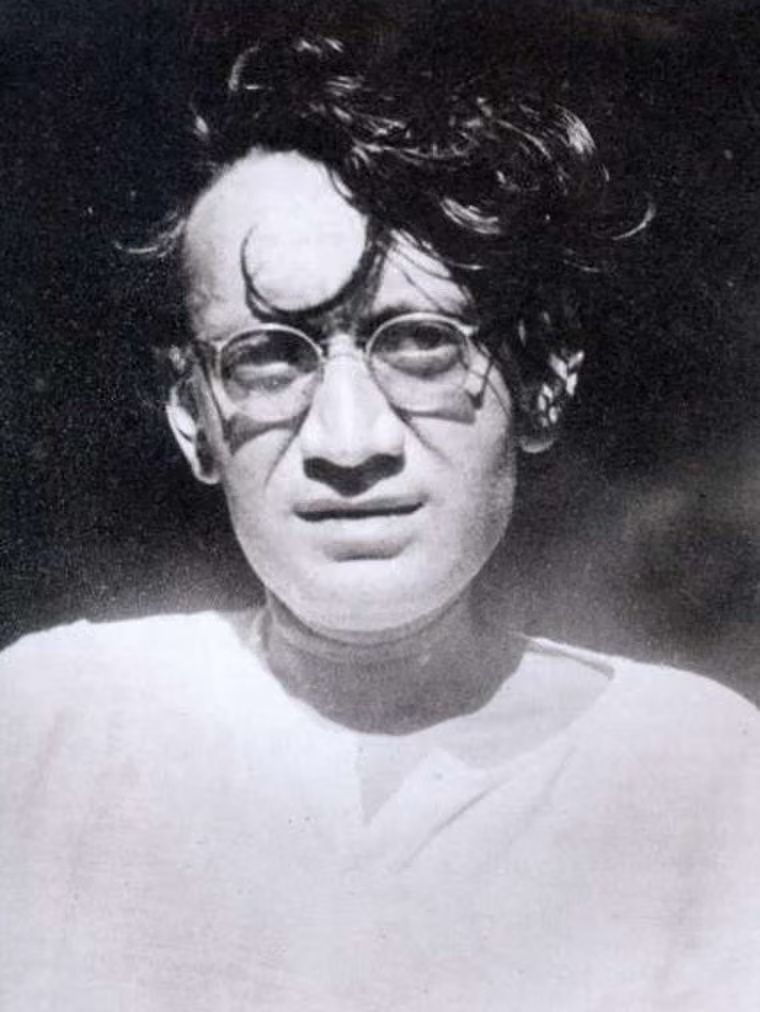
Saadat Hasan Manto
 (سعادت حسن منٹو)
Iconic Urdu short-story writer and essayist (1912–1955), author of 'Toba Tek Singh', 'Khol Do', and 'Thanda Gosht', renowned for his raw, courageous, and deeply compassionate portrayals of the human tragedy of Partition.
Frans G. Bengtsson
 (Frans Gunnar Bengtsson)
Brilliant Swedish essayist and novelist whose epic two-volume Viking saga 'The Long Ships' (Röde Orm) is celebrated worldwide as the definitive literary adventure of Norse seafaring.
Chedly Khaznadar
 (الشاذلي خزندار)
Celebrated as the 'Amir al-Shu'ara' (Prince of Poets) of Tunisia, he was the master of classical neoclassical Arabic verse who used courtly panegyric to deliver subtle anti-colonial patriotic messages.
Stig Dagerman
(Stig Halvard Dagerman)
Prodigious Swedish writer and journalist whose post-war reportage 'German Autumn' (1947) and novels 'A Burnt Child' and 'The Island of the Doomed' captured existential post-war angst.
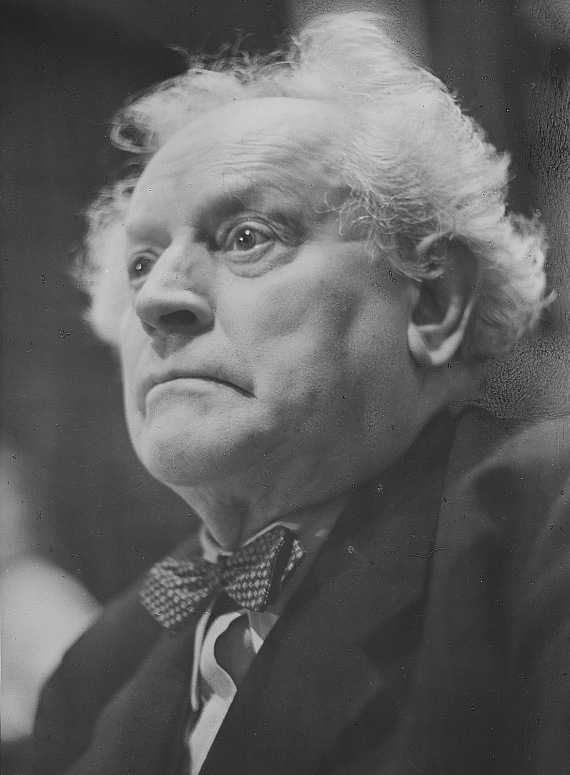
Martin Andersen Nexø
 (Martin Andersen Nexø)
Foremost Danish working-class author whose monumental epic novels Pelle the Conqueror and Ditte, Child of Man achieved worldwide acclaim for their compassionate realism.
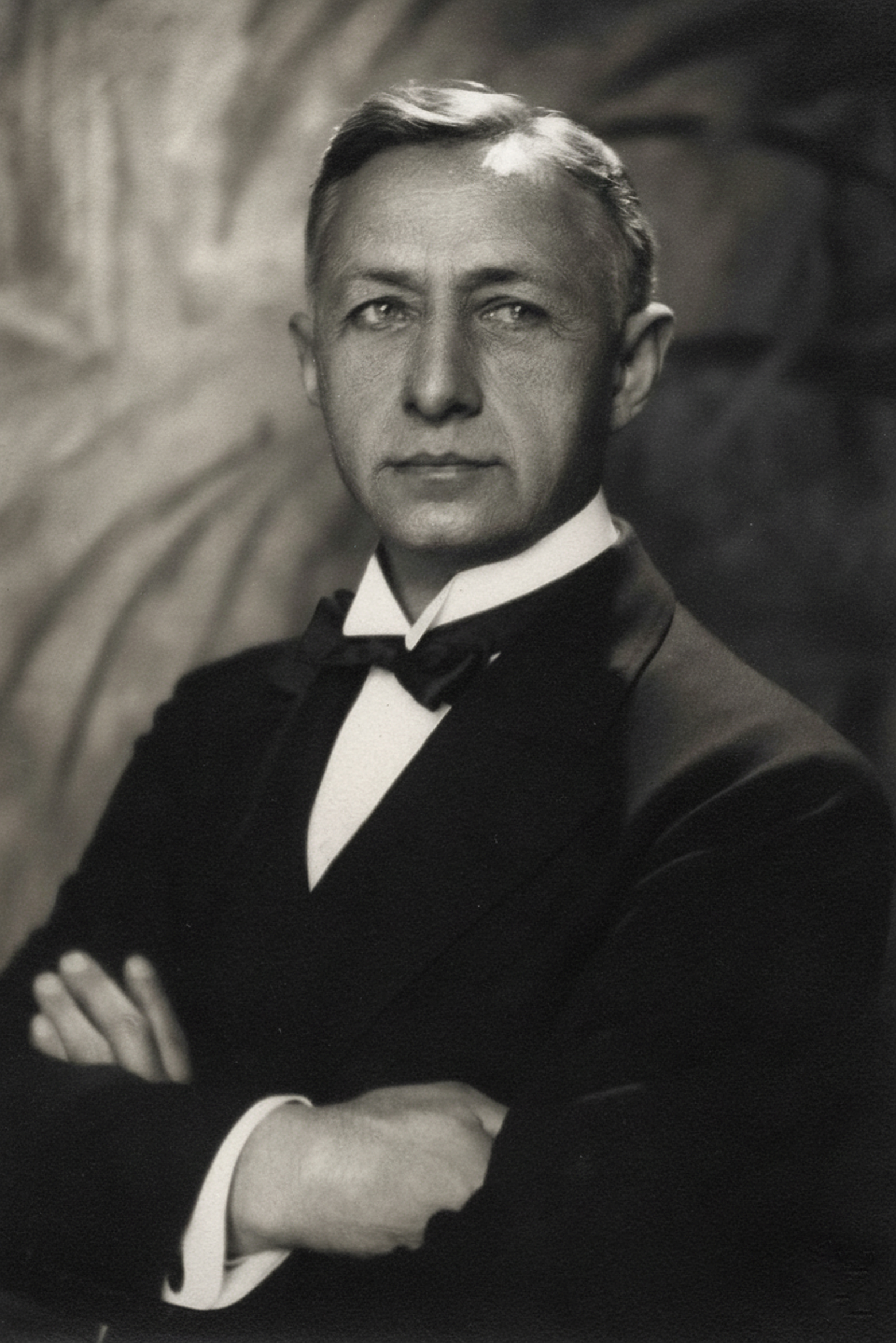
Ivan Bunin
 (Иван Алексеевич Бунин)
First Russian writer to win the Nobel Prize in Literature (1933), renowned for his classical prose style in The Gentleman from San Francisco and Dark Avenues.
Khalil al-Sakakini
 (خليل السكاكيني)
Visionary Jerusalem educator and humanist who founded the secular Dusturiyya National School and revolutionized Arabic language pedagogy.
Muhammad Kurd Ali
 (محمد كرد علي)
Pioneering Syrian scholar who founded the Arab Scientific Academy of Damascus in 1919 and authored the monumental 'Khitat al-Sham'.
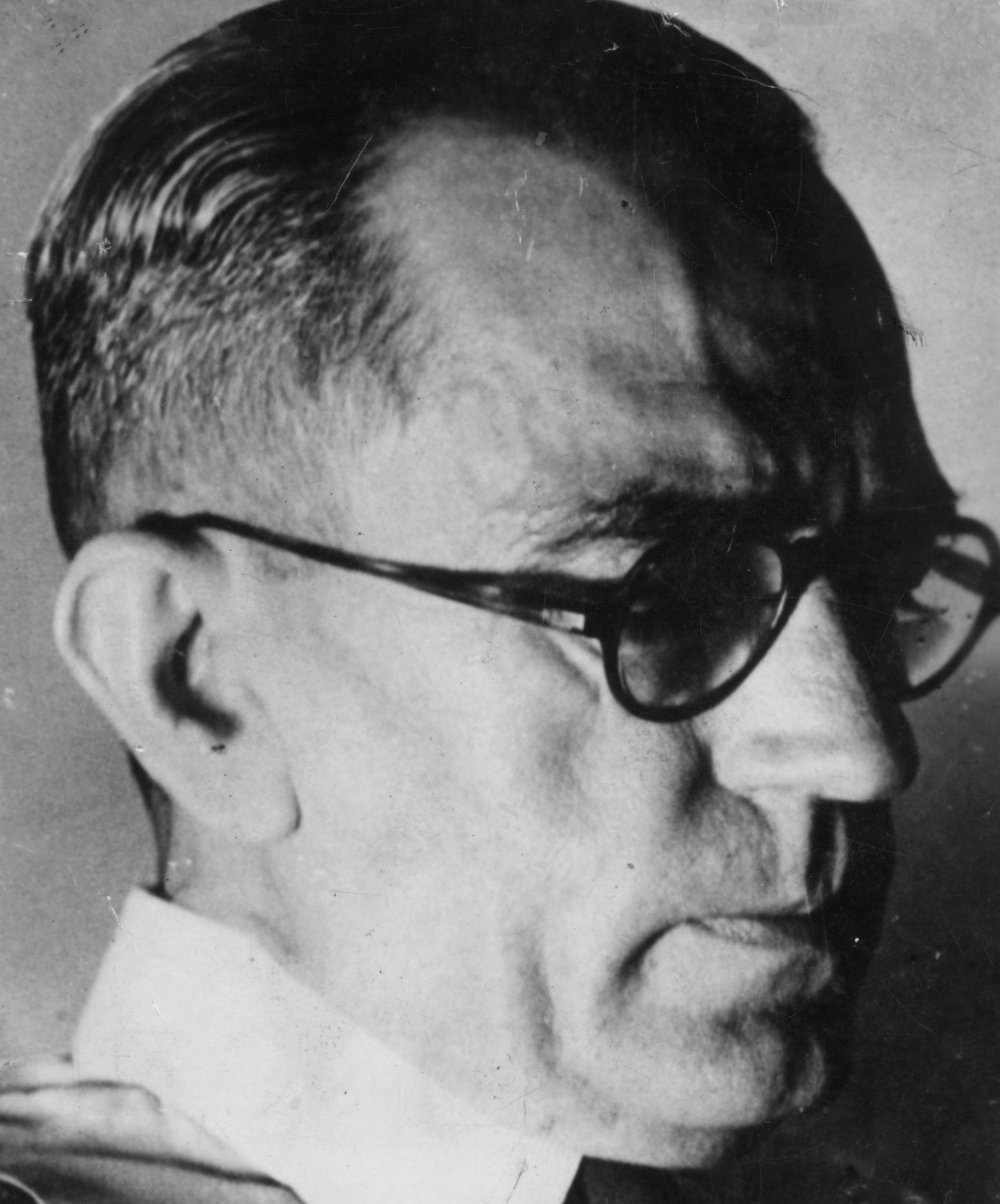
Graciliano Ramos
 (Graciliano Ramos de Oliveira)
Brazilian novelist of the 1930s Regionalist Movement, whose stark masterpiece Barren Lives captured the devastating droughts and social injustice suffered by migrants in the northeastern sertao.
Paul Éluard
(Eugène Émile Paul Grindel)
Beloved French Surrealist lyric poet whose sublime wartime poem 'Liberté' (1942) was parachuted by Royal Air Force planes in thousands of copies over occupied France, becoming the sacred hymn of the Resistance.
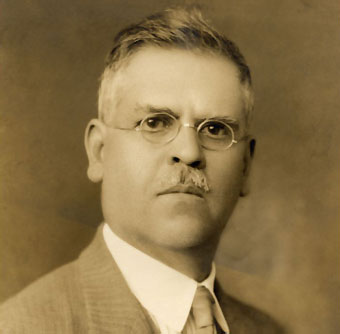
Mariano Azuela
 (Mariano Azuela González)
Mexican novelist and physician who founded the novel of the Mexican Revolution, author of the 1915 realistic classic The Underdogs (Los de abajo).
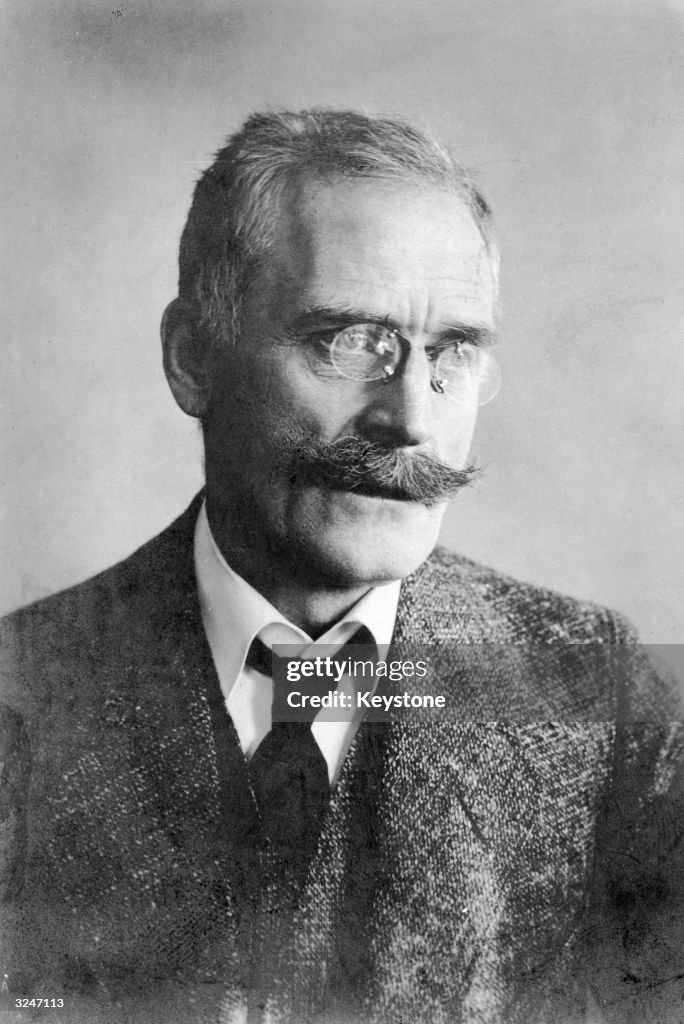
Knut Hamsun
 (Knut Hamsun)
1920 Nobel laureate in Literature whose psychological masterwork Hunger (Sult) pioneered stream of consciousness and the 20th-century modernist antihero.
Mohammad-Taqi Bahar
 (محمدتقی بهار / ملکالشعراء)
Revered 'Poet Laureate' of the Persian Constitutional Revolution, Member of Parliament, and scholar whose 'Sabk-Shenasi' founded Persian stylistic studies.
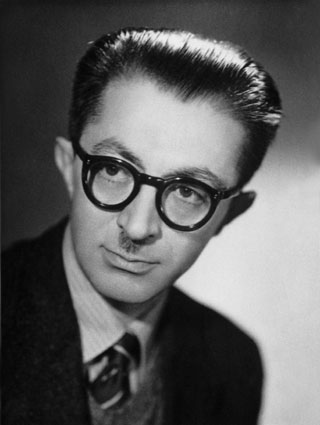
Sadegh Hedayat
(صادق هدایت)
Iranian author universally recognized as the father of modern Persian prose fiction, whose surrealist psychological masterpiece The Blind Owl is the most translated Iranian literary work in history.
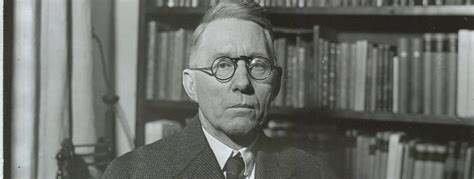
Johannes V. Jensen
(Johannes Vilhelm Jensen)
Foremost 20th-century Danish writer awarded the 1944 Nobel Prize in Literature, author of The Fall of the King, voted Denmark's greatest novel of the century.