Public Figures & Cultural Luminaries
Filterable archive covering centuries of intellectual, artistic, and moral contributions to the human story.
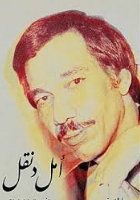
Amal Dunqul
 (أمل دنقل)
Legendary Egyptian modernist poet hailed as 'The Prince of Refusal' (Amir al-Rafd), whose stark, prophetic verses and iconic masterpiece 'Do Not Reconcile' (La Tusaleh) became the supreme poetic manifesto against political compromise and oppression.
Louis Aragon
 (Louis Aragon)
French literary titan who co-founded Surrealism with André Breton, became the legendary bard of the French Resistance with Le Crève-cœur and Les Yeux d'Elsa, and devoted his life's poetry to his muse Elsa Triolet.
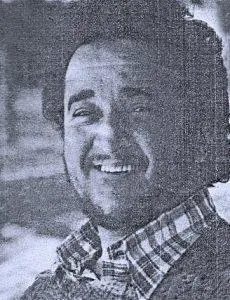
Salah Garmadi
 (صالح القرمادي)
Daring avant-garde bilingual poet, linguist, and left-wing dissident who co-founded the influential journal Perspectives and challenged traditional linguistic orthodoxies in collections like Al-Lahma al-Hayya.
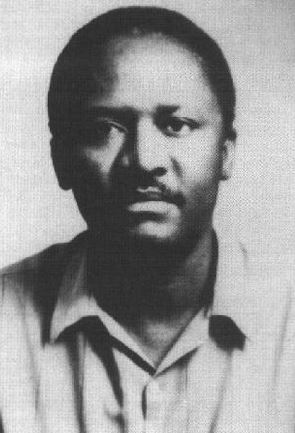
Okot p'Bitek
 (Okot p'Bitek)
Ugandan poet and anthropologist celebrated for Song of Lawino, a monumental dramatic monologue that championed traditional African indigenous culture against shallow Western mimicry.
Georges Perec
(Georges Perec)
Innovative French author and premier craftsman of the Oulipo group whose 1969 novel La Disparition was written entirely without the letter 'E', and whose 1978 monumental jigsaw masterpiece La Vie mode d'emploi won the Prix Médicis.
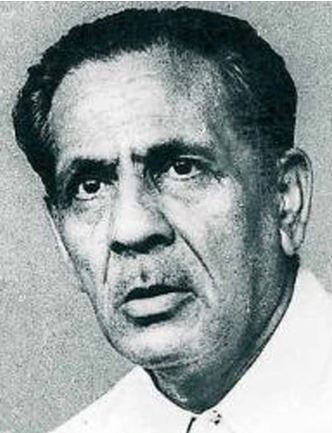
Firaq Gorakhpuri
 (फ़िराक़ गोरखपुरी)
Renowned Indian Urdu poet and intellectual who rejuvenated the classical ghazal tradition with Indian sensuality and Western romanticism, winning the Jnanpith Award in 1969.
Badawi al-Jabal
 (بدوي الجبل)
Supreme neoclassical Syrian poet of the 20th century whose majestic verse blended Sufi mysticism, erotic lyricism, and fiery patriotism.
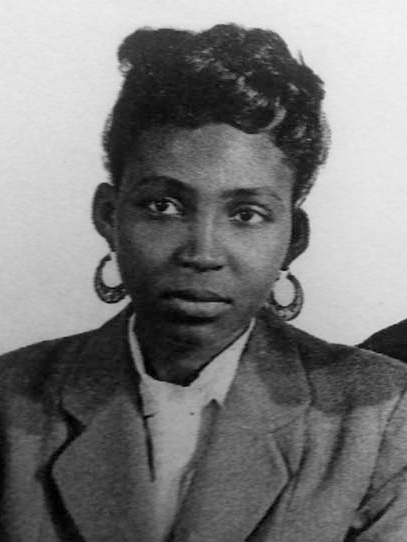
Mariama Ba
 (Mariama Bâ)
Senegalese novelist whose epistolary masterpiece So Long a Letter (Une si longue lettre) won the inaugural Noma Award, becoming the foundational feminist novel of modern Francophone Africa.
Aniceti Kitereza
 (Aniceti Kitereza)
Visionary Tanzanian novelist from Ukerewe Island who wrote 'Mr. Myombekere and His Wife Bugonoka', a colossal 1,000-page epic preserving pre-colonial Kerewe civilization.
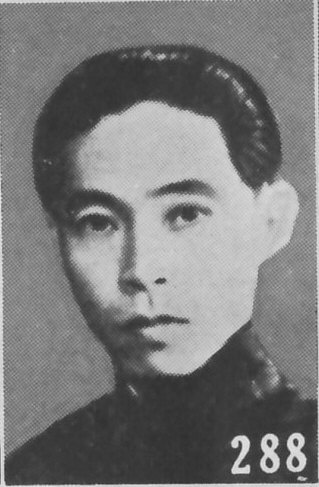
Mao Dun
 (茅盾)
Chinese novelist and social realist critic who wrote Midnight and served as modern China's first Minister of Culture, funding the prestigious Mao Dun Literature Prize.
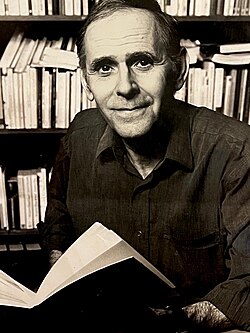
Abdelmajid Benjelloun
 (عبد المجيد بن جلون)
Pioneering Moroccan author, journalist, and diplomat whose 1957 autobiographical masterpiece 'Fi al-Tufula' (In Childhood) is recognized as the foundational cornerstone of modern Moroccan Arabic literature.
Romain Gary
 (Roman Kacew (Romain Gary))
Free French aviator, diplomat, and literary chameleon who pulled off the greatest literary hoax in French history, becoming the only author to win the Prix Goncourt twice (in 1956 as Gary, and in 1975 as Émile Ajar).
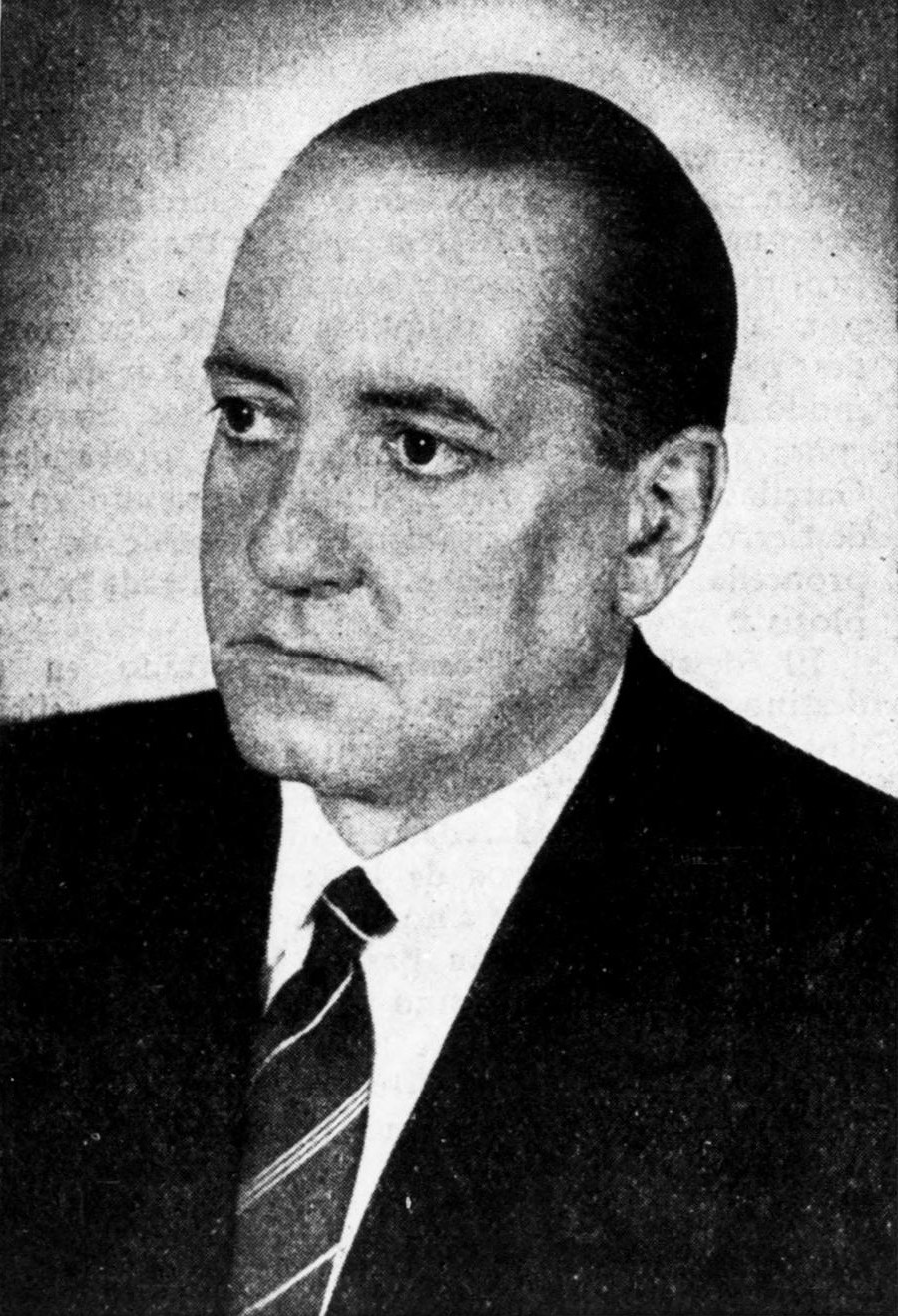
Alejo Carpentier
 (Alejo Carpentier y Valmont)
Cuban novelist and musicologist who conceptualized 'lo real maravilloso' (the marvelous real), authoring The Kingdom of This World and Explosion in a Cathedral.
Sohrab Sepehri
 (سهراب سپهری)
Cherished modern Persian poet and painter whose luminous, Zen-infused verses in 'The Water's Footfall' celebrated the sacredness of nature.
Paul Hazoumé
 (Paul Hazoume)
Eminent Beninese author and ethnologist who wrote 'Doguicimi' (1938), the monumental historical novel of the Kingdom of Dahomey crowned by the Académie Française.
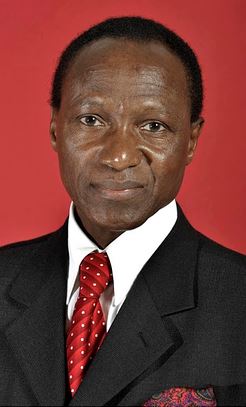
Camara Laye
 (Camara Laye)
Guinean novelist author of The African Child (L'Enfant noir) and The Radiance of the King (Le Regard du roi), pioneering classics of 20th-century Francophone African literature.
Najati Sidqi
 (نجاتي صدقي)
Prominent 20th-century Palestinian intellectual, pioneering short story writer, and anti-fascist theorist who fought in the Spanish Civil War.
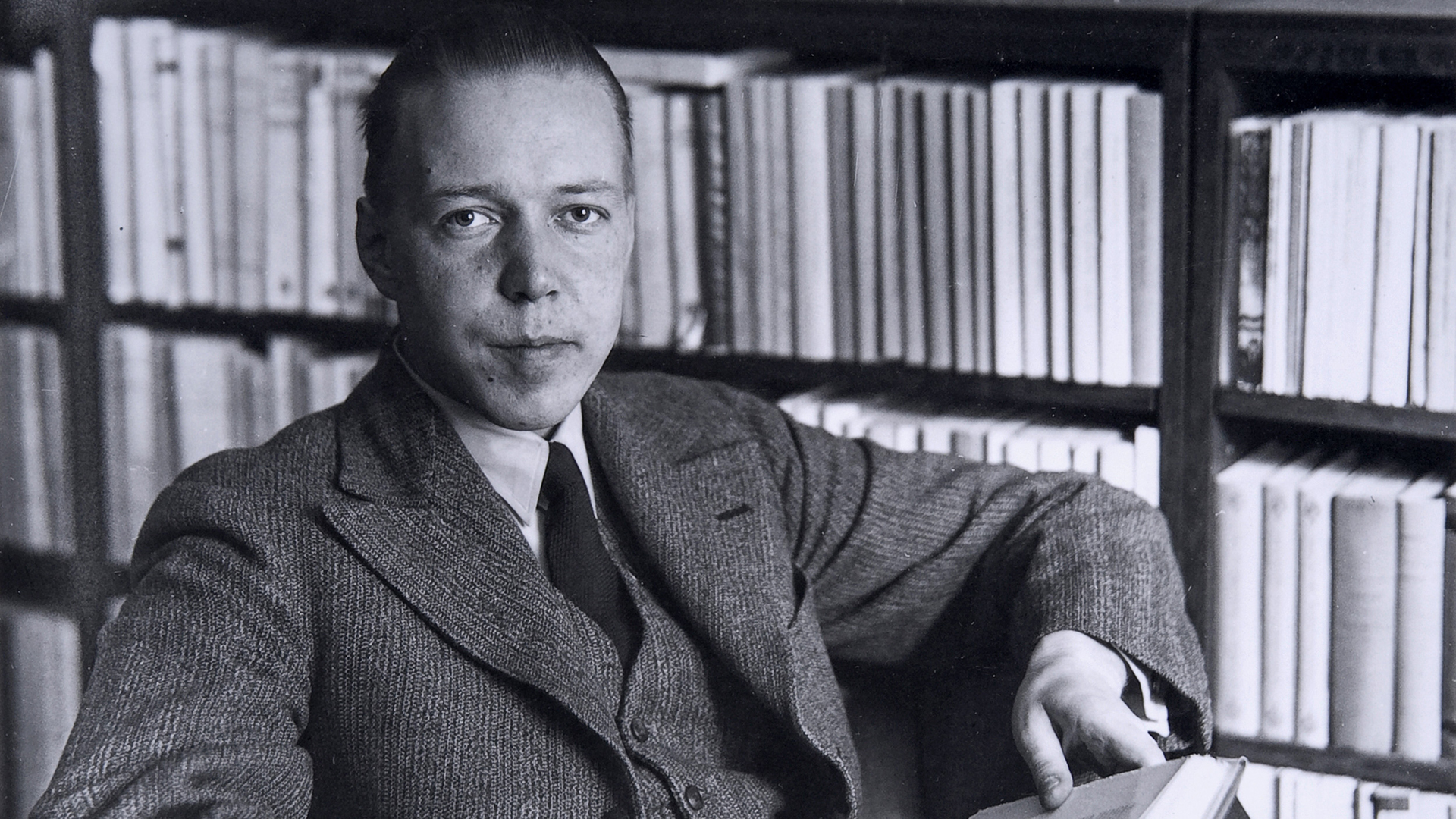
Mika Waltari
 (Mika Toimi Waltari)
Foremost 20th-century Finnish author whose sweeping historical novel Sinuhe egyptiläinen (The Egyptian, 1945) became an international literary phenomenon and Hollywood blockbuster.