Public Figures & Cultural Luminaries
Filterable archive covering centuries of intellectual, artistic, and moral contributions to the human story.
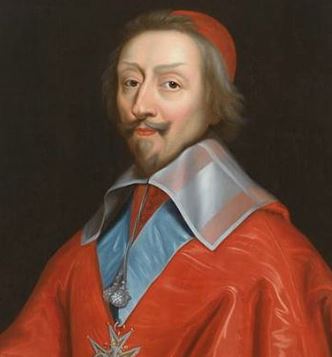
Cardinal Richelieu
 (Armand Jean du Plessis, cardinal-duc de Richelieu)
Pioneered modern realpolitik and centralized administrative statecraft, breaking Habsburg hegemony in Europe during the Thirty Years' War.
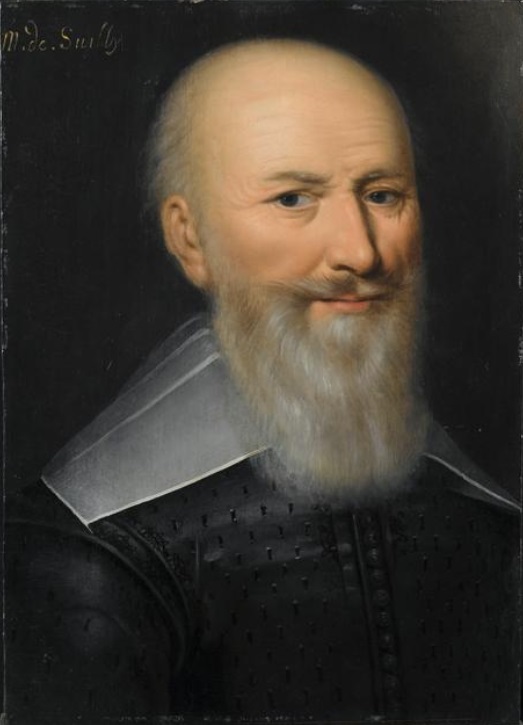
Maximilien de Béthune, Duke of Sully
(Maximilien de Béthune, duc de Sully)
Trusted Huguenot chief minister to King Henry IV who restored French royal finances, modernized agriculture and infrastructure, and coined 'Labourage et pâturage sont les deux mamelles de la France'.
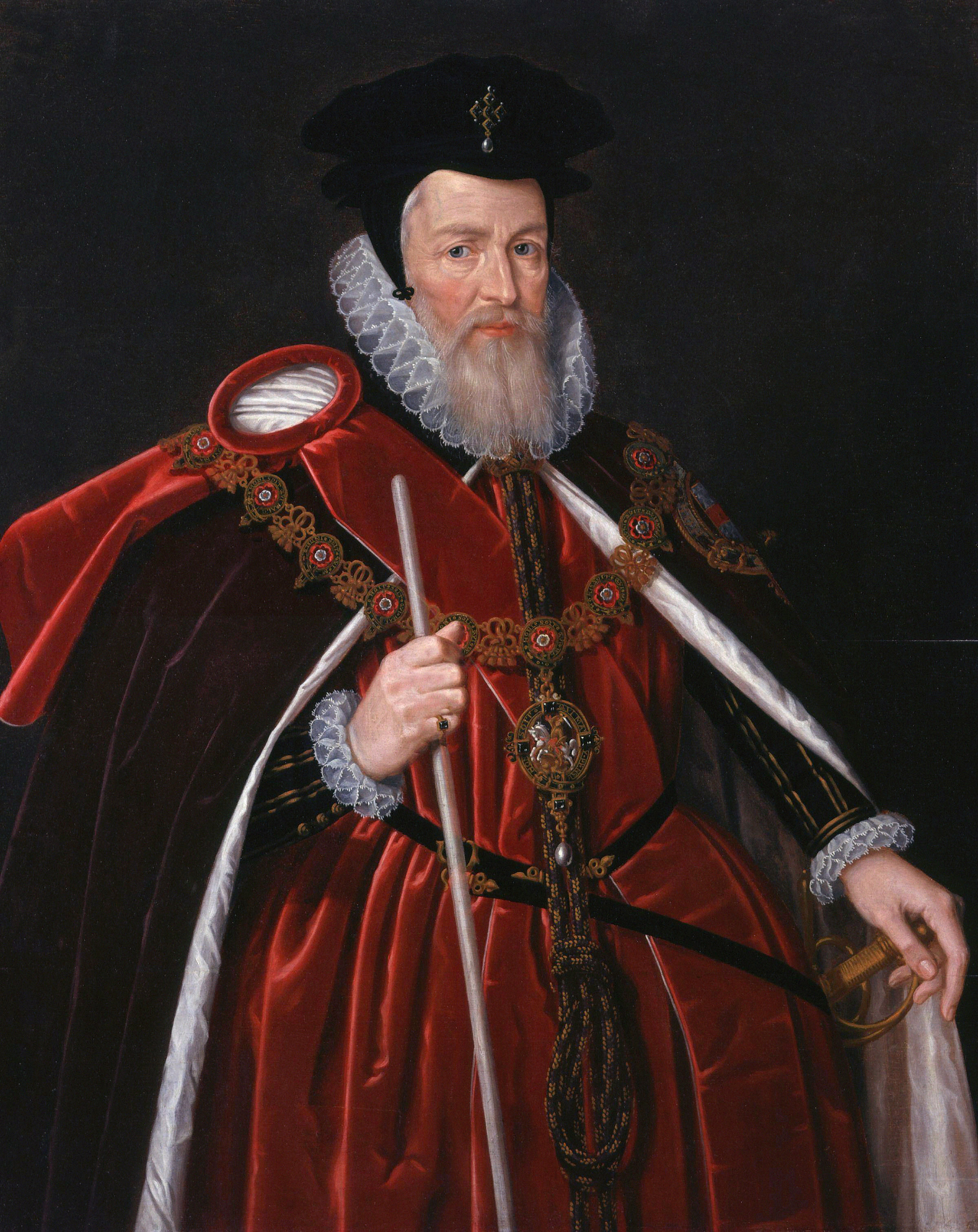
William Cecil, 1st Baron Burghley
 (William Cecil, 1st Baron Burghley)
Chief advisor and Lord High Treasurer to Queen Elizabeth I for forty years, masterminding Elizabethan religious settlement, fiscal stability, and national defense.
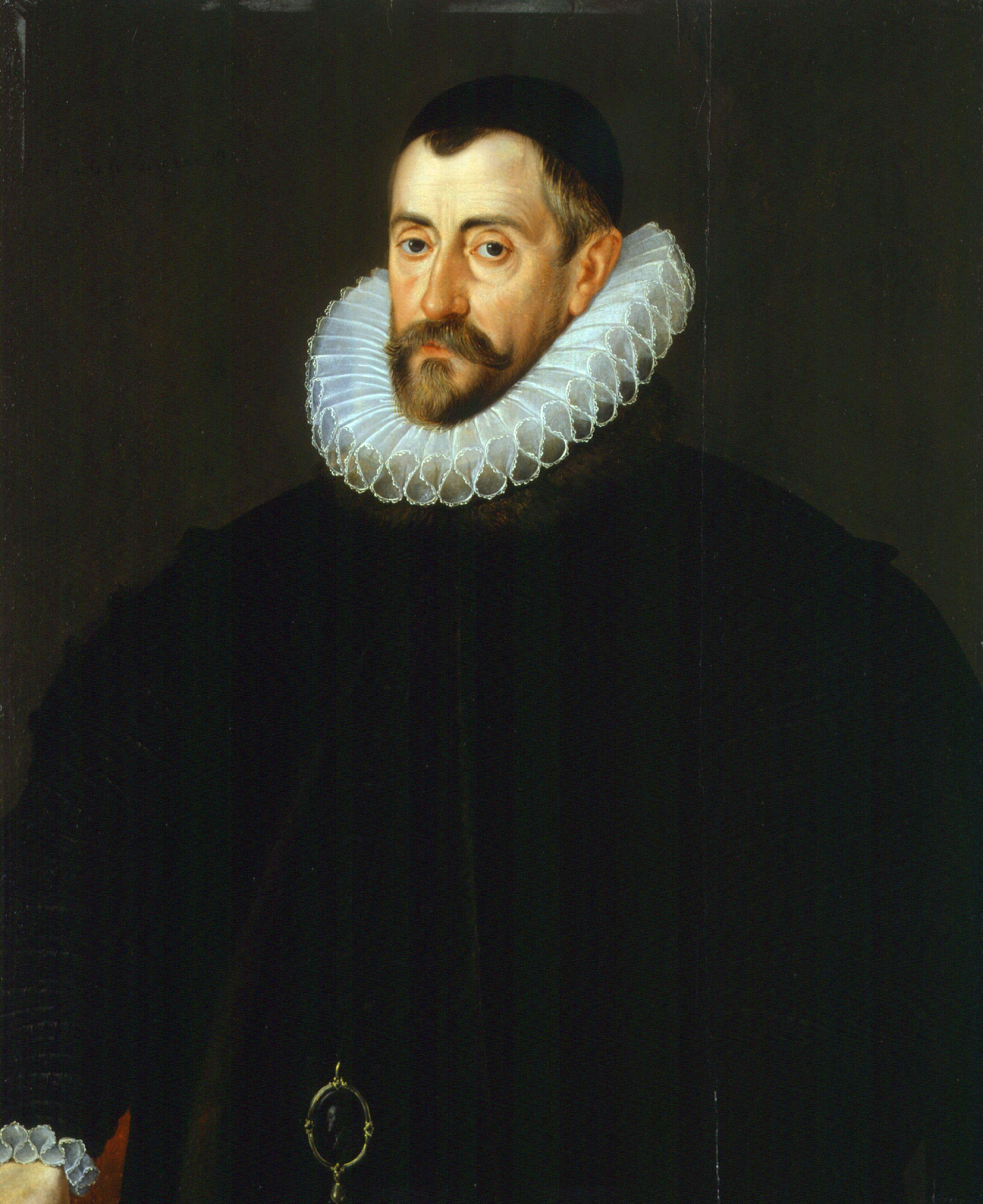
Sir Francis Walsingham
(Sir Francis Walsingham)
Elizabeth I's ruthless Principal Secretary and 'Spymaster', who built Europe's first modern intelligence network and exposed the Babington Plot to save the Queen.
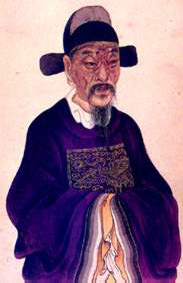
Hai Rui
 (海瑞)
(海瑞)
Legendary Ming dynasty official from Hainan renowned for uncompromising honesty, land reforms protecting peasants, and submitting his coffin memorial to the Jiajing Emperor.
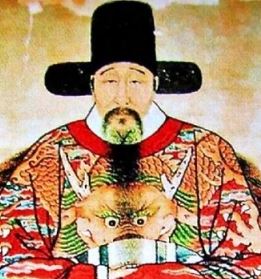
Zhang Juzheng
(張居正)
Greatest statesman of the Ming Dynasty; instituted the 'Single Whip Law' (Yitiao Bianfa) simplifying all taxes into single silver payments and restored Ming fiscal solvency.
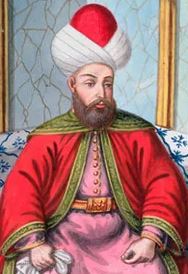
Sokollu Mehmed Pasha
 (Mehmed-paša Sokolović)
De facto ruler during the Ottoman Golden Age whose exceptional administrative mastery preserved imperial strength through dynastic transitions.
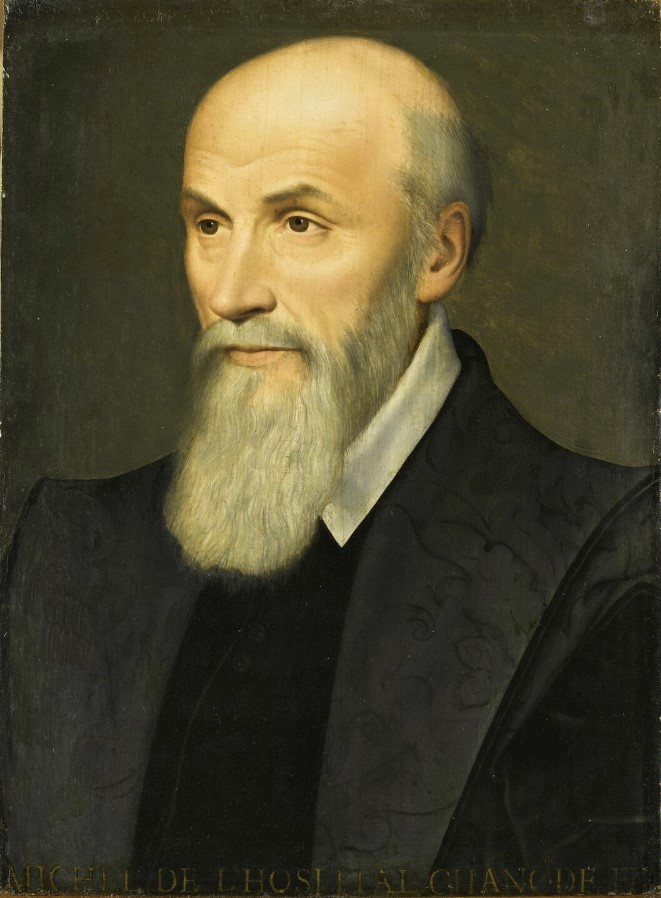
Michel de L'Hôpital
(Michel de L'Hôpital)
Chancellor of France and humanist statesman who pioneered modern religious toleration and judicial reform in the Edict of Saint-Germain.
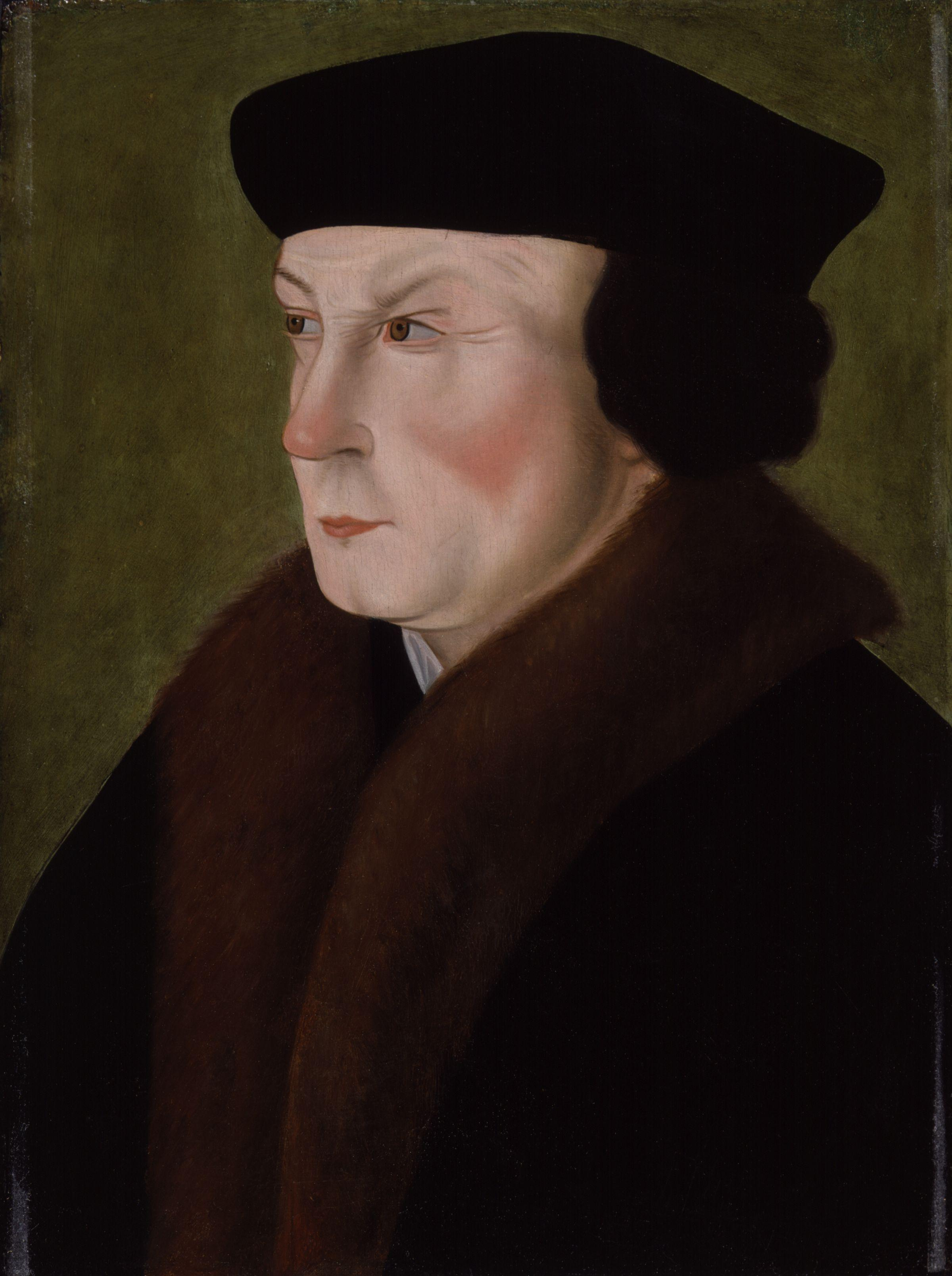
Thomas Cromwell, 1st Earl of Essex
(Thomas Cromwell)
Chief minister to King Henry VIII who orchestrated the English Reformation, established Royal Supremacy over the Church, and dissolved the monasteries.
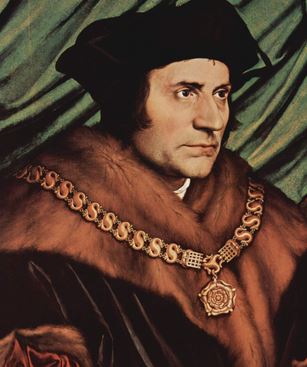
Thomas More
(Sir Thomas More)
Universal exemplar of intellectual integrity and moral conscience standing firm against autocratic state tyranny; coined the term 'Utopia'.
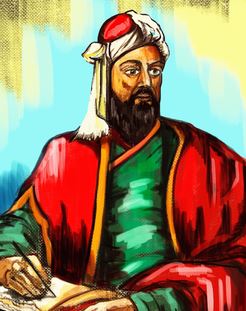
Nizam al-Mulk
 (Abu Ali Hasan ibn Ali Tusi)
Pinnacle of medieval Islamic statecraft and institutional administration; built the educational foundations that fostered minds like Al-Ghazali.
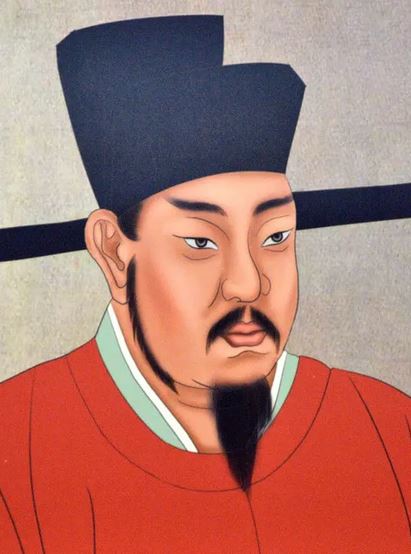
Wang Anshi
(王安石)
Pioneered welfare-state economics and proto-monetary market regulation nearly a millennium ahead of modern Western state planning.
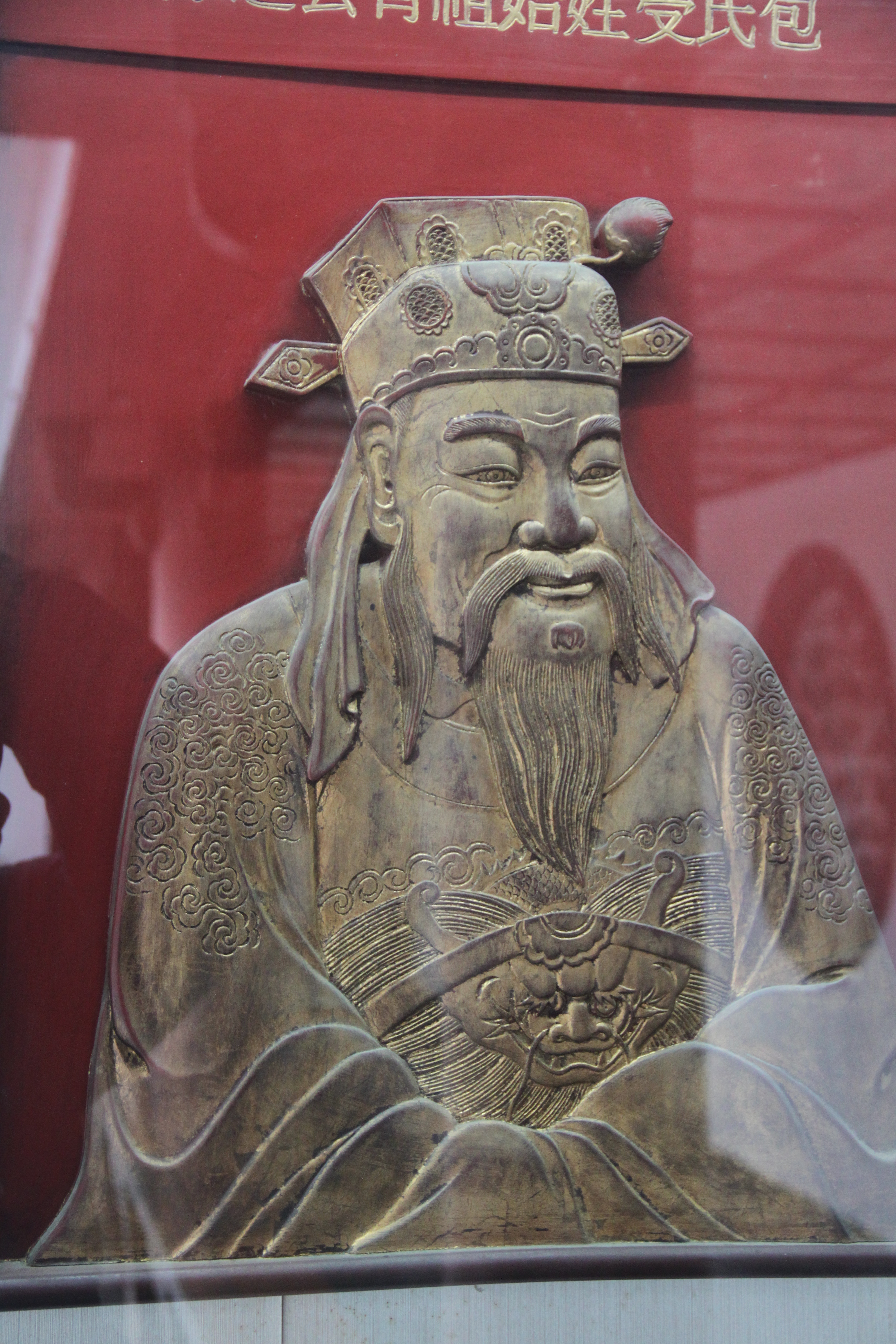
Bao Zheng
(包拯)
Legendary Song dynasty magistrate and prefect of Kaifeng celebrated across Chinese history as 'Justice Bao' (Bao Qingtian), the symbol of absolute judicial incorruptibility.
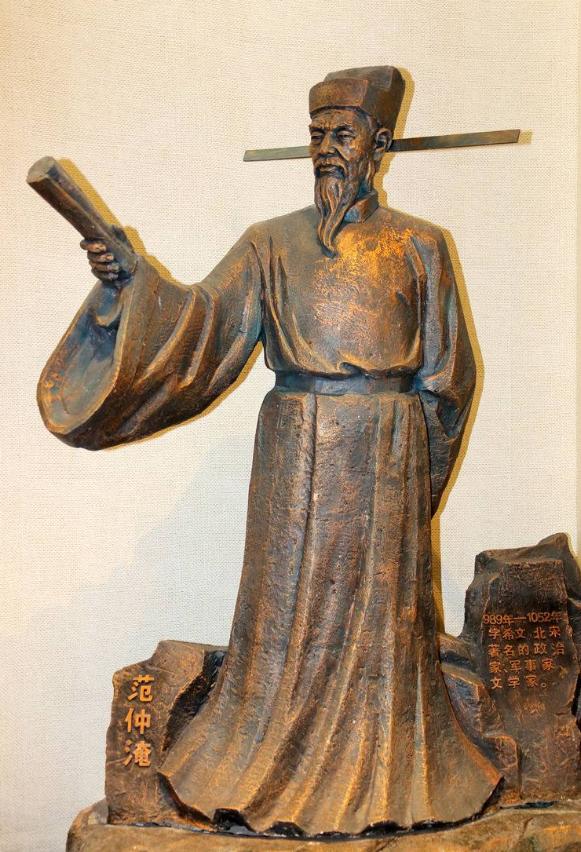
Fan Zhongyan
(范仲淹)
Song dynasty Chancellor, scholar, and general who instituted the Qingli Reforms and wrote the immortal motto: 'Be the first to grieve the cares of the realm, and the last to enjoy its pleasures'.
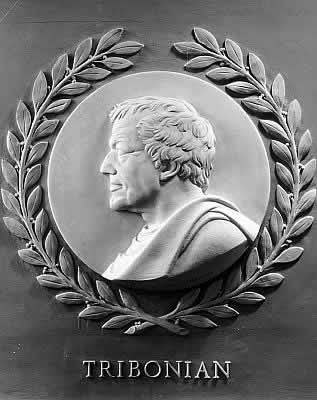
Tribonian
 (Τριβωνιανός)
Master Byzantine jurist and quaestor under Emperor Justinian I who directed the codification of Roman law into the Corpus Juris Civilis, the bedrock of modern civil law.
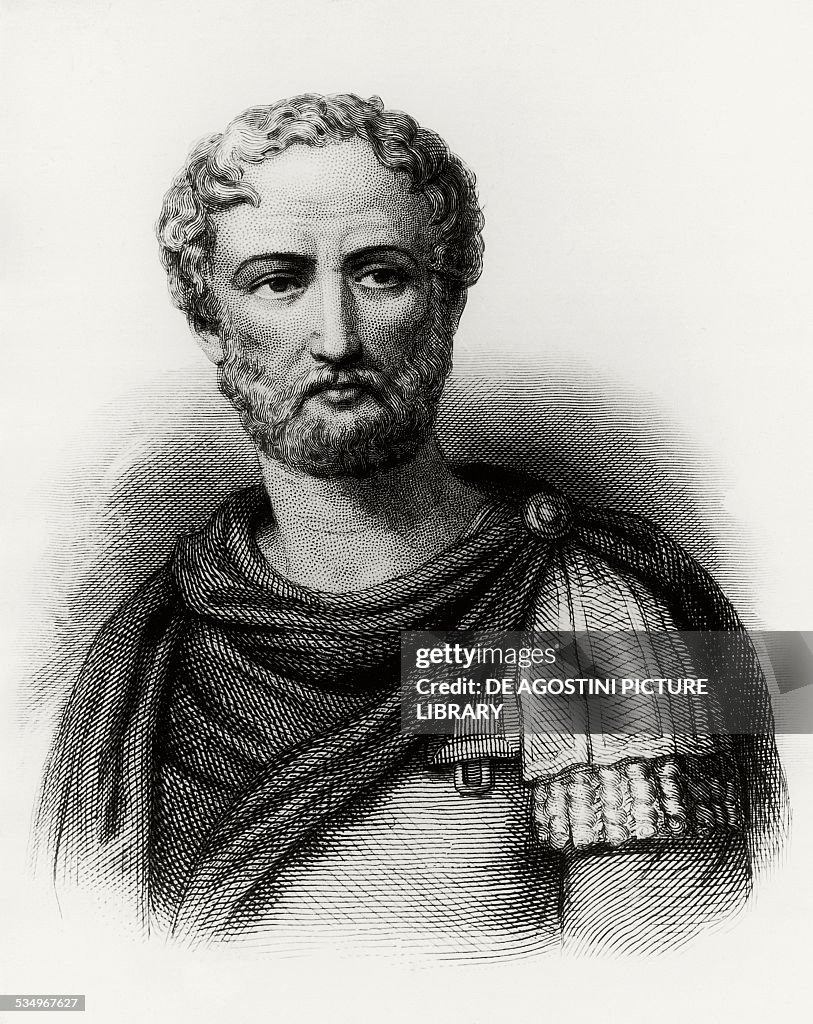
Pliny the Younger
 (Gaius Plinius Caecilius Secundus)
Roman lawyer, senator, and magistrate under Trajan whose preserved Epistulae provide an invaluable record of the eruption of Vesuvius and early Christian communities.
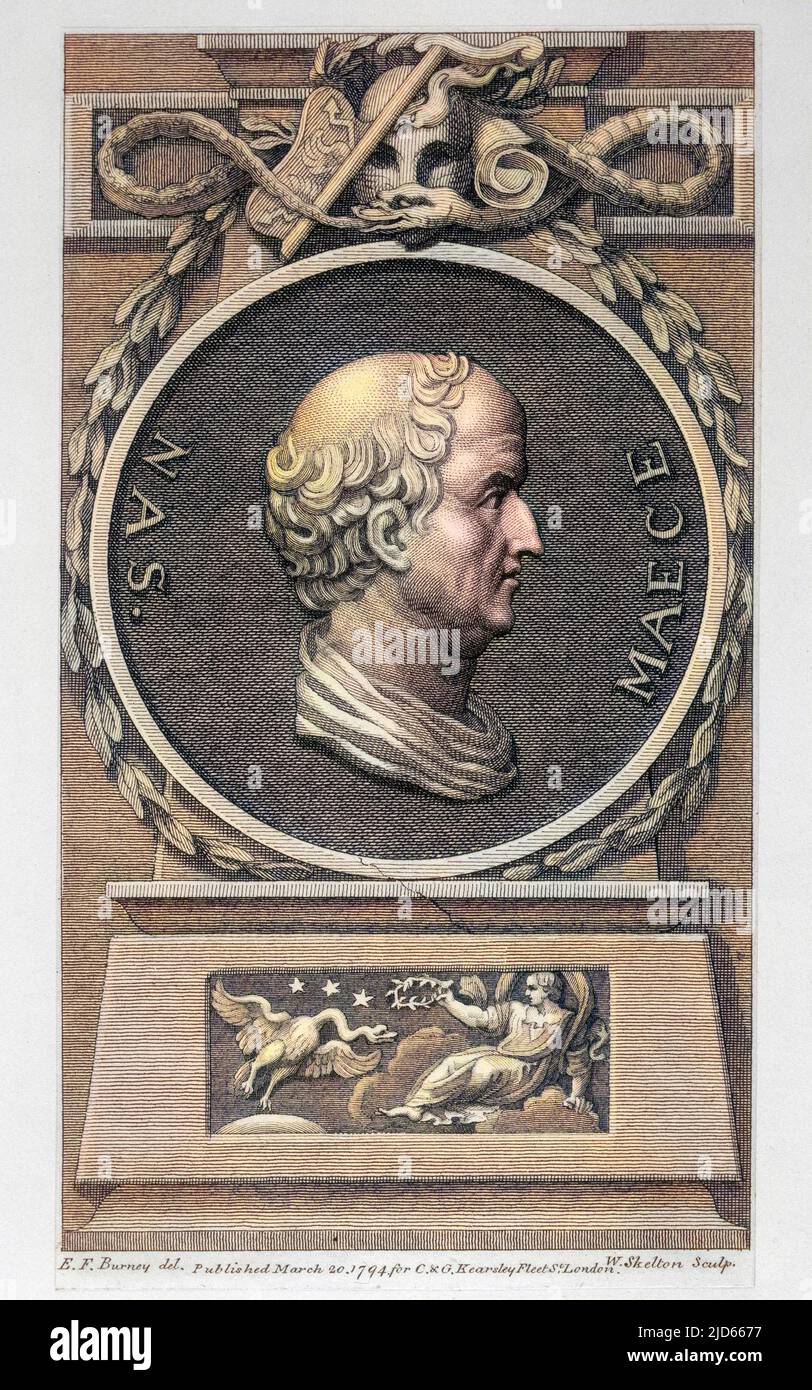
Gaius Cilnius Maecenas
(Gaius Cilnius Maecenas)
Trusted political advisor and diplomat to Emperor Augustus whose enlightened cultural patronage of Virgil and Horace permanently made his name synonymous with artistic patronage.
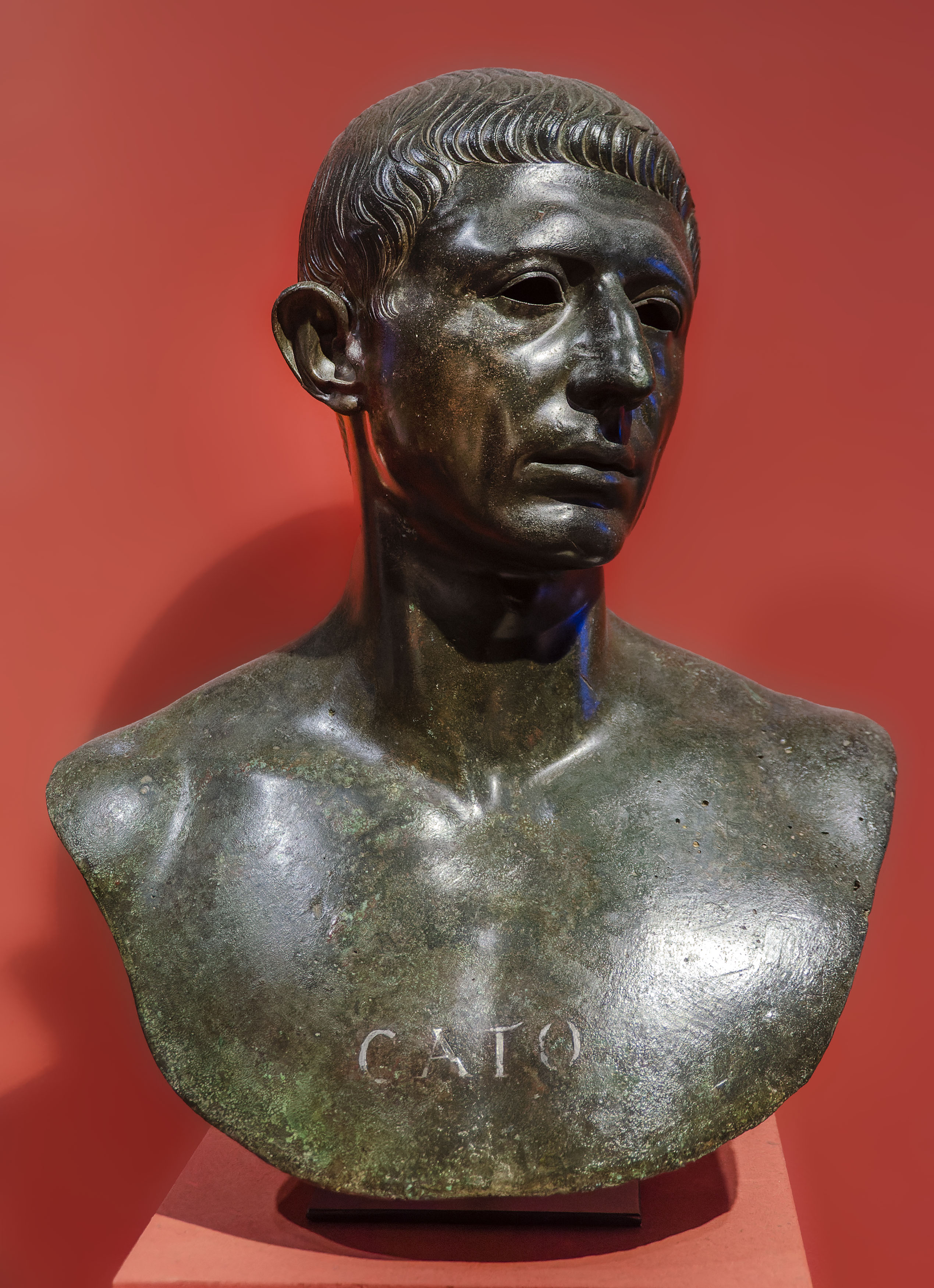
Marcus Porcius Cato Uticensis
(Marcus Porcius Cato Uticensis)
Incorruptible Roman Stoic statesman and senator who led the constitutional defense of the Republic against Julius Caesar, choosing suicide at Utica over servitude.