Public Figures & Cultural Luminaries
Filterable archive covering centuries of intellectual, artistic, and moral contributions to the human story.
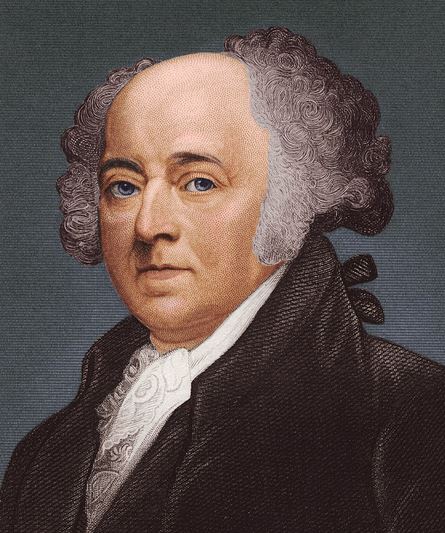
John Adams
 (John Adams)
Primary architect of constitutional government and republicanism; author of the Massachusetts Constitution (1780), the world's oldest continuously operating written constitution.
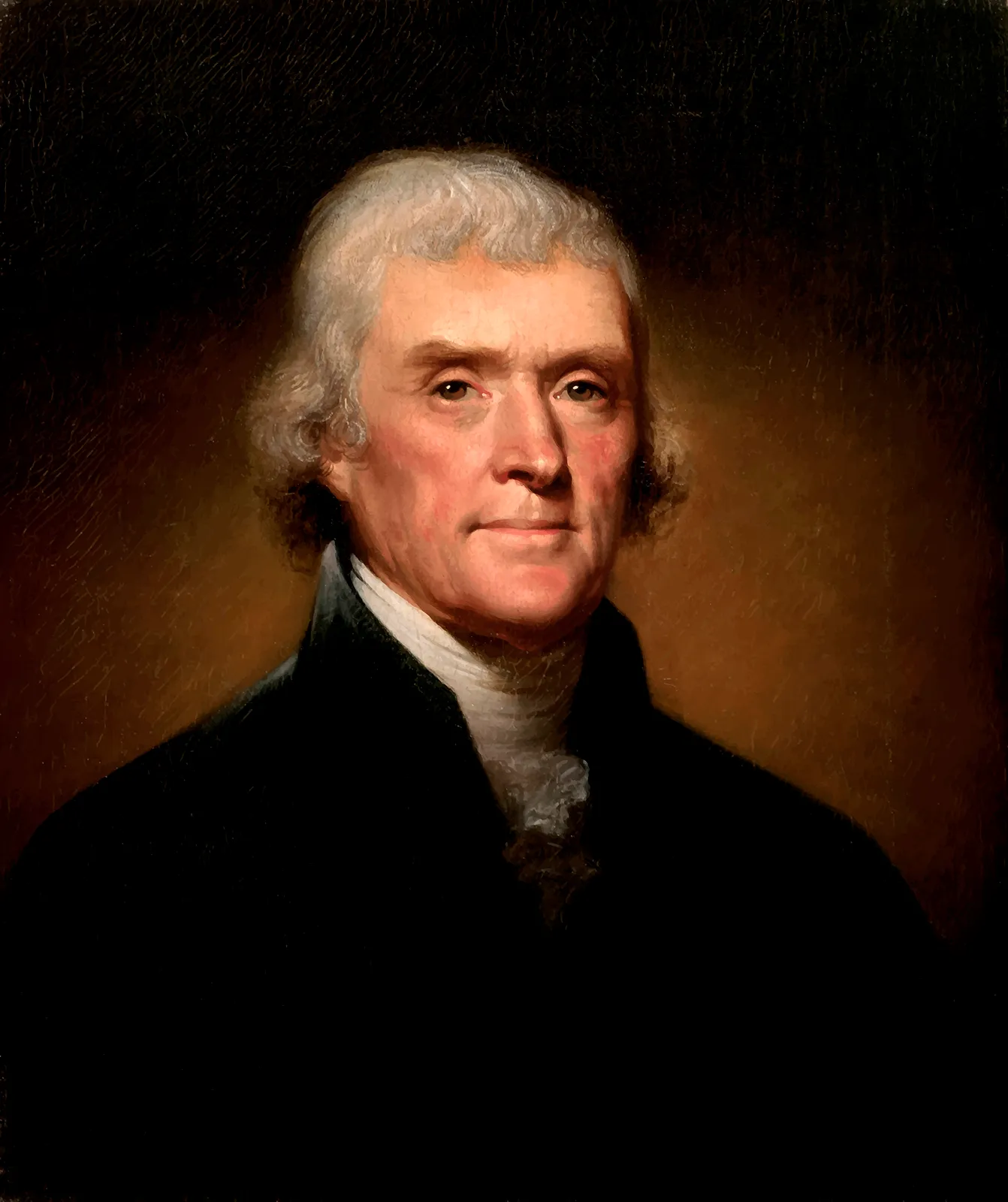
Thomas Jefferson
(Thomas Jefferson)
Articulated foundational concepts of individual liberty, republicanism, and religious freedom in seminal founding documents.
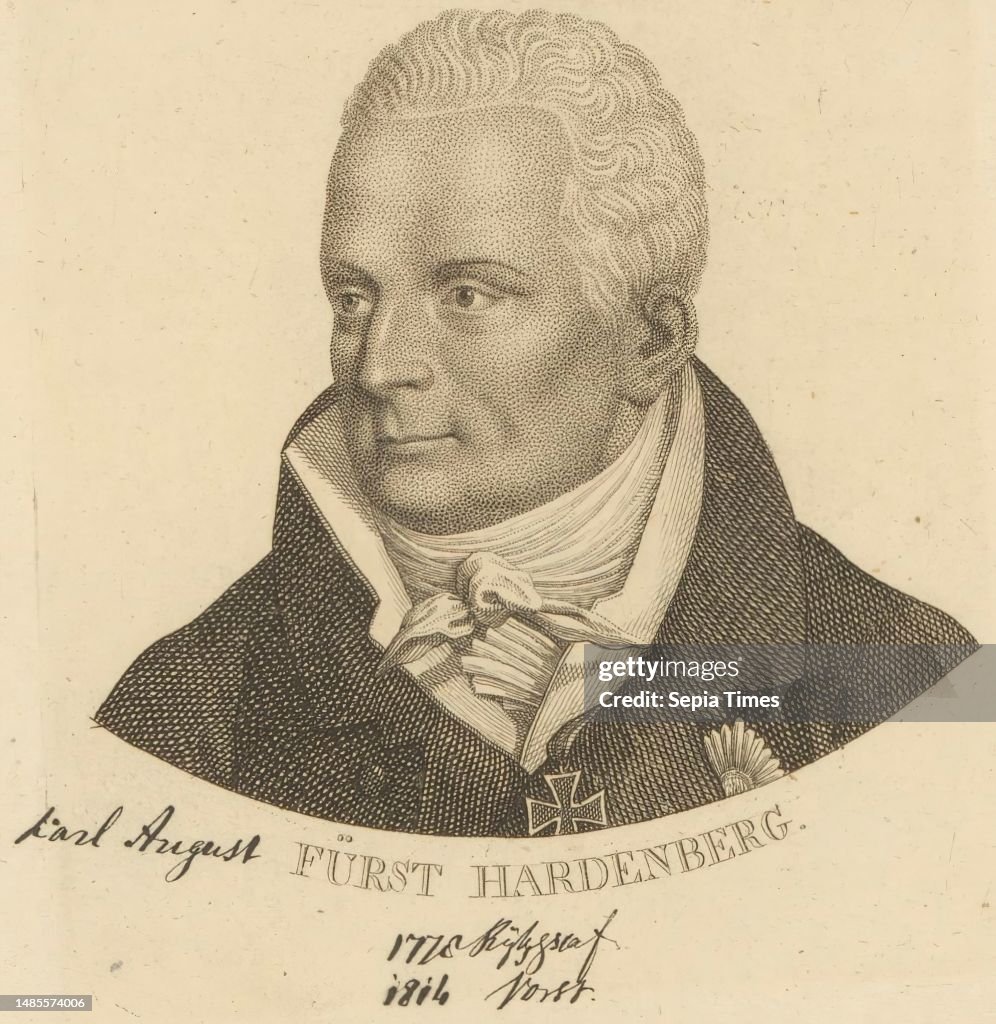
Karl August von Hardenberg
 (Karl August Fürst von Hardenberg)
Prussian Chancellor who modernized the Prussian state through the Stein-Hardenberg Reforms, emancipated Jewish citizens, and represented Prussia at the Congress of Vienna.
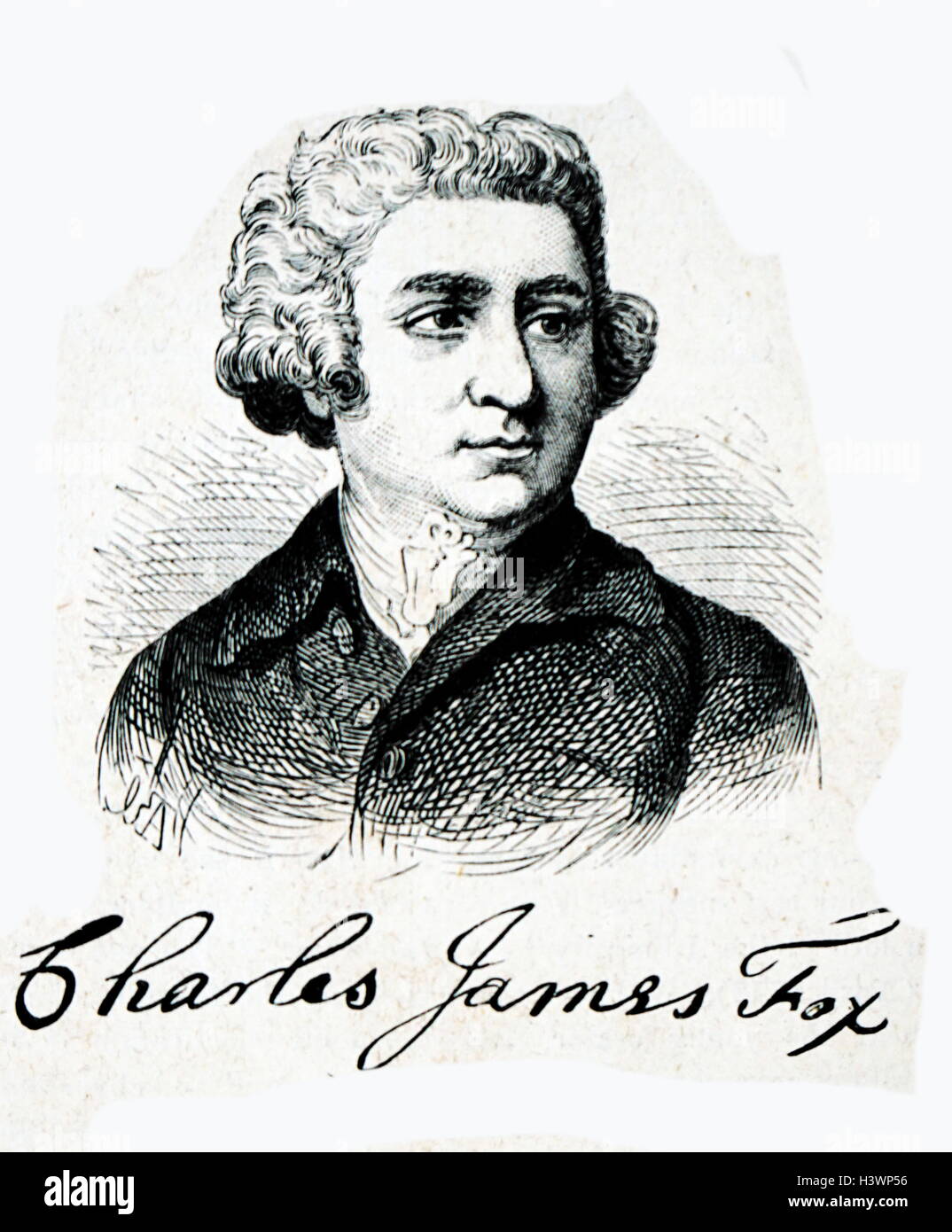
Charles James Fox
 (Charles James Fox)
Formidable British Whig parliamentary orator and champion of civil liberty who supported American independence, opposed royal tyranny, and secured the abolition of the slave trade.
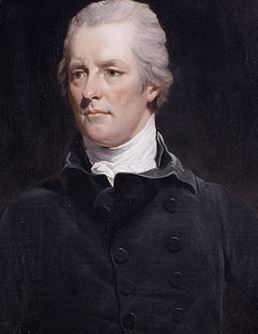
William Pitt the Younger
(William Pitt)
Established the institutional independence of the British Prime Minister and sustained national resilience against Napoleonic Europe.
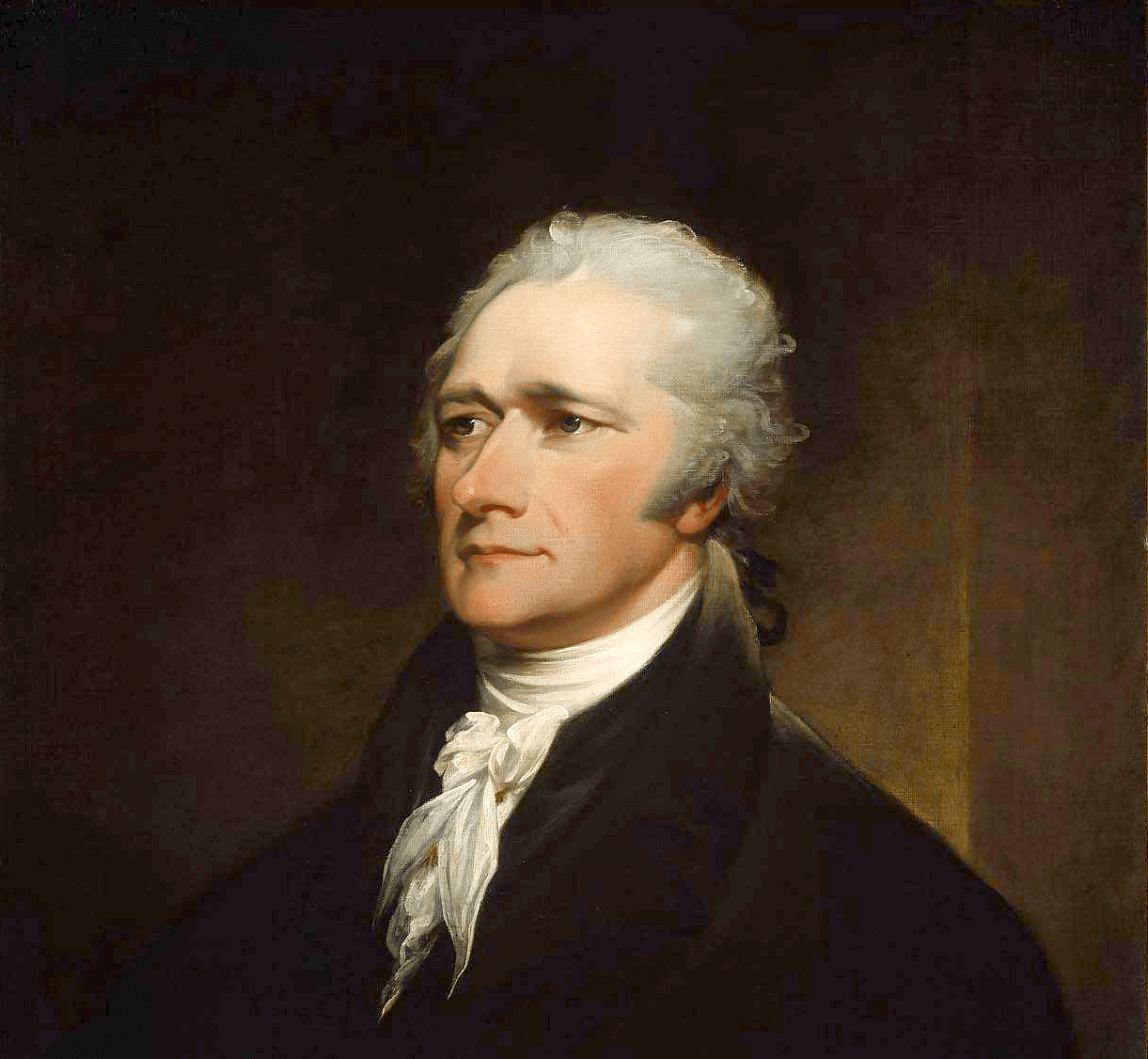
Alexander Hamilton
 (Alexander Hamilton)
Laid the institutional and financial foundations of the American economic powerhouse through federal credit, banking, and manufacturing policies.
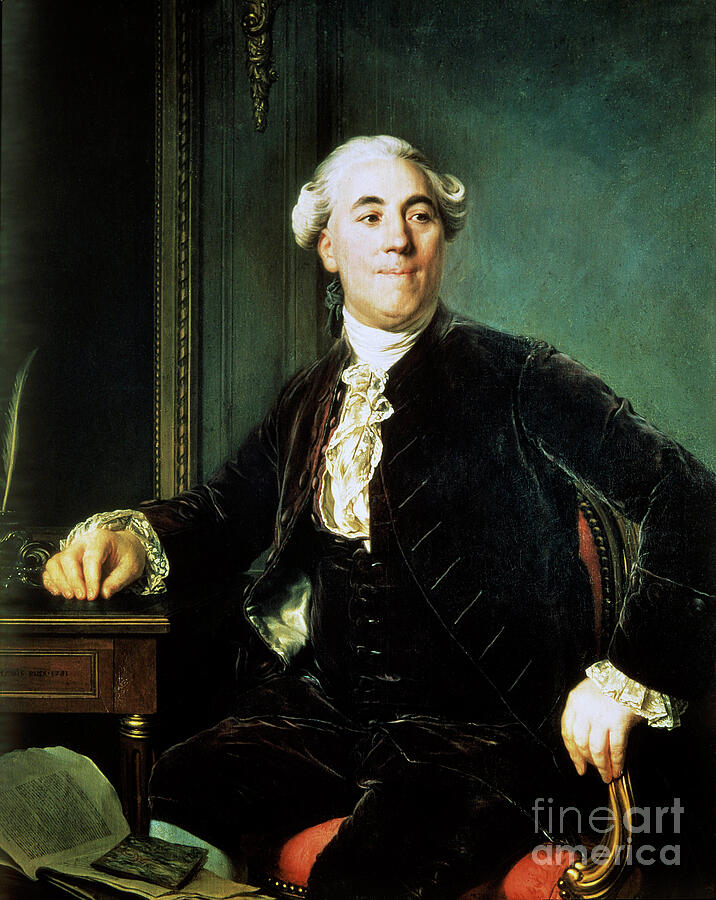
Jacques Necker
 (Jacques Necker)
Genevan banker and French Finance Minister under Louis XVI whose Compte rendu au roi revealed royal finances and whose dismissal sparked the Storming of the Bastille.
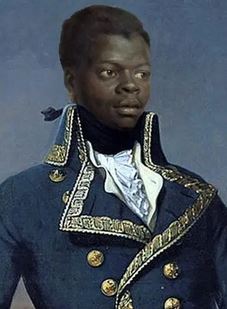
Toussaint Louverture
 (François-Dominique Toussaint Louverture)
Father of Haiti; led the only successful slave revolt in world history that created a sovereign nation founded on universal human emancipation.
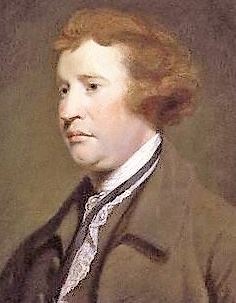
Edmund Burke
 (Edmund Burke)
Formulated the foundational principles of representative democracy, parliamentary conscience, and gradualist political change rooted in historical tradition.
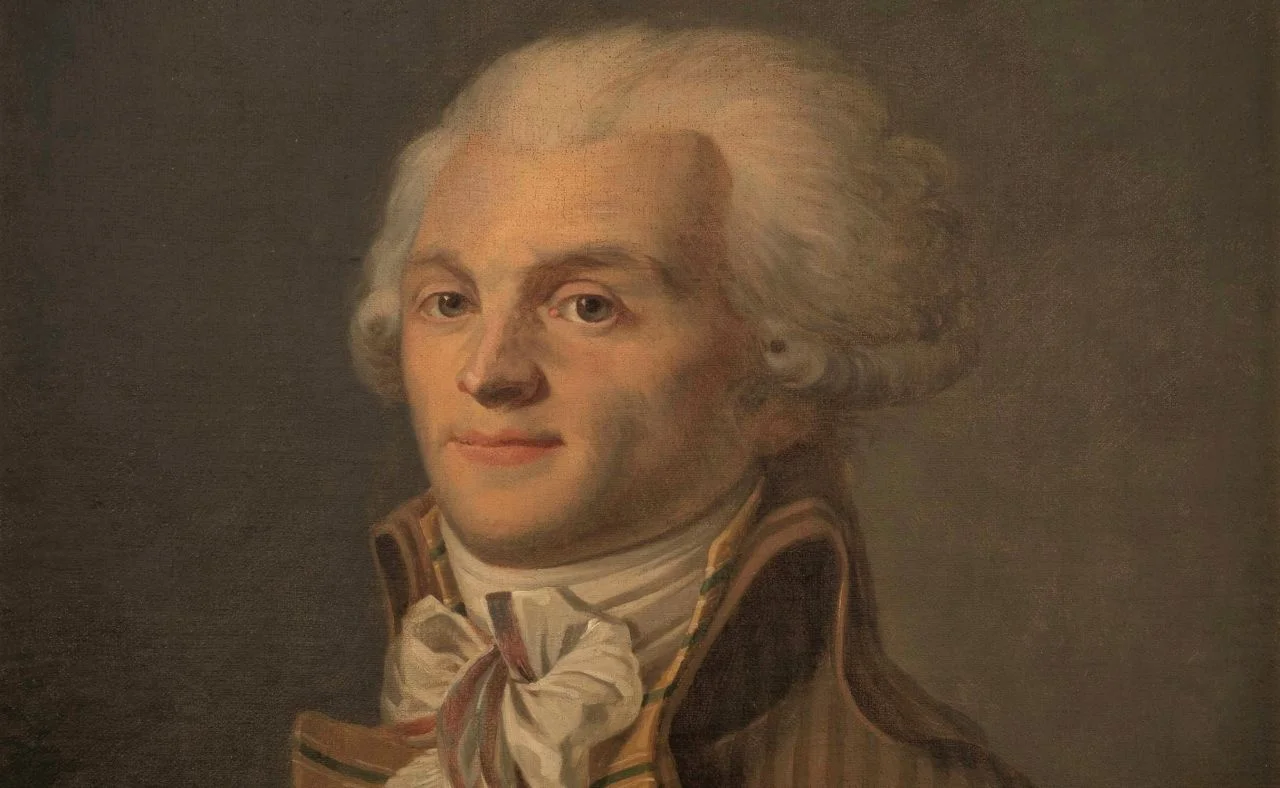
Maximilien de Robespierre
 (Maximilien François Marie Isidore de Robespierre)
Leading architect of the French Revolution and leader of the Jacobins known as 'The Incorruptible', who spearheaded the Reign of Terror and the Republic of Virtue.
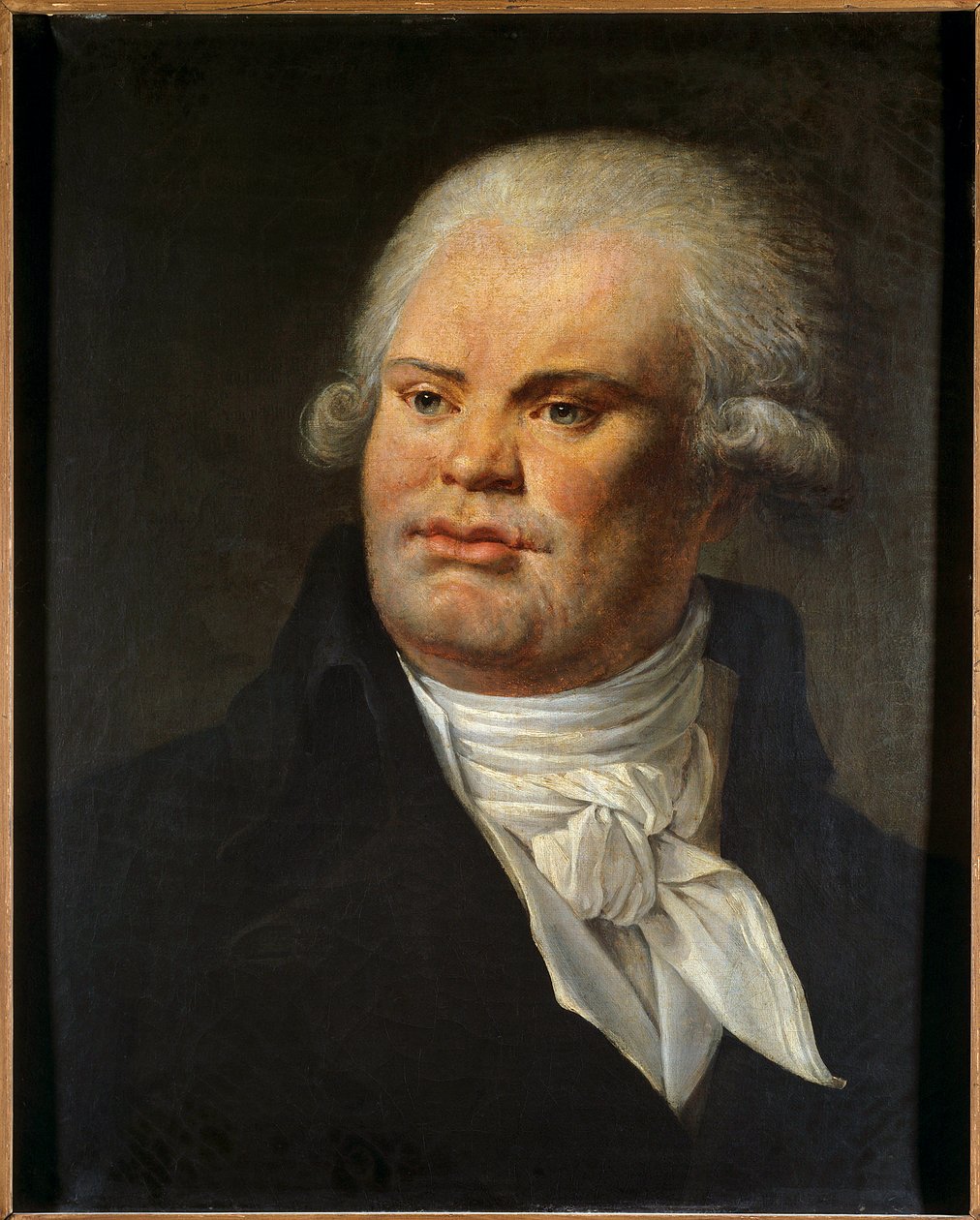
Georges Danton
(Georges Jacques Danton)
Thunderous orator and founding father of the French First Republic who mobilized national defense with 'Audacity, more audacity, always audacity' before being guillotined during the Terror.
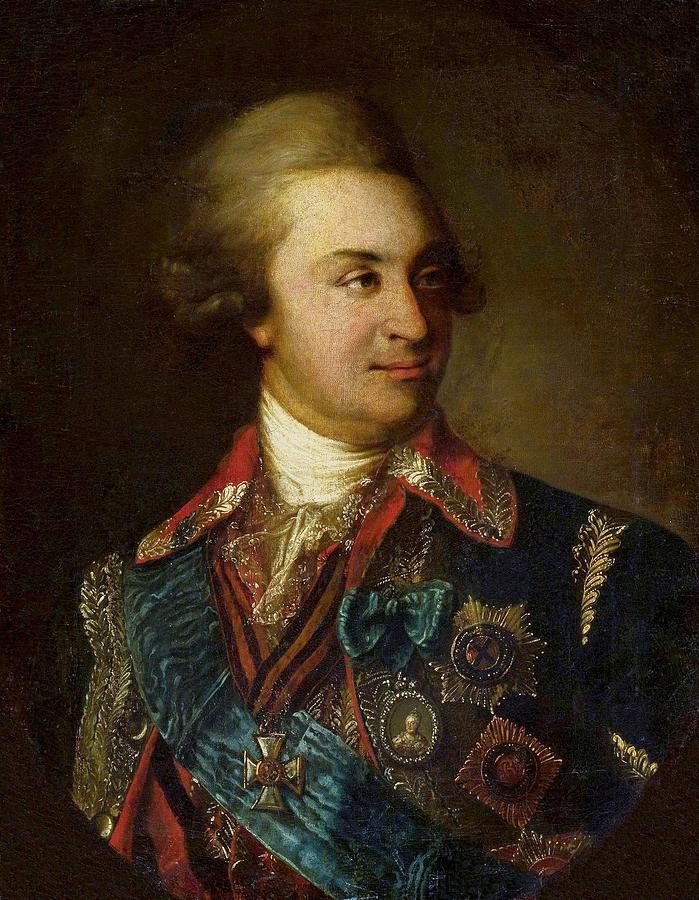
Prince Grigory Aleksandrovich Potemkin
 (Григорий Александрович Потёмкин-Таврический)
Russian military leader, statesman, and favorite of Catherine the Great who annexed Crimea, founded Sevastopol and the Black Sea Fleet, and developed Novorossiya.
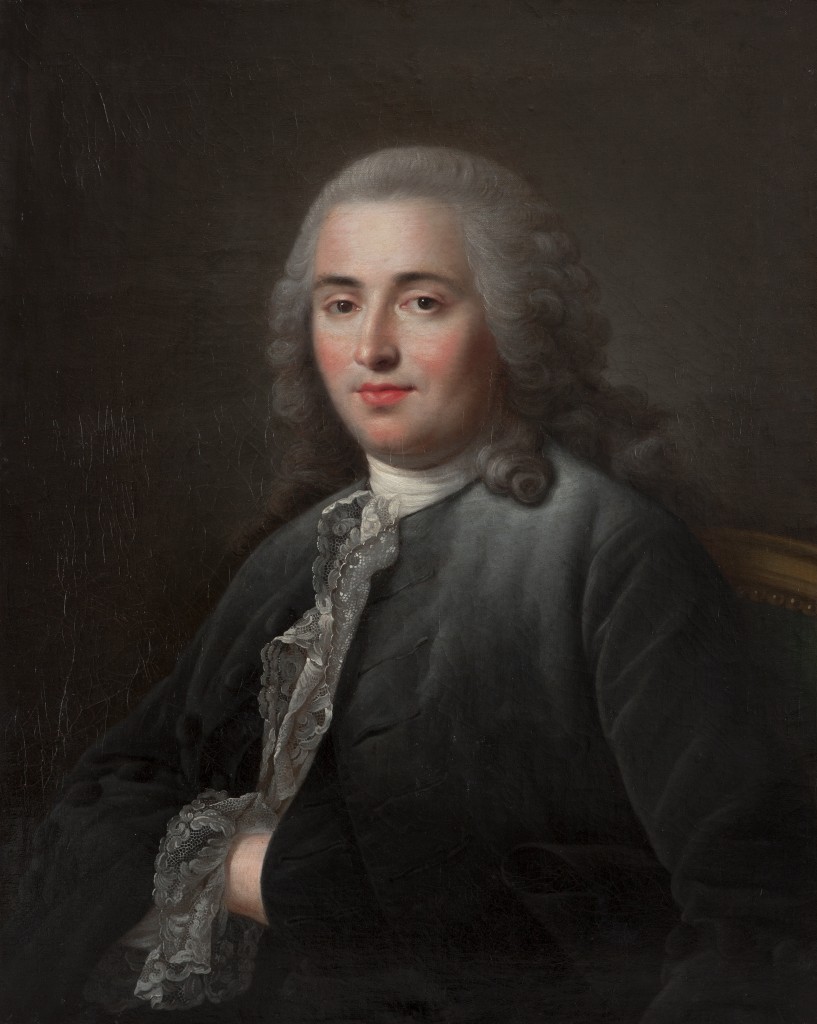
Anne-Robert-Jacques Turgot, Baron de l'Aulne
(Anne Robert Jacques Turgot)
Enlightenment economist and Comptroller-General under Louis XVI whose Six Edicts sought to avert revolution through free trade, ending the corvée, and abolishing guilds.
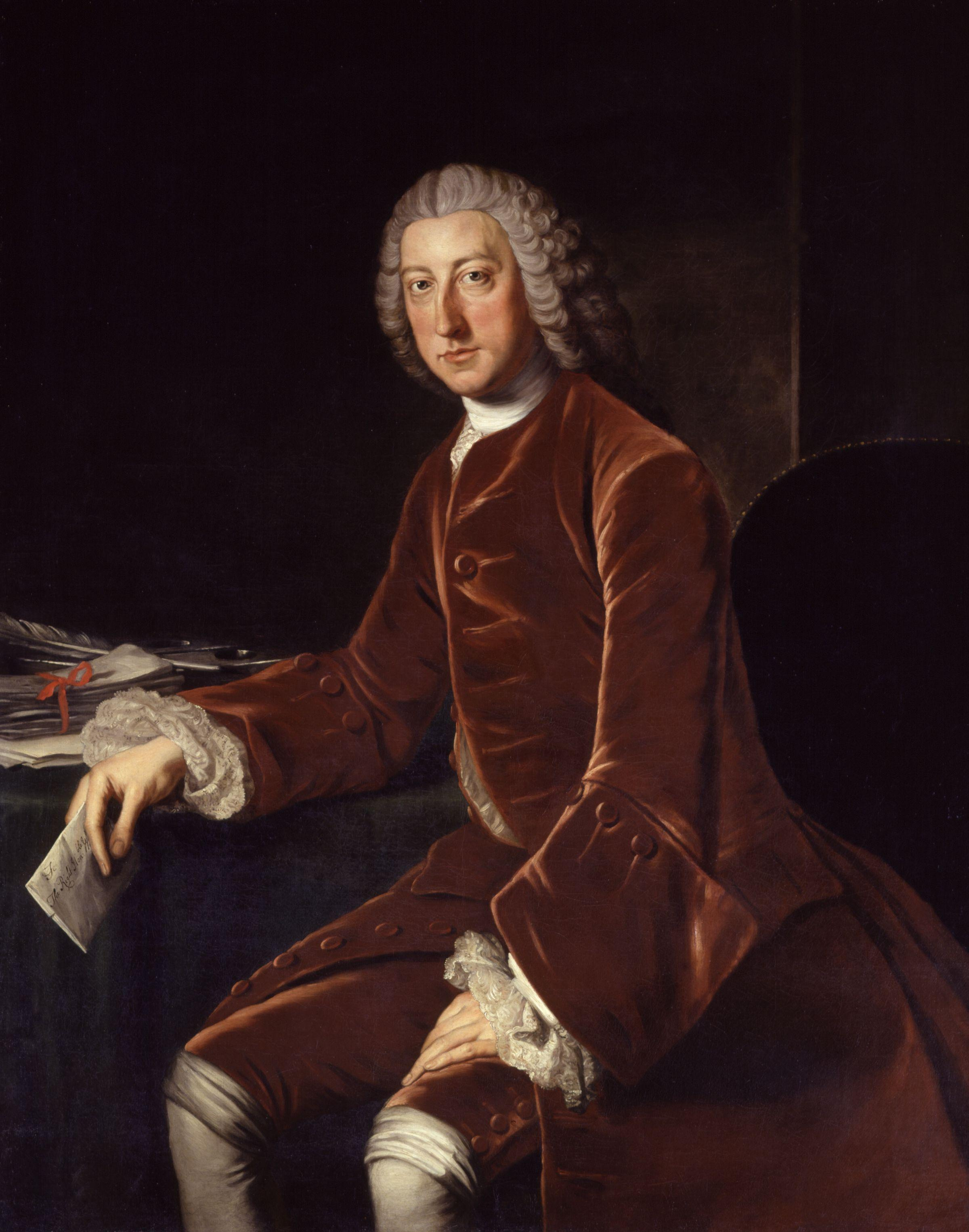
William Pitt, 1st Earl of Chatham
(William Pitt, 1st Earl of Chatham)
Revered as 'The Great Commoner', British wartime Prime Minister whose global grand strategy in the Seven Years' War secured British dominance in North America and India.
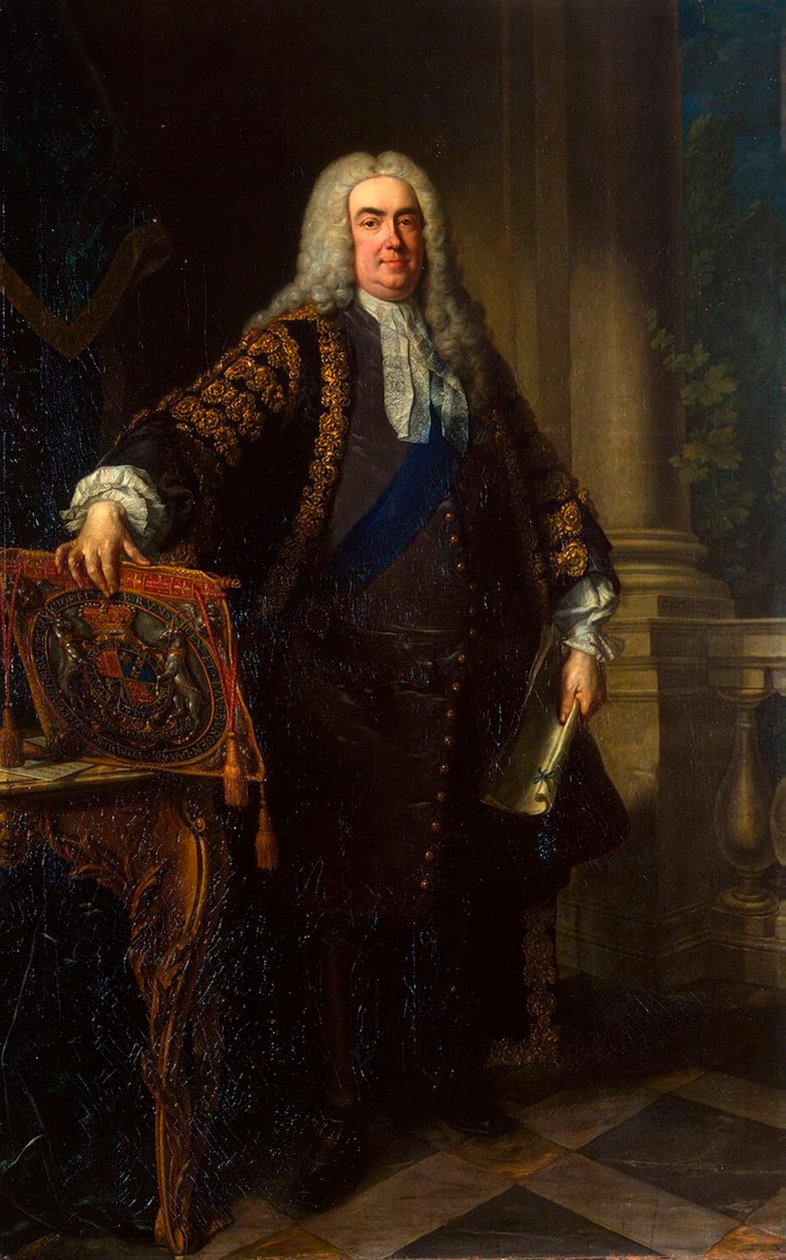
Sir Robert Walpole, 1st Earl of Orford
(Robert Walpole)
Universally recognized as Great Britain's first Prime Minister, who led the British government for over twenty years, stabilized finances after the South Sea Bubble, and established 10 Downing Street.
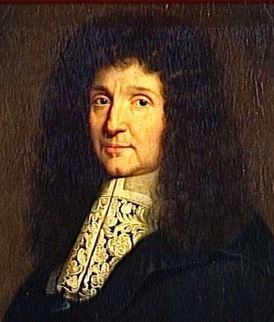
Jean-Baptiste Colbert
(Jean-Baptiste Colbert)
Pioneered industrial state planning and mercantilism, creating the industrial, commercial, and naval infrastructure that financed the Grand Siècle.
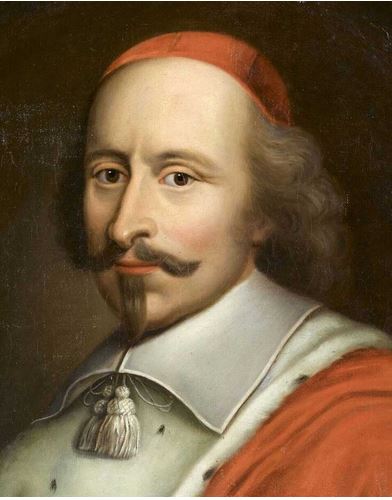
Cardinal Mazarin
 (Giulio Raimondo Mazzarino)
Master diplomat who negotiated the Treaty of Westphalia (1648) and the Treaty of the Pyrenees (1659), establishing French continental supremacy.
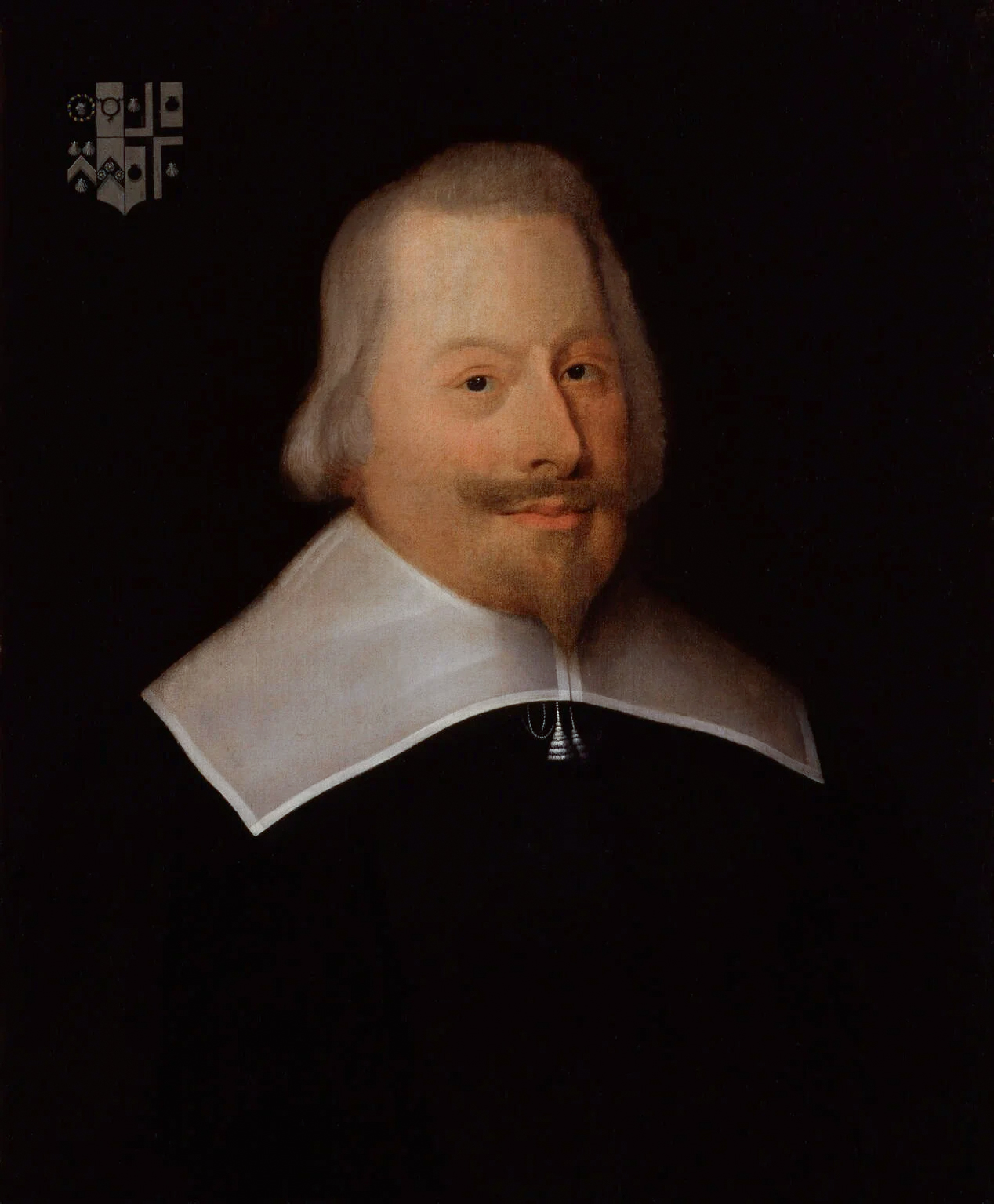
John Pym
(John Pym)
Master parliamentarian and leader of the Long Parliament whose Grand Remonstrance and resistance to Charles I asserted parliamentary supremacy.