Public Figures & Cultural Luminaries
Filterable archive covering centuries of intellectual, artistic, and moral contributions to the human story.
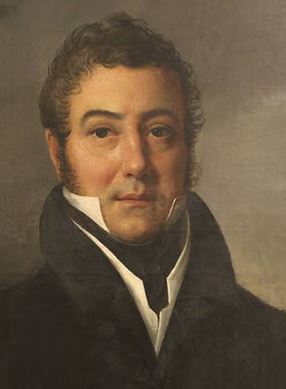
José de San Martín
 (José Francisco de San Martín y Matorras)
Liberated three South American nations and chose voluntary self-exile after the Guayaquil Conference to avoid fratricidal civil war among the liberators.
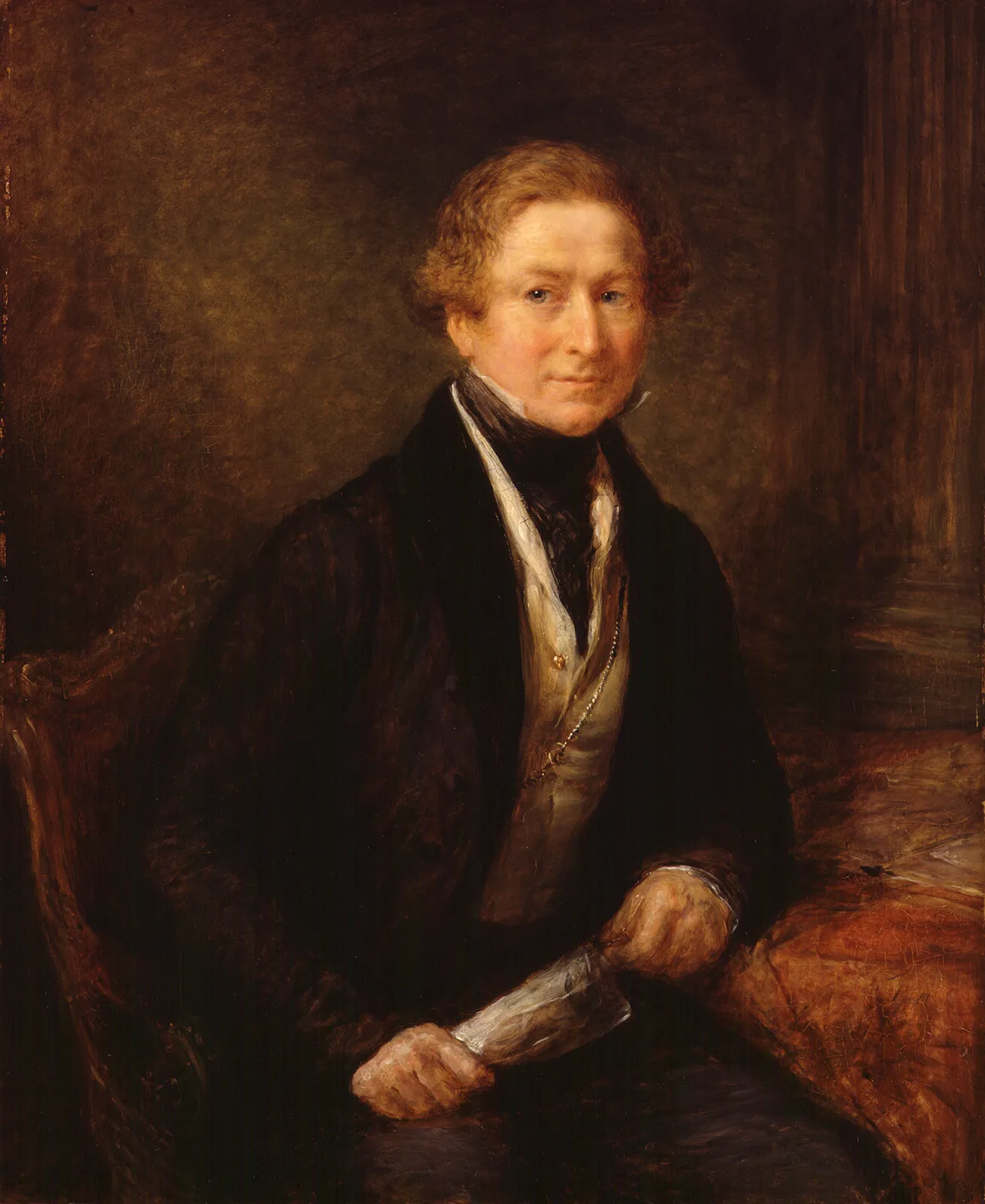
Sir Robert Peel, 2nd Baronet
 (Sir Robert Peel, 2nd Baronet)
Father of modern British policing who created the Metropolitan Police ('Bobbies'), founded the modern Conservative Party, and repealed the Corn Laws in 1846.
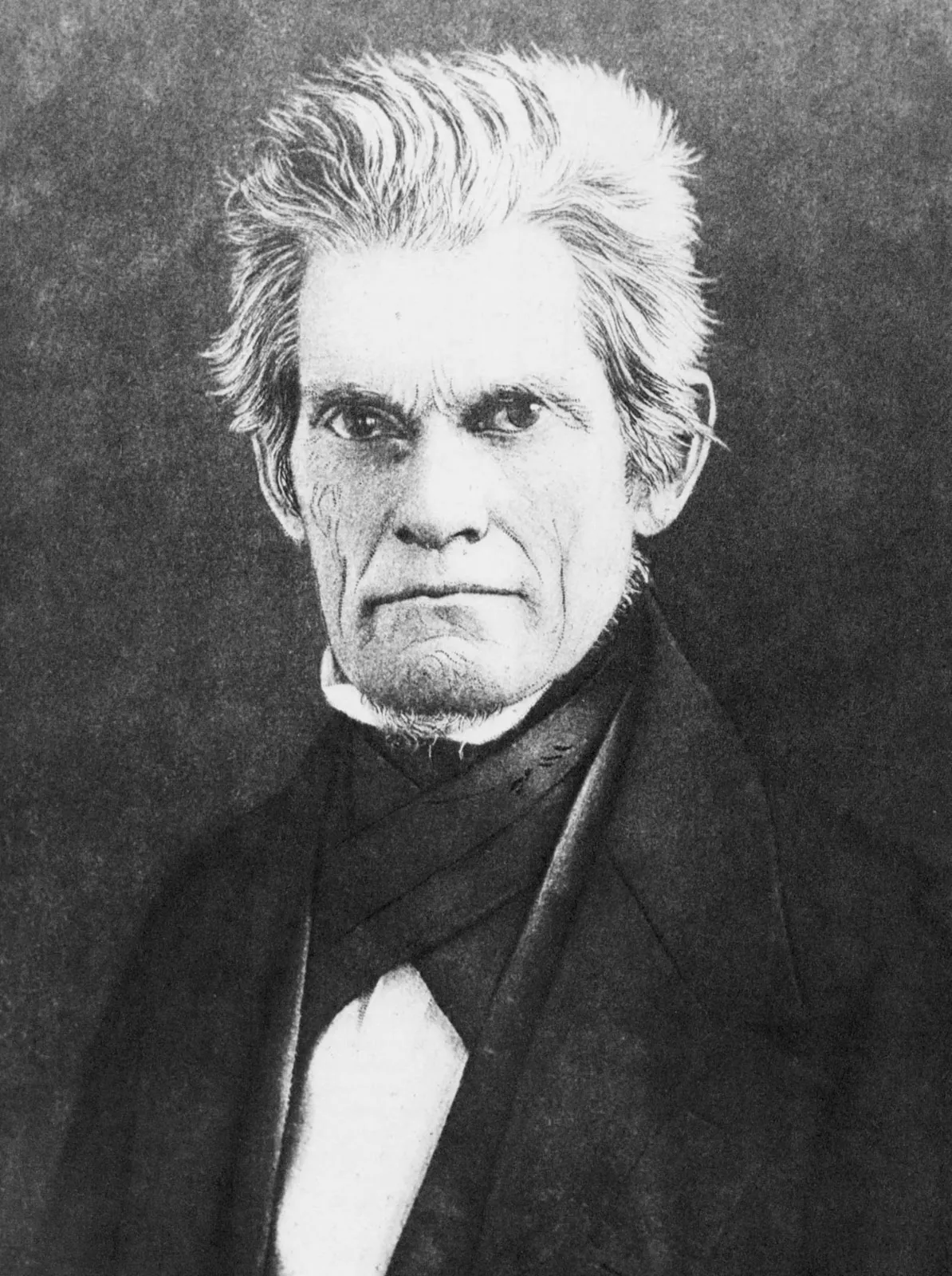
John C. Calhoun
 (John Caldwell Calhoun)
Seventh US Vice President, Secretary of War, and South Carolina Senator who formulated the political doctrines of Nullification and the Concurrent Majority.
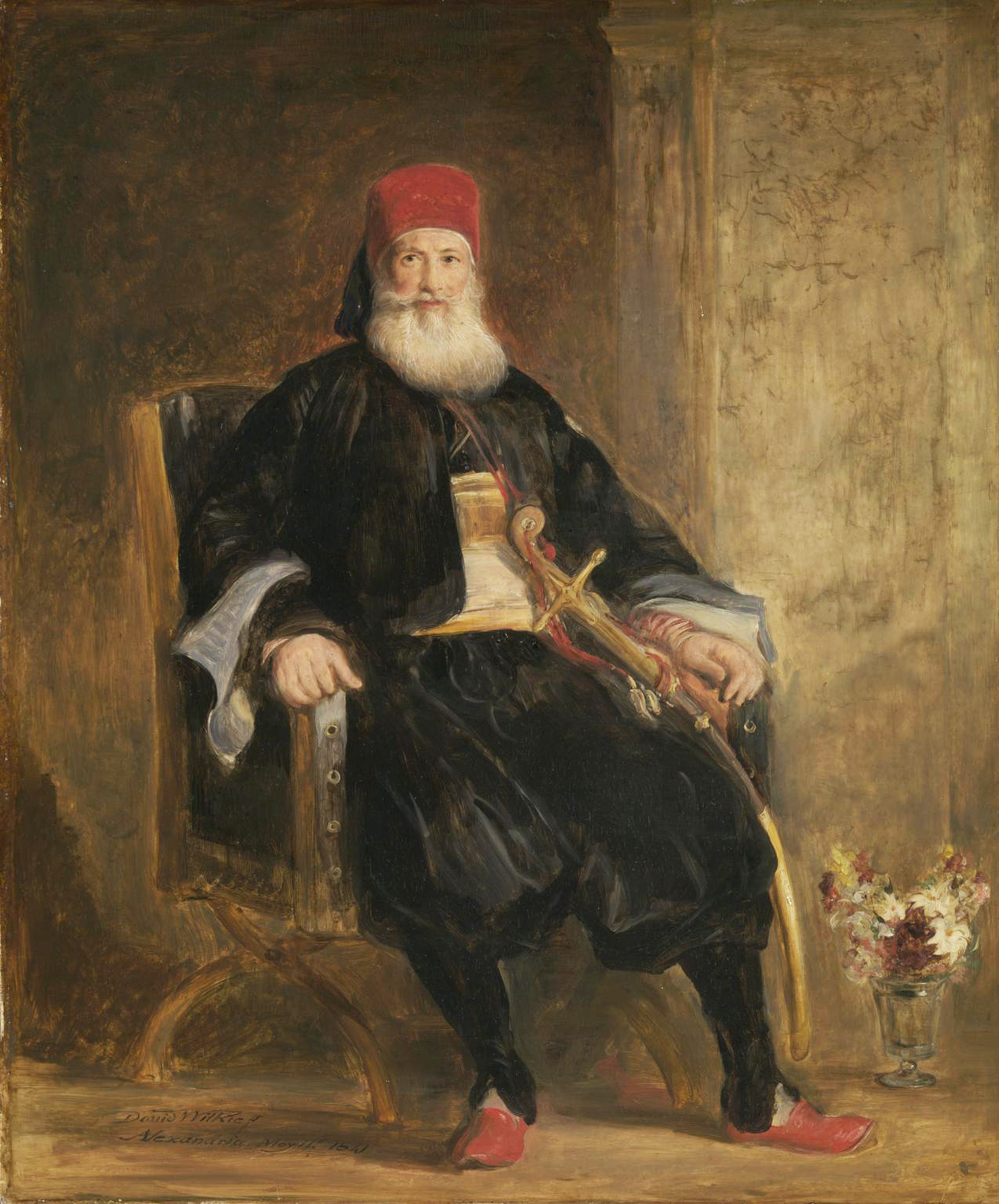
Muhammad Ali of Egypt
 (محمد علي باشا)
Visionary Ottoman commander acclaimed as the 'Founder of Modern Egypt', who eliminated Mamluk hegemony, introduced long-staple cotton, built state industries, and founded the dynasty that governed Egypt until 1952.
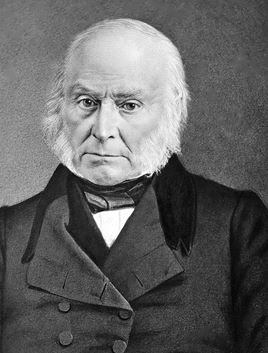
John Quincy Adams
(John Quincy Adams)
Renowned as one of the greatest diplomats in American history and an uncompromising champion of abolitionism in Congress.
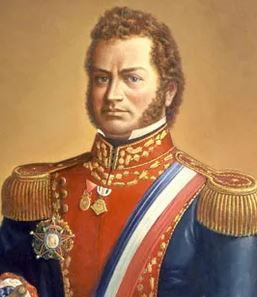
Bernardo O'Higgins
 (Bernardo O'Higgins Riquelme)
Founding Father of Chile; laid the institutional, educational, and naval foundations of the sovereign Chilean republic.
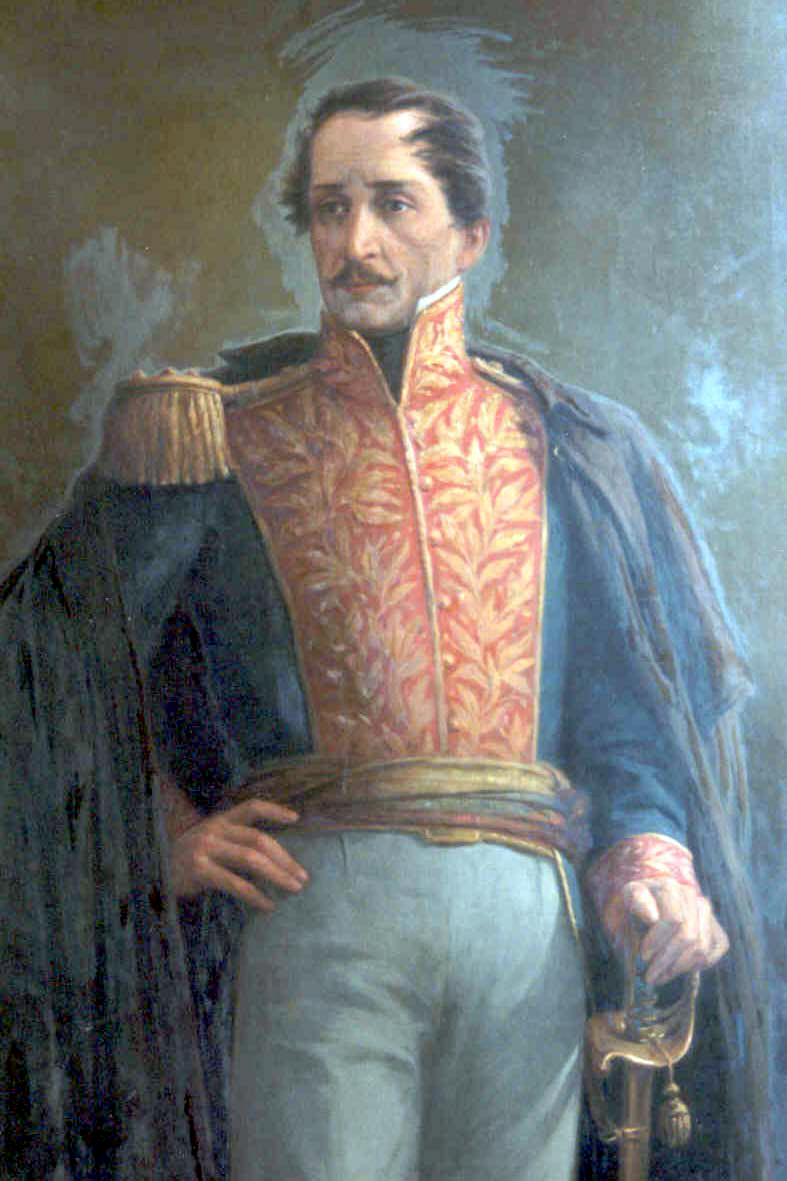
Francisco de Paula Santander
 (Francisco Jose de Paula Santander y Omana)
Founding Father and Vice President of Gran Colombia acclaimed as 'The Man of the Laws' (El Hombre de las Leyes), whose administrative and fiscal genius organized the armies of liberation and founded Colombia's modern constitutional, legal, and public education systems.
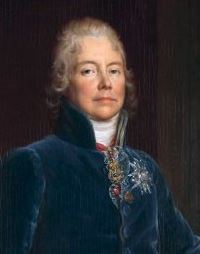
Charles-Maurice de Talleyrand
 (Charles-Maurice de Talleyrand-Périgord)
Regarded as one of the most brilliant diplomats in world history, ensuring European equilibrium and France's place among great powers after Napoleon's fall.
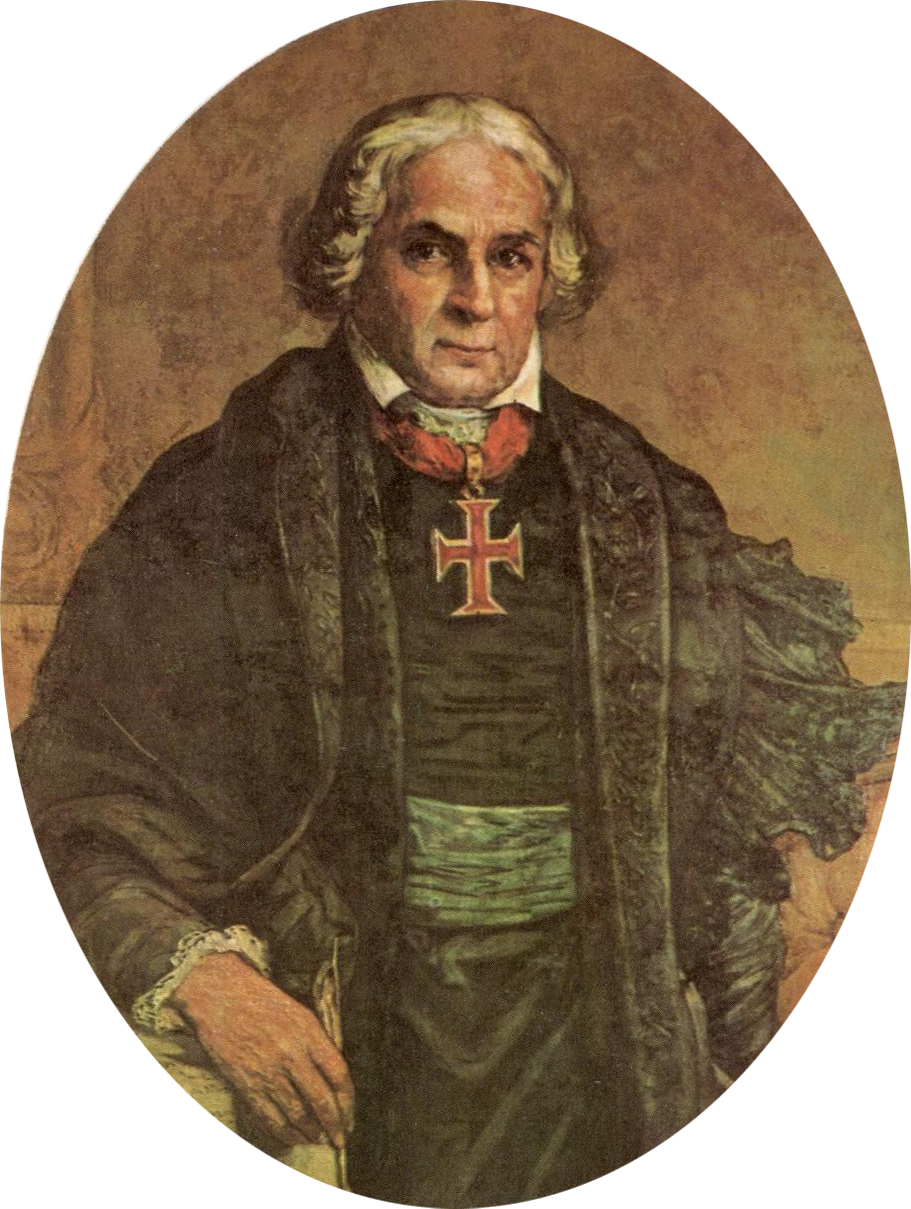
Jose Bonifacio
 (Jose Bonifacio de Andrada e Silva)
Renowned mineralogist who discovered four new minerals (including petalite, which led to the discovery of lithium), and statesman revered as the 'Patriarch of Brazilian Independence' who guided Prince Pedro to declare independence from Portugal in 1822.
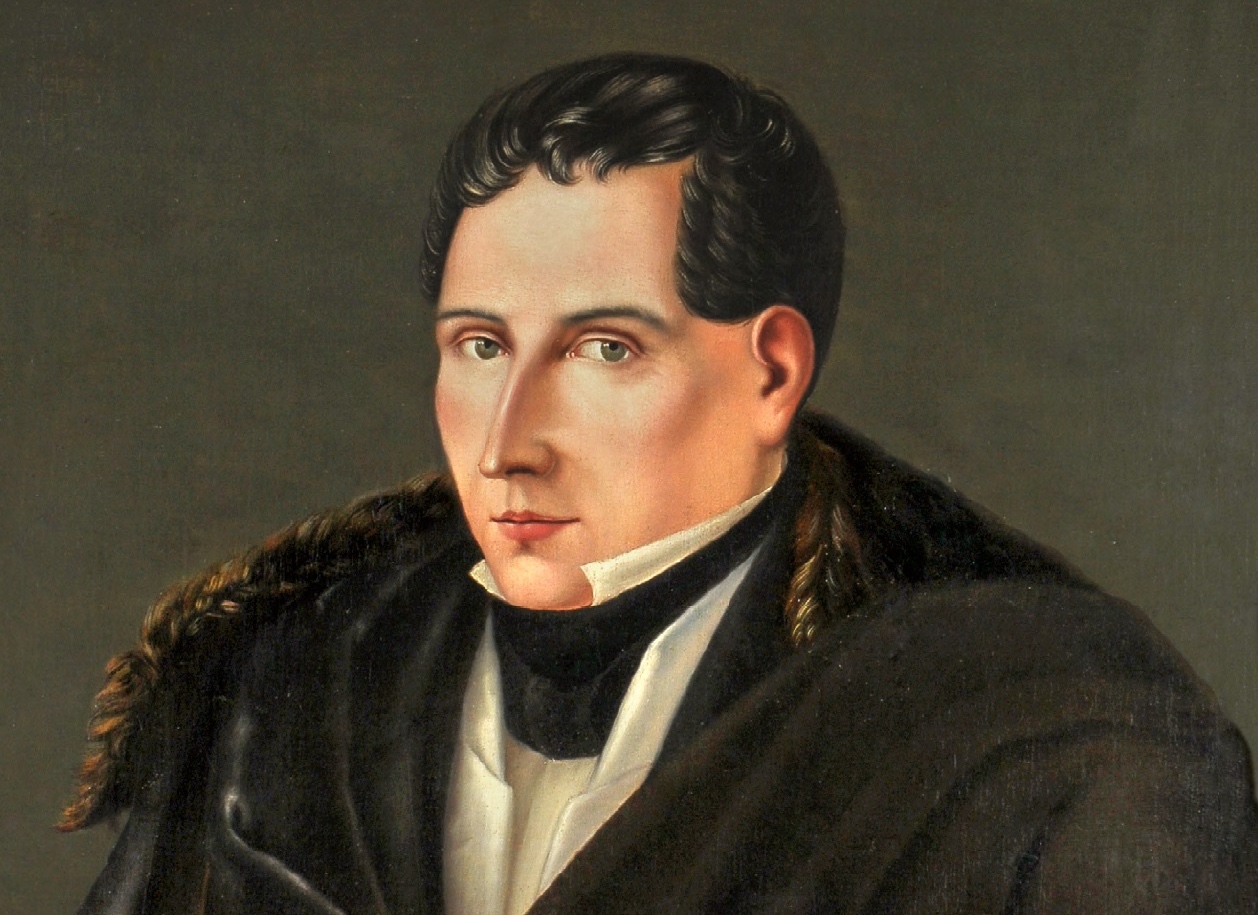
Diego Portales
(Diego José Pedro Víctor Portales y Palazuelos)
Dominant Chilean statesman and businessman who established the stable constitutional framework of the Chilean Republic under the 1833 Constitution.
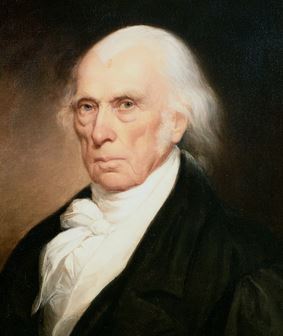
James Madison
(James Madison)
Designed the core institutional framework of American democracy, institutional checks and balances, and guaranteed constitutional civil liberties.
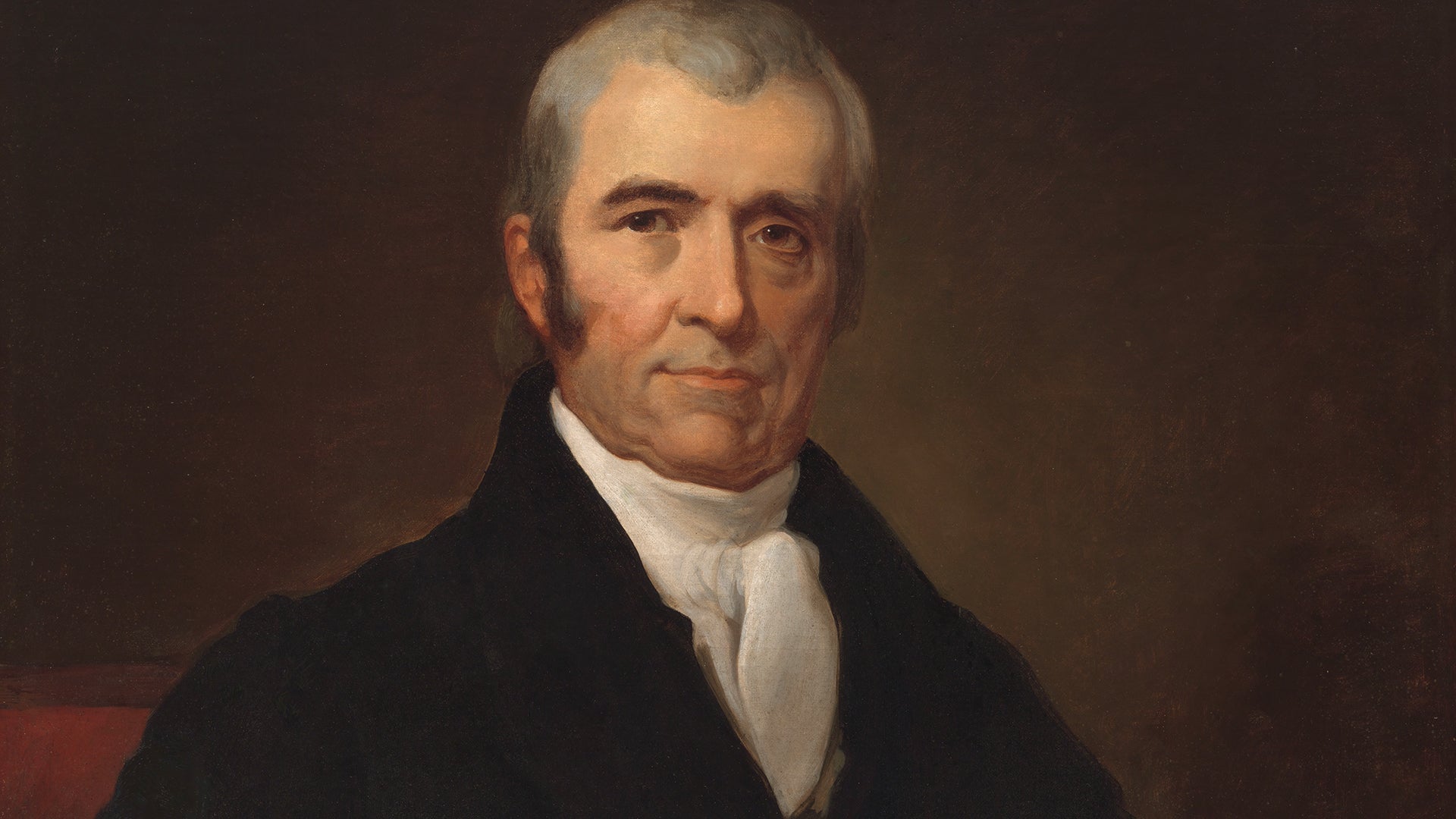
John Marshall
(John Marshall)
Fourth Chief Justice of the United States who served for thirty-four years, established the principle of judicial review in Marbury v. Madison, and made the Supreme Court a co-equal branch.
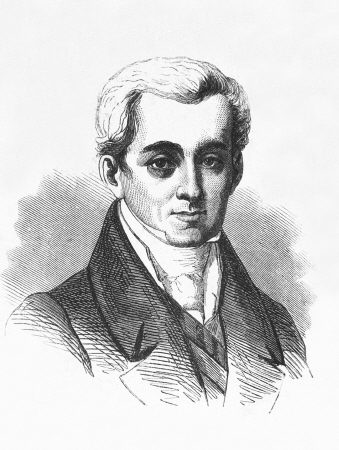
Ioannis Kapodistrias
(Ιωάννης Καποδίστριας)
First Governor of independent Greece (1828–1831) and former Foreign Minister of the Russian Empire who drafted the Swiss Federal Constitution, founded the modern Greek state, modern agriculture, and public education.
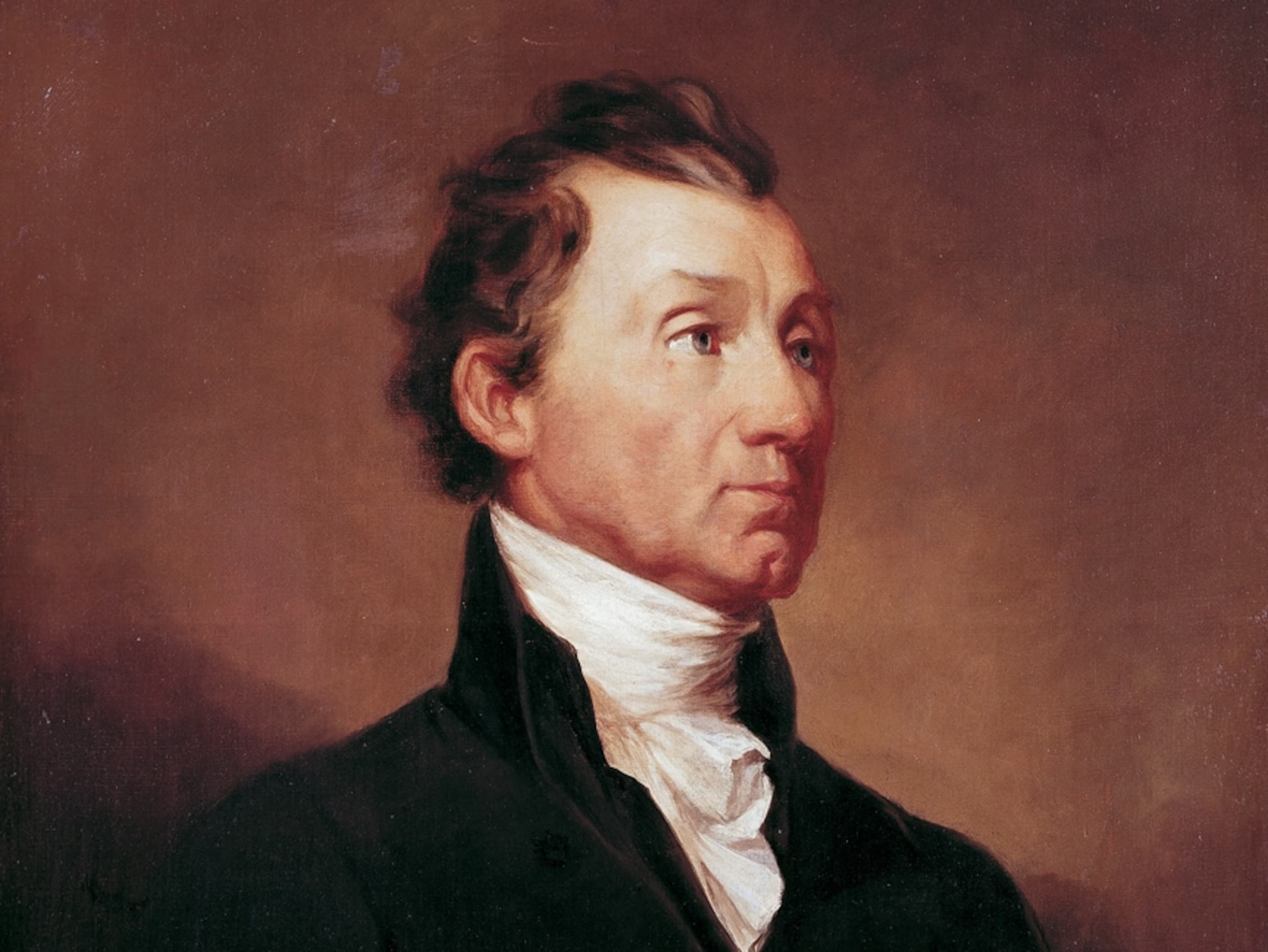
James Monroe
(James Monroe)
Fifth US President and last of the Virginia Dynasty whose 'Era of Good Feelings' saw the Missouri Compromise, the acquisition of Florida, and the historic Monroe Doctrine.
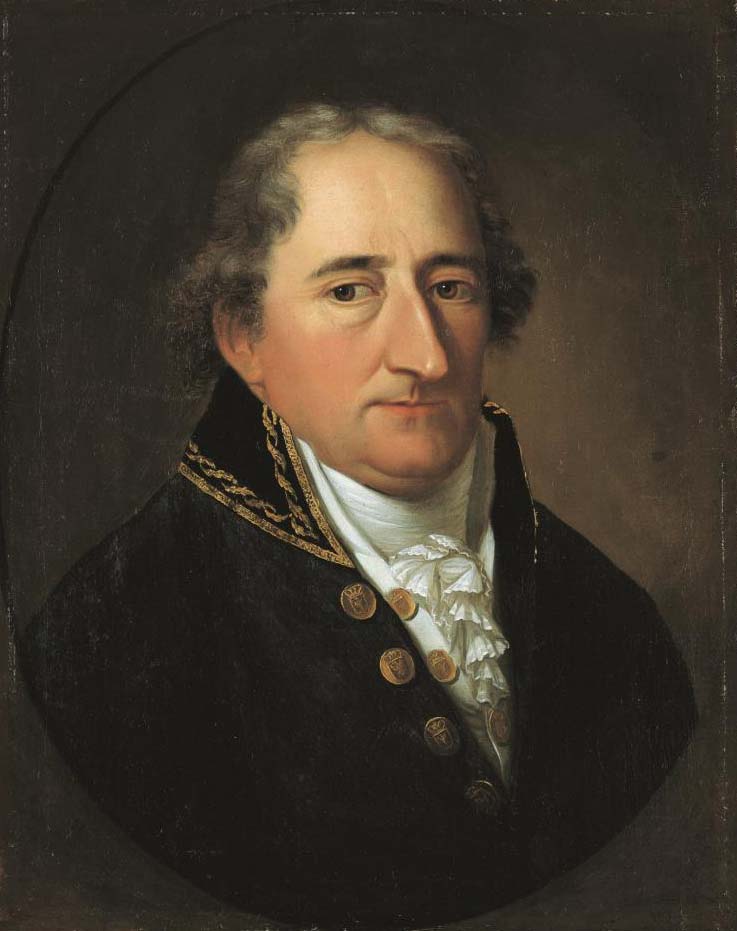
Heinrich Friedrich Karl vom und zum Stein
 (Heinrich Friedrich Karl Reichsfreiherr vom und zum Stein)
Visionary Prussian statesman who abolished serfdom, introduced municipal self-government, and coordinated the anti-Napoleonic Coalition in Russia and Germany.
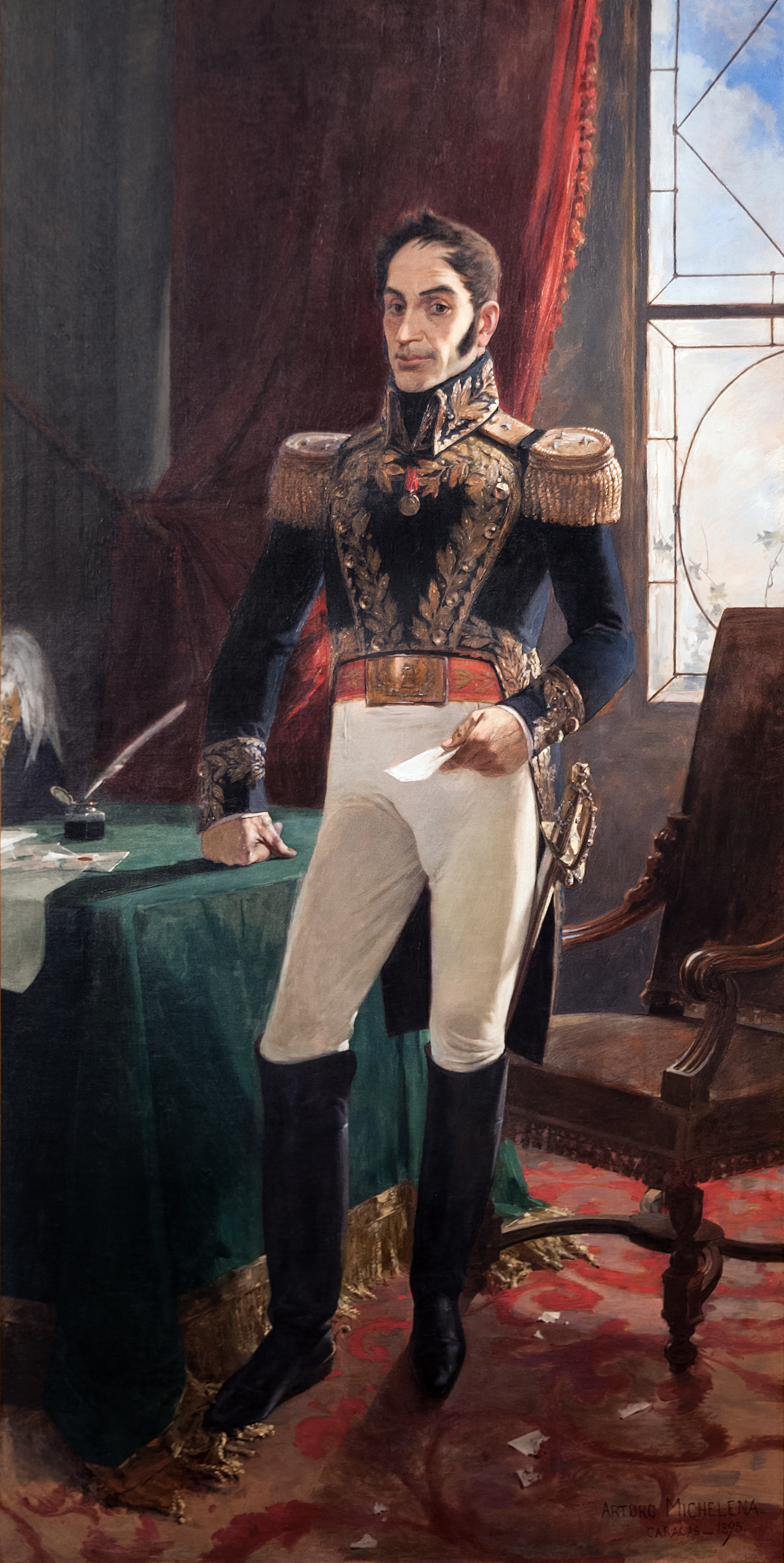
Simon Bolivar
 (Simon Jose Antonio de la Santisima Trinidad Bolivar)
Supreme Liberator 'El Libertador' of South America whose military and political campaigns liberated Venezuela, Colombia, Ecuador, Peru, and Bolivia from the Spanish Empire, serving as the first President of Gran Colombia.
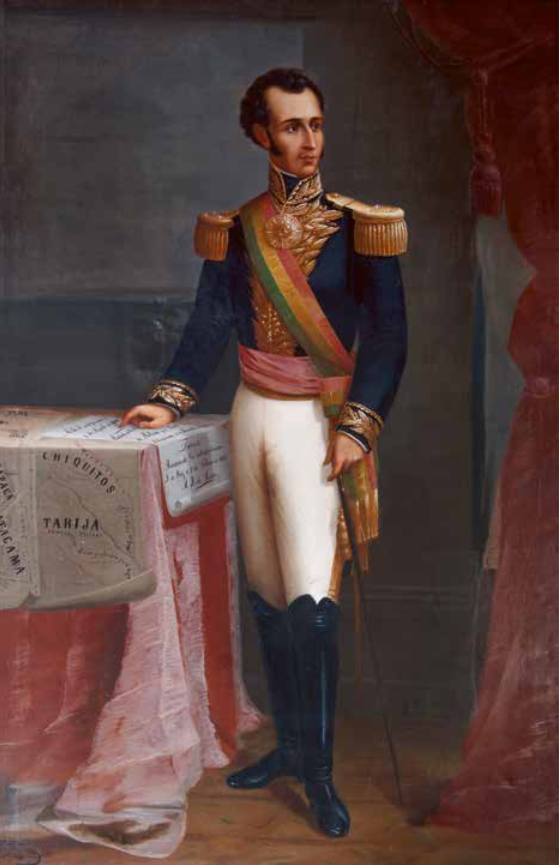
Antonio Jose de Sucre
(Antonio Jose de Sucre y Alcala)
Grand Marshal of Ayacucho, beloved lieutenant to Simon Bolivar, who won the decisive Battle of Ayacucho in 1824 that permanently ended Spanish colonial rule in South America, serving as the first constitutional President of Bolivia.
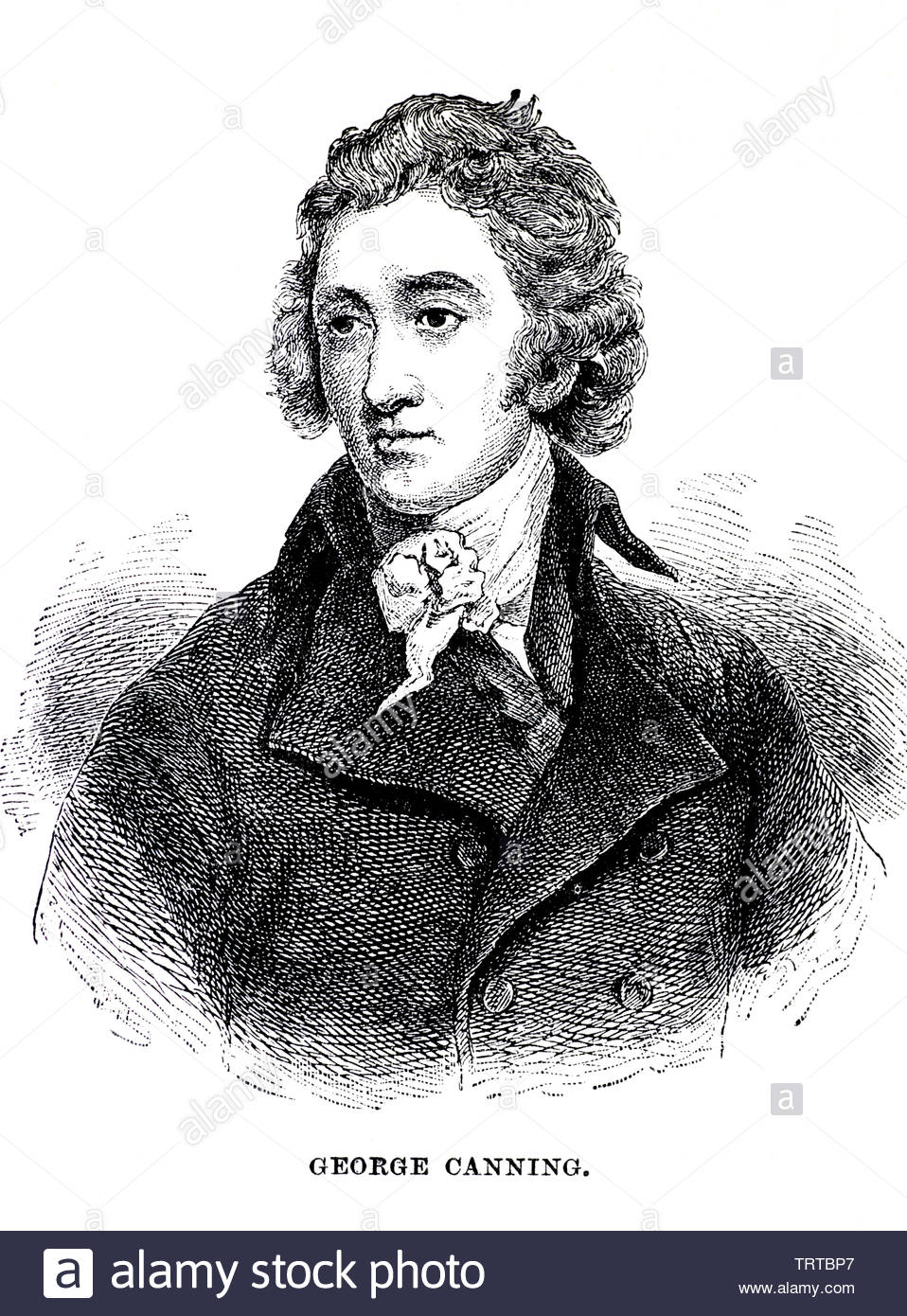
George Canning
(George Canning)
Visionary British Foreign Secretary and Prime Minister who recognized the independence of Latin American republics, famously declaring: 'I called the New World into existence to redress the balance of the Old'.