Public Figures & Cultural Luminaries
Filterable archive covering centuries of intellectual, artistic, and moral contributions to the human story.
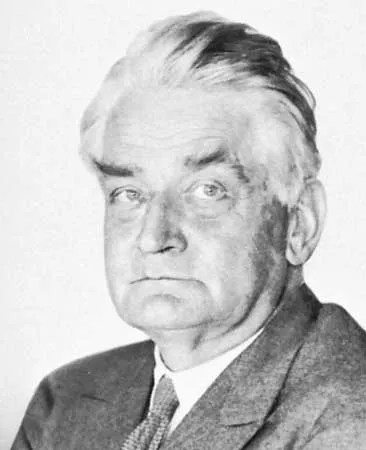
Christian Lous Lange
 (Christian Lous Lange)
Christian Lous Lange was a Norwegian historian, educator, and political scientist who served as Secretary-General of the Inter-Parliamentary Union (IPU) for a quarter-century (1909–1933). The first secretary of the Norwegian Nobel Committee, Lange guided the IPU through World War I and authored the monumental 'Histoire de l'internationalisme', receiving the 1921 Nobel Peace Prize with Hjalmar Branting.
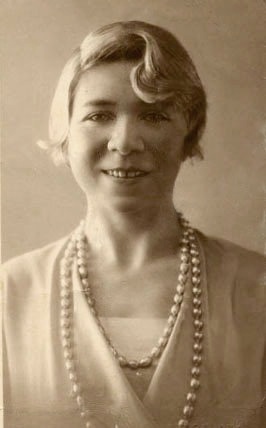
Alfonsina Storni
 (Alfonsina Storni)
Argentine modernist and avant-garde poet whose daring feminist verses confronted patriarchal hypocrisy and celebrated female sexual, intellectual, and economic autonomy.
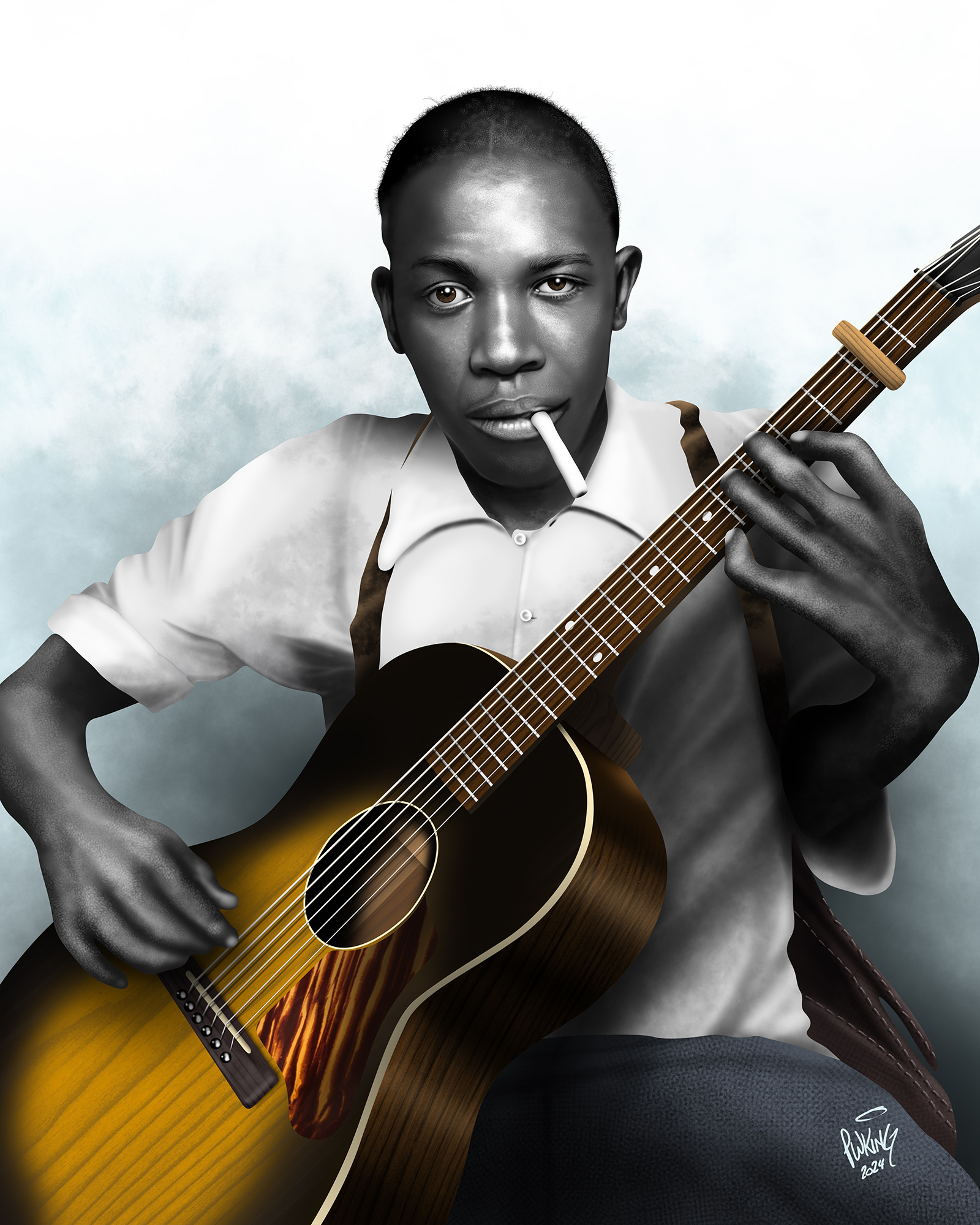
Robert Johnson
 (Robert Leroy Johnson)
Mythic Delta blues singer and guitarist whose 29 recordings shaped rock and roll and spawned the crossroads legend.
Pedro Figari
 (Pedro Figari Castro)
Uruguayan post-impressionist painter, lawyer, and educational reformer celebrated for his colorful, rhythmic canvases portraying Afro-Uruguayan candombe dances and colonial salon life.
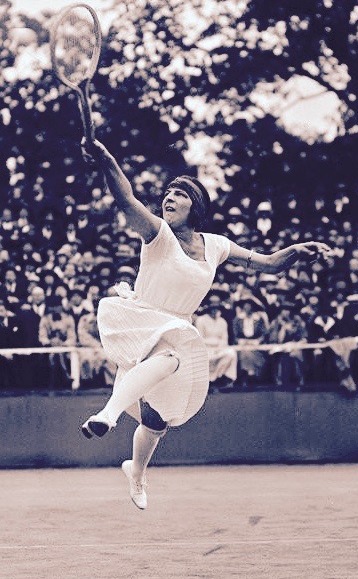
Suzanne Rachel Flore Lenglen
 (Suzanne Rachel Flore Lenglen)
French tennis player who dominated women's tennis from 1919 to 1926, winning 31 Grand Slam tournament titles and revolutionizing female athletic wear.
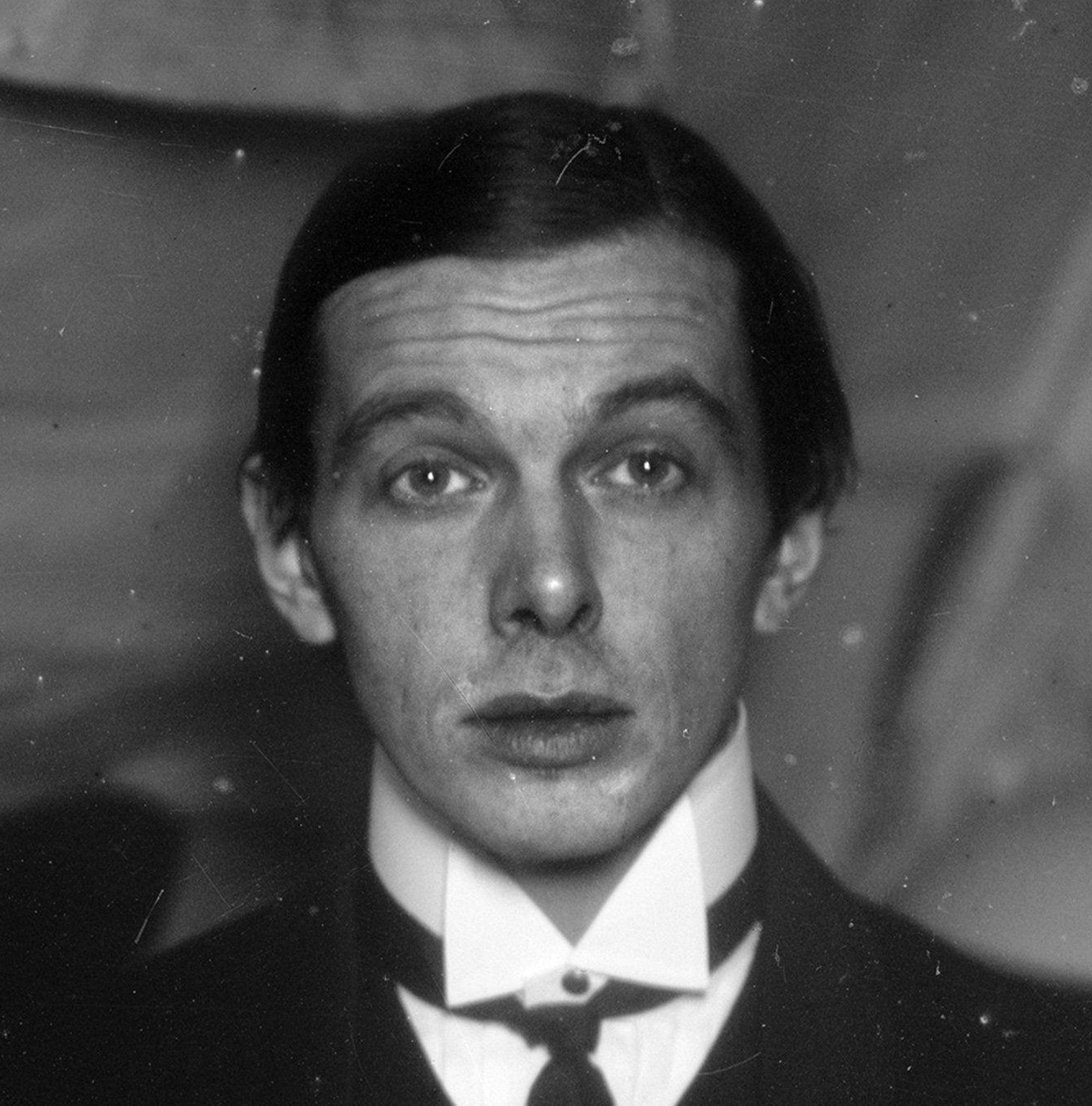
Ernst Ludwig Kirchner
 (Ernst Ludwig Kirchner)
German Expressionist painter and printmaker who was a founding figure of Die Brücke, renowned for his jagged, psychologically charged depictions of modern Berlin street life.
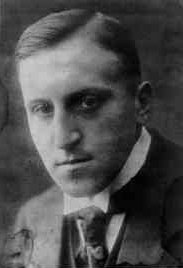
Carl von Ossietzky
(Carl von Ossietzky)
German investigative journalist and fearless anti-Nazi editor of 'Die Weltbuhne' who exposed Germany's secret illegal rearmament in violation of the Treaty of Versailles, awarded the 1935 Nobel Peace Prize while imprisoned in a Nazi concentration camp.
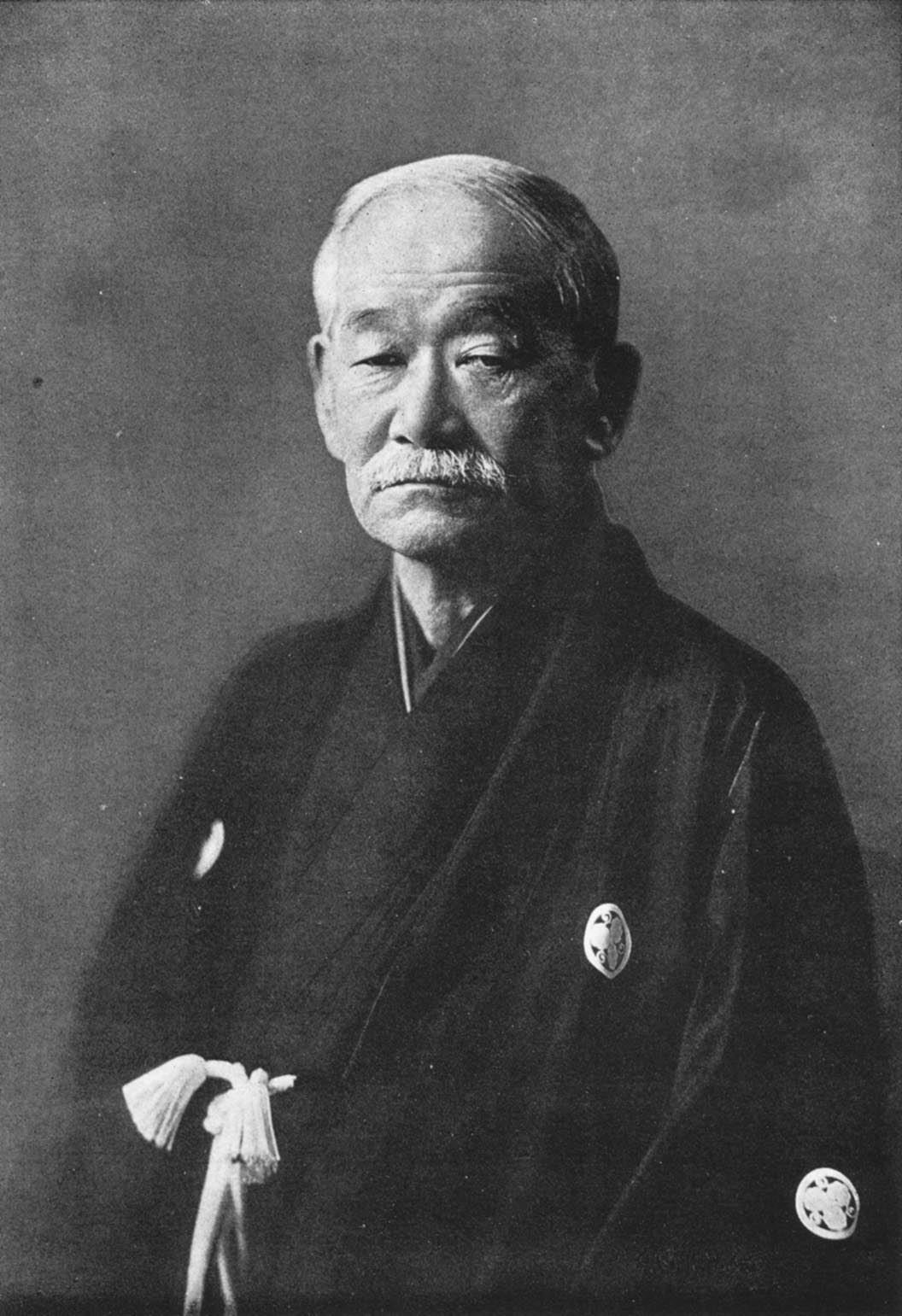
Kano Jigoro
 (嘉納 治五郎)
Japanese educator and martial arts master who founded Judo in 1882, transforming traditional jujutsu into a global Olympic sport centered on maximum efficiency and mutual welfare.
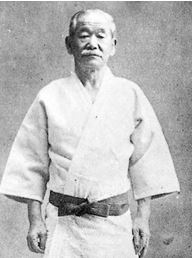
Jigorō Kanō
(嘉納 治五郎 (Kanō Jigorō))
Jigorō Kanō was a visionary Japanese educator, polymath, and martial artist who created modern Judo (the 'Gentle Way') in 1882 by establishing the Kōdōkan in Tokyo. Pioneering the concept of physical culture combined with moral development ('Maximum Efficiency with Minimum Effort' and 'Mutual Welfare and Benefit'), he was the first Asian member of the International Olympic Committee.
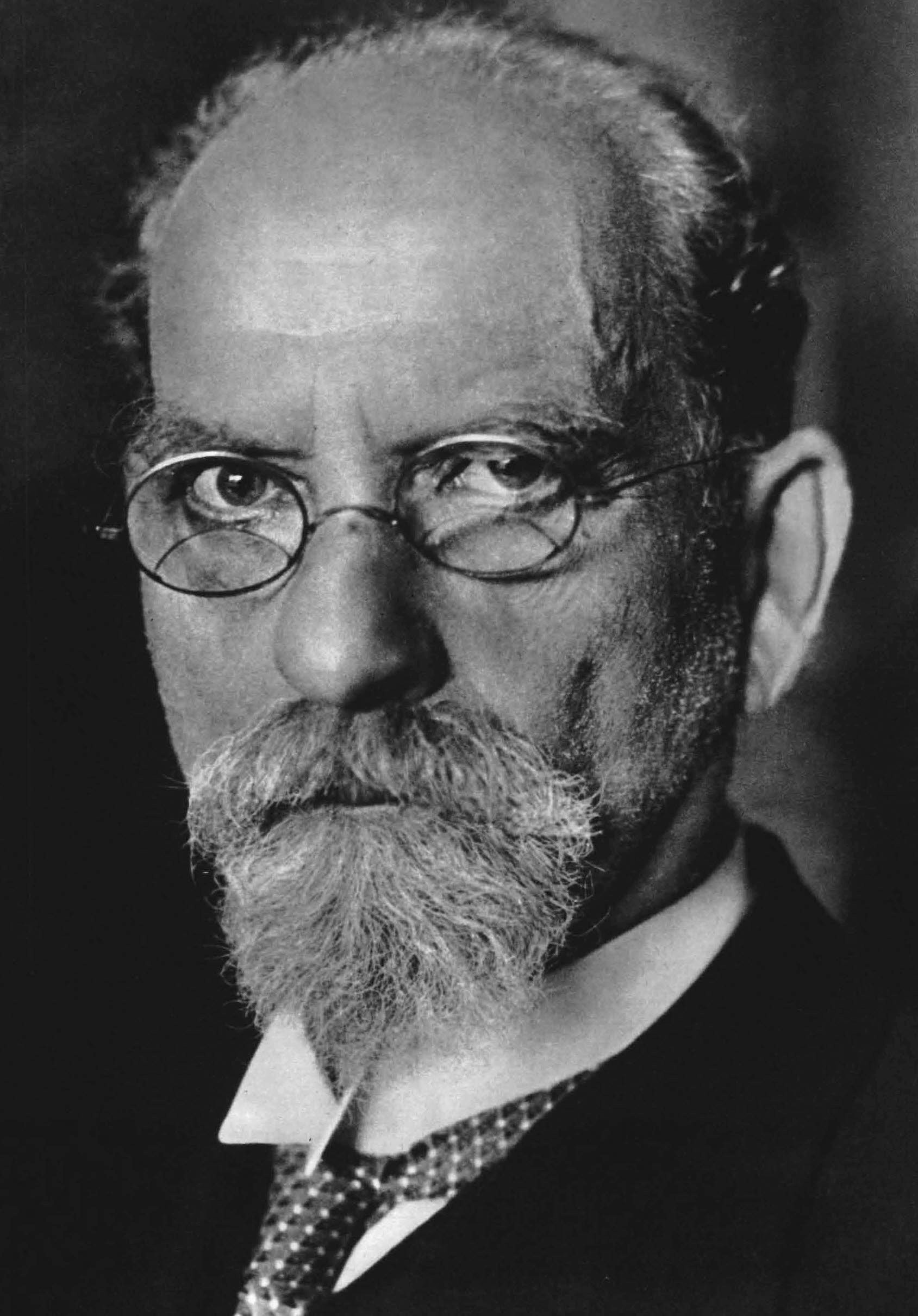
Edmund Husserl
 (Edmund Gustav Albrecht Husserl)
Austrian-German philosopher who founded phenomenology with Logical Investigations and Ideas I, seeking to return 'to the things themselves' by analyzing intentional consciousness and epoche.
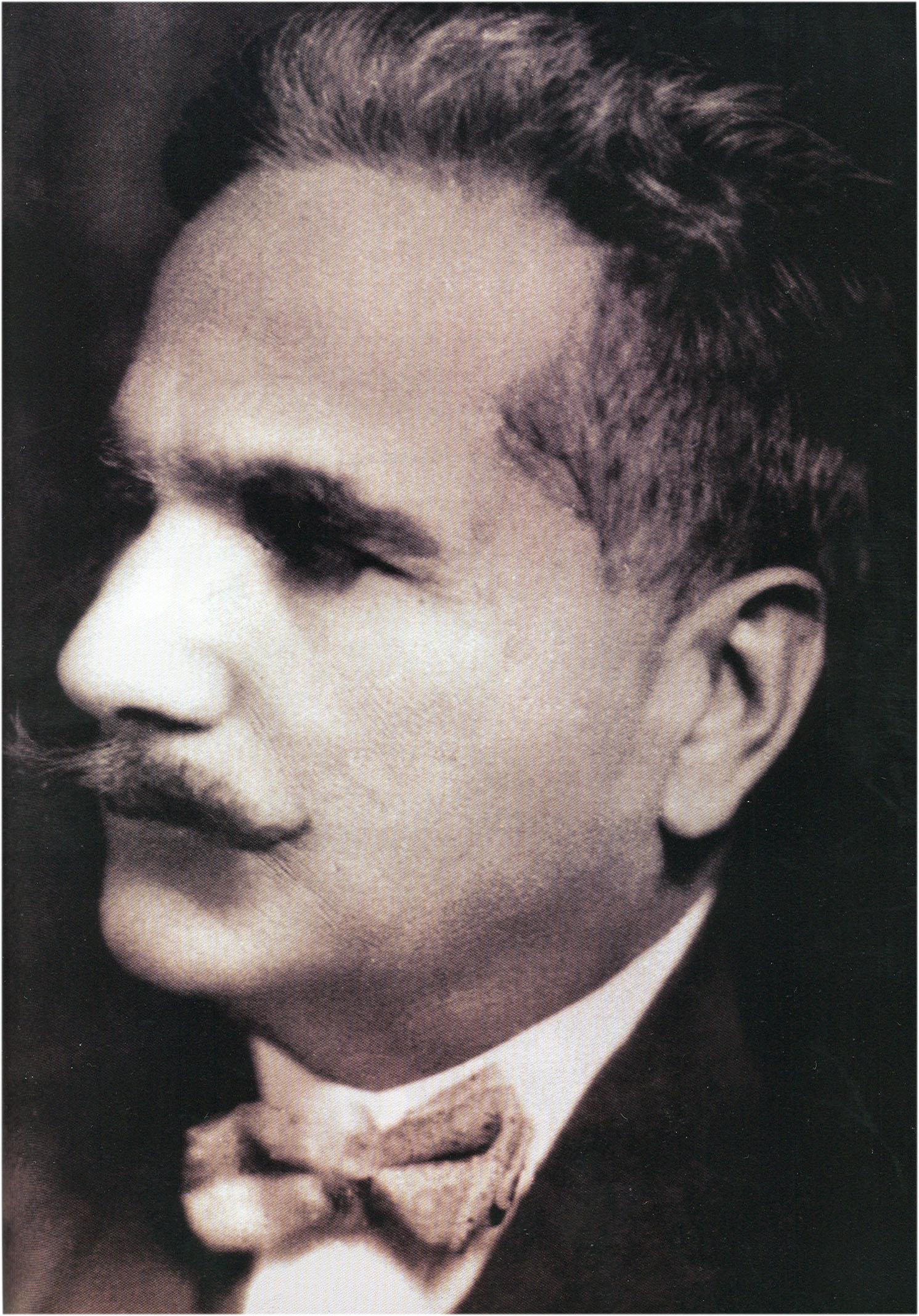
Sir Muhammad Iqbal
 (علامہ محمد اقبال (Mufakkir-e-Pakistan))
Renowned philosopher, barrister, and poet (1877–1938), revered as 'Allama Iqbal' and 'The Poet of the East', whose visionary poetry in Persian and Urdu inspired selfhood (Khudi) and the Pakistan Movement.
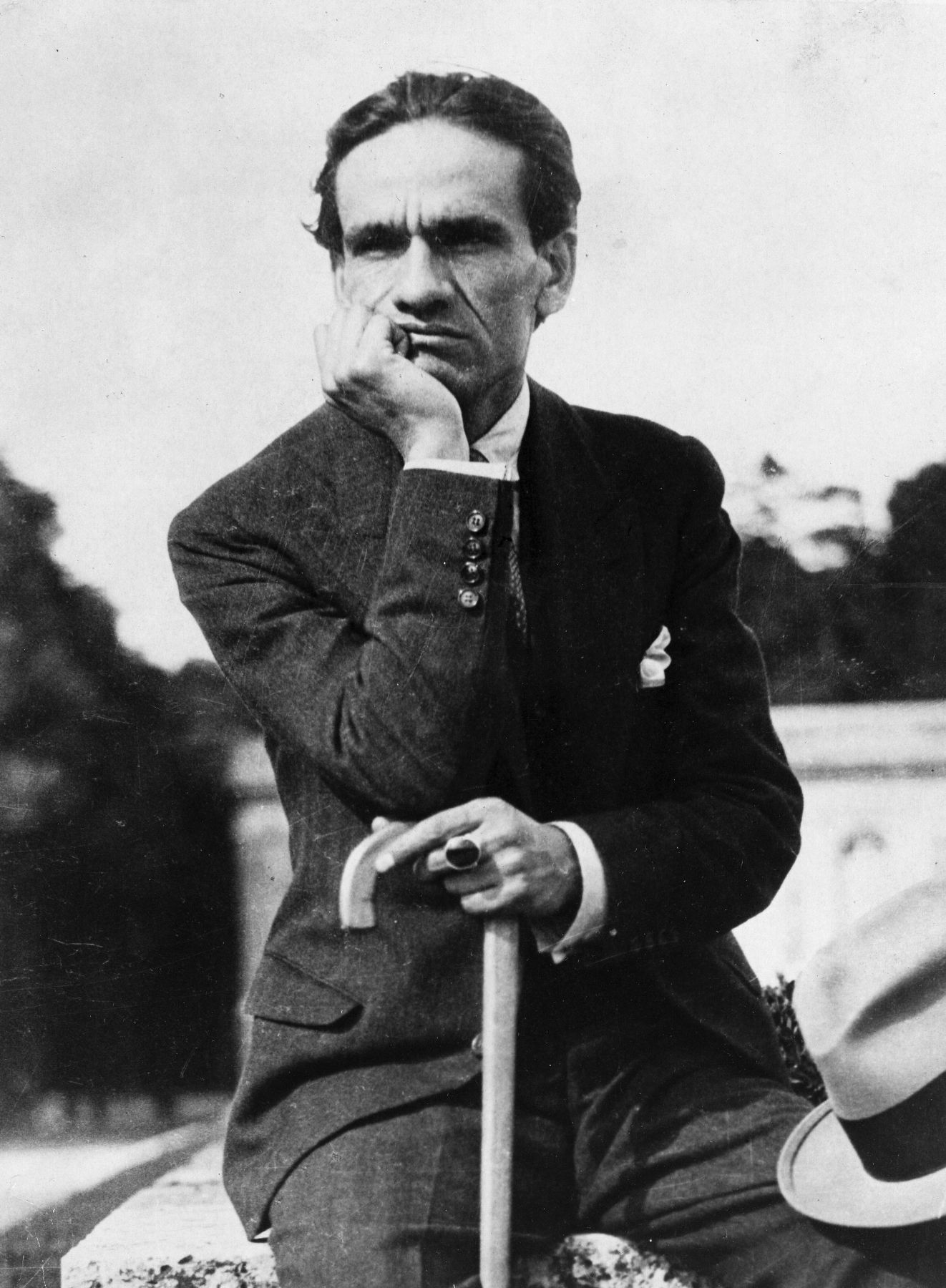
Cesar Vallejo
 (César Abraham Vallejo Mendoza)
Peruvian poet and writer widely considered one of the greatest poetic innovators of the twentieth century, author of the revolutionary avant-garde collection Trilce.
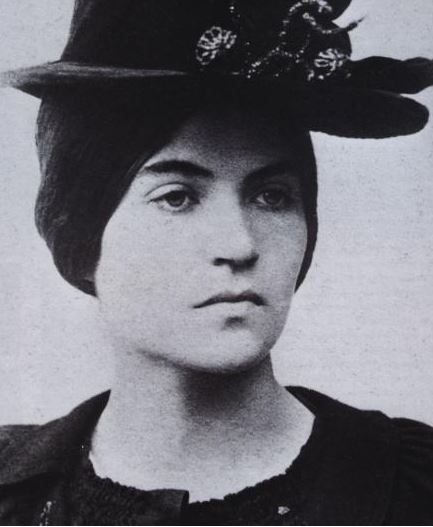
Marie-Clémentine Valadon
(Suzanne Valadon)
Pioneering French painter, circus acrobat, and artist's model who was championed by Degas, became the first woman admitted to the Société Nationale des Beaux-Arts, and mothered Maurice Utrillo.
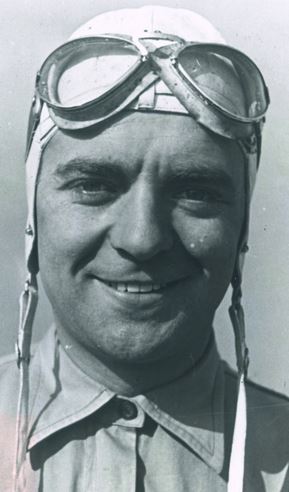
Bernd Rosemeyer
(Bernd Rosemeyer)
Fearless German Grand Prix driver who mastered the mid-engine 500-horsepower Auto Union Grand Prix car, winning the 1936 European Drivers' Championship before perishing at age twenty-eight in a speed record attempt.
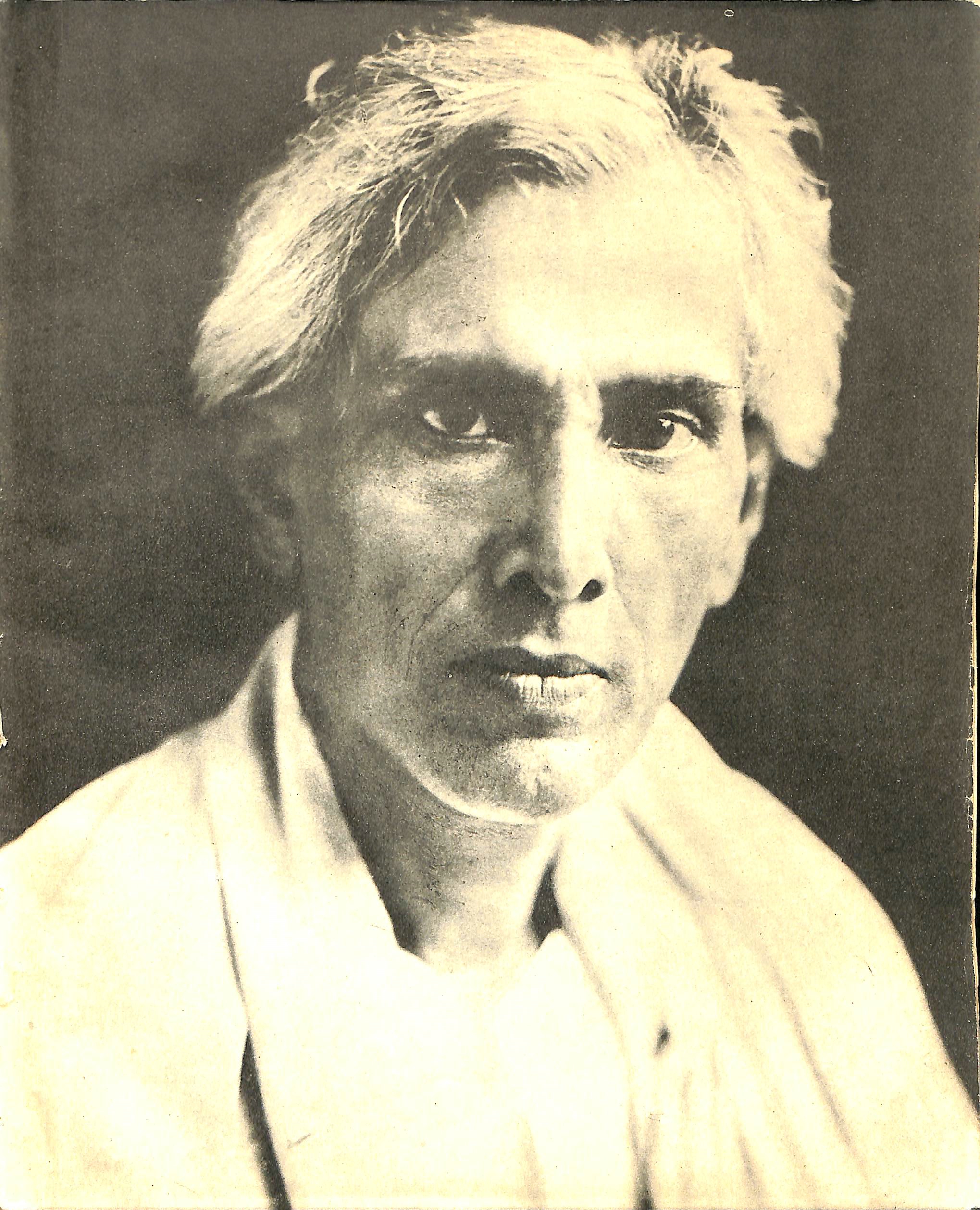
Sarat Chandra Chattopadhyay
 (শরৎচন্দ্র চট্টোপাধ্যায়)
Bengali novelist and short story writer whose works, including Devdas, Pather Dabi, and Charitraheen, made him the most widely translated and popular Indian fiction writer of the twentieth century.
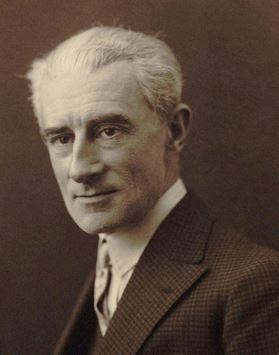
Joseph Maurice Ravel
(Maurice Ravel)
French composer and supreme orchestral wizard celebrated for his precision craftsmanship, Basque-Spanish elegance, and dazzling sonic imagination in Boléro, Pavane pour une infante défunte, and Daphnis et Chloé.
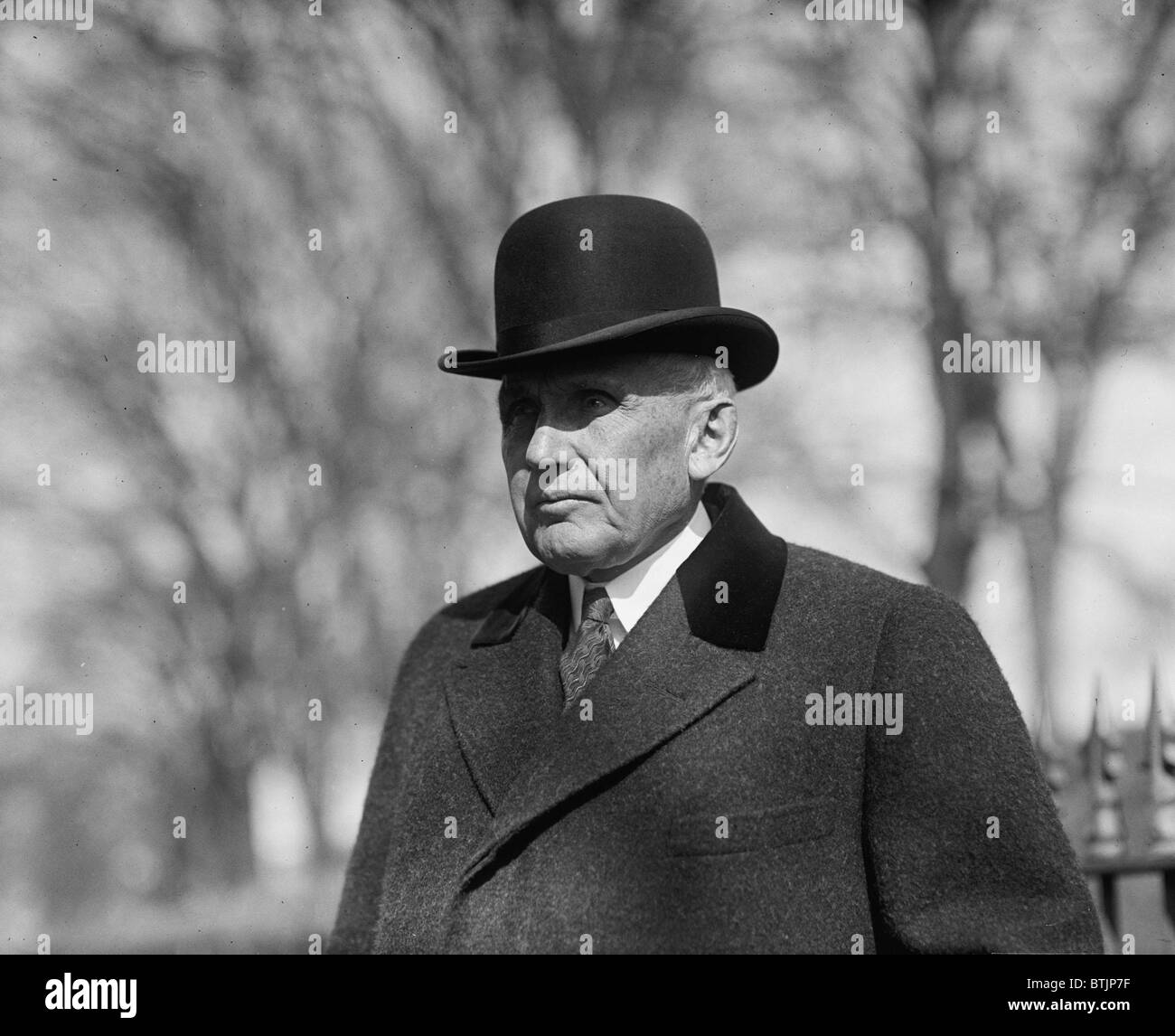
Frank Billings Kellogg
(Frank Billings Kellogg)
Frank Billings Kellogg was an American lawyer, diplomat, and US Secretary of State (1925–1929) under President Calvin Coolidge. Working in partnership with French Foreign Minister Aristide Briand, he authored the historic 1928 Kellogg-Briand Pact (Pact of Paris), signed by sixty-two nations legally renouncing war as an instrument of national policy, for which he was awarded the 1929 Nobel Peace Prize.
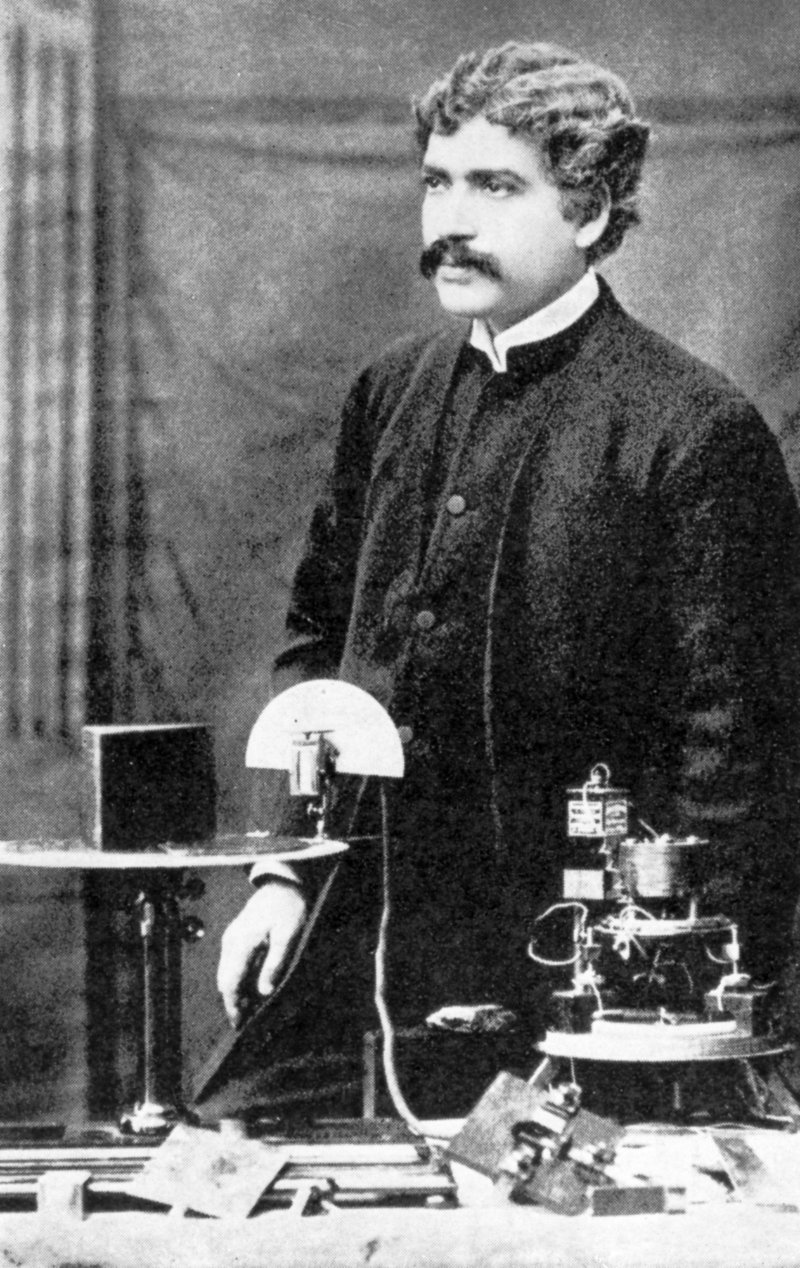
Jagadish Chandra Bose
 (জগদীশ চন্দ্র বসু)
Indian polymath who pioneered millimeter-wave radio transmission, invented the semiconductor crystal radio detector, and invented the crescograph to prove that plants respond physiologically to electrical, chemical, and emotional stimuli.