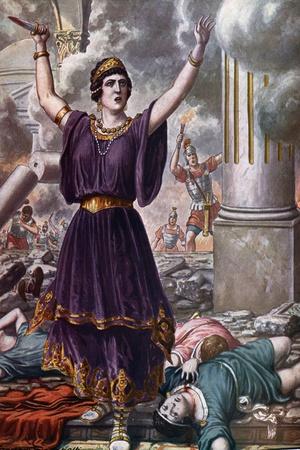
Hasdrubal the Boetharch
Supreme Carthaginian general who led the desperate, heroic three-year defense of Carthage against Scipio Aemilianus during the Third Punic War (149โ146 BCE).
Start typing to search worldwide archives and community tributes
Filterable archive covering centuries of intellectual, artistic, and moral contributions to the human story.
Supreme Carthaginian general who led the desperate, heroic three-year defense of Carthage against Scipio Aemilianus during the Third Punic War (149โ146 BCE).
Master Carthaginian agricultural scientist whose 28-volume farming encyclopedia was so revered that the Roman Senate ordered it translated into Latin as the sole Carthaginian work preserved after the destruction of 146 BCE.
18th-century Moroccan Sufi mystic and ascetic who founded the Hamadsha spiritual fraternity, famous for its therapeutic rituals and sacred trance music.
King of northern Mauretania based at Tingis (Tangier), besieged and overthrown around 81 BCE during the intervention of Roman general Quintus Sertorius.
Prince of Mauretania and son of King Bocchus I, who commanded the royal cavalry escorting Roman quaestor Sulla through desert territory to negotiate the end of the Jugurthine War.
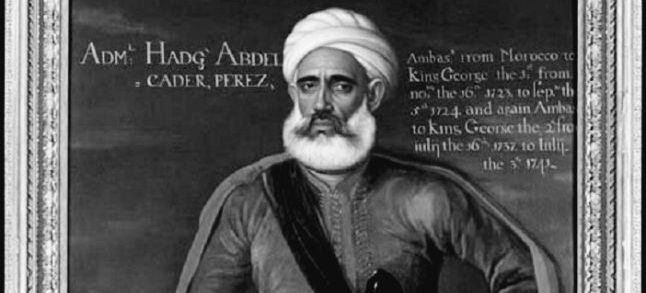
Moroccan Grand Admiral and diplomat of Andalusian Morisco heritage who commanded the Corsair fleet of Salรฉ and served as Sultan Moulay Ismail's ambassador to King George II in London.
14th-century Moroccan chronicler whose work Rawd al-Qirtas is the foundational historical narrative for the Idrisid, Almoravid, Almohad, and Marinid dynasties and the city of Fez.
15th-century Sufi master, spiritual guide, and poet whose zawiya in Miliana served as a major center of mystical learning and popular aphorisms throughout the Maghreb.
12th-century Algerian historian and qadi born in the Hammadid capital of Beni Hammad, author of the indispensable primary chronicle on the Fatimid Caliphate in North Africa.
Enlightened third Imam of the Rustamid state in Tahert (Tiaret) whose fifty-year reign marked the golden age of scientific inquiry, trans-Saharan commerce, and religious tolerance in medieval Algeria.
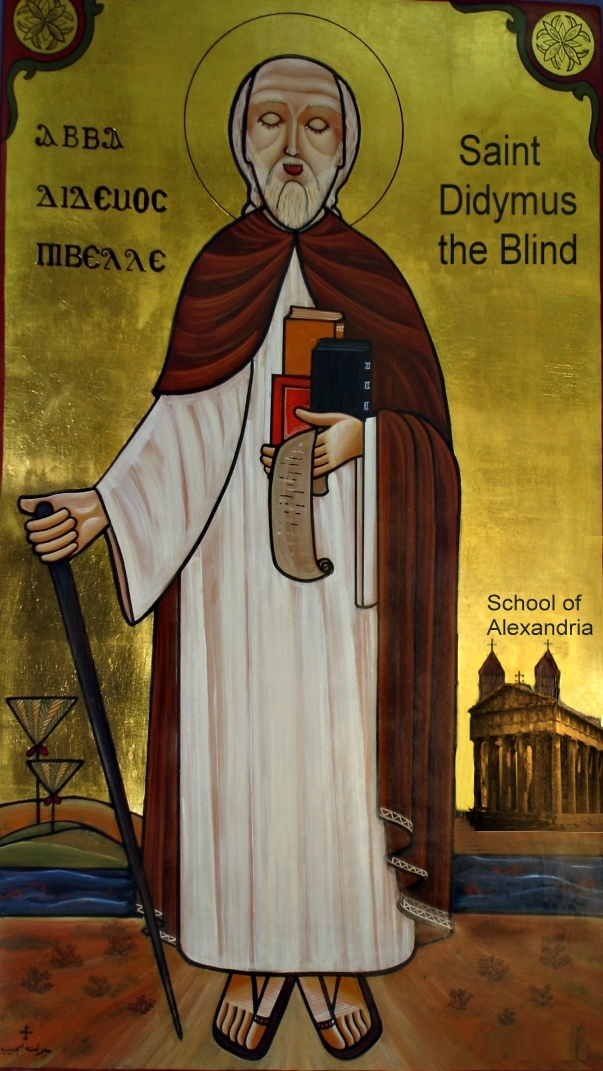
Extraordinary Alexandrian Christian scholar and theologian who lost his sight at age four yet mastered grammar, rhetoric, geometry, and theology, appointed by Athanasius to direct the renowned Catechetical School of Alexandria.
Venerated fourth-century Egyptian desert ascetic whose radical spiritual transformation from an Alexandrian courtesan to a solitary contemplative hermit in the wilderness made her an enduring archetype of repentance and mystical grace.
Venerable Hellenistic Christian theologian, philosopher, and head of the famous Catechetical School of Alexandria who pioneered the intellectual synthesis of classical Greek philosophy with early Christian revelation.
Brilliant inventor and mathematician of Hellenistic Alexandria who founded the science of pneumatics and hydraulics, celebrated for inventing the water organ (hydraulis), the force pump, and precision water clocks.
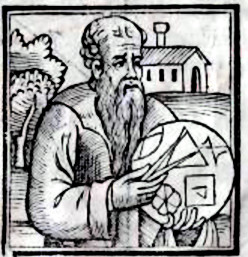
Legendary Hellenistic mathematician and astronomer active in Alexandria, known as 'The Great Geometer', whose eight-volume treatise 'Conics' introduced the fundamental terms ellipse, parabola, and hyperbola.
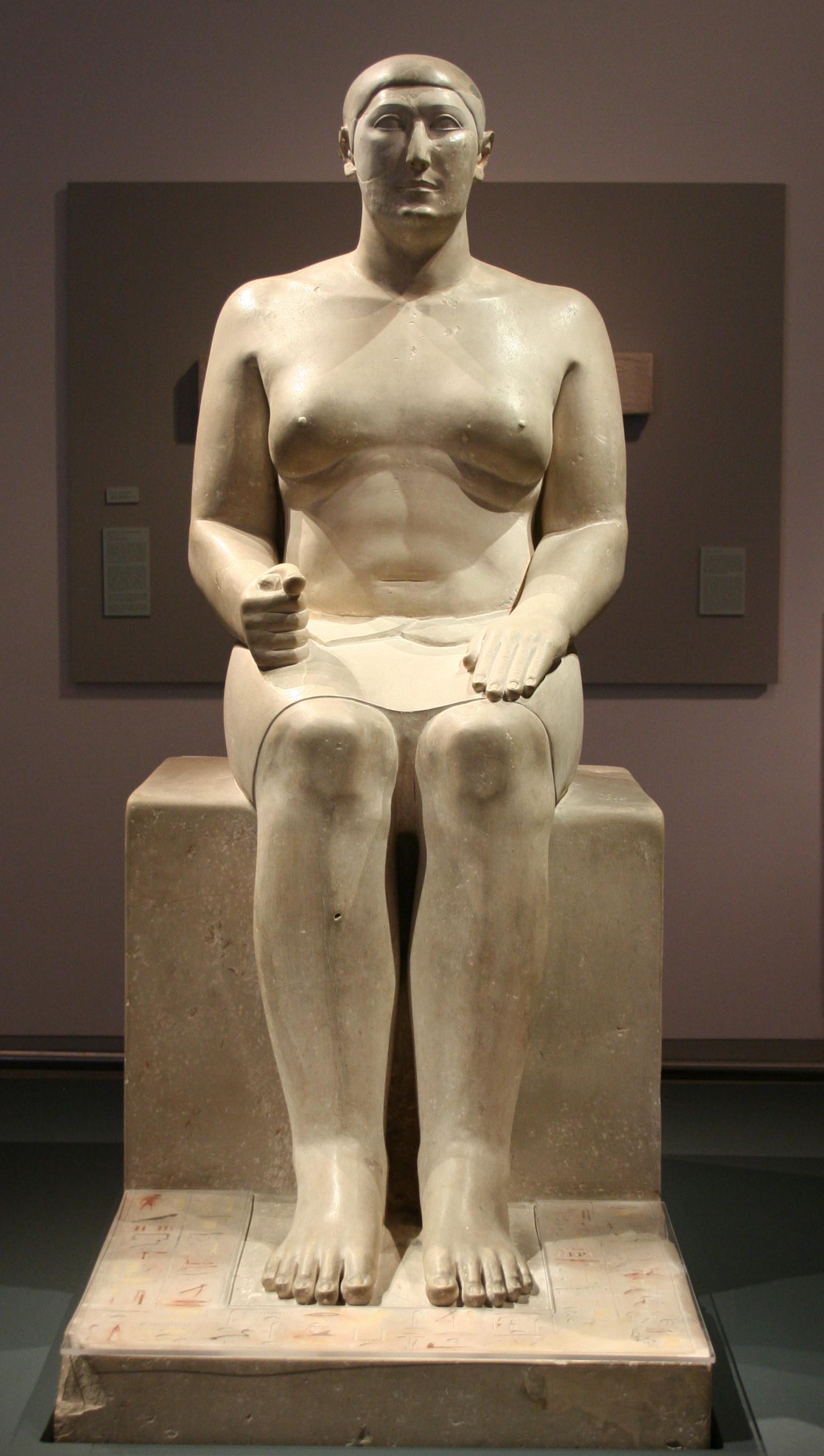
Prince and Vizier of the Fourth Dynasty of Egypt who directed the royal engineering works under King Khufu, universally recognized by historians and archaeologists as the chief architect of the Great Pyramid of Giza.
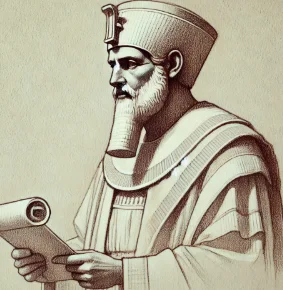
Eminent native Egyptian priest and historian from Sebennytos who wrote the landmark 'Aegyptiaca' (History of Egypt) in Greek for King Ptolemy II, establishing the chronological framework of thirty dynasties that remains foundational to modern Egyptology.
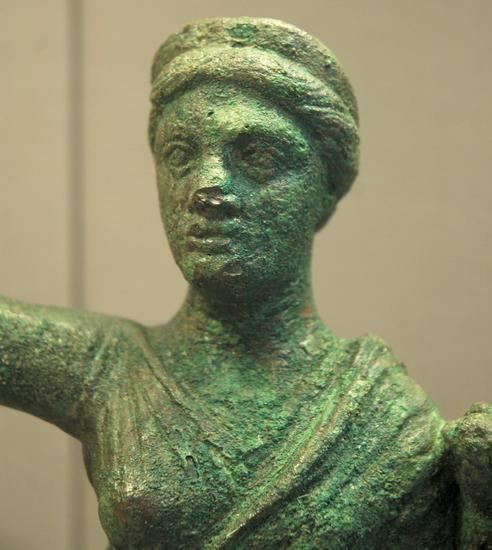
Astute and formidable Ptolemaic queen who ruled first as Queen of Thrace and Macedonia, and later as co-ruler and Pharaoh of Egypt alongside her brother Ptolemy II Philadelphus, deified as a living goddess across the Mediterranean.