Public Figures & Cultural Luminaries
Filterable archive covering centuries of intellectual, artistic, and moral contributions to the human story.
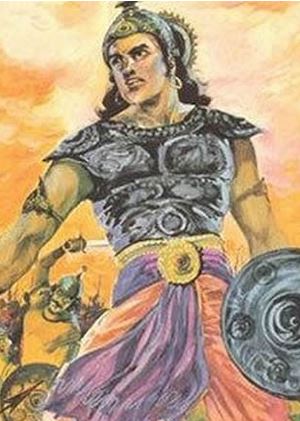
Chandragupta II
 (चन्द्रगुप्त विक्रमादित्य)
Greatest emperor of the Gupta Golden Age of India, celebrated as 'Vikramaditya' (Sun of Valor), who conquered the Western Kshatrapas, extended maritime trade across the Arabian Sea, and patronized the 'Nine Jewels' of classical arts and science, including Kalidasa.
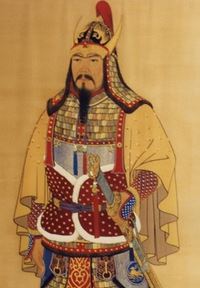
King Gwanggaeto the Great
 (광개토대왕 (고구려 광개토왕))
Nineteenth monarch of the ancient Korean kingdom of Goguryeo (391–413 CE) whose posthumous name means 'Broad Expander of Territory', who conquered sixty-four walled cities and 1,400 villages, transforming Goguryeo into a grand imperial power across Manchuria and the Korean Peninsula.
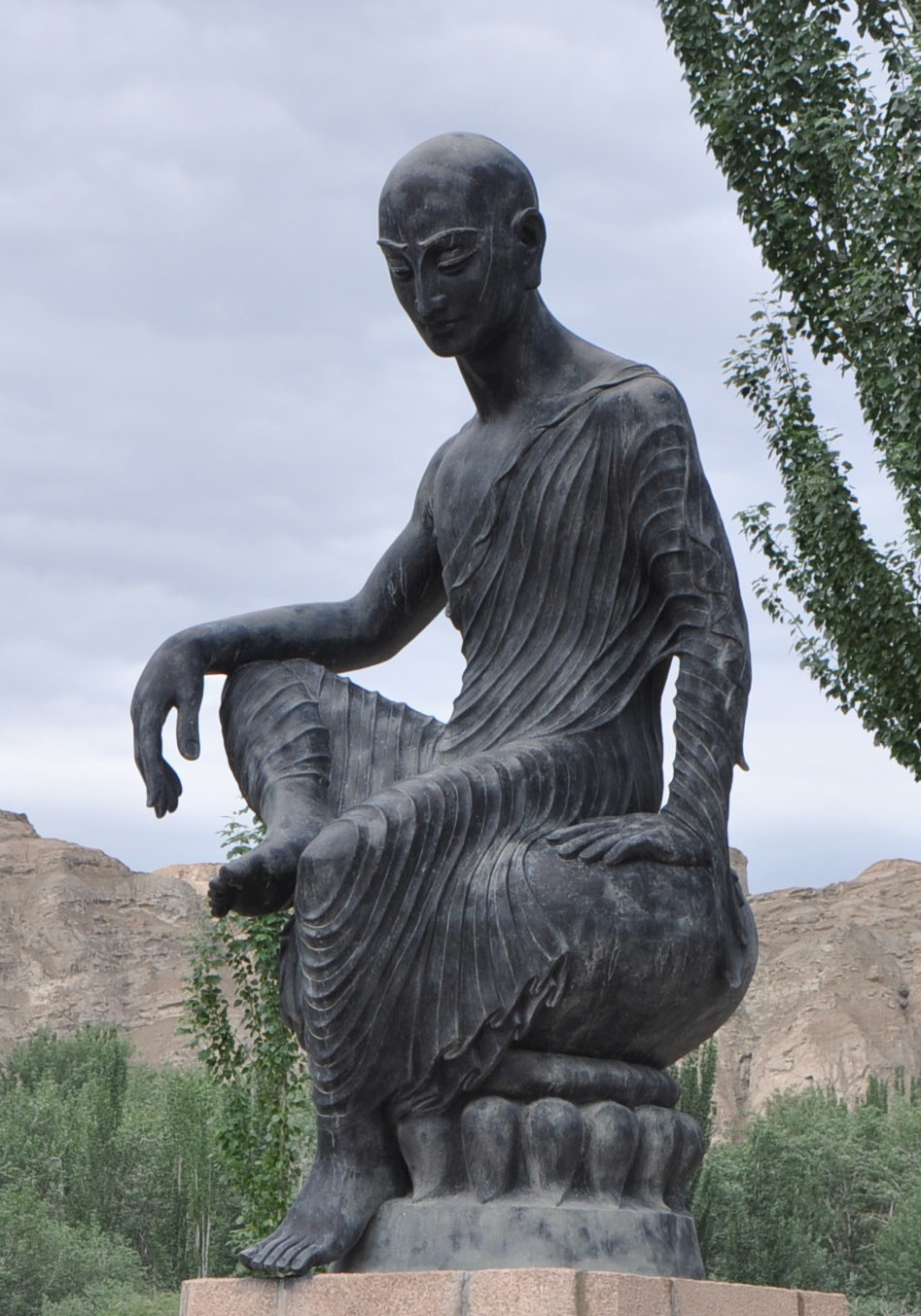
Kumarajiva
(鳩摩羅什)
Kuchean Buddhist monk and scholar whose legendary translations into classical Chinese—including the Diamond, Lotus, and Vimalakirti Sutras—defined East Asian Buddhist literature.
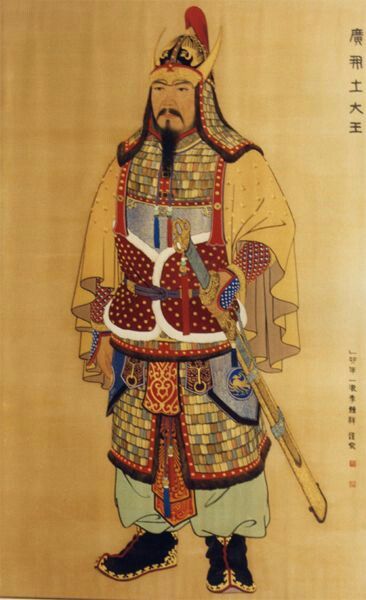
Gwanggaeto the Great of Goguryeo
(광개토대왕 / 廣開土大王)
Nineteenth monarch of Goguryeo whose brilliant military campaigns forged a vast empire spanning Manchuria, northern Korea, and Maritime Siberia.
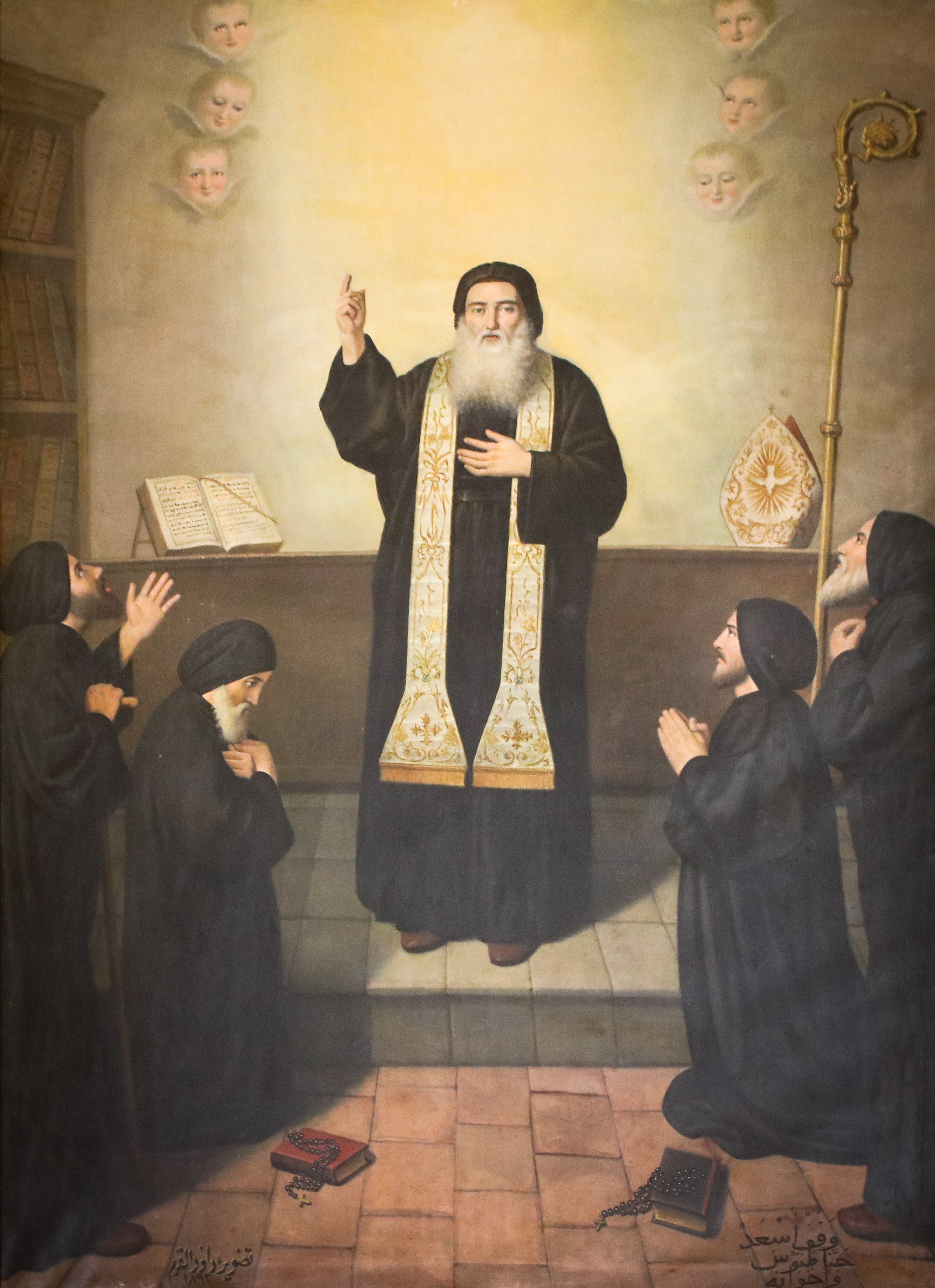
Maron
 (ܡܪܘܢ)
4th-century Syriac Christian monk and hermit whose open-air asceticism and spiritual healing founded the Maronite monastic tradition and Maronite Church.
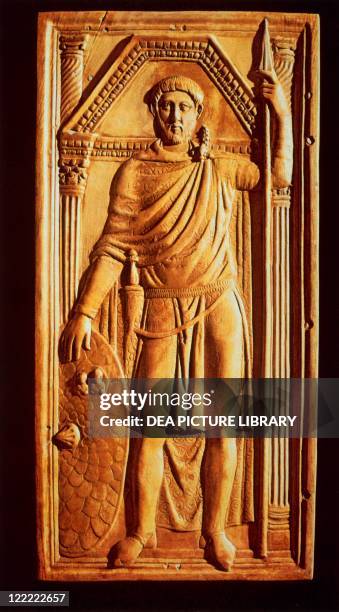
Flavius Stilicho
 (Flavius Stilicho)
High-ranking Roman general of Vandal heritage who served as guardian of Emperor Honorius and repeatedly defeated Alaric and Radagaisus to defend Italy.
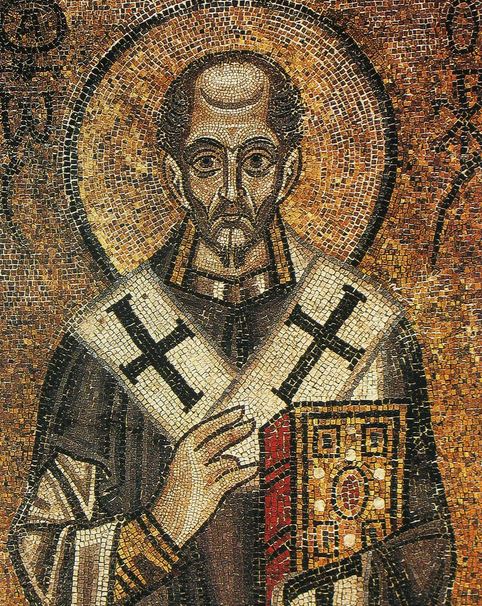
John Chrysostom (Archbishop of Constantinople)
(Ἰωάννης ὁ Χρυσόστομος)
Celebrated as the "Golden-Mouthed" for his peerless preaching against imperial corruption and social exploitation. Author of the Divine Liturgy celebrated by millions of Eastern Orthodox Christians worldwide.
Hannibal Gisco
 (حنبعل جيسكو)
Grandson of Hamilcar I who was elected Suffete of Carthage in 410 BC, commanding victorious Punic armies at Selinus and Himera before succumbing to camp plague at Agrigentum.
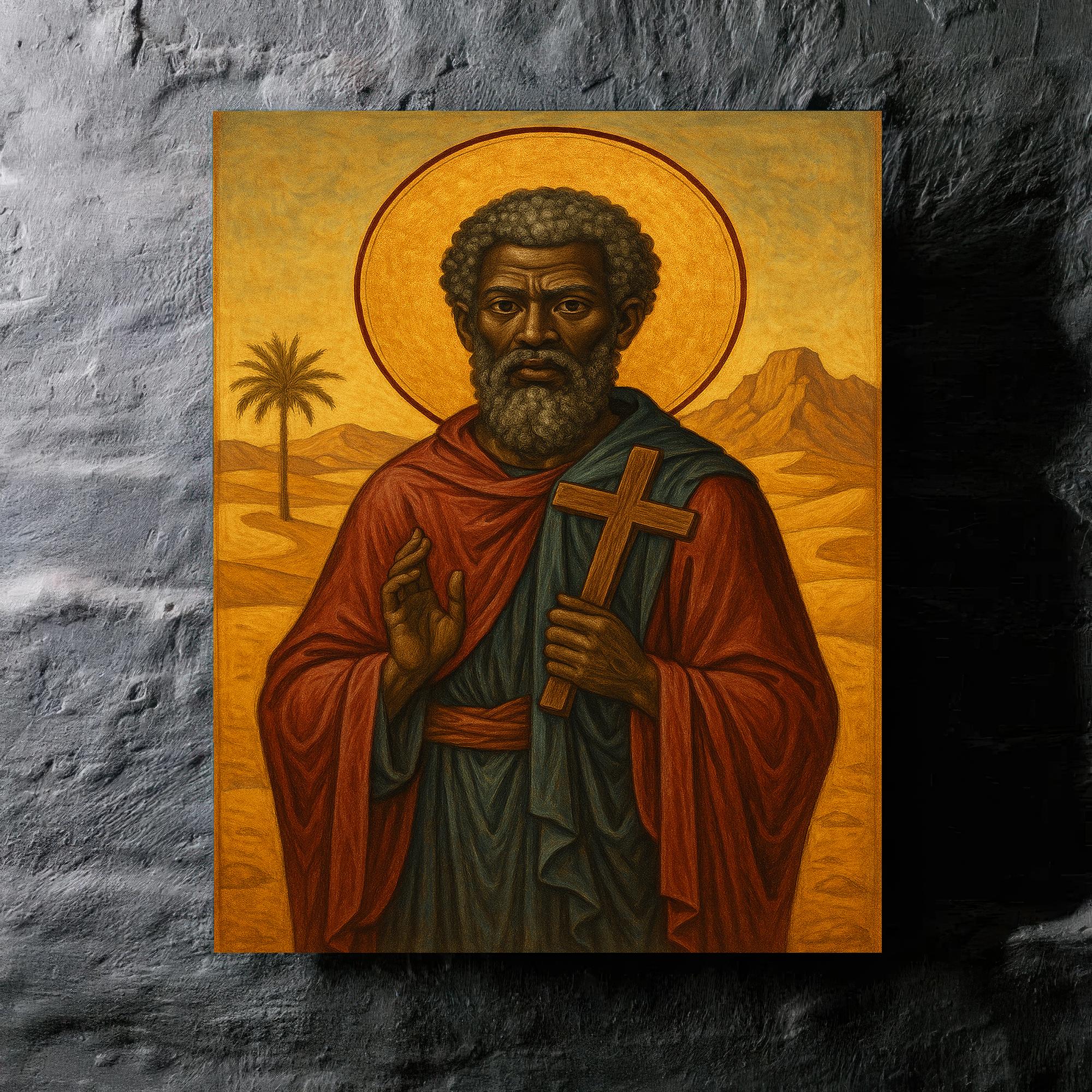
Saint Moses the Black
 (Ⲙⲱⲩⲥⲏⲥ)
Formidable 4th-century Egyptian Desert Father who transformed from a feared bandit leader into an apostle of radical non-violence and compassion, martyred in Wadi al-Natrun while refusing to use his sword.
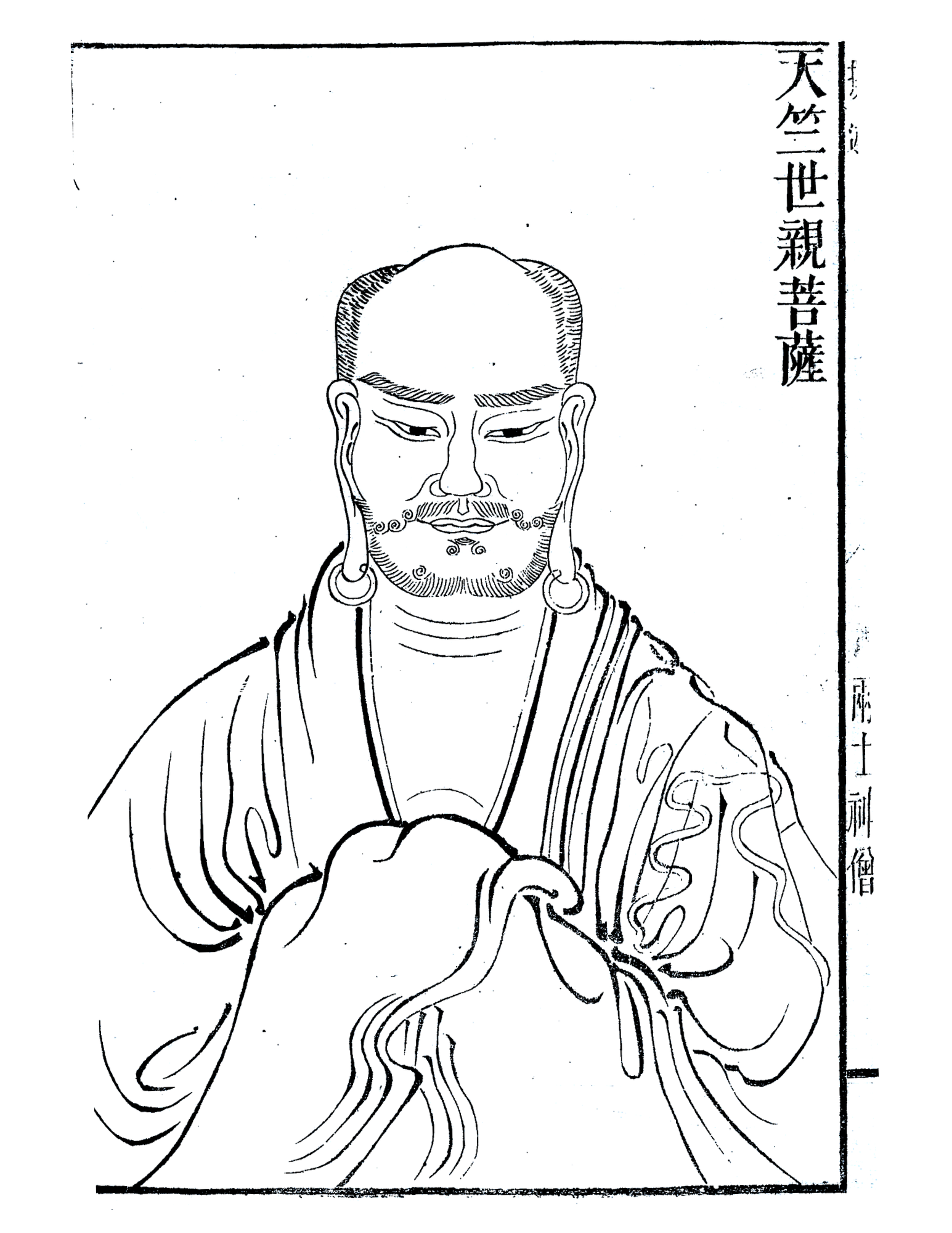
Vasubandhu
 (वसुबन्धु)
Peerless 4th-century Buddhist philosopher who authored the encyclopedic 'Abhidharmakosha' before converting to Mahayana under his brother Asanga, co-founding the Yogacara (Mind-Only / Vijnanavada) philosophical school.
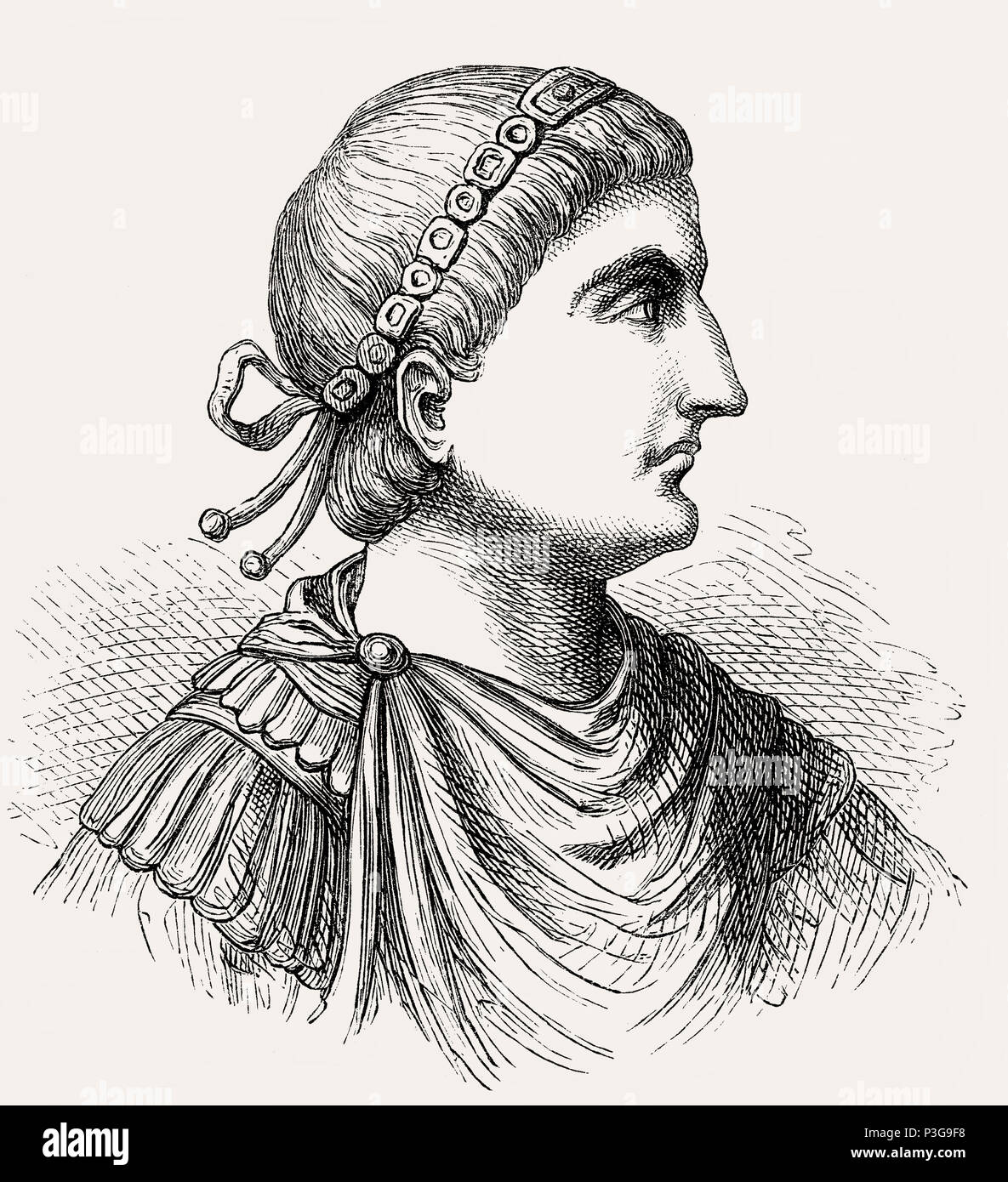
Theodosius I (Theodosius the Great)
 (Flavius Theodosius Augustus)
Last emperor to rule both the Eastern and Western halves of the Roman Empire, who established Nicene Christianity as state religion.
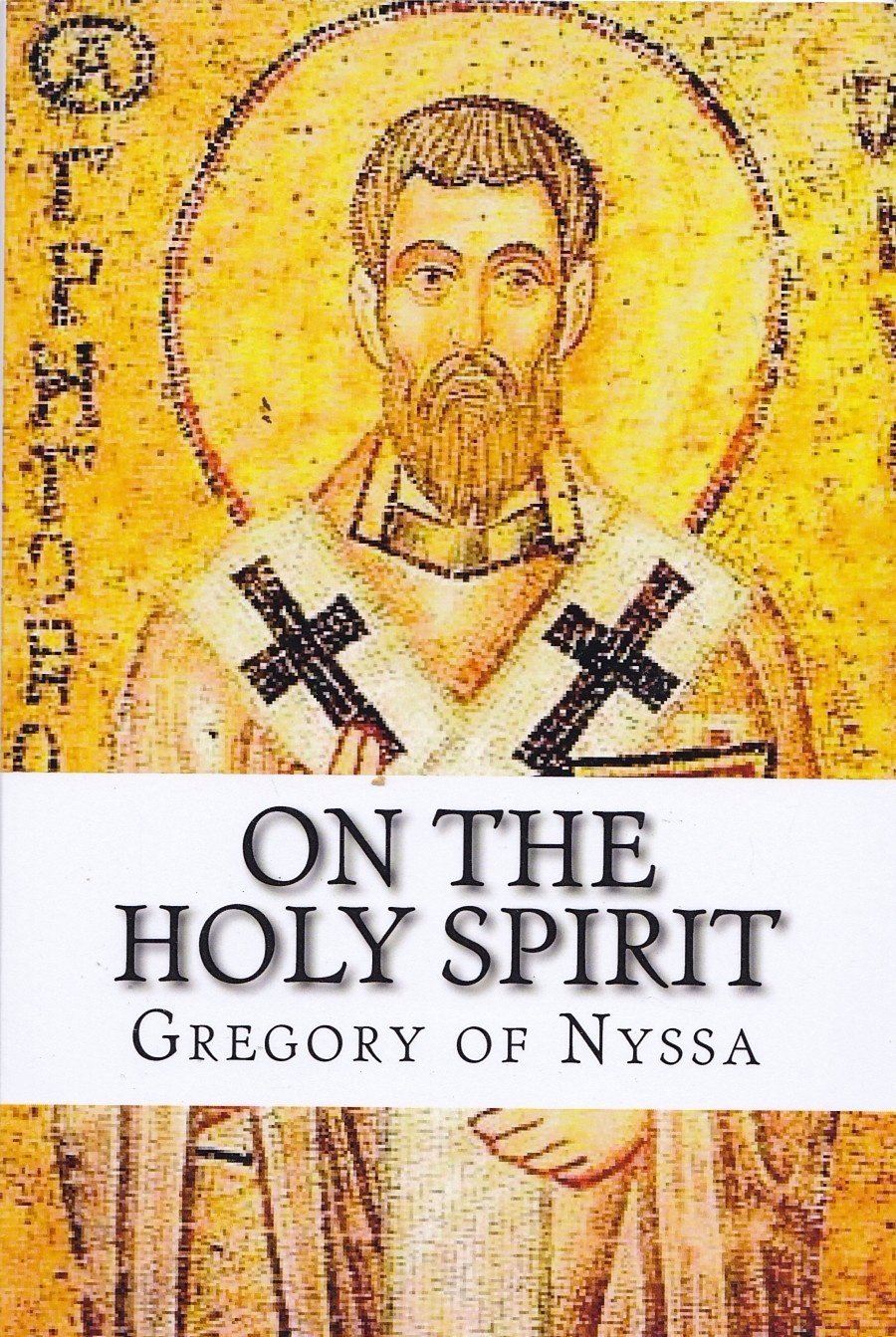
Gregory of Nyssa (Γρηγόριος Νύσσης)
Cappadocian Father and mystical philosopher who integrated Christian metaphysics with the doctrine of epektasis, the endless spiritual journey into divine love.
Saint Macarius the Great
(Ⲙⲁⲕⲁⲣⲓⲟⲥ)
Pivotal 4th-century Desert Father and ascetic who founded the monastic haven of Scetis in the Nitrian Desert (Wadi al-Natrun), author of the Fifty Spiritual Homilies that shaped Eastern and Western contemplative mysticism.
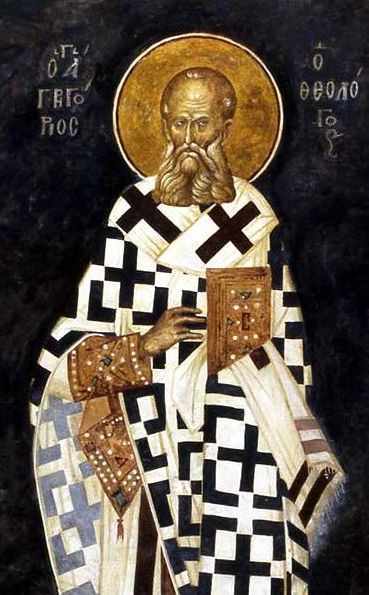
Gregory of Nazianzus
 (Γρηγόριος ὁ Ναζιανζηνός)
Cappadocian Father, Archbishop of Constantinople, and supreme poet-theologian whose Five Theological Orations shaped Nicene Trinitarian orthodoxy in 381.

Saint Monica of Thagaste
 (Monica)
Revered 4th-century Berber Christian saint born in Thagaste (Souk Ahras), whose devotion, wisdom, and tears inspired the conversion of Saint Augustine.
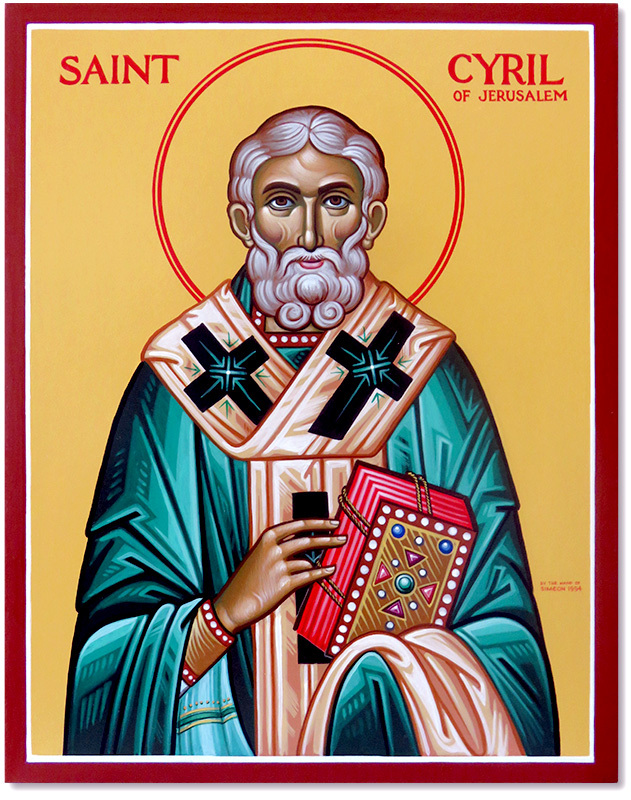
Cyril of Jerusalem (Κύριλλος Ἱεροσολύμων)
Bishop of Jerusalem and Doctor of the Church whose Catechetical Lectures preserve the most complete fourth-century account of Christian baptism and liturgy.
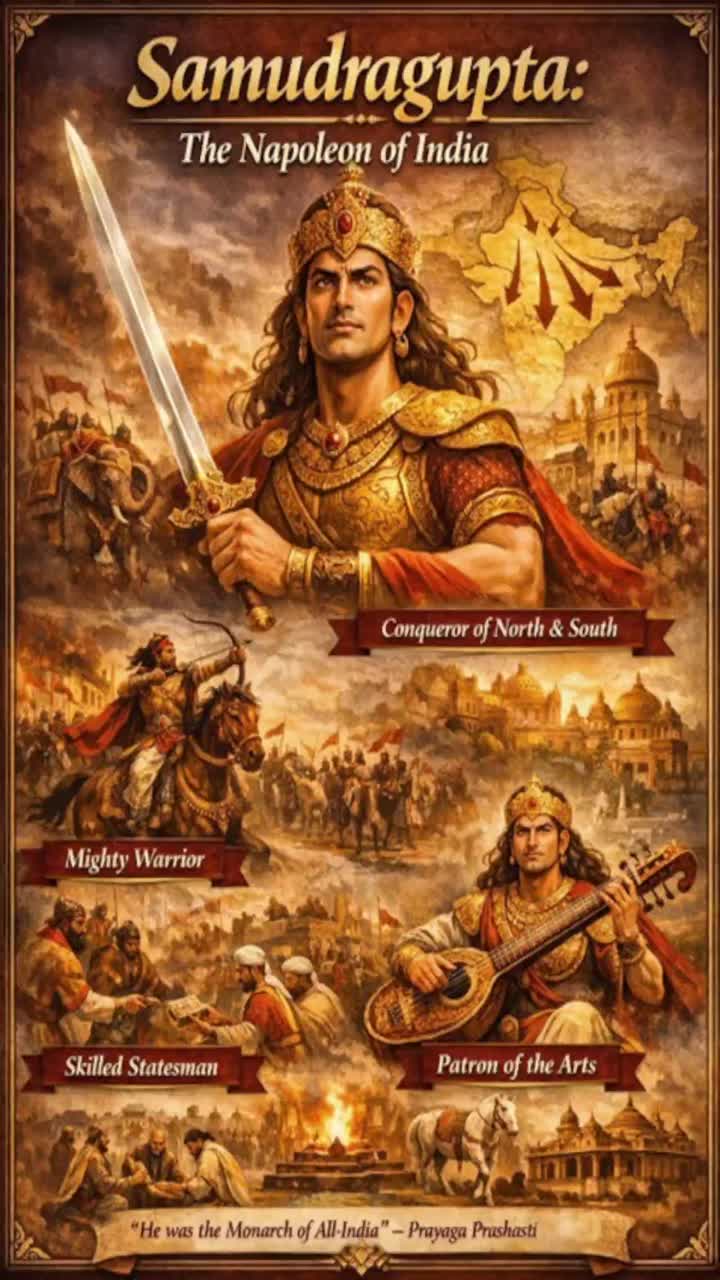
Samudragupta (Napoleon of India)
(समुद्रगुप्त)
Greatest conqueror of the Gupta Empire whose undefeated military campaigns and patronage of arts and music ushered in India's Golden Age.
Shapur II
 (شاپور دوم (شاهپور ذوالأکتاف))
Tenth King of Kings of the Sasanian Empire (309–379 CE) whose reign spanned seventy years—having been crowned before birth—who defeated Roman Emperor Julian at the Battle of Samarra and expanded the Sasanian golden age from Mesopotamia to Central Asia.