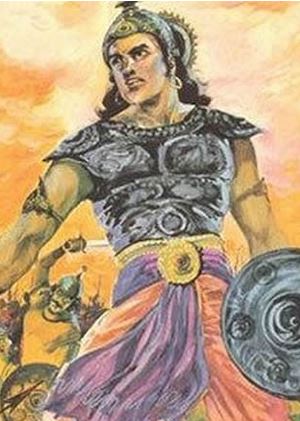
Archival Overview
Greatest emperor of the Gupta Golden Age of India, celebrated as 'Vikramaditya' (Sun of Valor), who conquered the Western Kshatrapas, extended maritime trade across the Arabian Sea, and patronized the 'Nine Jewels' of classical arts and science, including Kalidasa.
Biographical Record
Chandragupta II (c. 375–415 CE) succeeded his father Samudragupta, inheriting an empire spanning northern India. Completing the conquest of the Western Kshatrapas in Gujarat and Malwa, Chandragupta gave the Gupta Empire direct access to the wealthy western Arabian Sea ports (Bharuch, Cambay), igniting immense commercial prosperity.
His royal court in Ujjain became the cultural capital of the ancient world, home to the 'Navaratnas' (Nine Jewels): dramatist Kalidasa, astronomer Varahamihira, physician Dhanvantari, and lexicographer Amarasimha. Chinese Buddhist pilgrim Faxian visited India during his reign, marveling at the peace, prosperity, free hospitals, and absence of corporal punishment across the empire.
Key Life Milestones
Conquest of the Western Satraps
Annexed Gujarat and Malwa, securing maritime trade routes to Rome, Arabia, and Persia.
The Golden Age Documented by Faxian
The Chinese pilgrim Faxian documented the peaceful, prosperous, and charitable administration of Gupta India.
Memorial Guestbook & Tributes
0 messages recordedLeave a Respectful Tribute
Final Resting Place
Perpetual MemorialUjjain (Madhya Pradesh), India