Abraham Ortelius
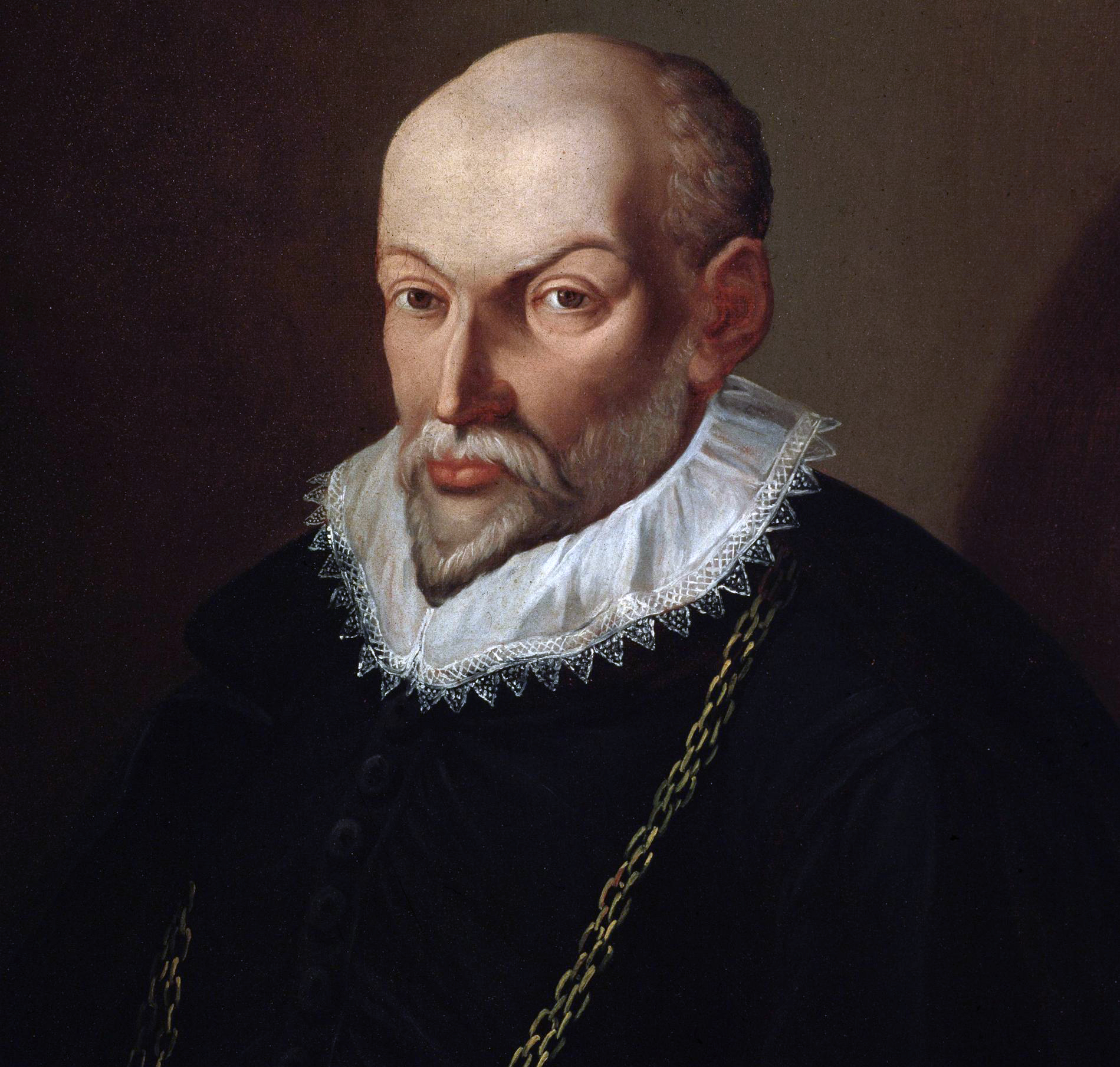
Antwerp cartographer and humanist scholar who created the world's first modern atlas, Theatrum Orbis Terrarum (1570), and was the first to propose the concept of continental drift.
Start typing to search worldwide archives and community tributes
Filterable archive covering centuries of intellectual, artistic, and moral contributions to the human story.
Antwerp cartographer and humanist scholar who created the world's first modern atlas, Theatrum Orbis Terrarum (1570), and was the first to propose the concept of continental drift.
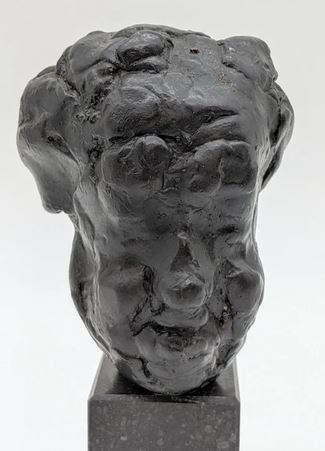
Early Dey of Tunis who stabilized the military republic of the Janissaries, regularized taxation across northern Tunisia, and patronized the early construction of civic buildings in the medina.
Dutch Jesuit, Doctor of the Church, and 'Second Apostle of Germany' who restored the Catholic Church across Germany, Austria, and Switzerland through three master catechisms.
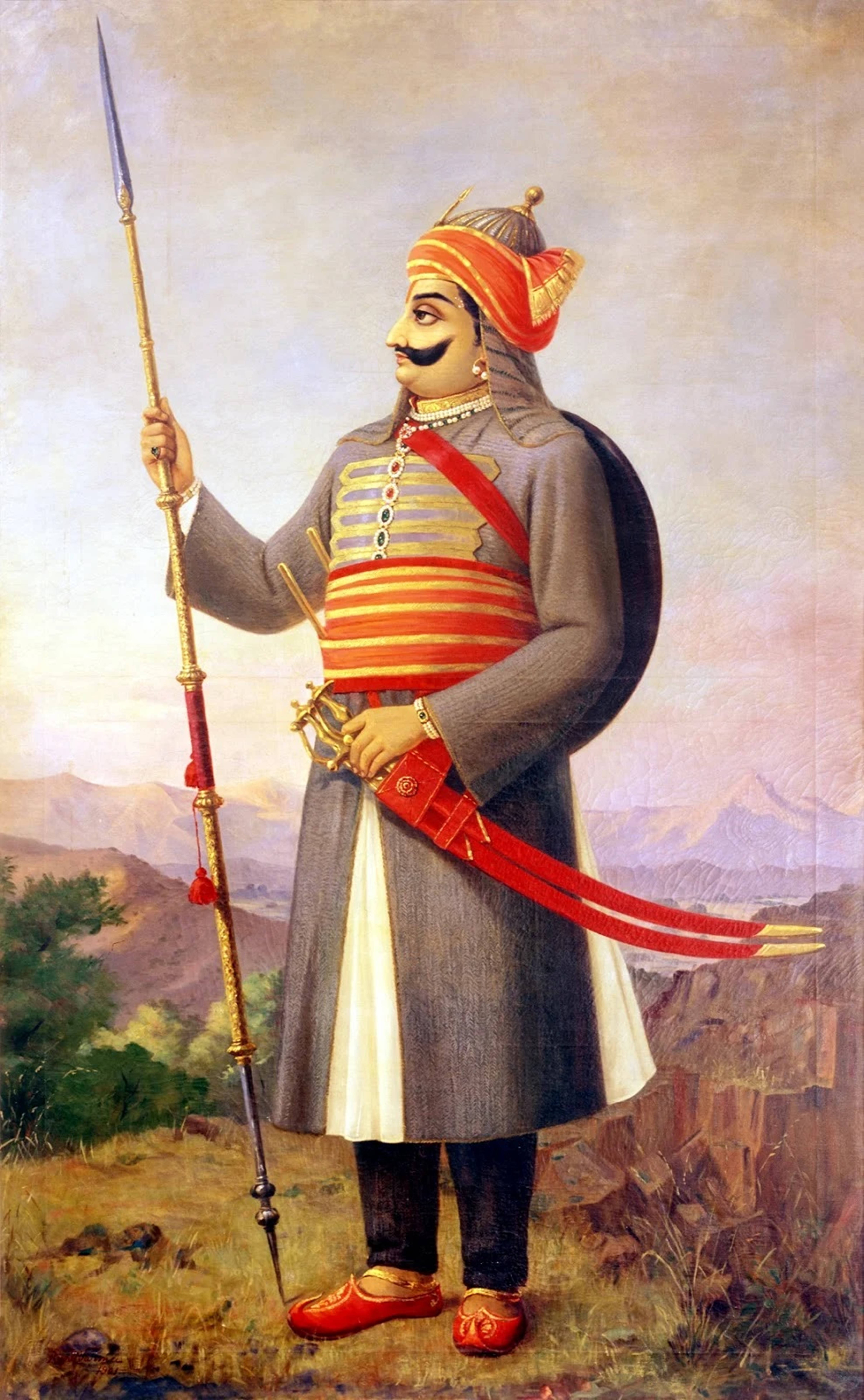
Thirteenth king of Mewar celebrated as the supreme hero of Rajput resistance, who refused to submit to Mughal Emperor Akbar and fought the epic Battle of Haldighati in 1576 with his loyal horse Chetak.
Ottoman Grand Vizier and supreme commander who led the massive armada of 250 ships that conquered the Spanish fortress of La Goulette and liberated Tunis in August 1574, incorporating Tunisia into the Ottoman Empire.
Italian Late Renaissance poet whose heroic epic Gerusalemme Liberata (Jerusalem Delivered) fused Christian chivalric grandeur with melancholy passion.
Moroccan military commander who succeeded Judar Pasha in 1591 as Pasha of Timbuktu, consolidating Saadian control over the Niger Bend before falling in battle in the Hombori hills.
Towering Flemish cartographer, geographer, and mathematician whose 1569 Mercator projection transformed nautical navigation and who first coined the word 'Atlas' for a collection of maps.
Franco-Flemish polyphonist of the late Renaissance, celebrated alongside Palestrina as the supreme master of European vocal music, madrigals, motets, and penitential psalms.
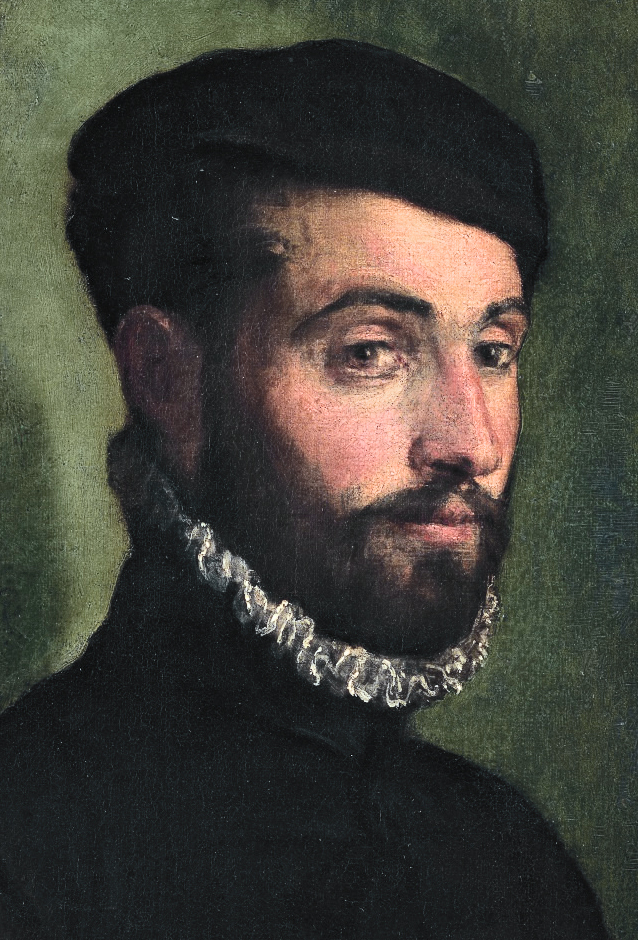
Venetian Renaissance giant nicknamed 'Il Furioso' for his ferocious brushwork, daring perspective, and theatrical lighting.
Supreme master of Renaissance polyphony whose serene, balanced contrapuntal style in over 105 masses (notably the Missa Papae Marcelli) established the eternal aesthetic benchmark for Catholic sacred liturgical music.
Pioneering Elizabethan dramatist and poet who perfected English blank verse with 'Marlowe's mighty line' in Tamburlaine and Doctor Faustus.
French Renaissance humanist and Bishop of Auxerre whose magnificent French translation of Plutarch's Parallel Lives shaped modern French literary prose and inspired Montaigne and William Shakespeare.
Greatest pharmacologist and naturalist in Chinese history, who spent 27 years compiling the monumental Bencao Gangmu (Compendium of Materia Medica), cataloging 1,892 drugs and 11,096 prescriptions.
French Renaissance thinker who invented the essay as a philosophical genre, pioneering skeptical humanism, intellectual modesty, and the immortal question 'Que sais-je?' (What do I know?).
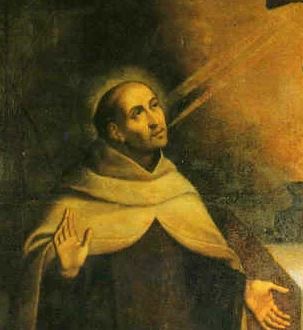
Foremost mystical poet of the Spanish language and Doctor of the Church. Authored Dark Night of the Soul and Spiritual Canticle, illuminating the purification of the spirit through suffering into union with divine light.
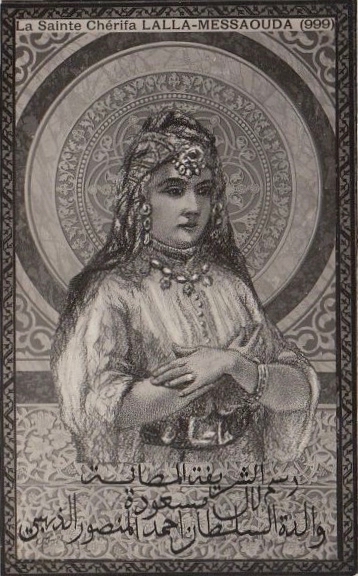
Influential Saadian Queen Mother, wife of Mohammed ash-Sheikh and mother of Ahmad al-Mansur, revered as 'Al-Hurra' for her extensive public works, schools, bridges, and care for the impoverished.
Revered royal surgeon who revolutionized battlefield medicine by replacing boiling oil with soothing egg-yolk ointments, inventing arterial ligature for amputations, and creating modern prosthetic limbs.