 Italy
•
8 views
Italy
•
8 views
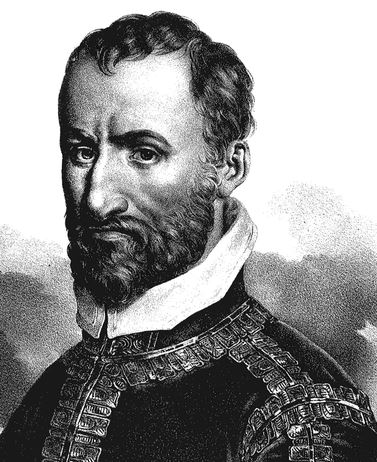
Giovanni Pierluigi da Palestrina

Palestrina (Rome), Italy
Archival Overview
Supreme master of Renaissance polyphony whose serene, balanced contrapuntal style in over 105 masses (notably the Missa Papae Marcelli) established the eternal aesthetic benchmark for Catholic sacred liturgical music.
Biographical Record
Giovanni Pierluigi da Palestrina (1525–1594) was born in the hill town of Palestrina near Rome. Serving as maestro di cappella at Santa Maria Maggiore and the Cappella Giulia at St. Peter's Basilica, Palestrina composed sacred music during the tumultuous Counter-Reformation and the Council of Trent.
Legend famously recounts that when the Council of Trent considered banning complex polyphonic church music because words were obscured by intertwining voices, Palestrina composed the radiant Missa Papae Marcelli (c. 1562), proving that polyphony could achieve sublime textual intelligibility and devotional reverence. His strict rules of consonance and dissonance handling became the foundational basis of classical counterpoint.
Key Life Milestones
Composition of the Missa Papae Marcelli
Composed the polyphonic mass for Pope Marcellus II, demonstrating text intelligibility and saving church polyphony.
Maestro di Cappella of the Julian Chapel for Life
Reappointed musical director of St. Peter's Basilica by Pope Pius V, cementing his status as Prince of Music.
Memorial Guestbook & Tributes
0 messages recordedLeave a Respectful Tribute
Final Resting Place
Perpetual MemorialRome, Italy