Public Figures & Cultural Luminaries
Filterable archive covering centuries of intellectual, artistic, and moral contributions to the human story.
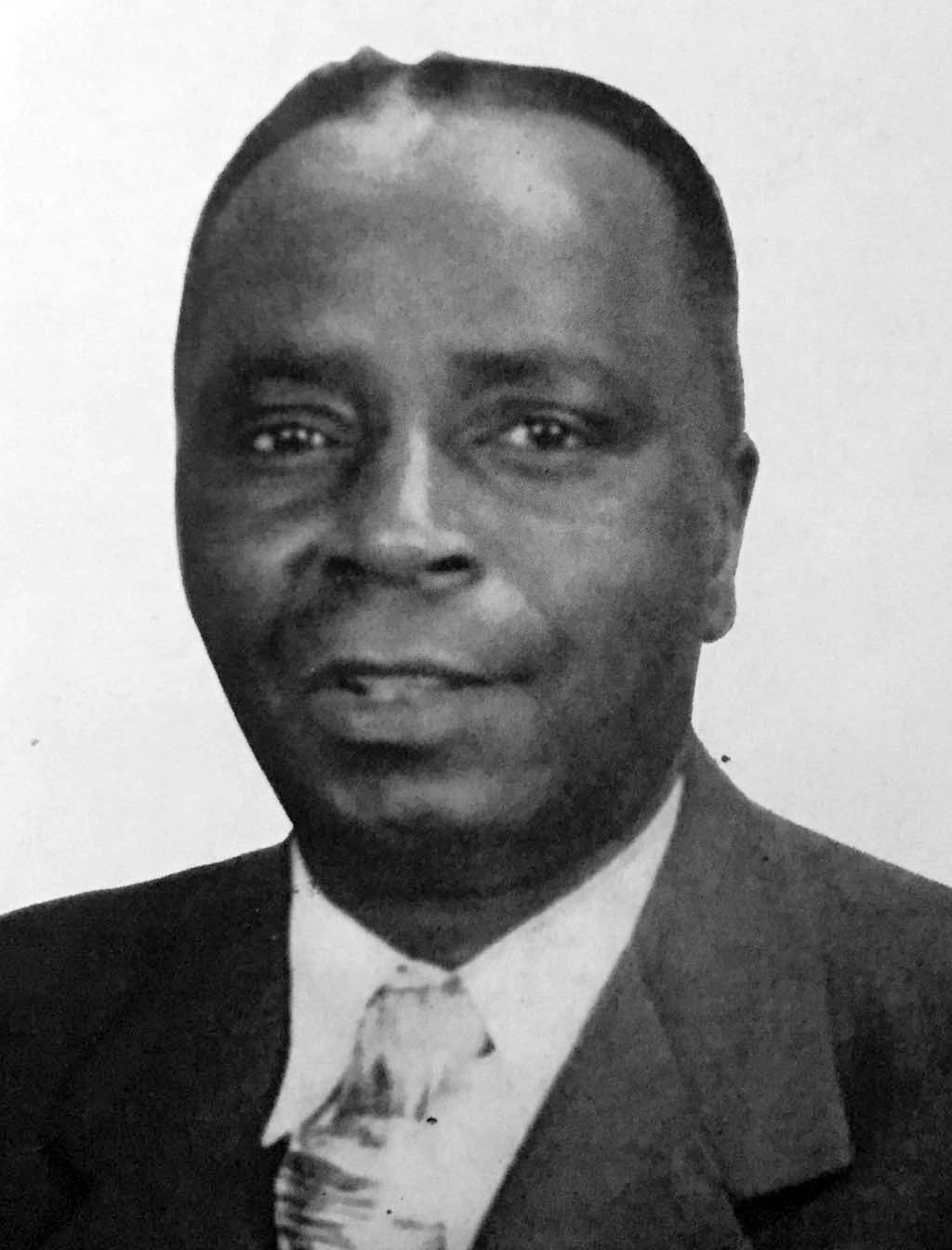
Clements Kadalie
 (Clements Kadalie)
Charismatic Malawian-born trade unionist who founded the Industrial and Commercial Workers' Union (ICU) in Cape Town in 1919, building Africa's first mass trade union of over 100,000 members.
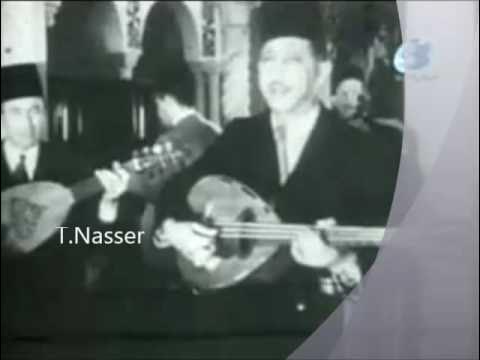
Cheikh Khelifa Belkacem
 (الشيخ خليفة بلقاسم)
Pioneering master of modern Chaabi music whose dazzling mandole fingerwork and rhythmic innovation revolutionized the Casbah musical landscape in the 1930s.
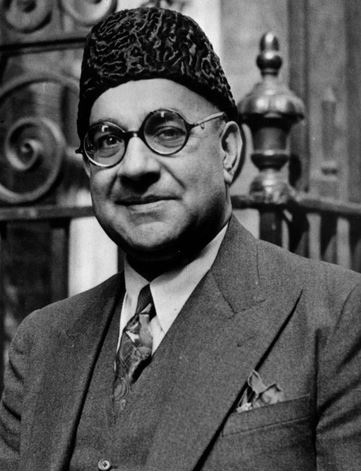
Liaquat Ali Khan
 (لیاقت علی خان)
Consolidated Pakistan's state institutions, currency, and military apparatus amidst catastrophic refugee displacement after Partition.
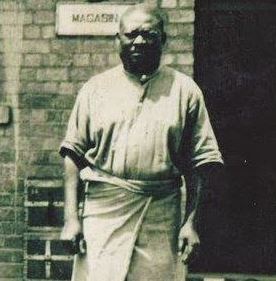
Papa Simon Kimbangu
 (Simon Kimbangu)
Congolese Baptist catechist who began a miraculous healing ministry at Nkamba in 1921. Imprisoned for thirty years by Belgian colonial authorities, his steadfast non-violence inspired the Kimbanguist Church of millions.
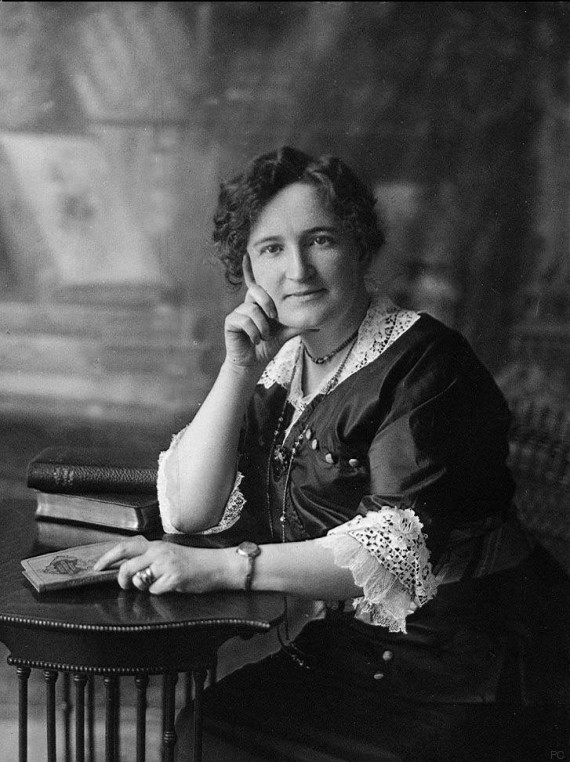
Nellie McClung
 (Nellie Letitia McClung)
Celebrated orator and suffragist of the 'Famous Five' whose satirical mock parliament in 1914 won Manitoba women the vote in 1916, and whose Persons Case victory in 1929 established that women are legal persons.
Louis Jouvet
 (Louis Jouvet)
Monumental French theatrical and film director and actor whose rhythmic, halting diction, role as Doctor Knock ('Every healthy person is a sick person who doesn't know it'), and staging of Jean Giraudoux and Molière revolutionized French theater.
King Abdullah I
 (عبد الله الأول بن الحسين)
Founding monarch of Jordan who led the Great Arab Revolt, established Transjordan in 1921, and proclaimed the Hashemite Kingdom in 1946.
Riad Al Solh
 (رياض الصلح)
First Prime Minister of independent Lebanon who co-authored the 1943 National Pact, establishing Christian-Muslim power-sharing.
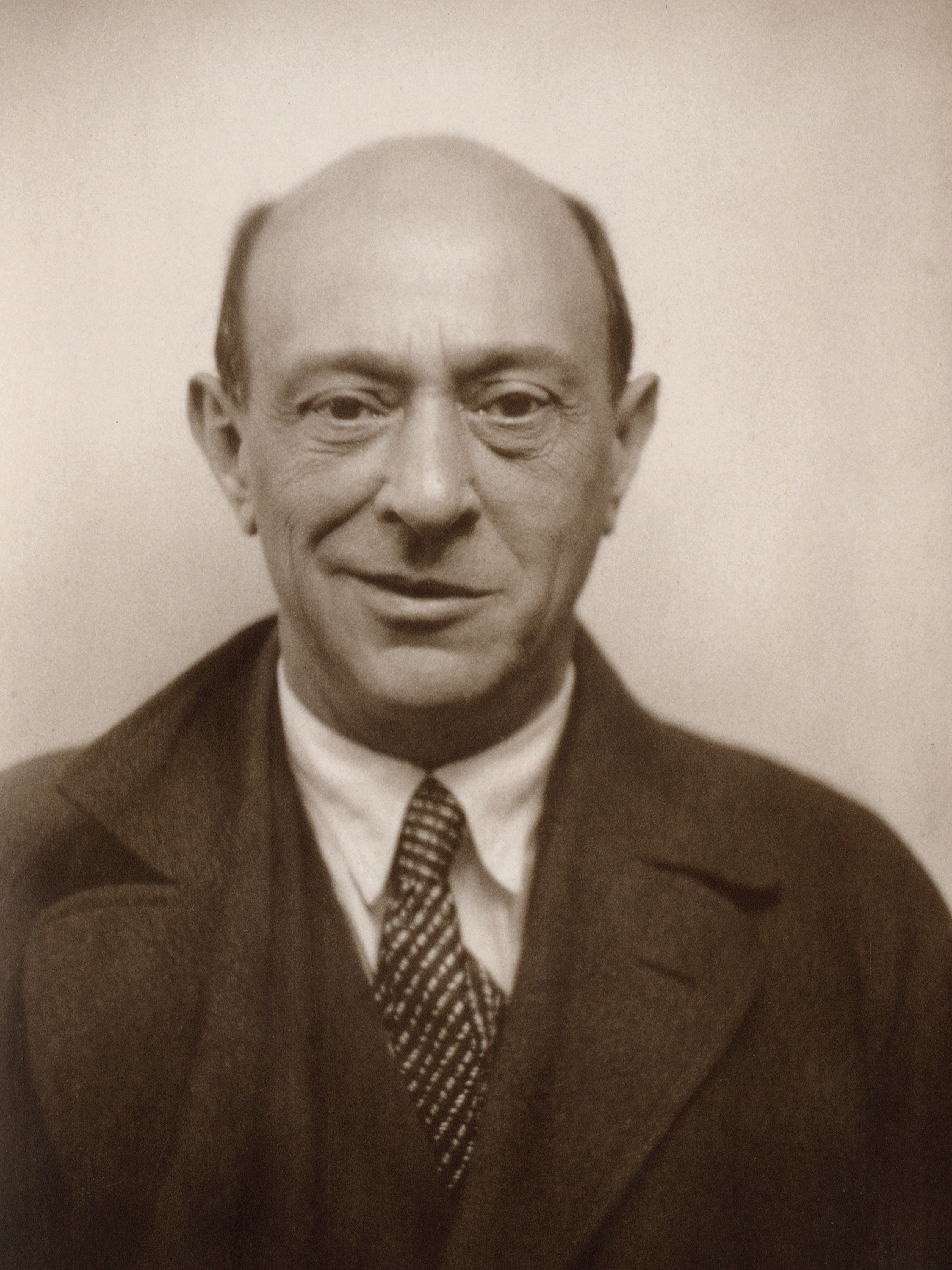
Arnold Schoenberg
 (Arnold Franz Walter Schoenberg)
Austrian-American modern composer and pioneer of atonality and the twelve-tone serial technique.
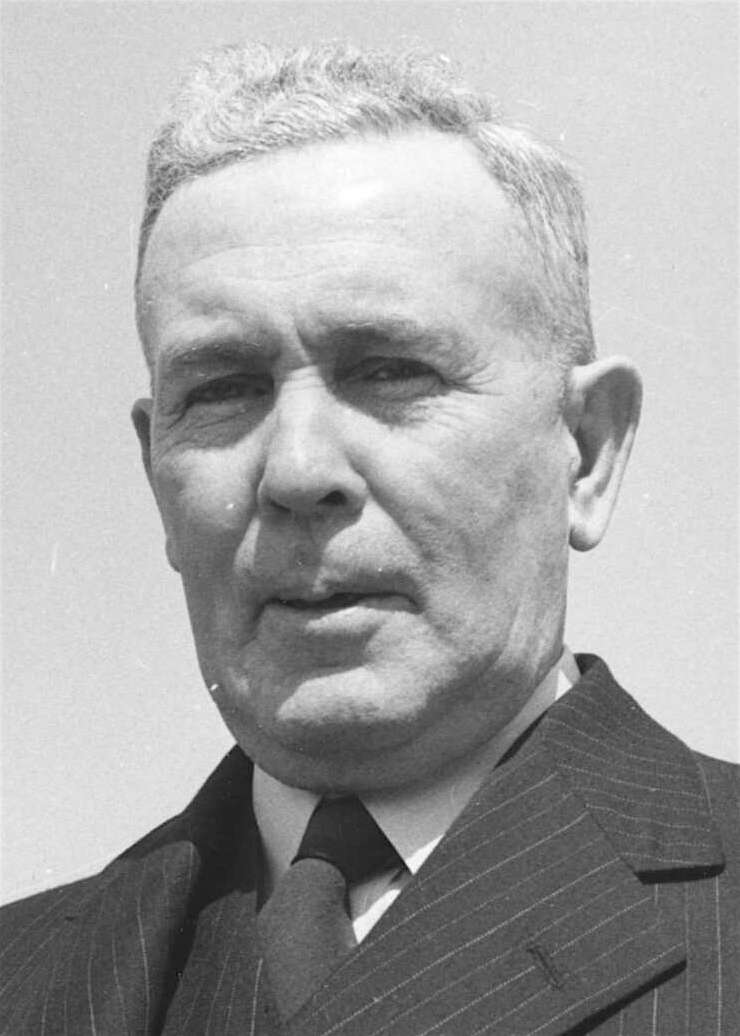
Ben Chifley
 (Joseph Benedict Chifley)
Sixteenth Prime Minister of Australia (1945–1949), former steam locomotive driver who led Australia's transformative post-war reconstruction, created national unemployment benefits, established the Australian National University, and launched the Snowy Mountains Hydro Scheme.
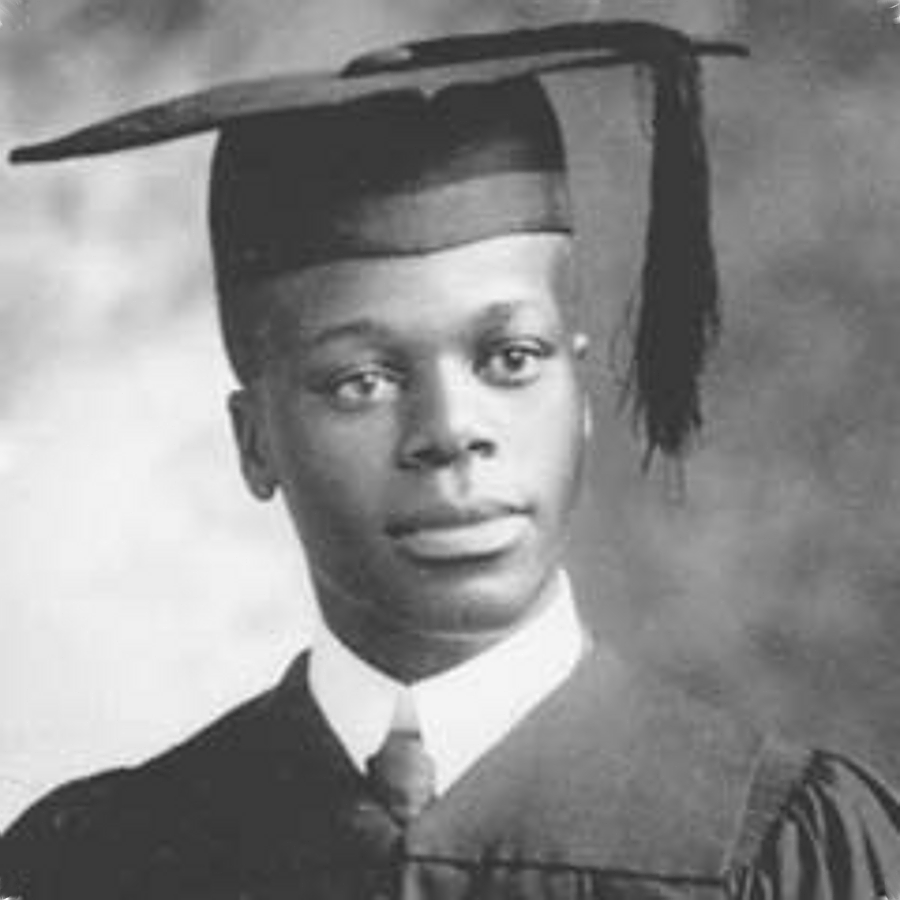
Pixley ka Isaka Seme
 (Pixley ka Isaka Seme)
Visionary lawyer and intellectual who delivered the famous 1906 'Regeneration of Africa' address at Columbia University and conceived the founding of the ANC.
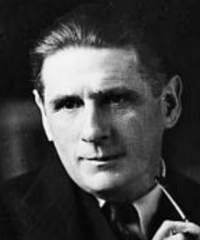
Hermann Broch
(Hermann Broch)
Major twentieth-century philosophical novelist whose ambitious masterpieces, including the trilogy 'The Sleepwalkers' and 'The Death of Virgil', explored the breakdown of values in modern European civilization.
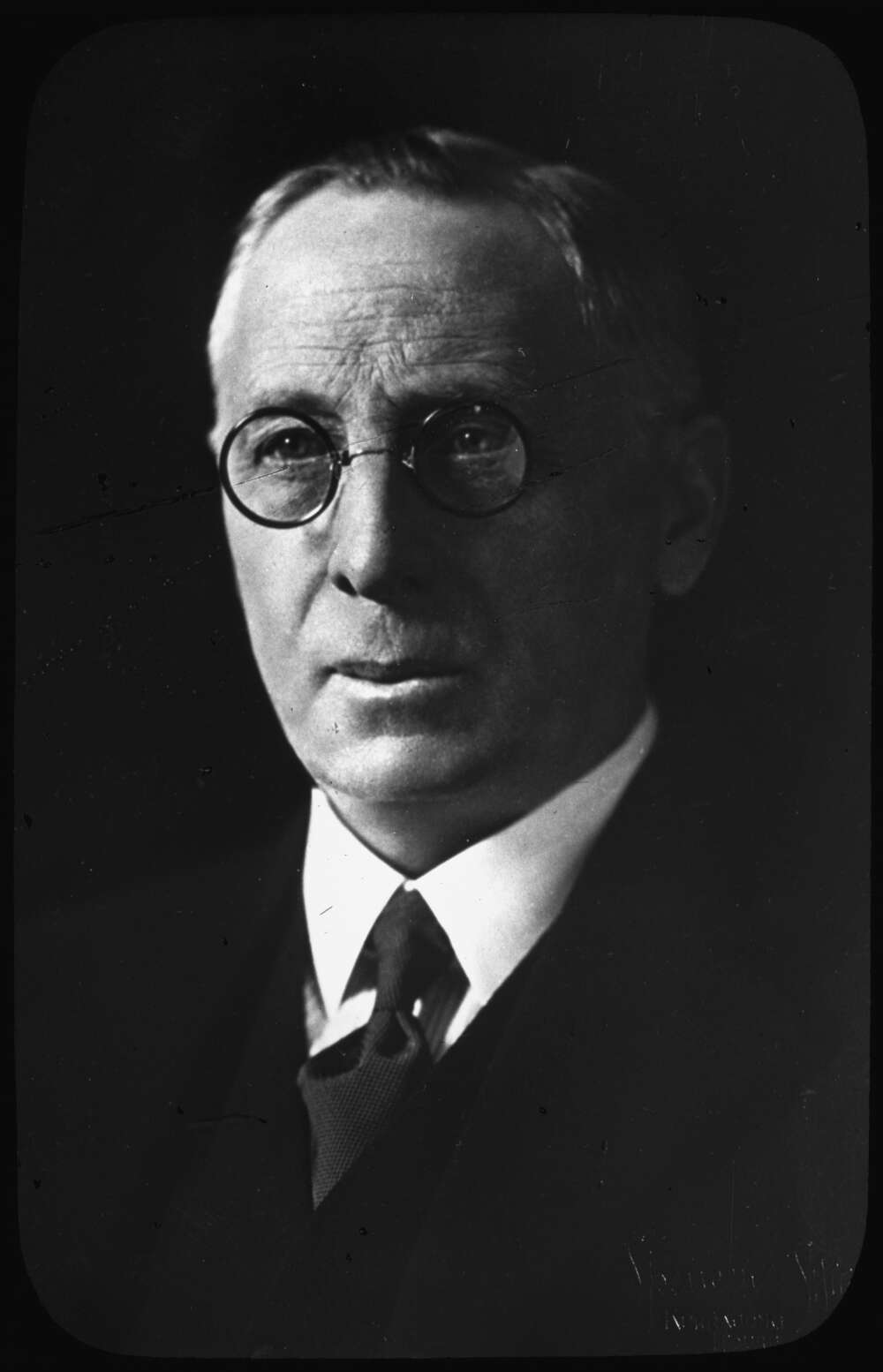
John Flynn
(John Flynn)
Presbyterian minister and visionary known as 'Flynn of the Inland' who founded the Royal Flying Doctor Service in 1928, creating a 'mantle of safety' across two million square miles of the Australian Outback.
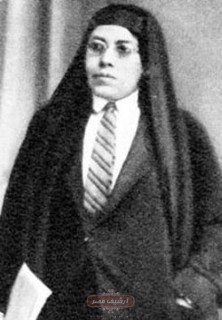
Nabawiyya Musa
 (نبويات موسى)
First Egyptian woman to obtain a high school baccalaureate (1907) and first female headmistress in Egypt, who established independent girls' schools and the Tarqiyat al-Fatah journal.
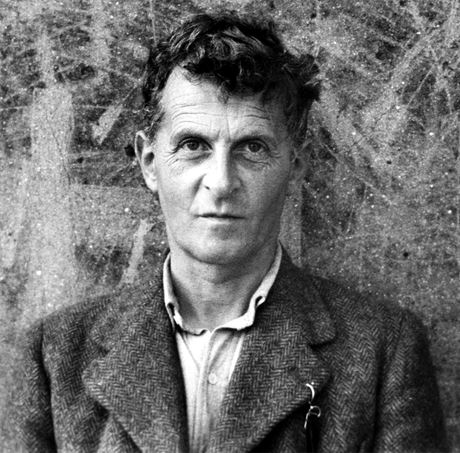
Ludwig Wittgenstein
(Ludwig Josef Johann Wittgenstein)
Austrian-British philosopher who revolutionized philosophy twice: with the logical atomism of the Tractatus and the ordinary language 'language games' of Philosophical Investigations.
Arnold Sommerfeld
 (Arnold Johannes Wilhelm Sommerfeld)
German theoretical physicist who extended Bohr's atomic model with elliptical orbits, introduced the fine-structure constant, and mentored more Nobel laureates in physics than any teacher in history.
Jules Berry
(Marie Louis Jules Paufichet)
Brilliant, flamboyant French actor and theatrical master who specialized in charming scoundrels, swindlers, and smooth villains, legendary for his Batala in Le Crime de Monsieur Lange and the Devil in Les Visiteurs du soir.
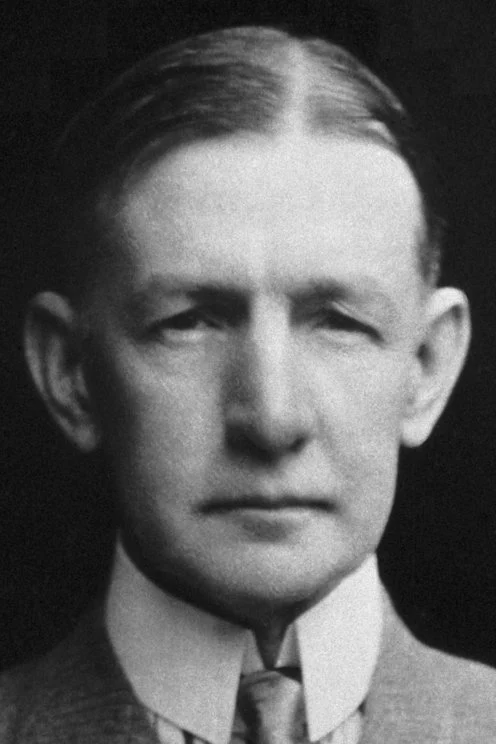
Charles Gates Dawes
 (Charles Gates Dawes)
Charles Gates Dawes was an American banker, general, diplomat, and 30th Vice President of the United States (1925–1929). As head of the Allied Reparations Committee in 1924, he drafted the 'Dawes Plan', which ended the hyperinflation crisis in Weimar Germany, stabilized European finances, and prompted the French withdrawal from the Ruhr, earning the 1925 Nobel Peace Prize.