Public Figures & Cultural Luminaries
Filterable archive covering centuries of intellectual, artistic, and moral contributions to the human story.
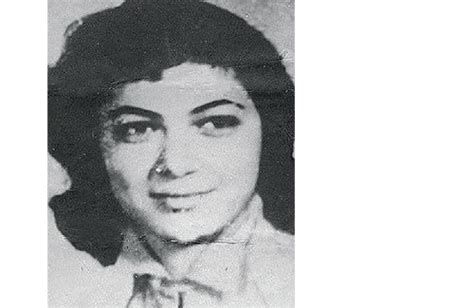
Meriem Bouatoura
 (مريم بوعتورة (ياسمينة))
Heroic twenty-two-year-old ALN commando and marksman in Constantine, code-named 'Yasmina', who fought off French paratroopers for hours before falling as a martyr in 1960.
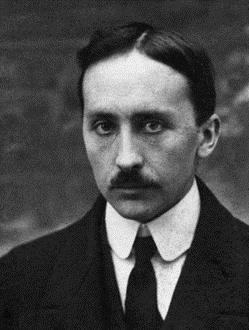
Willem Elsschot
 (Alfons De Ridder)
Master of modern Dutch prose whose razor-sharp, satirical novellas Kaas (Cheese) and Lijmen / Het Been created the unforgettable commercial antihero Frans Laarmans and the cynical swindler Boorman.
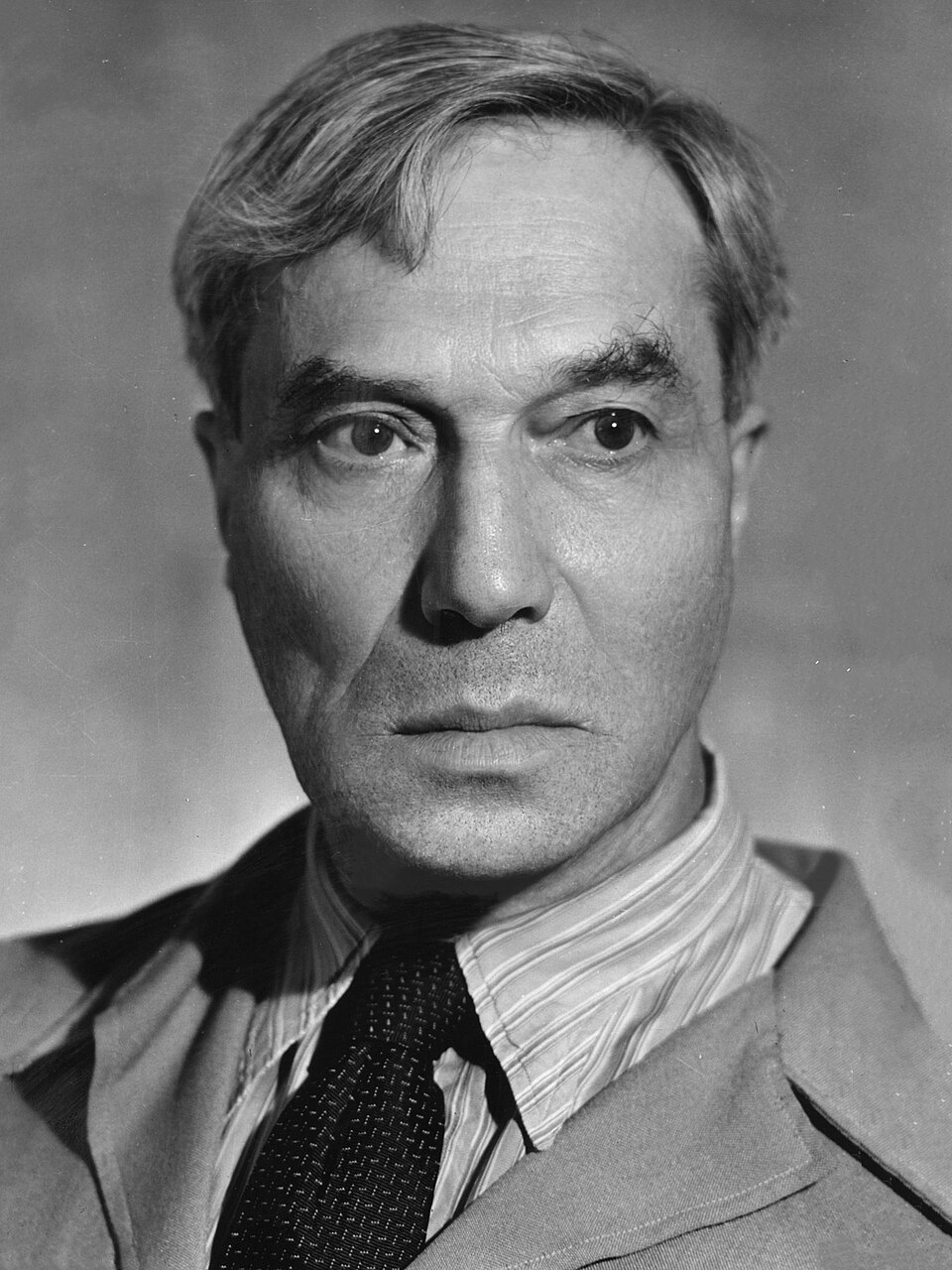
Boris Pasternak
 (Борис Леонидович Пастернак)
Russian poet, translator, and novelist awarded the 1958 Nobel Prize in Literature whose epic Doctor Zhivago was smuggled abroad to become a global sensation.
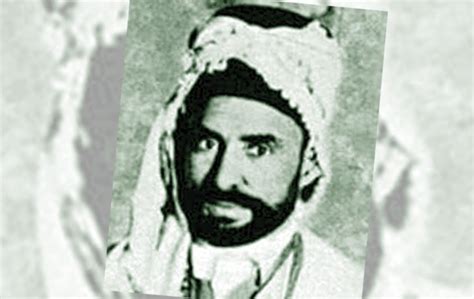
Tayeb El Okbi
(الطيب العقبي)
Charismatic reformist theologian, journalist, and orator who headed the Association of Ulema in Algiers and championed rationalist reform and interreligious dialogue.
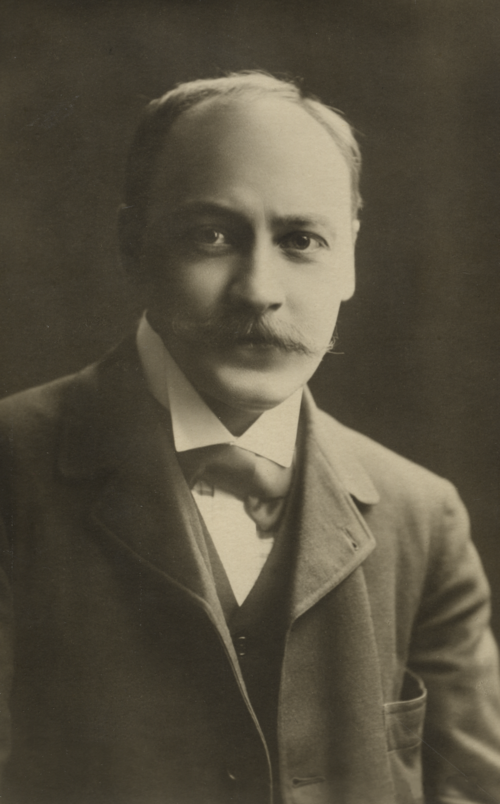
Hugo Alfvén
 (Hugo Emil Alfvén)
Swedish composer and conductor whose joyous 1903 rhapsody 'Midsummer Vigil' (Midsommervaka) and five symphonies captured the sea, skerries, and folk dances of Sweden.
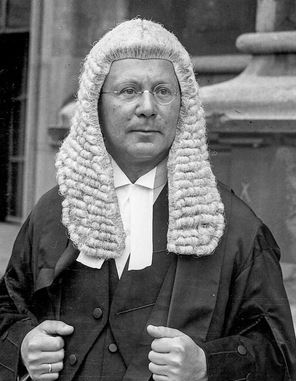
Hersch Lauterpacht
 (Hersch Lauterpacht)
Sir Hersch Lauterpacht was an Austrian-born British jurist, Cambridge professor, and Judge of the International Court of Justice who transformed modern jurisprudence by conceiving 'Crimes Against Humanity' for the Nuremberg Trials. Establishing that individuals, not merely sovereign states, possess enforceable rights and duties under international law, his 1945 treatise laid the foundations for the universal human rights revolution.
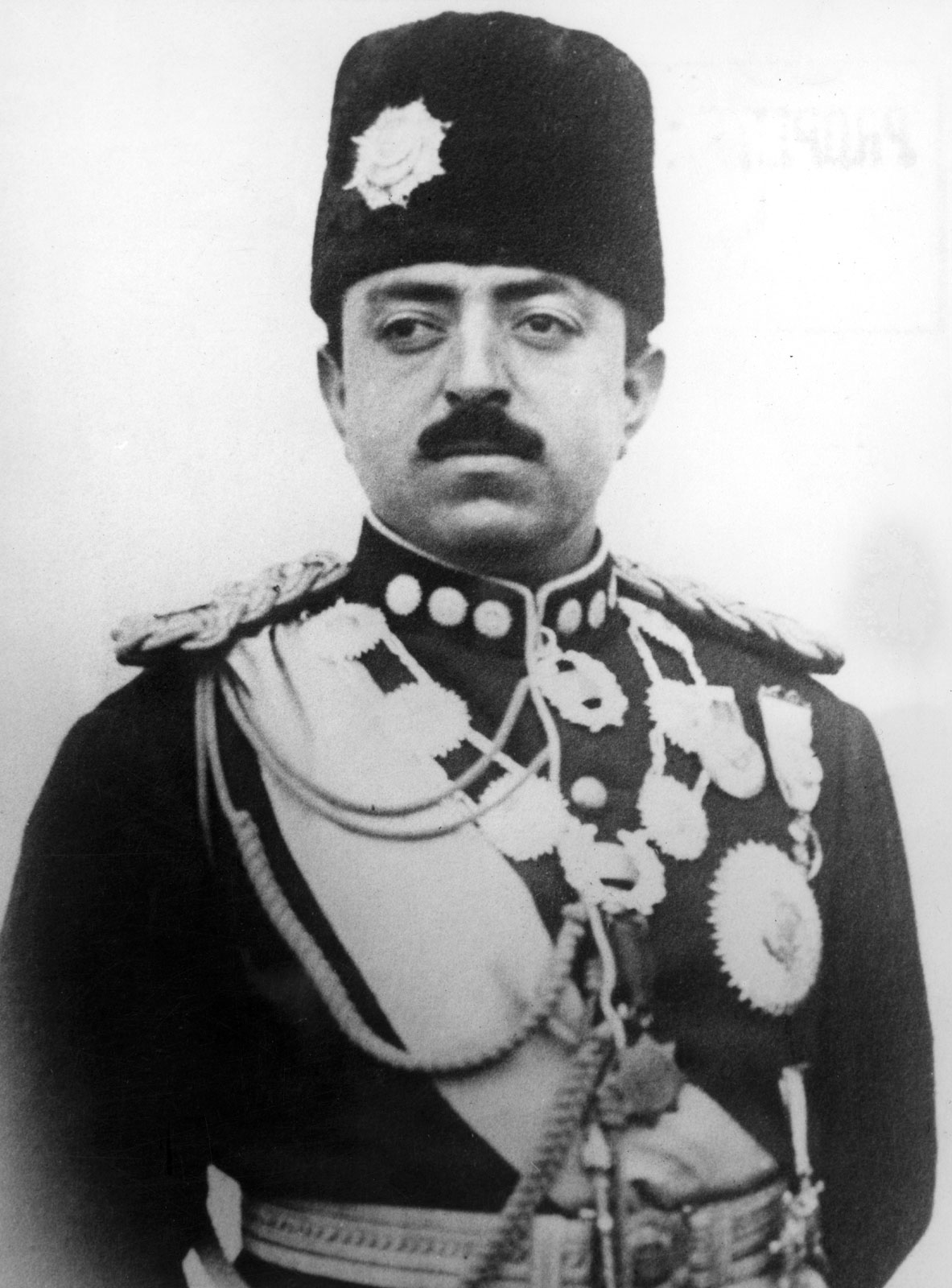
Amanullah Khan
 (امان الله خان)
Visionary sovereign who led Afghanistan to complete independence from the British Empire in 1919 following the Third Anglo-Afghan War, drafted Afghanistan's first constitution, and built modern schools.
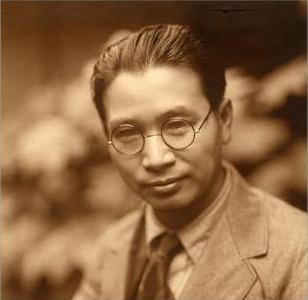
Toyohiko Kagawa
 (賀川 豊彦)
Pasteur et réformateur social japonais surnommé le « saint de Shinkawa », fondateur des coopératives japonaises et apôtre de la fraternité universelle.
King Norodom Suramarit
 (ព្រះបាទនរោត្តម សុរាម្រិត)
King of Cambodia from 1955 to 1960 and father of King Norodom Sihanouk who served as a benevolent constitutional monarch and patron of traditional Khmer music during the Sangkum Reastr Niyum golden age.
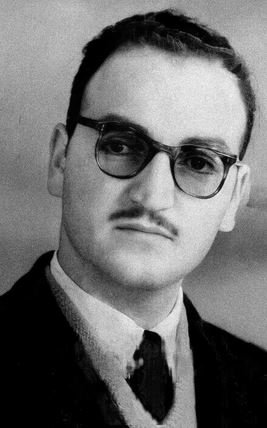
Colonel Lotfi
(بن علي دغين)
Legendary young Algerian military officer who organized the southern Saharan guerrilla front and fought to the death against overwhelming French air and ground forces at Djebel Béchar.
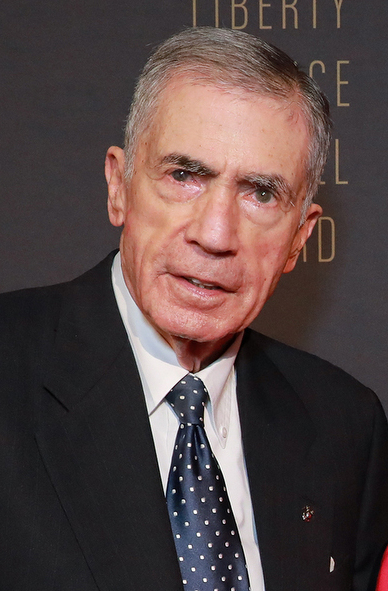
Clarence Evan Pickett
 (Clarence Pickett)
Secrétaire exécutif de l'AFSC (1929-1950), sauveur de réfugiés juifs fuyant le nazisme et récipiendaire du prix Nobel de la paix au nom des Quakers en 1947.
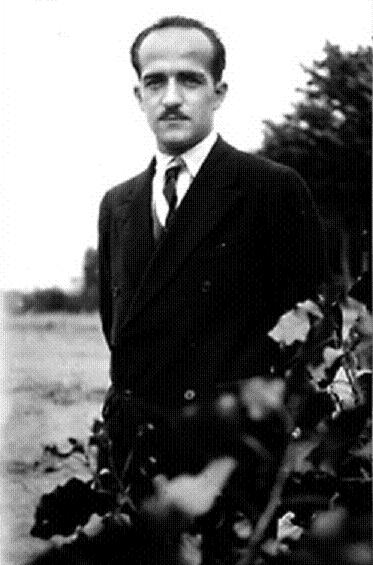
Paul-Émile Borduas
 (Paul-Émile Borduas)
Revolutionary abstract painter who founded the Automatiste movement and drafted the 1948 Refus Global manifesto, which shattered Catholic authoritarianism in Quebec and triggered the Quiet Revolution.
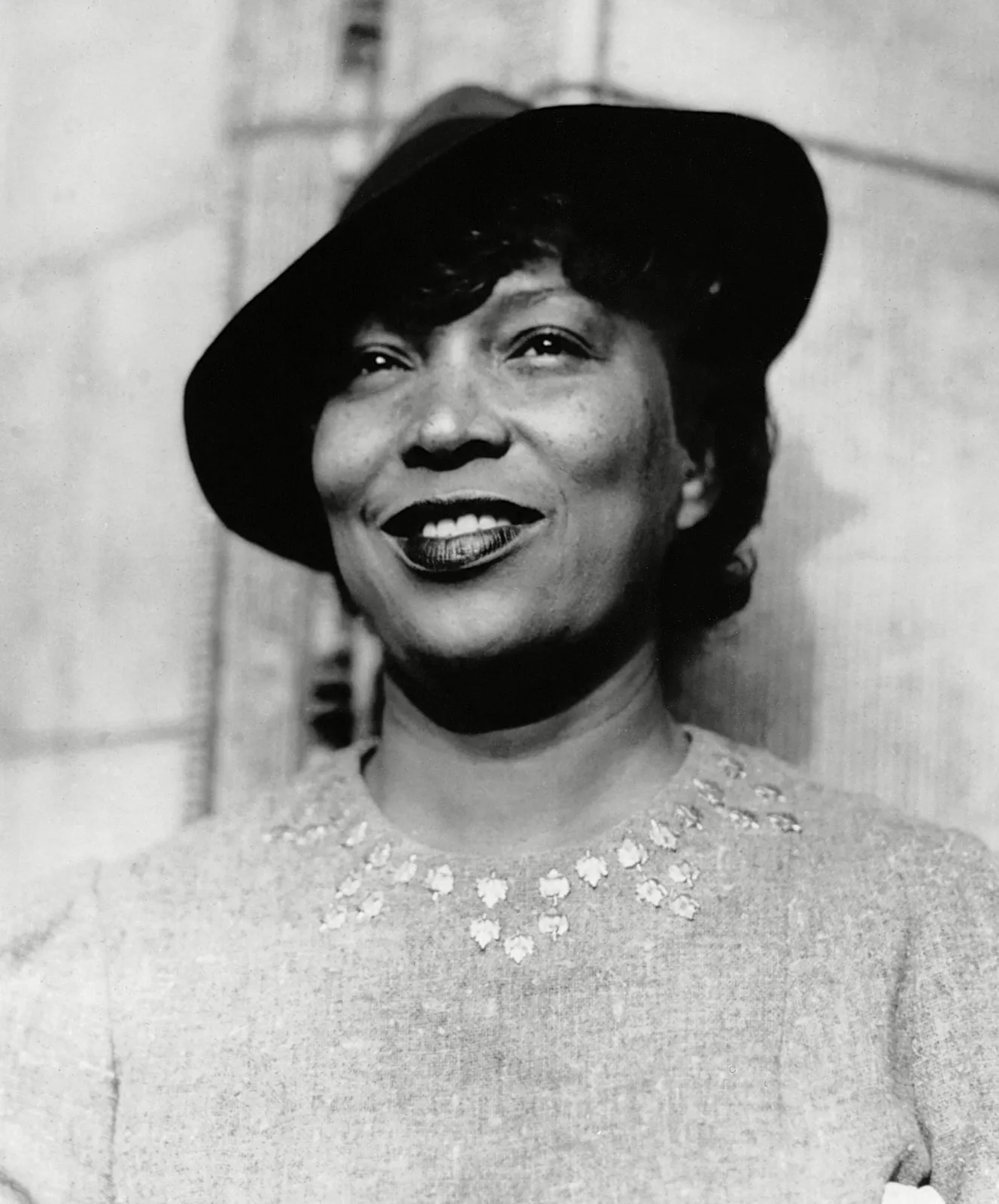
Zora Neale Hurston
(Zora Neale Hurston)
Harlem Renaissance author and anthropologist whose masterwork Their Eyes Were Watching God celebrated Southern Black folklore and female independence.
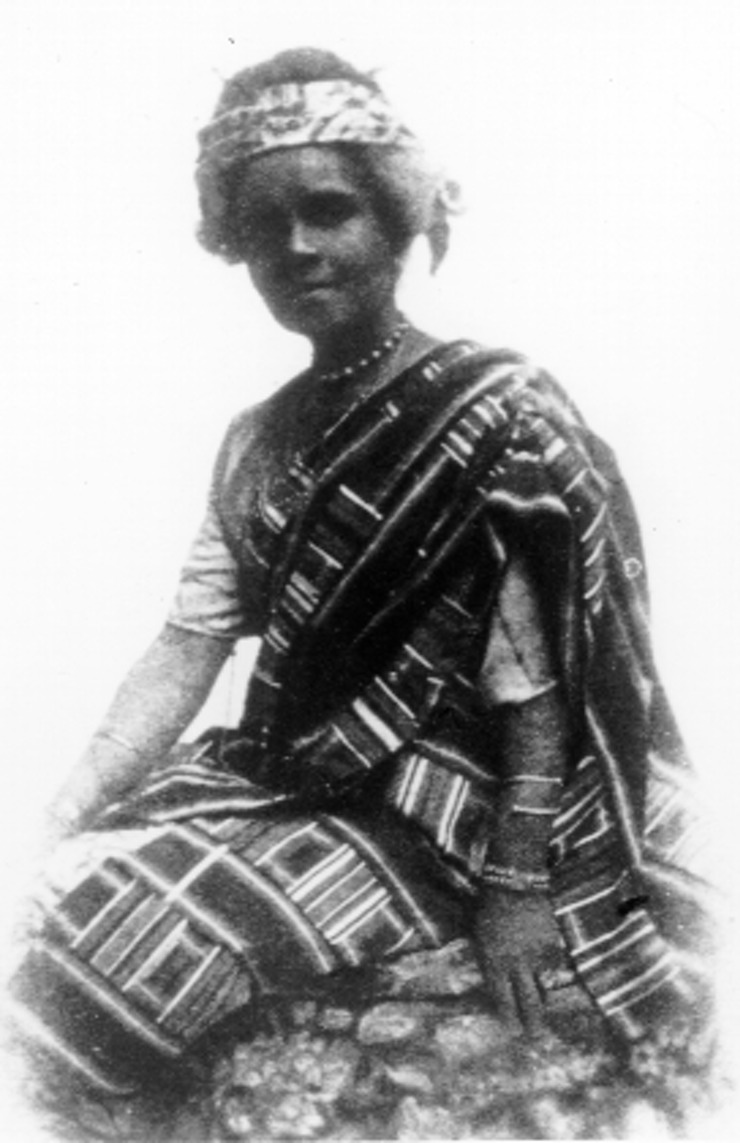
Adelaide Casely-Hayford
 (Adelaide Smith)
Sierra Leonean Victorian-era educator, feminist pioneer, and writer who founded the Girls' Vocational School in Freetown to instill racial pride and technical independence in African girls.
Nima Yooshij
 (نیما یوشیج)
Revolutionary innovator hailed as the 'father of modern Persian poetry' whose 1922 poem 'Afsaneh' shattered classical prosody to create 'New Poetry'.
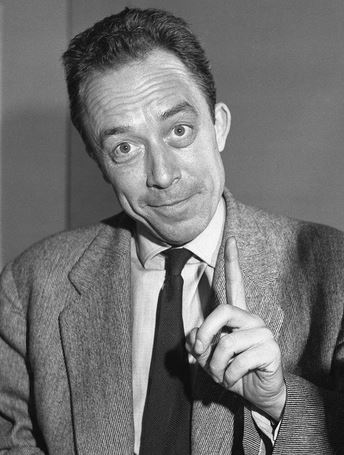
Albert Camus
(Albert Camus)
French-Algerian existentialist novelist and 1957 Nobel laureate whose philosophy of the Absurd and revolt—in The Stranger (L'Étranger), The Myth of Sisyphus, and The Plague—urged humanity to 'imagine Sisyphus happy' in defiant lucidity.
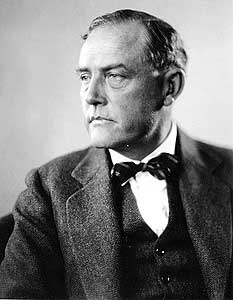
Victor Sjöström
(Victor David Sjöström)
Foundational master of world silent cinema whose masterpiece 'The Phantom Carriage' (1921) revolutionized double-exposure cinematography and who starred in Bergman's 'Wild Strawberries'.
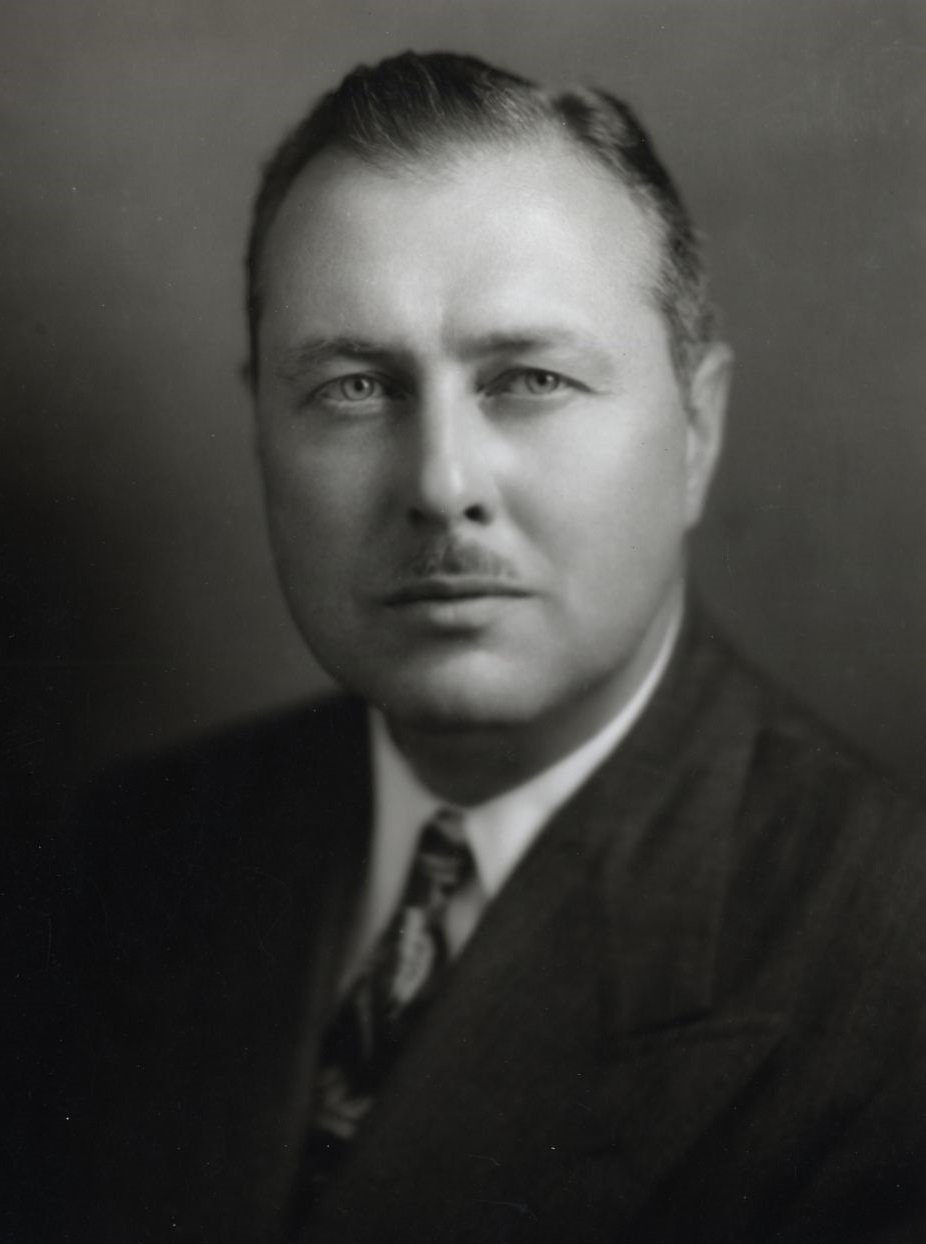
Paul Sauvé
(Paul Sauvé)
Quebec premier whose hundred-day premiership and slogan "Désormais" (Henceforth) modernized Quebec's political culture, opening the door to the Quiet Revolution.