 Russian Empire
•
3 views
Russian Empire
•
3 views
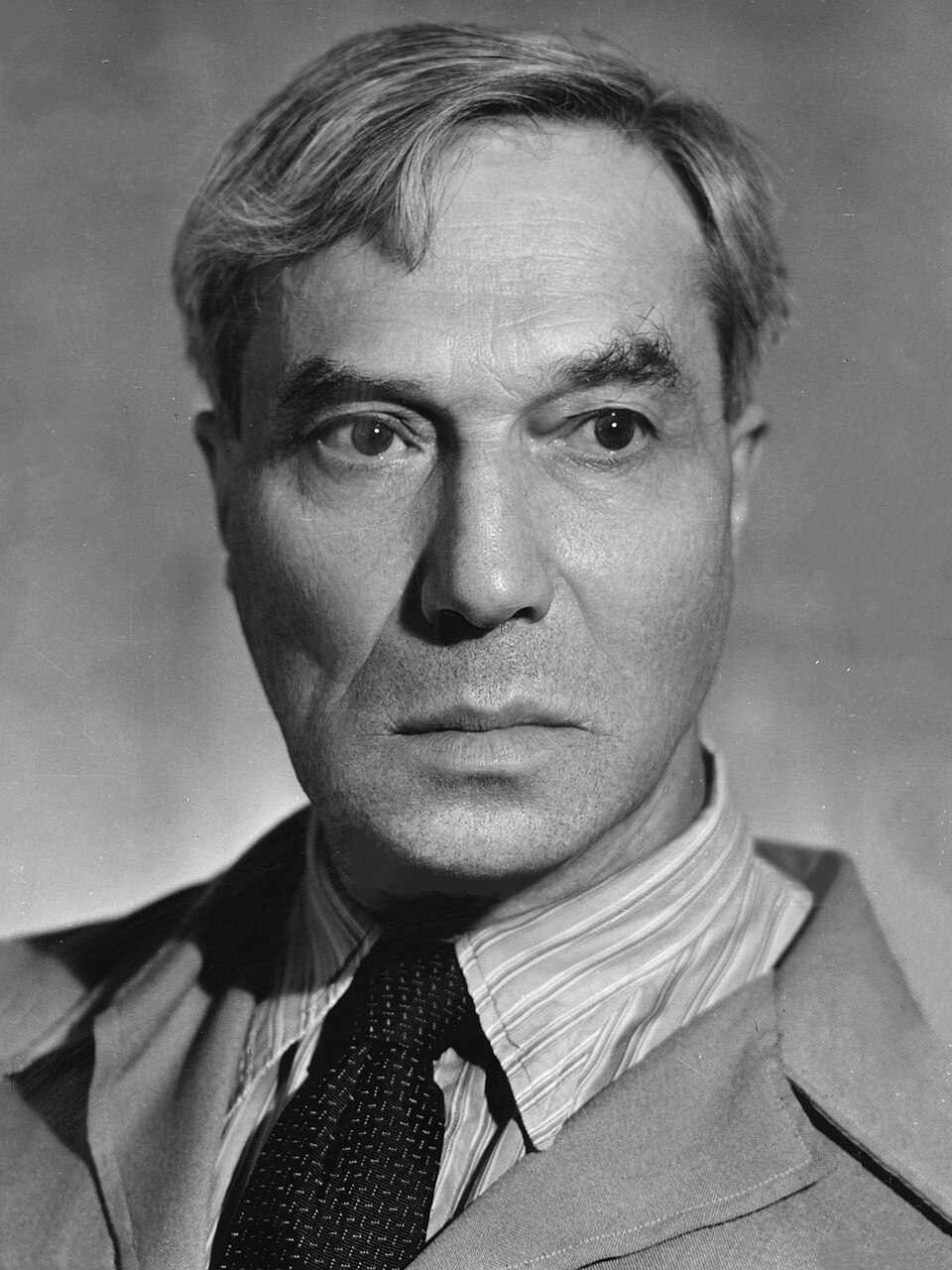
Boris Pasternak

Moscow, Russian Empire
Archival Overview
Russian poet, translator, and novelist awarded the 1958 Nobel Prize in Literature whose epic Doctor Zhivago was smuggled abroad to become a global sensation.
Biographical Record
Boris Leonidovich Pasternak (1890–1960) was a Russian poet, novelist, and translator born into an illustrious Jewish artistic family in Moscow (his father was painter Leonid Pasternak; his mother was concert pianist Rosa Kaufman). After studying musical composition under Scriabin and philosophy at Marburg, he dedicated himself to lyric poetry, publishing his breakthrough collection My Sister, Life in 1922.
Surviving Stalin's purges partly by retreating into peerless translations of Shakespeare, Goethe, and Georgian poets, Pasternak spent a decade composing his epic novel Doctor Zhivago. Rejected by Soviet publishers, the manuscript was smuggled to Milan, where Giangiacomo Feltrinelli published it in 1957. Awarded the Nobel Prize in Literature in 1958, Pasternak was forced by Soviet authorities to decline the award under threat of expulsion from his homeland.
Key Life Milestones
My Sister, Life Published
Published My Sister, Life, hailed by Osip Mandelstam and Marina Tsvetaeva as the summit of contemporary Russian lyric poetry.
Nobel Prize in Literature
Awarded the Nobel Prize in Literature following Doctor Zhivago's publication, becoming a martyr of Cold War artistic censorship.
Memorial Guestbook & Tributes
0 messages recordedLeave a Respectful Tribute
Final Resting Place
Perpetual MemorialPeredelkino (Moscow), Russia