 Algeria
•
17 views
Algeria
•
17 views
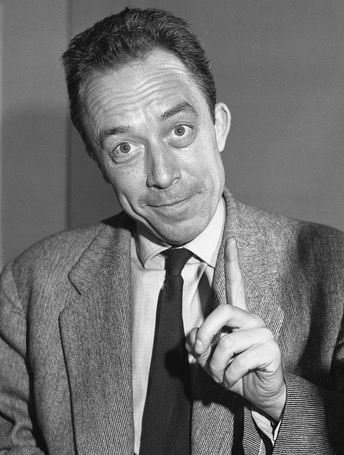
Albert Camus

Mondovi (Dréan), Algeria
Archival Overview
French-Algerian existentialist novelist and 1957 Nobel laureate whose philosophy of the Absurd and revolt—in The Stranger (L'Étranger), The Myth of Sisyphus, and The Plague—urged humanity to 'imagine Sisyphus happy' in defiant lucidity.
Biographical Record
Albert Camus (1913–1960), born to an impoverished working-class French-Algerian (*pied-noir*) family in Mondovi, lost his father in World War I before his first birthday. Supported by his devoted illiterate mother and an inspired elementary teacher, Louis Germain (whom Camus famously thanked in his Nobel acceptance speech), Camus studied philosophy in Algiers while battling tuberculosis.
During WWII, Camus edited the clandestine French Resistance newspaper Combat in occupied Paris. In 1942, he published both L'Étranger (The Stranger, opening with 'Aujourd'hui, maman est morte') and his philosophical essay The Myth of Sisyphus, defining the Absurd as the collision between humanity's desperate desire for meaning and the cold, silent universe. In The Plague (1947) and The Rebel (1951), he rejected totalitarian violence, insisting on solidarity and human dignity. At forty-four, he became the second youngest recipient of the Nobel Prize in Literature, before dying tragically in an automobile accident in 1960 with an unused train ticket in his coat pocket.
Key Life Milestones
Publication of L'Étranger (The Stranger) and The Myth of Sisyphus
Published his twin masterpieces of the Absurd in occupied Paris, redefining modern French existential philosophy.
Award of the Nobel Prize in Literature
Awarded the Nobel Prize at age 44 for illuminating the problems of the human conscience in our time.
Memorial Guestbook & Tributes
0 messages recordedLeave a Respectful Tribute
Final Resting Place
Perpetual MemorialVilleblevin (Yonne), France