Public Figures & Cultural Luminaries
Filterable archive covering centuries of intellectual, artistic, and moral contributions to the human story.
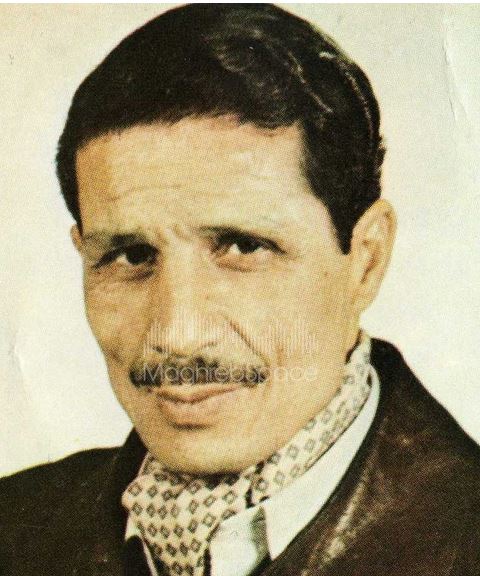
Dahmane El Harrachi
 (دحمان الحراشي)
Iconic Algerian Chaabi singer and composer from El Harrach whose melancholy immigrant anthems, foremost among them 'Ya Rayah' (O Traveler), captured the heartache of exile and became a global world music phenomenon.
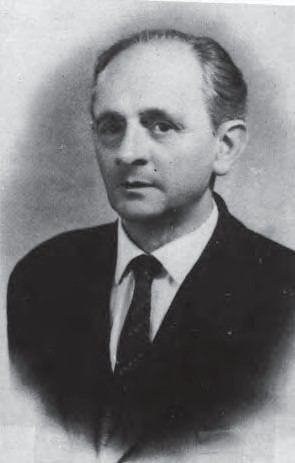
Eqrem Çabej
 (Eqrem Çabej)
Foremost 20th-century Albanian linguist, etymologist, and philologist who authored the definitive etymological dictionary of the Albanian language and proved the Illyrian origin of Albanians.
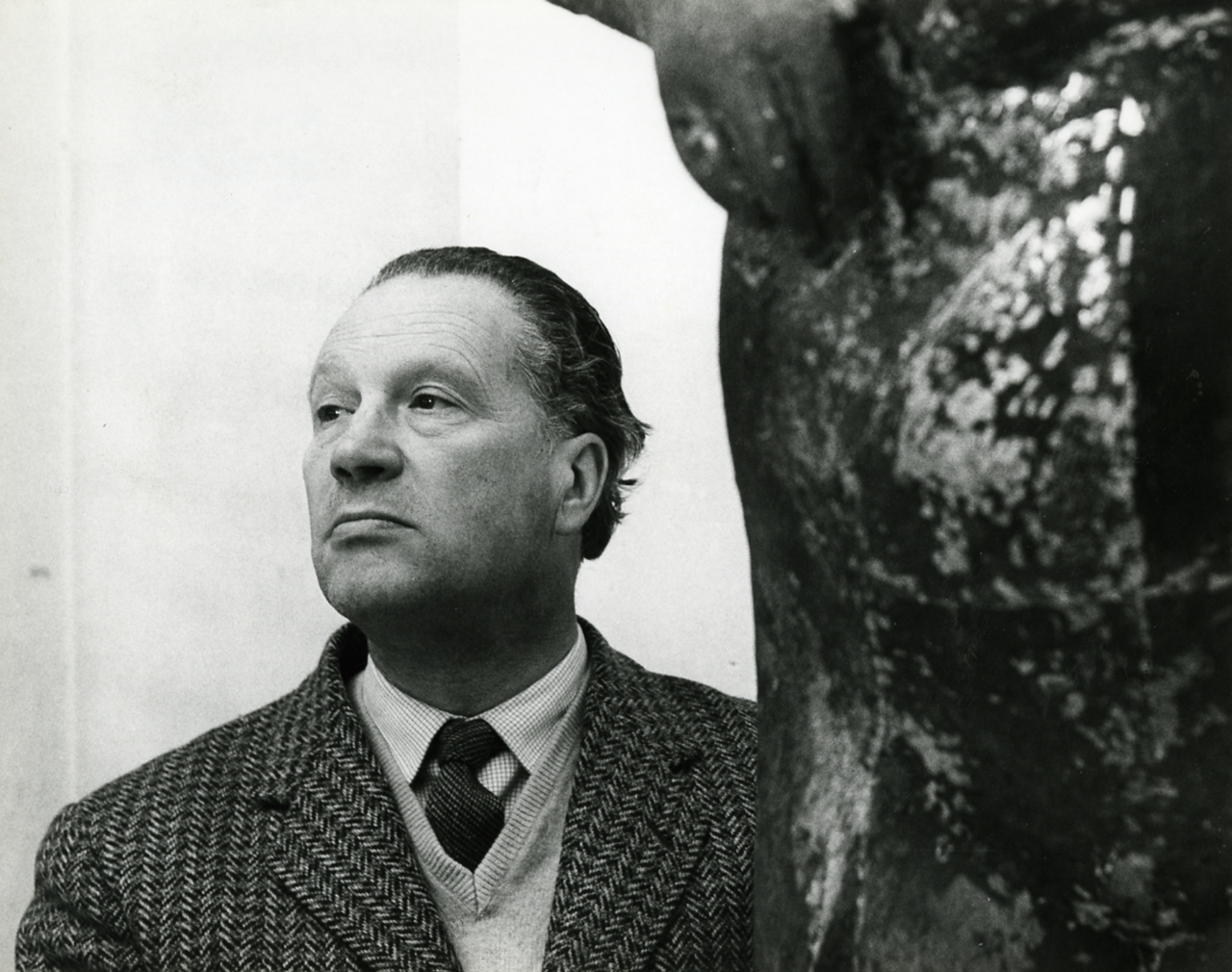
Marino Marini
 (Marino Marini)
Italian sculptor and painter celebrated for his tragic, expressive equestrian sculptures of horse and rider reflecting the existential trauma and loss of control of modern man.
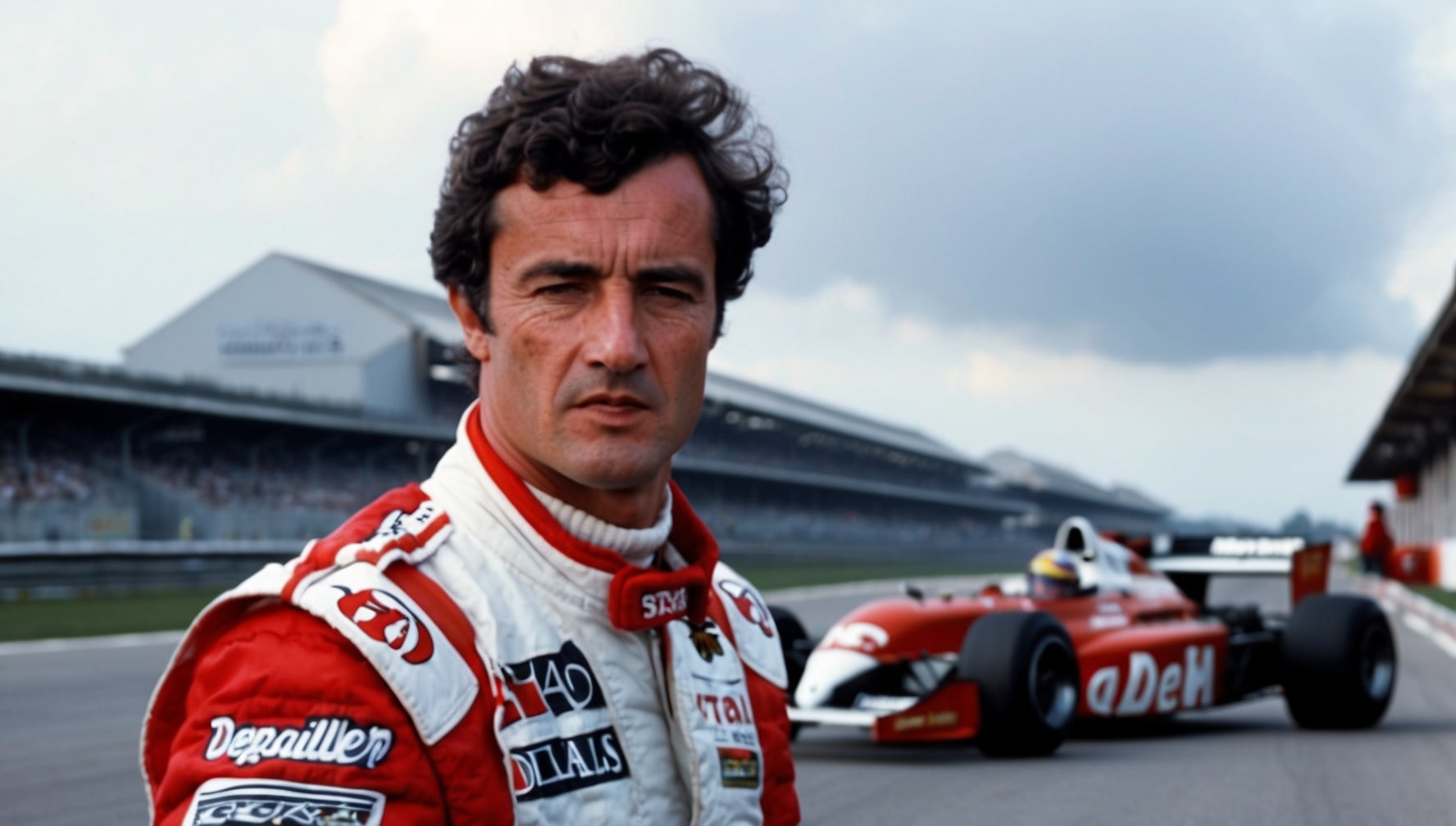
Patrick Depailler
 (Patrick Andre Eugene Joseph Depailler)
Daring French Formula One driver who scored historic Grand Prix victories for Tyrrell at Monaco and for Ligier at Jarama, celebrated for his courage, chain-smoking charm, and mastery of the six-wheeled Tyrrell P34.
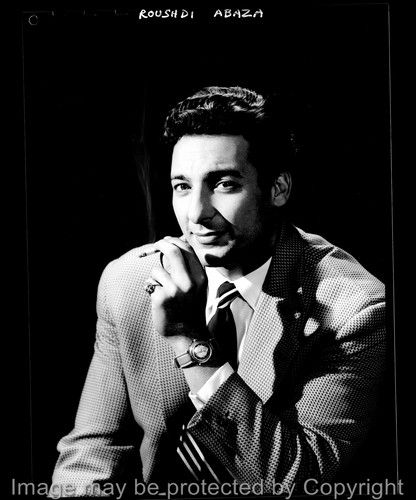
Roushdi Abaza
 (رشدي أباظة)
Charismatic screen idol and leading man dubbed the 'Clark Gable of Arab Cinema', scion of the aristocratic Abaza family who starred in over 150 masterpieces of the Egyptian cinema Golden Age.
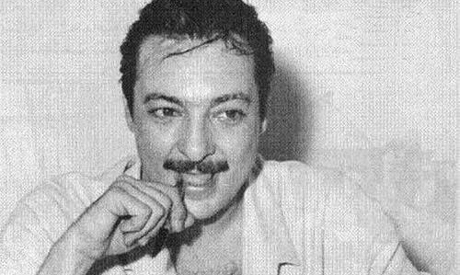
Roushdy Abaza
(رشدي أباظة)
Charismatic leading man dubbed the 'Cary Grant of Egyptian Cinema', starring in over 150 classics of the Egyptian Golden Age including Struggle on the Nile, Jamila the Algerian, and Sunset and Sunrise.
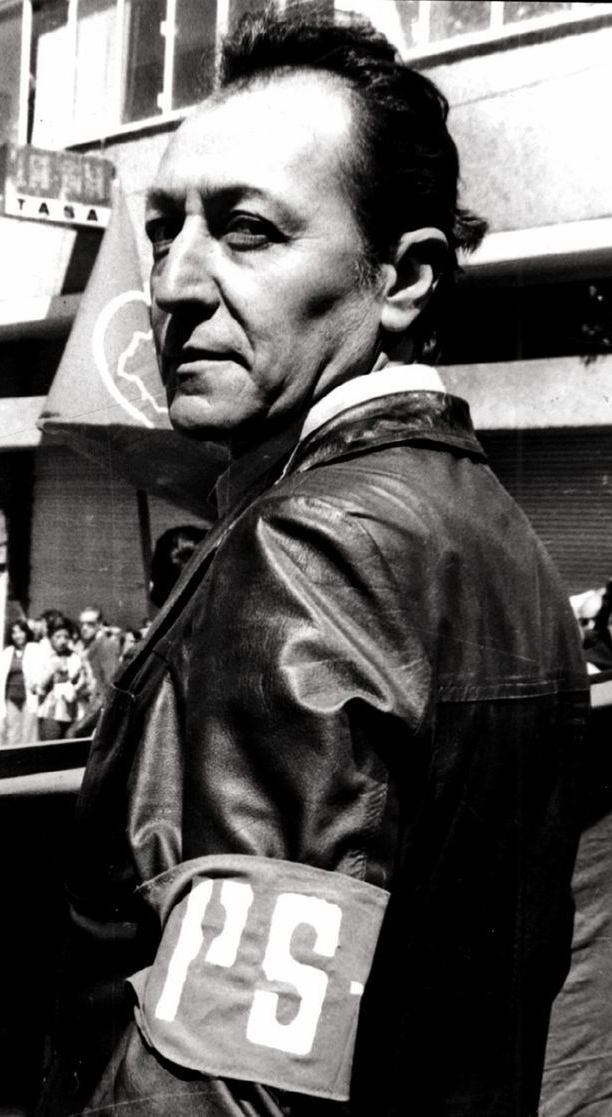
Marcelo Quiroga Santa Cruz
 (Marcelo Quiroga Santa Cruz)
Visionary Bolivian socialist leader, novelist, and Minister of Mines who nationalized Gulf Oil in 1969 and was assassinated by military paramilitaries during the bloody 1980 Garcia Meza coup.
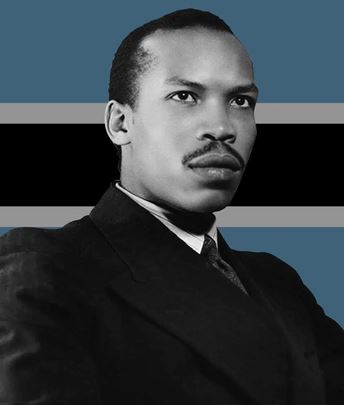
Seretse Khama (Sir Seretse Goitsebeng Maphiri Khama)
Managed diamond discoveries with exemplary fiscal transparency and rule of law, creating the most resilient and prosperous democracy in Southern Africa.
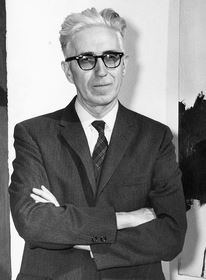
Clyfford Still
 (Clyfford Still)
American Abstract Expressionist titan who pioneered monumental Color Field painting with rugged, palette-knife fissures of raw pigment and maintained uncompromising artistic autonomy.
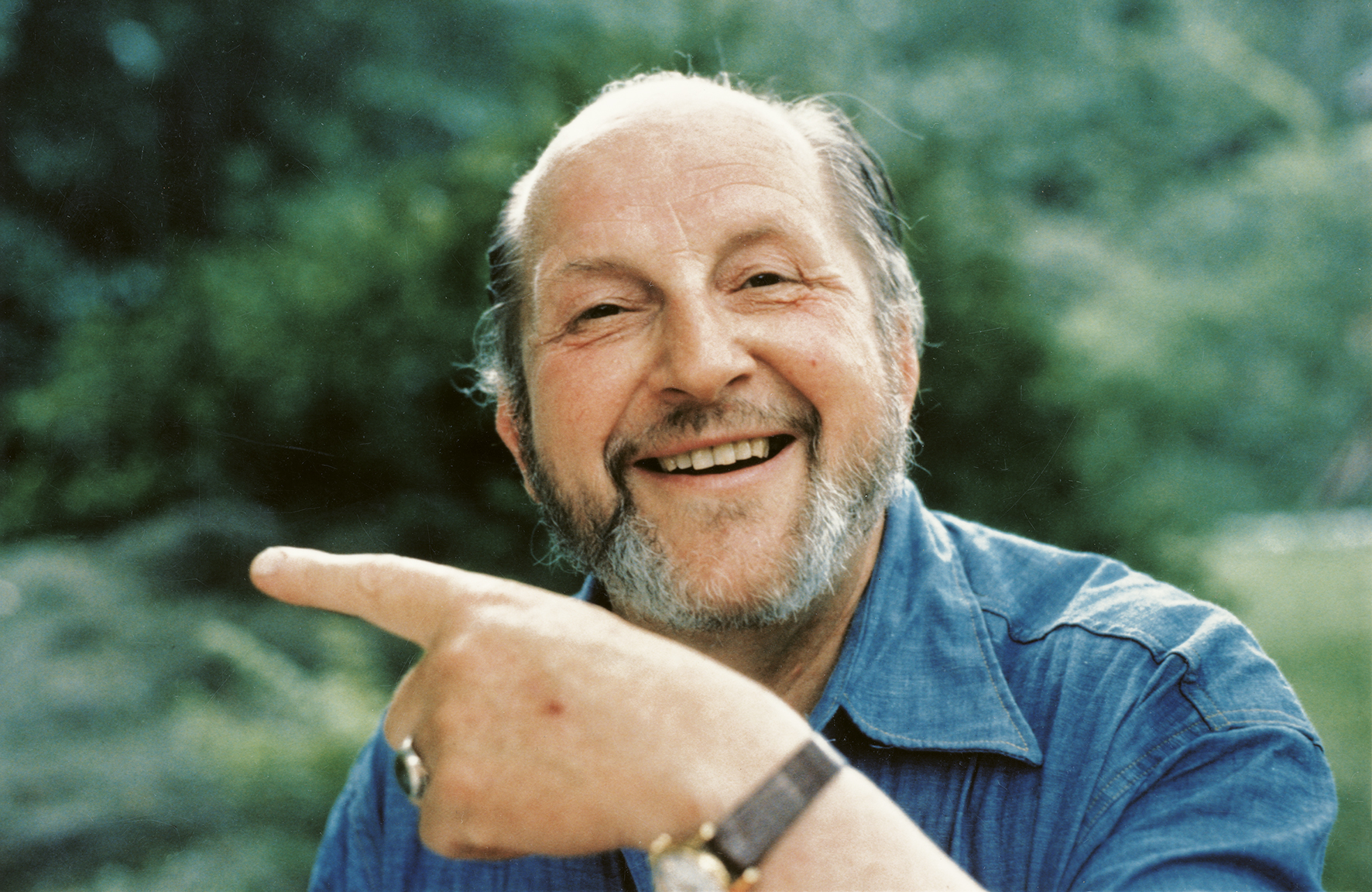
Jijé (Joseph Gillain)
 (Joseph Gillain)
Founding master and mentor of the Marcinelle School of comics who sustained Spirou magazine single-handedly during World War II and taught André Franquin, Morris, and Will at his Waterloo studio.
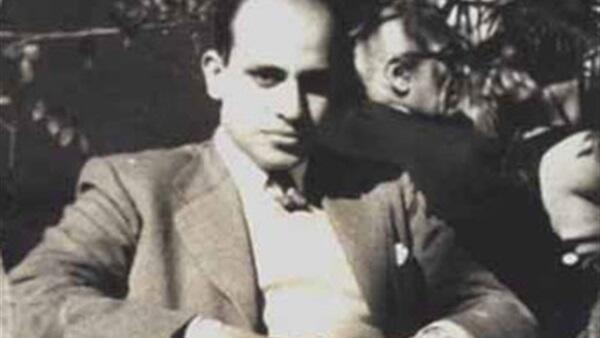
Yehia El-Mashad
(يحيى المشد)
Leading Egyptian nuclear scientist and professor who headed the nuclear engineering department at the University of Alexandria and directed the scientific development of the Osirak nuclear reactor program.
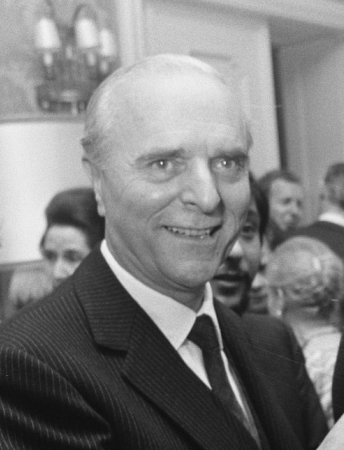
Ángel Sanz Briz
 (Ángel Sanz Briz)
Ángel Sanz Briz was a Spanish diplomat who served as Chargé d'Affaires in Budapest during World War II. Appalled by the Holocaust unfolding around him, he exploited an archaic 1924 Spanish royal decree to issue protective passports to Hungarian Jews, multiplying Spanish-protected safe houses and saving more than 5,200 Jews from deportation to Auschwitz.
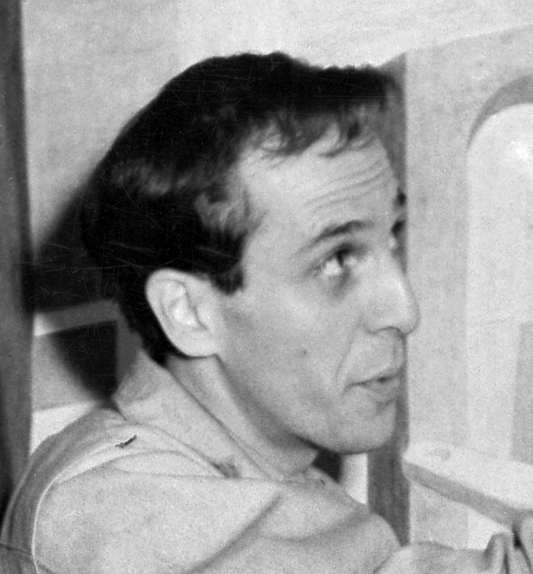
Philip Guston
 (Phillip Goldstein)
American painter who transitioned from ethereal Abstract Expressionism to revolutionary, cartoonish Neo-Expressionist allegories of hooded Klansmen, cigarettes, and studio angst.
Ayinla Omowura
 (Ayinla Waidi Omowura)
Electrifying Yoruba musician known as Hadji Costello who dominated the 1970s music scene with fiery social commentary, razor-sharp wit, and explosive Apala percussion.
André-Marie Mbida
 (André-Marie Mbida)
Pioneering Cameroonian statesman who served as the first native Prime Minister of French Cameroun (1957–1958), advocating early independence and democratic multi-party governance.
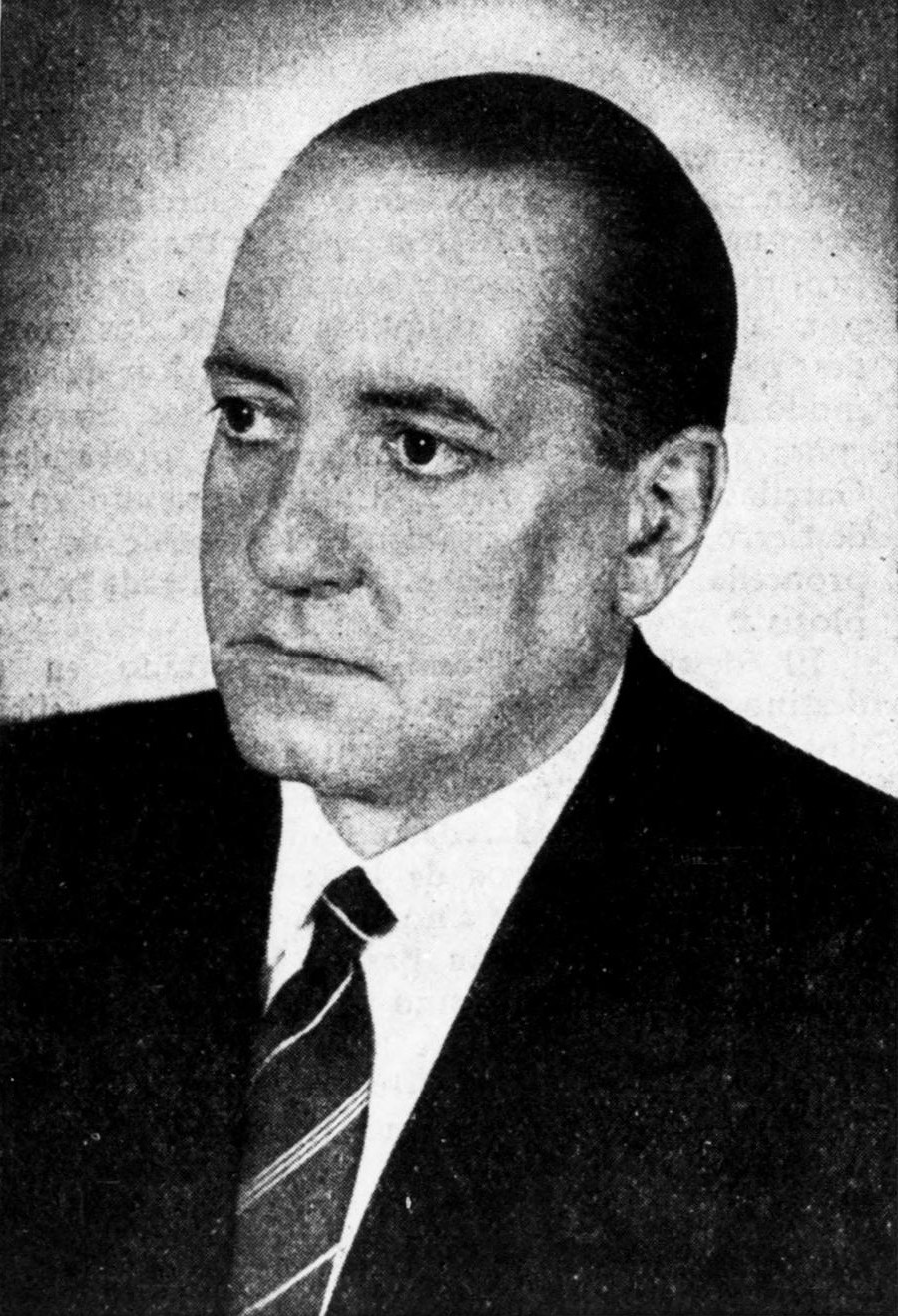
Alejo Carpentier
 (Alejo Carpentier y Valmont)
Cuban novelist and musicologist who conceptualized 'lo real maravilloso' (the marvelous real), authoring The Kingdom of This World and Explosion in a Cathedral.
Sohrab Sepehri
 (سهراب سپهری)
Cherished modern Persian poet and painter whose luminous, Zen-infused verses in 'The Water's Footfall' celebrated the sacredness of nature.
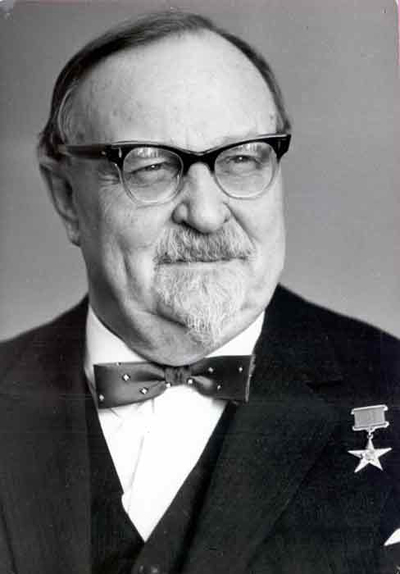
Aleksandr Oparin
 (Александр Иванович Опарин)
Russian biochemist who proposed the foundational 'primordial soup' theory of the origin of life, postulating that organic molecules arose abiogenetically under early Earth's reducing atmosphere.