 Canada
•
3 views
Canada
•
3 views
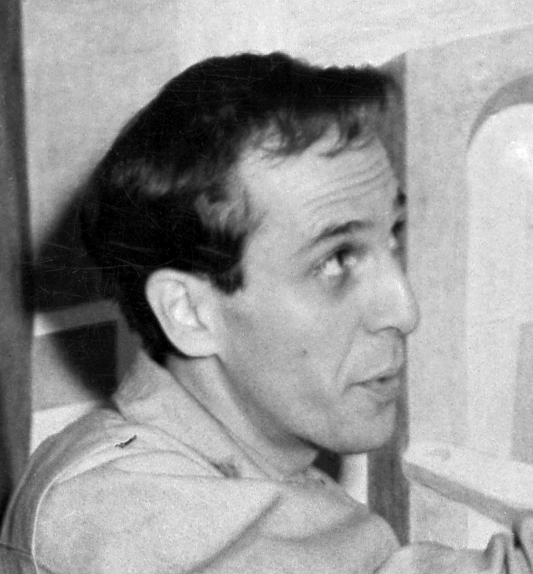
Philip Guston

Montreal, Canada
Archival Overview
American painter who transitioned from ethereal Abstract Expressionism to revolutionary, cartoonish Neo-Expressionist allegories of hooded Klansmen, cigarettes, and studio angst.
Biographical Record
Born to Ukrainian-Jewish immigrants in Montreal and raised in Los Angeles, Philip Guston forged close friendships with Jackson Pollock in youth. By the 1950s, Guston was celebrated as a master of Abstract Expressionism, producing luminous, atmospheric scumbles of rose and grey paint admired for their delicate poetic touch.
Disillusioned with pure abstraction amidst the Vietnam War and American civil strife, Guston stunned the art world at the Marlborough Gallery in 1970 by unveiling crude, comic-strip-like figurative canvases depicting hooded Klansmen, severed shoes, and solitary smokers. Initially reviled by critics, this daring reinvention anticipated Neo-Expressionism and transformed late-20th-century painting.
Key Life Milestones
Abstract Impressionist Acclaim
Achieved critical acclaim with his luminous, cross-hatched abstract canvases in New York.
Marlborough Gallery Exhibition
Unveiled his revolutionary hooded figurative paintings, defying modernist dogma.
Memorial Guestbook & Tributes
0 messages recordedLeave a Respectful Tribute
Final Resting Place
Perpetual MemorialWoodstock, United States