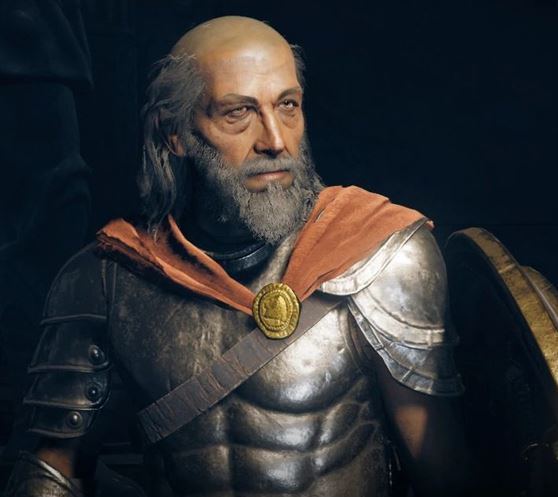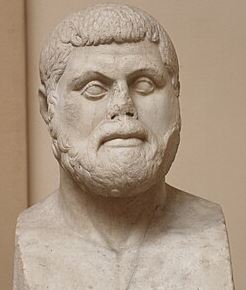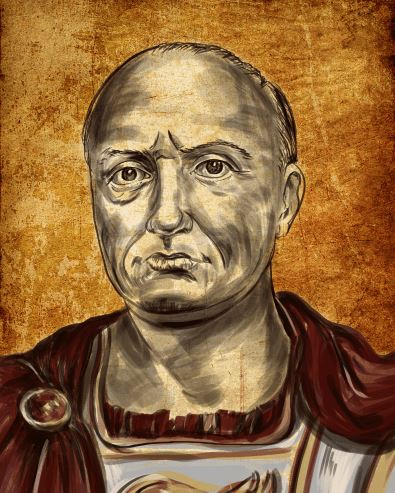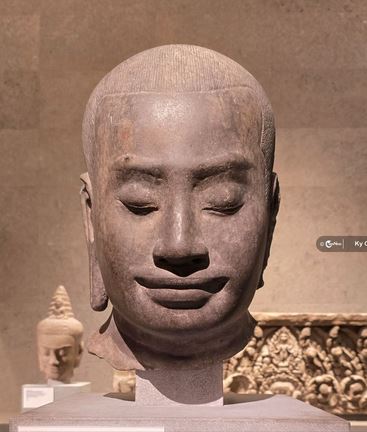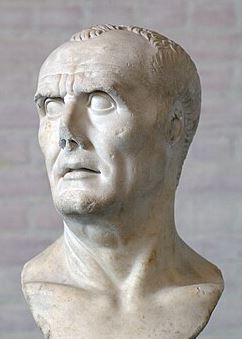
Gaius Marius
Roman general who served an unprecedented seven consulships. Transformed Rome's military from a citizen militia into a professional standing army through the revolutionary Marian reforms, saving the Republic from Germanic invasion.
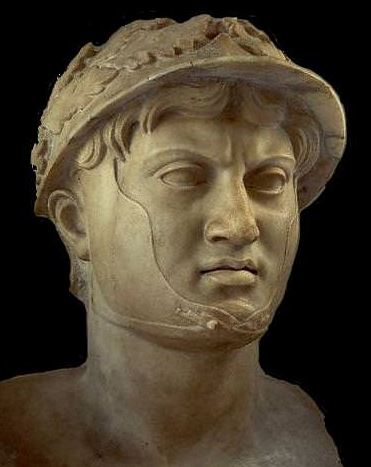
Start typing to search worldwide archives and community tributes
Filterable archive covering centuries of intellectual, artistic, and moral contributions to the human story.
Roman general who served an unprecedented seven consulships. Transformed Rome's military from a citizen militia into a professional standing army through the revolutionary Marian reforms, saving the Republic from Germanic invasion.
Hellenistic warrior-king ranked by Hannibal Barca as one of history's greatest field generals. His costly victories against the Roman Republic gave rise to the enduring expression "Pyrrhic victory."
Theban military visionary and philosopher-general who smashed Sparta's legendary military supremacy at the Battle of Leuctra using the revolutionary oblique order phalanx, reshaping classical Greece.
Athenian statesman and naval strategist whose foresight convinced Athens to construct a 200-trireme battle fleet, resulting in the preservation of Greek civilization at the naval Battle of Salamis.
Roman general and statesman widely regarded as one of the greatest military commanders in human history. Best known for decisively defeating Hannibal Barca at the Battle of Zama, concluding the Second Punic War.
Greatest sovereign of the Khmer Empire. Liberated the kingdom from Cham invaders, constructed the fortified royal city of Angkor Thom with the enigmatic multi-faced stone towers of the Bayon, and established a nationwide network of 102 free public hospitals.
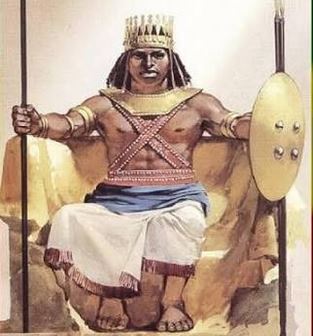
Fourth-century monarch who elevated the Kingdom of Axum to an international trade superpower between the Roman Empire and India. Converted to Christianity under Frumentius, issuing the first coins in the world bearing the Christian cross.
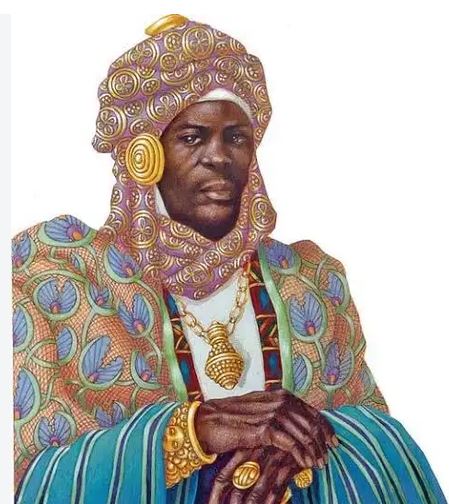
Visionary Emperor of the Songhai Empire who expanded the state into the largest empire in West African history. Created an efficient administrative bureaucracy, standardized weights and measures, and established the intellectual golden age of Gao and Timbuktu.
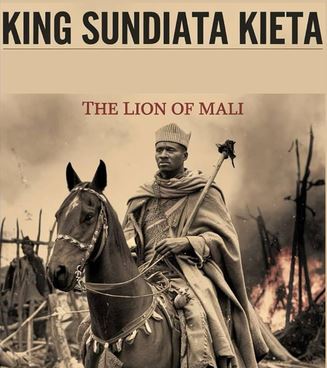
Heroic warrior prince who overcame physical paralysis to vanquish the sorcerer king Sumanguru Kante at the Battle of Kirina (1235 CE). Founded the Mali Empire and proclaimed the Kouroukan Fouga—one of the earliest oral charters of human rights.
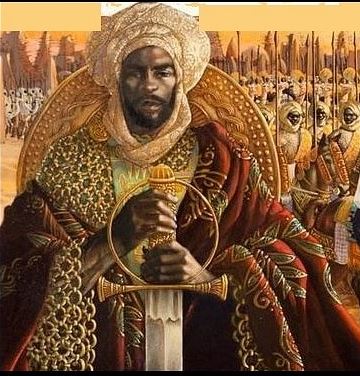
Tenth Emperor of the Mali Empire recognized as the wealthiest individual in world history. His historic pilgrimage to Mecca in 1324 put West Africa on European maps and funded the transformation of Timbuktu into a global center of Islamic scholarship.
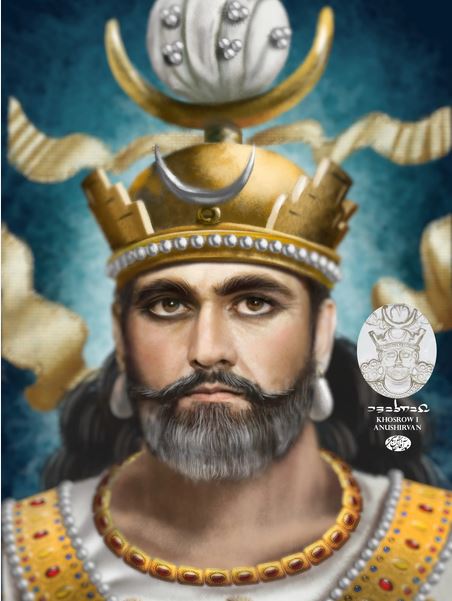
Zenith ruler of the Sasanian Persian Empire celebrated across Middle Eastern literature as "Anushirvan the Just." Modernized taxation, introduced rational bureaucratic governance, and translated Indian fables (Panchatantra) and Greek philosophy into Pahlavi.
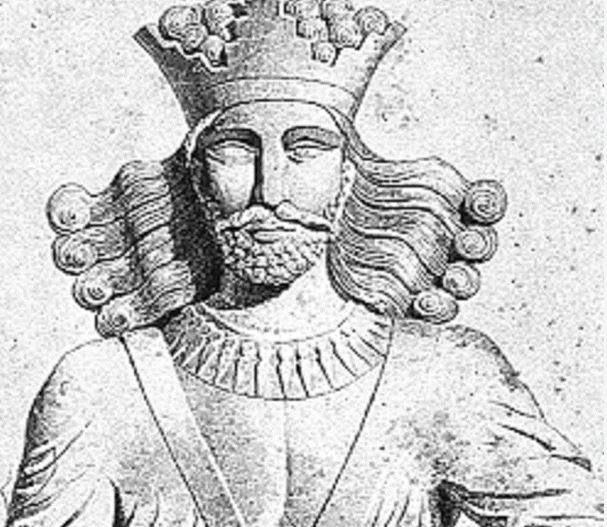
Second Sasanian King of Kings who consolidated the Persian Empire, defeated three Roman emperors in battle (slaying Gordian III, extracting tribute from Philip the Arab, and capturing Emperor Valerian alive), and founded Gundeshapur academy.
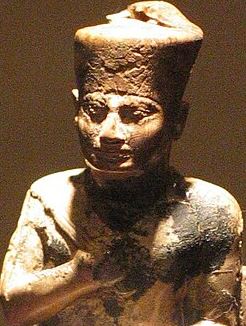
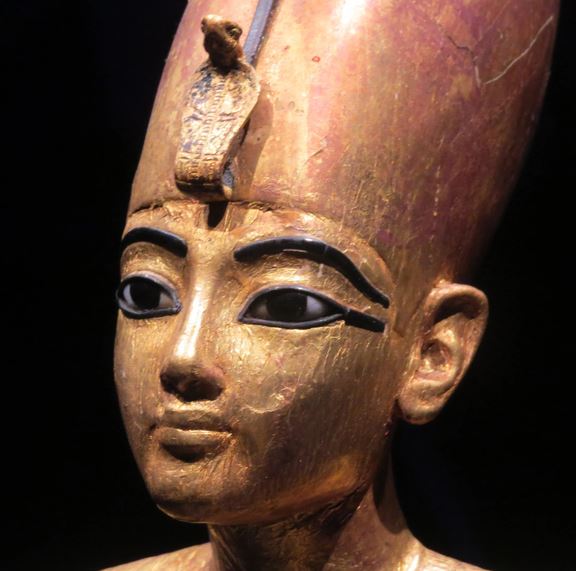
Fourth Dynasty Pharaoh who conceived and oversaw the construction of the Great Pyramid of Giza—the tallest human-made structure on Earth for over 3,800 years and the sole surviving Wonder of the Ancient World.
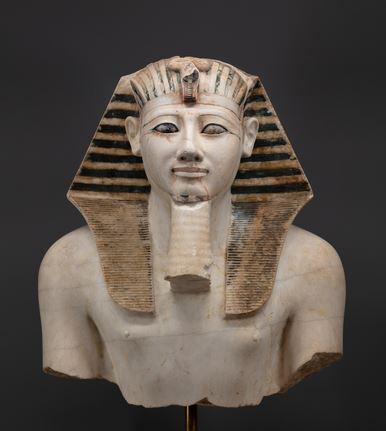
Greatest military Pharaoh in Egyptian history, reigning for fifty-four years. Conducted seventeen victorious military campaigns from the Euphrates to the Fourth Cataract of Nubia, establishing the New Kingdom as an unrivaled superpower.
Eighteenth Dynasty Pharaoh celebrated globally for the discovery of his intact royal tomb (KV62) in the Valley of the Kings. Restored the traditional polytheistic religion of Amun after the Amarna period.
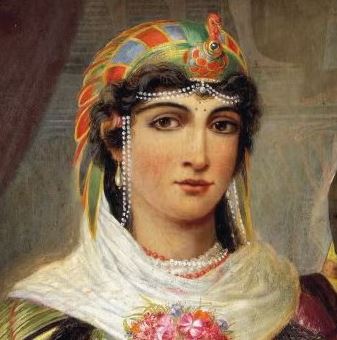
The last active ruler of the Ptolemaic Kingdom of Egypt. A brilliant polyglot, astute naval strategist, and charismatic diplomat who defended Egyptian sovereignty through political alliances with Julius Caesar and Mark Antony.
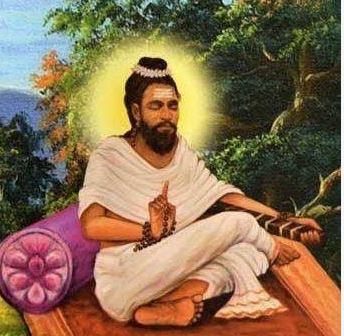
Tenth-century Kashmiri polymath, mystic, and aesthetician who synthesized Non-Dual Kashmir Shaivism (Trika / Pratyabhijna). Authored the encyclopedic Tantraloka and revolutionized Sanskrit literary aesthetics with the theory of Rasa (spiritual aesthetic taste).
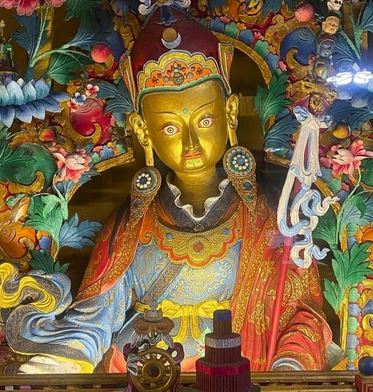
Venerated across the Himalayan world as the "Second Buddha." Tantric master from Oddiyana invited by King Trisong Detsen in the eighth century to subdue local demons, construct Samye Monastery, and establish Vajrayana Buddhism in Tibet.