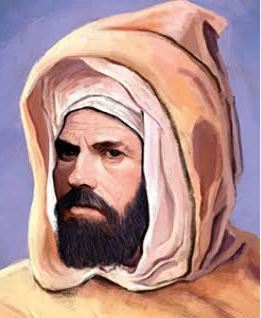
Idris II of Morocco
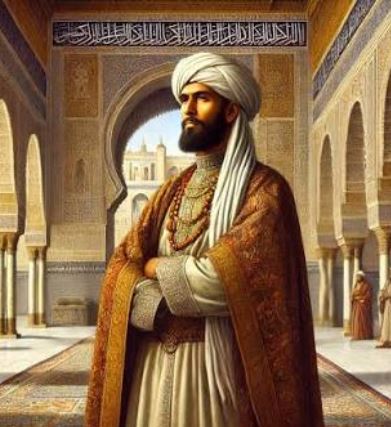
Posthumous son of Idris I who assumed sovereignty at age eleven, founded the imperial capital city of Fez in 808 CE, and consolidated the administrative, judicial, and cultural institutions of Morocco.
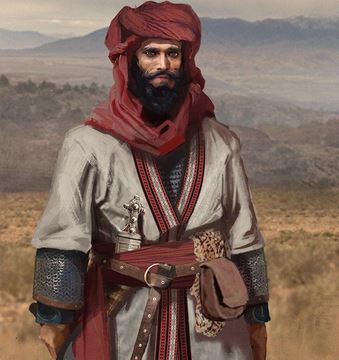
Start typing to search worldwide archives and community tributes
Filterable archive covering centuries of intellectual, artistic, and moral contributions to the human story.
Posthumous son of Idris I who assumed sovereignty at age eleven, founded the imperial capital city of Fez in 808 CE, and consolidated the administrative, judicial, and cultural institutions of Morocco.
Eminent Islamic jurist, scholar of both the Hanafi and Maliki schools, and Grand Qadi of Kairouan who at age sixty-eight commanded the historic naval expedition that began the Muslim conquest of Sicily.
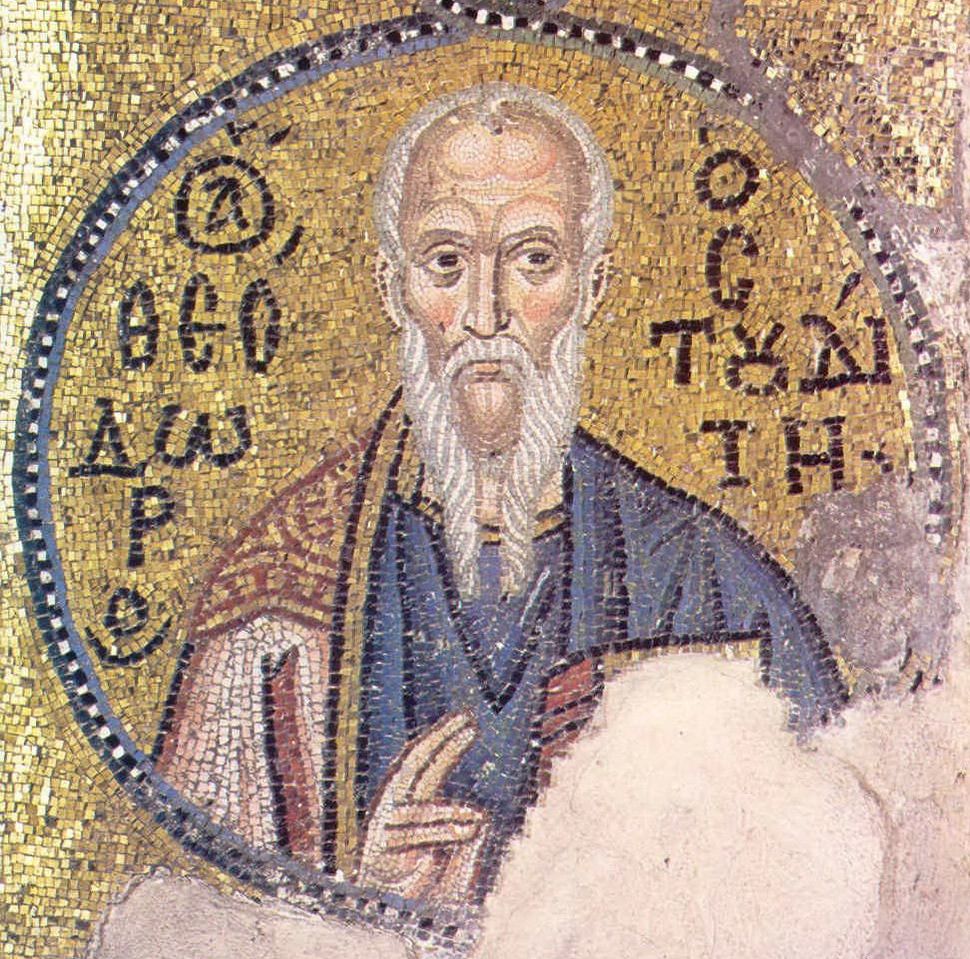
Abbot of the Stoudios Monastery who reformed Eastern Christian monasticism, championing community life, book copying, and intellectual defense of holy icons.
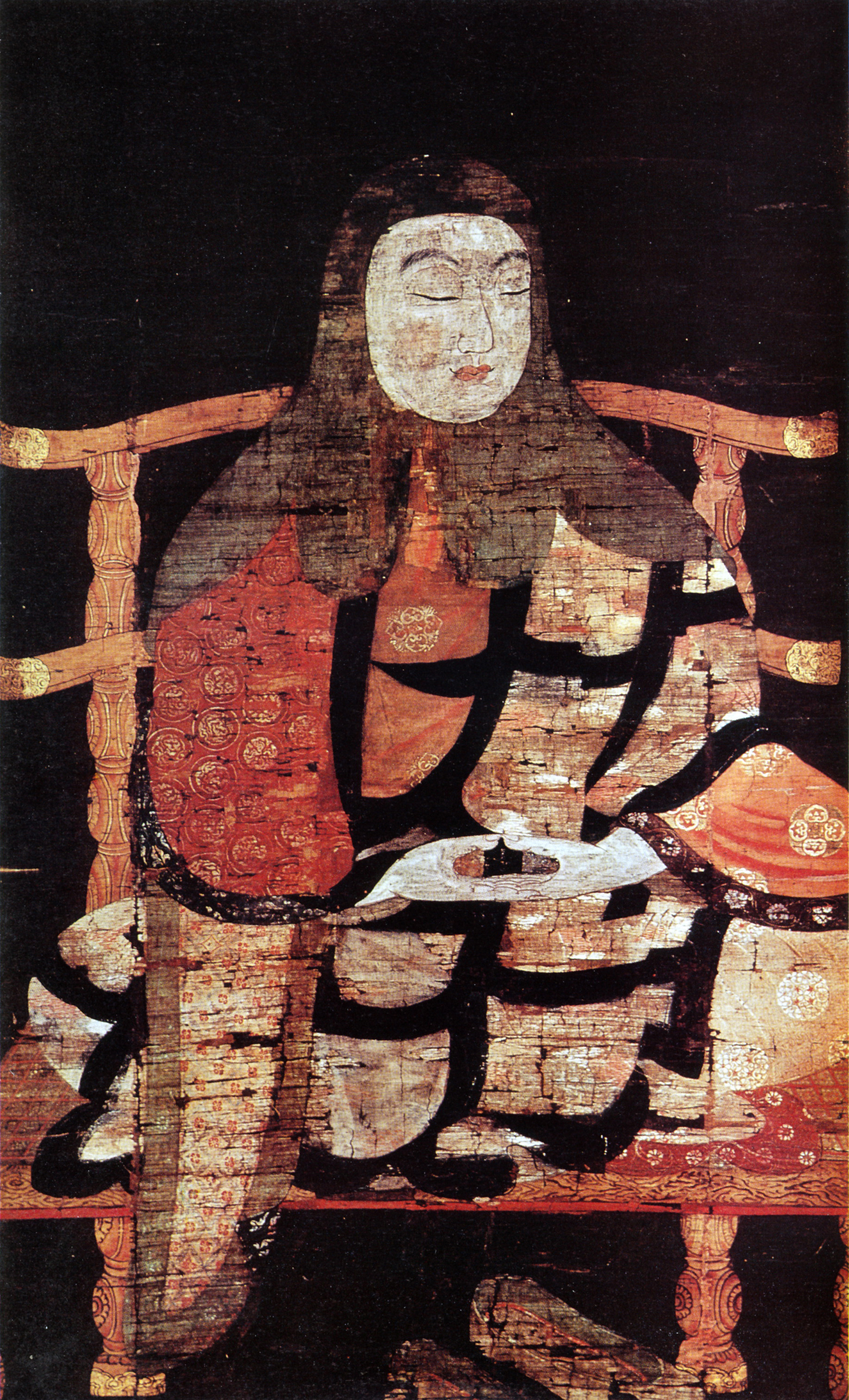
Founder of Tendai Buddhism in Japan who established Enryaku-ji on Mount Hiei, championed universal Buddhahood through the Lotus Sutra, and fought for independent Mahayana ordination.
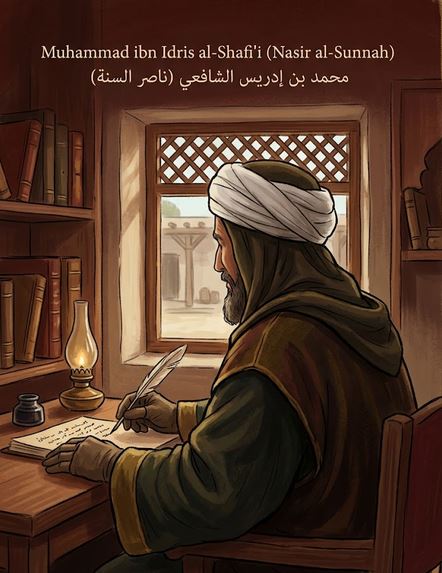
Supreme legal jurist and poet who formulated the science of Islamic legal theory (Usul al-Fiqh). Reconciled the rationalist school of Iraq with the traditionalist school of the Hijaz in his seminal treatise Al-Risala.
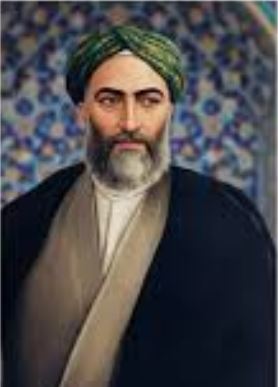
Eighth Shia Imam and revered scholar whose profound interfaith debates in Merv and famous Hadith of the Golden Chain in Nishapur confirmed the sanctuary of divine unity.
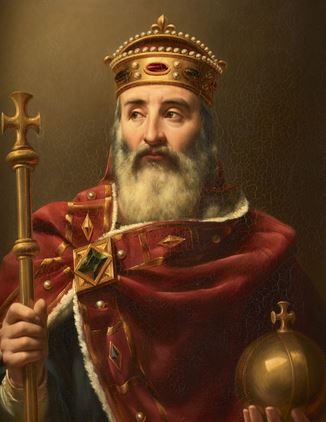
King of the Franks and first Holy Roman Emperor, crowned by Pope Leo III on Christmas Day 800 in Rome. United Western and Central Europe for the first time since the fall of Rome, sparking the Carolingian Renaissance of scholarship and arts.
Abbasid governor who secured hereditary autonomy from Caliph Harun al-Rashid in 800 CE, founding the Aghlabid Dynasty in Kairouan and establishing Ifriqiya as an autonomous naval and cultural power.
Fifth Abbasid Caliph whose reign marked the zenith of the Islamic Golden Age. Established the legendary House of Wisdom (Bayt al-Hikma) in Baghdad, exchanged diplomatic gifts with Charlemagne, and inspired the tales of the Thousand and One Nights.
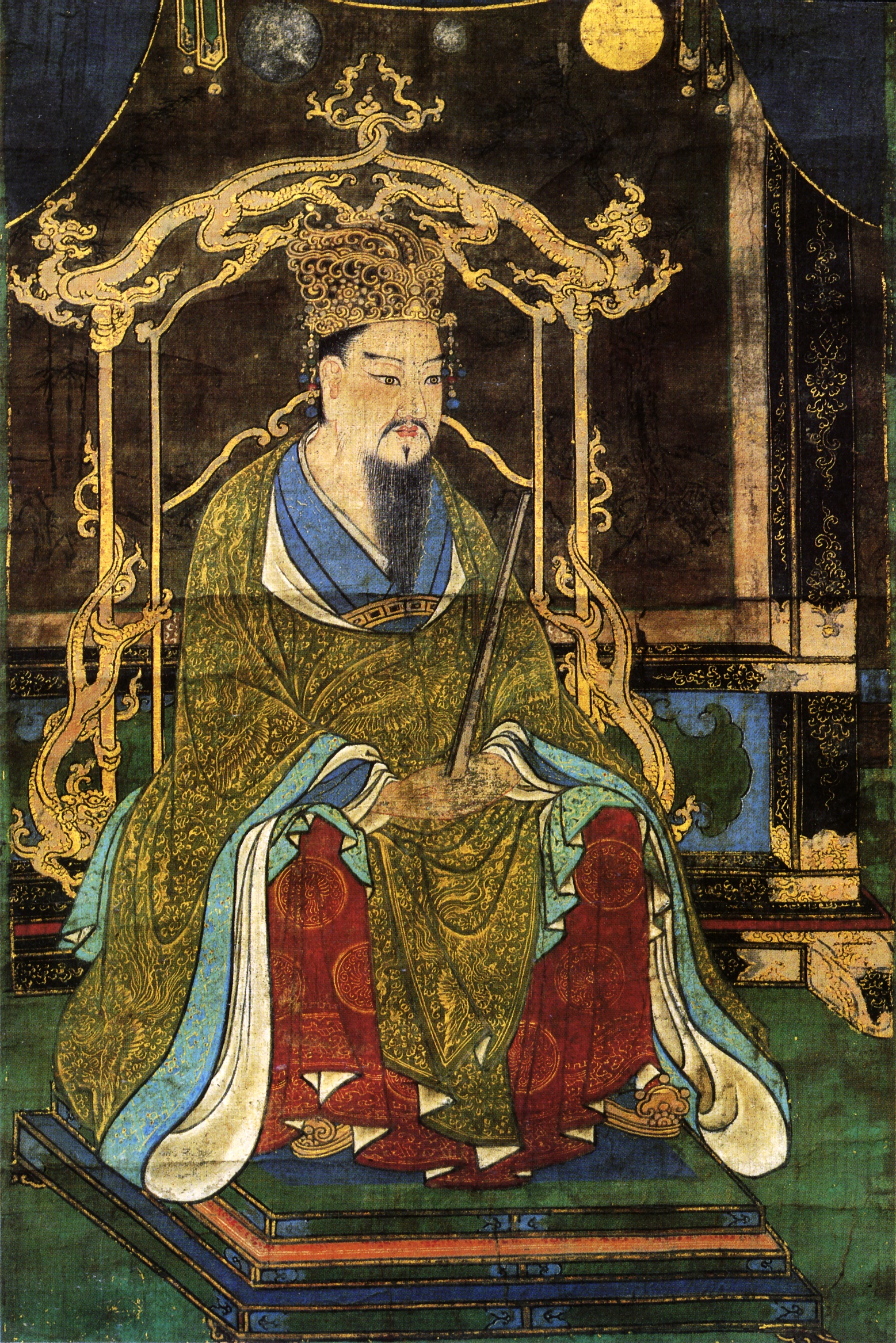
Fiftieth Emperor of Japan (781โ806 CE) who broke the political stranglehold of the Buddhist temples of Nara by relocating the imperial capital to Heian-kyo (Kyoto) in 794, inaugurating the glorious four-century Heian period of classical Japanese culture.
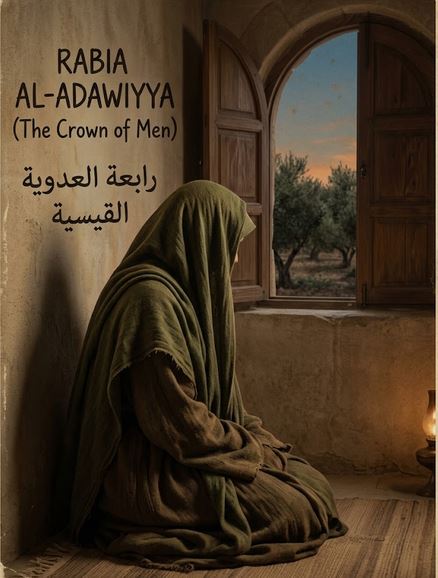
Eighth-century mystic of Basra who revolutionized Sufi spirituality by introducing the concept of pure, unselfish Divine Love (Mahabba / Ishq)โworshiping God neither out of fear of Hell nor desire for Paradise, but purely for His beauty.
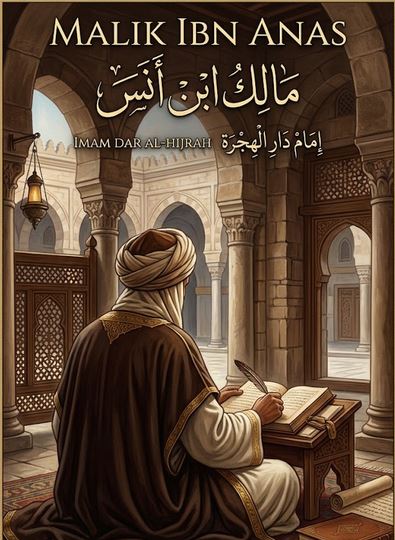
Revered as the 'Imam of Medina' (Imam Dar al-Hijrah), author of the 'Muwatta' (the earliest surviving book of Islamic law) and founder of the Maliki school.
Venerated as the "Imam of the Abode of Emigration" (Medina). Compiled the Muwattaโhumanity's earliest extant Islamic legal and Hadith corpusโand founded the Maliki school based on the living communal practice (Amal) of Medina.
Great-grandson of Prophet Muhammad through Ali and Fatima, who fled Abbasid persecution, was welcomed by the Awraba Berbers at Volubilis, and founded the Idrisid Dynasty, establishing the first sovereign Moroccan Islamic state.
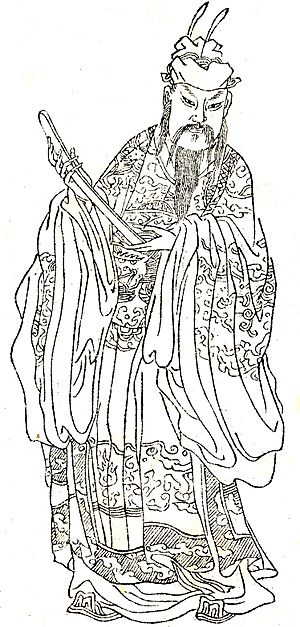
Legendary Tang dynasty general and Prince of Fenyang who quelled the catastrophic An Lushan Rebellion, recaptured both capitals, and preserved the Tang Empire.
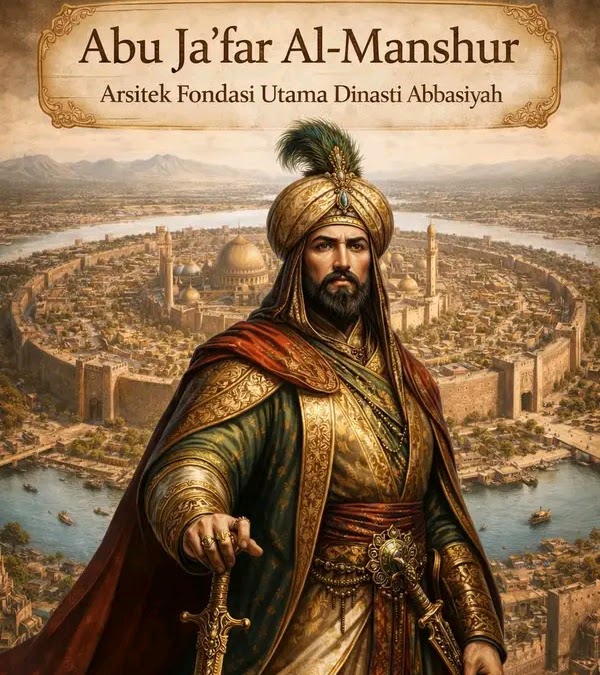
Second Abbasid Caliph and true founder of the Abbasid Caliphate who designed and founded the legendary Round City of Baghdad in 762 CE.
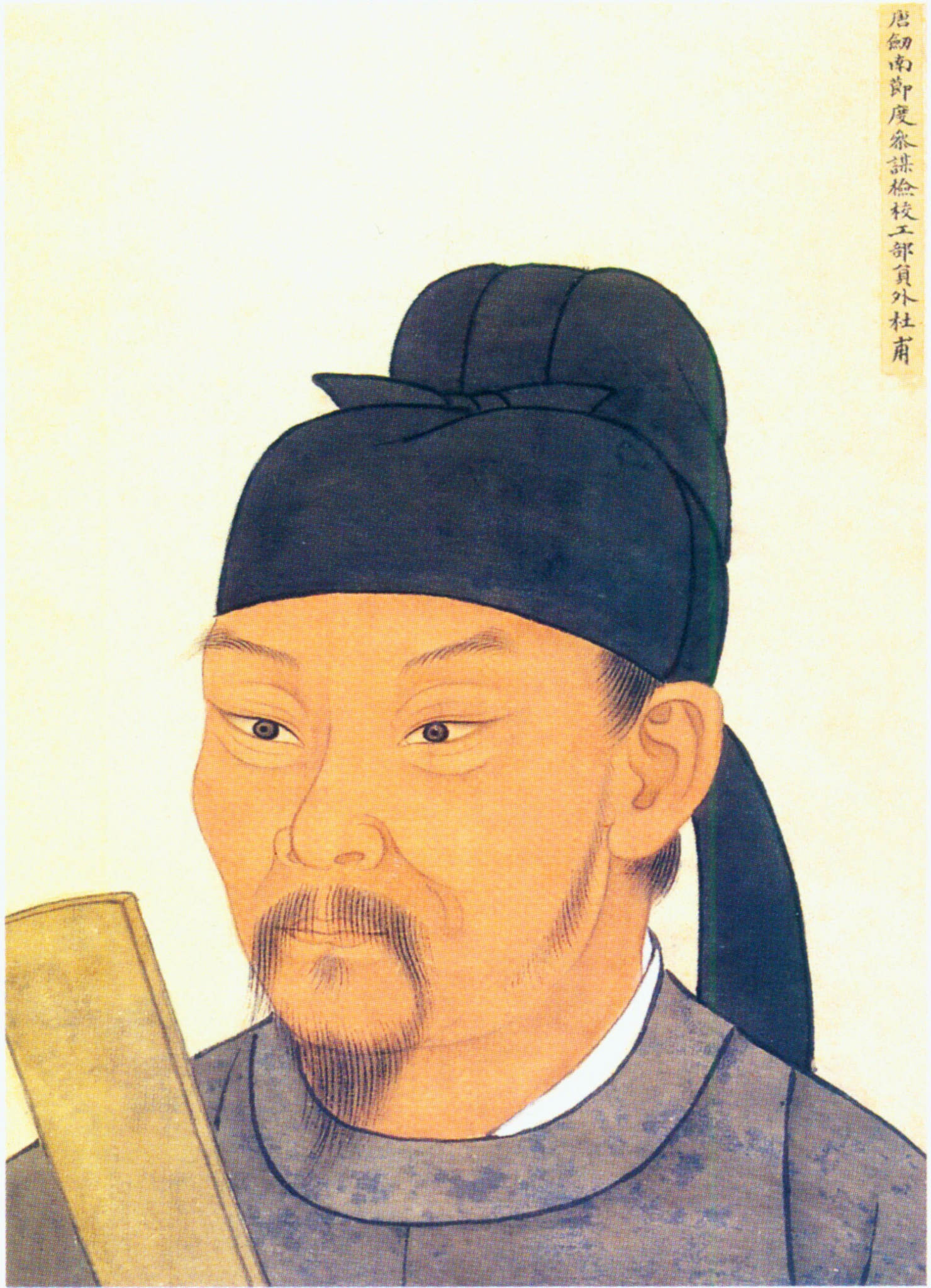
Tang dynasty literary titan (712โ770), honored as the 'Poet-Historian' and 'Poet-Sage' (Shisheng), whose profound verse chronicled the devastating An Lushan Rebellion and gave voice to ordinary human suffering.
The "Great Imam" whose juridical methodology created the Hanafi schoolโthe most widely followed legal school in Islamic history. Championed juristic preference (Istihsan), human equity, and commercial integrity in Kufa.