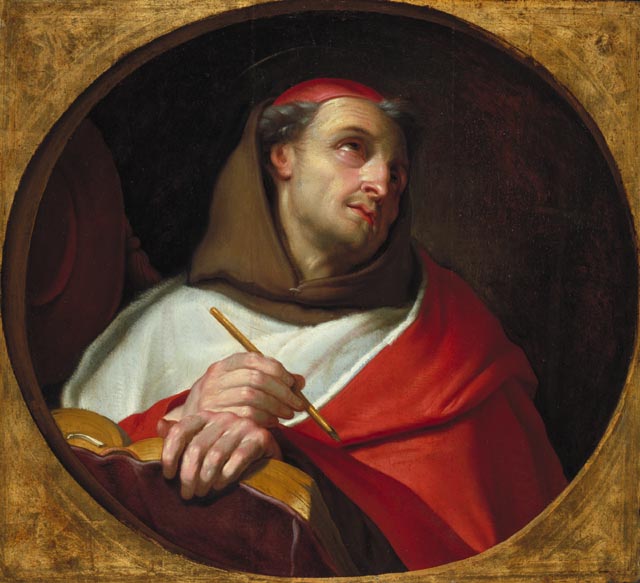
Saint Bonaventure
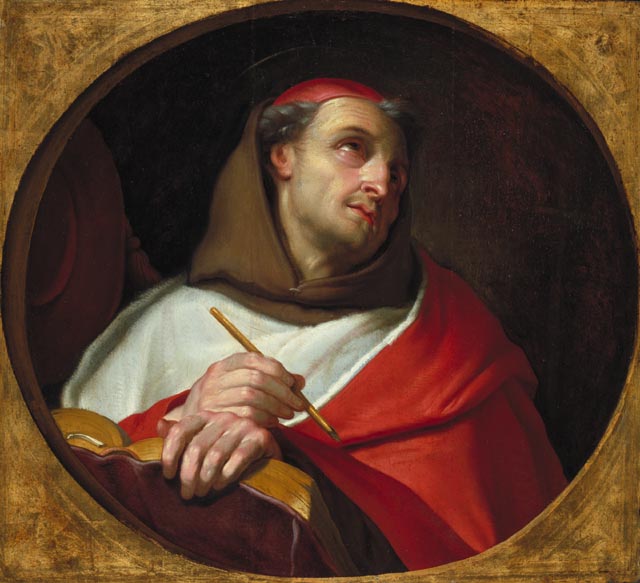
Revered as the 'Seraphic Doctor', Franciscan Minister General and scholastic philosopher who synthesized Augustinian mysticism with Christian philosophy in 'The Mind's Journey into God'.
Start typing to search worldwide archives and community tributes
Filterable archive covering centuries of intellectual, artistic, and moral contributions to the human story.
Revered as the 'Seraphic Doctor', Franciscan Minister General and scholastic philosopher who synthesized Augustinian mysticism with Christian philosophy in 'The Mind's Journey into God'.
Franciscan Minister General, Cardinal Bishop, and Doctor of the Church whose 'The Mind's Journey to God' (Itinerarium) synthesized Augustinian theology with mystical Francisan love.
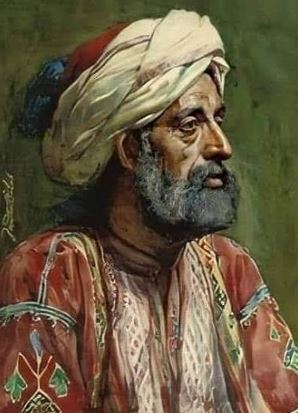
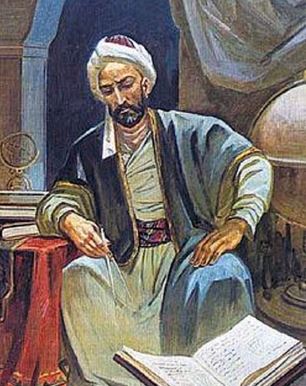
Persian polymath who designed the Maragheh Observatory, invented the Tusi-couple geometric model that inspired Copernicus, and authored the foundational moral treatise Akhlaq-i Nasiri.
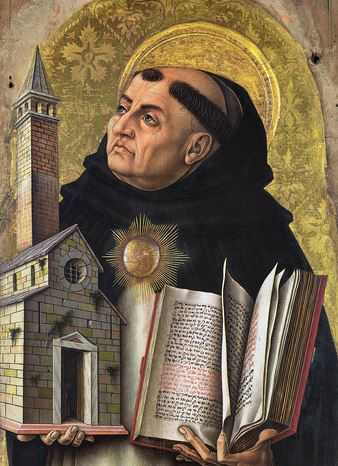
Foremost philosopher-theologian of scholasticism who brilliantly synthesized Aristotelian philosophy with Christian revelation. Author of the monumental Summa Theologiae and formulated the Five Ways of proving God's existence.
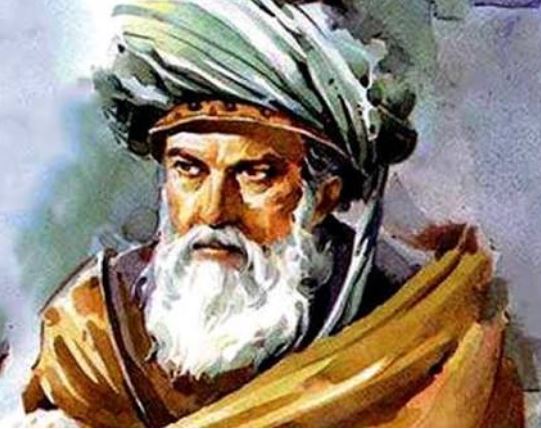
Thirteenth-century spiritual giant whose 26,000-verse Masnavi is revered as "the Quran in the Persian tongue." Transformed through mystical communion with Shams of Tabriz into humanity's most universal poet of divine ecstasy and reconciliation.
Andalusian Maliki jurist and scholar whose 20-volume 'Al-Jami li-Ahkam al-Quran' is the premier legal commentary on the Quran, renowned for objectivity and ethical guidance.
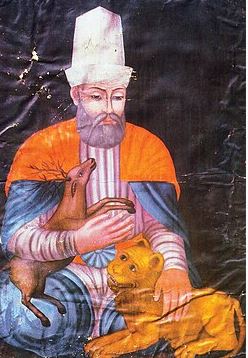
Beloved Khorasani mystic, humanist, and philosopher who settled in Anatolia, founding the Bektashi order that heavily influenced the Janissaries and Ottoman culture.
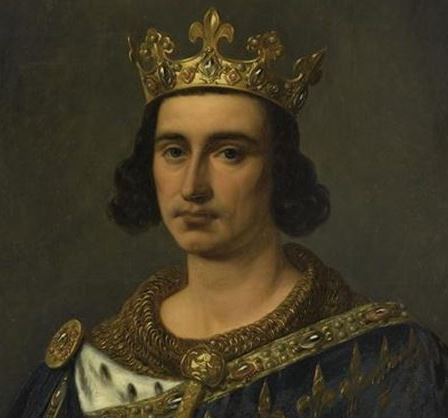
Capetian King of France and the only French monarch canonized as a saint. Celebrated throughout Europe as an incorruptible arbiter of international peace, builder of the luminous Sainte-Chapelle in Paris, and reformer of royal justice.
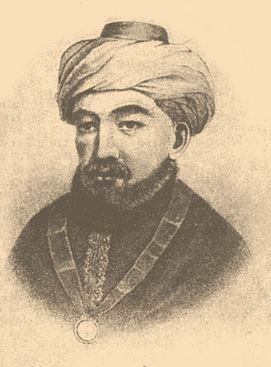
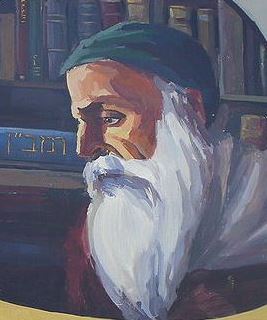
Thirteenth-century Catalan rabbi, physician, and kabbalist. Defended Judaism with extraordinary courage in the Disputation of Barcelona before King James I of Aragon, authored a mystical commentary on the Torah, and revitalized Jewish life in Jerusalem.
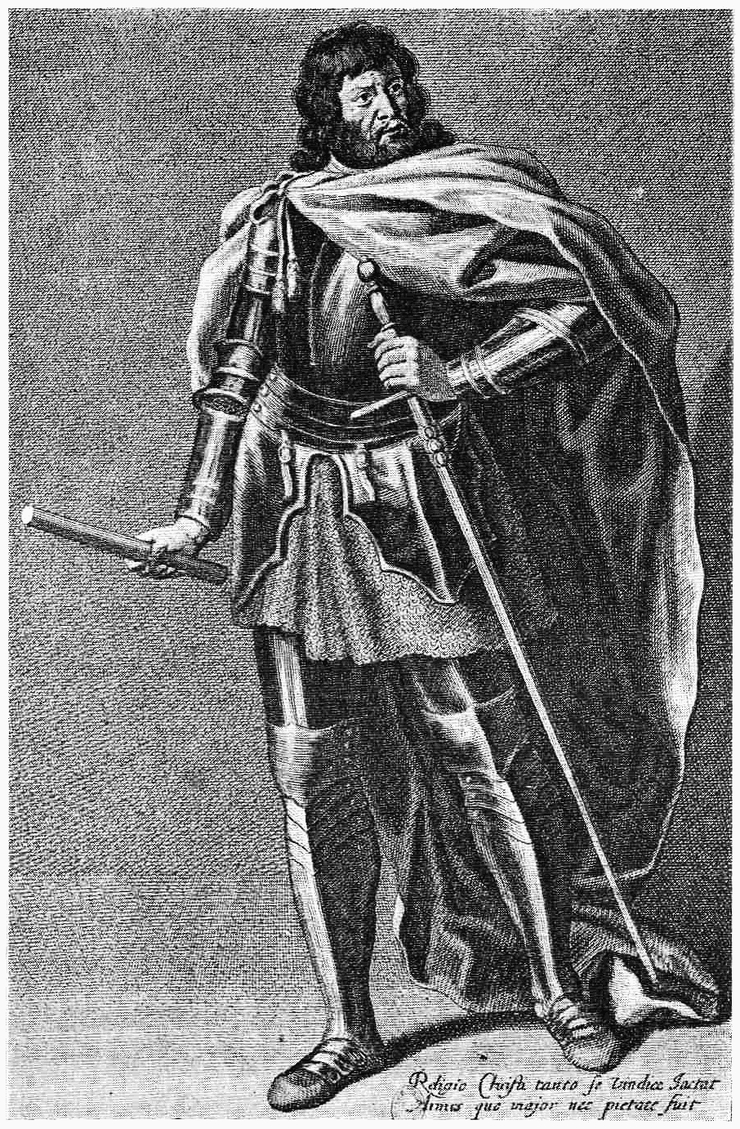
French-English nobleman and military leader who defeated King Henry III at the Battle of Lewes and convened England's first representative Parliament.
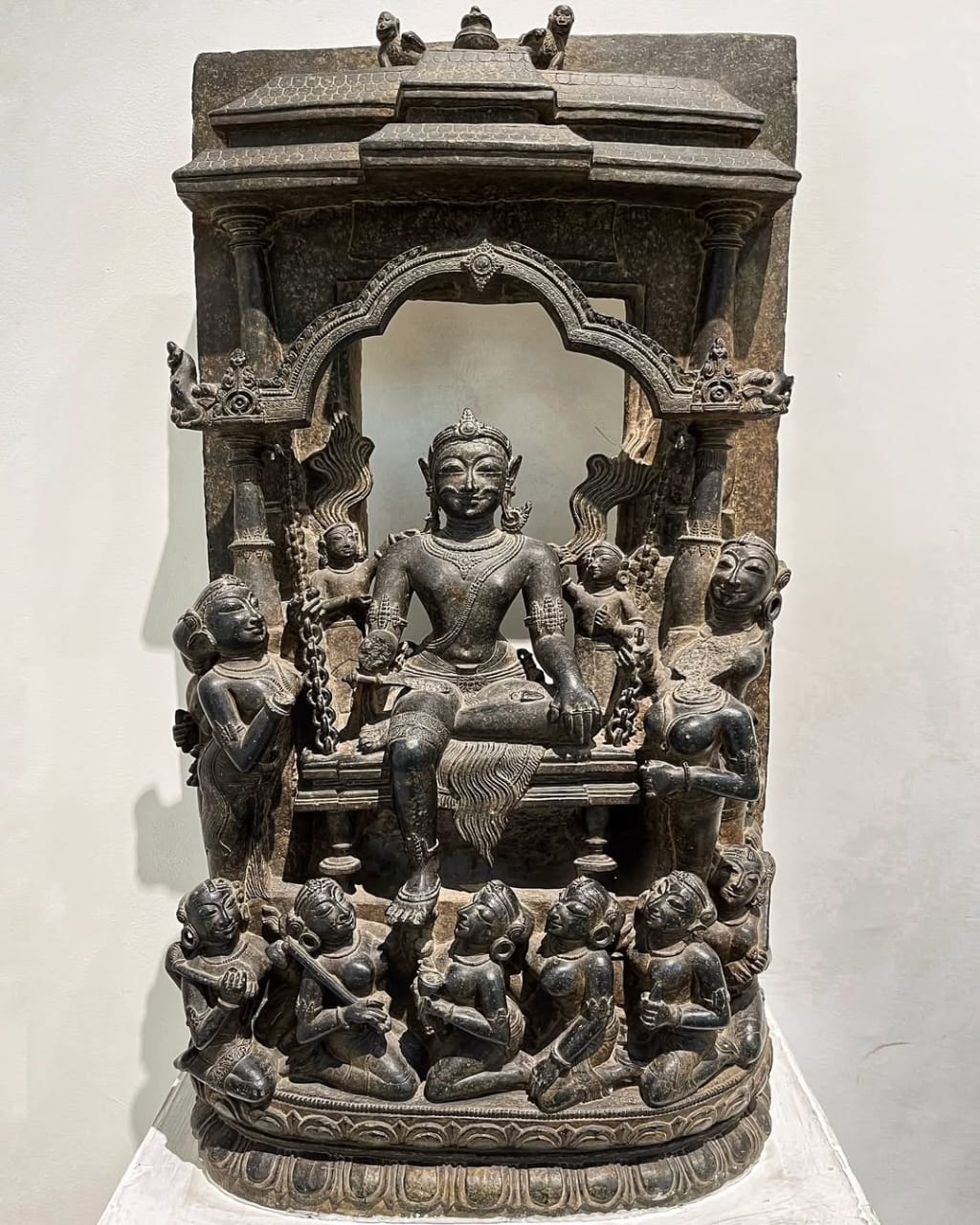
Powerful monarch of the Eastern Ganga dynasty of Kalinga (1238–1264) who soundly defeated the Bengal Sultanate forces and commissioned the world-renowned Konark Sun Temple, a UNESCO World Heritage architectural marvel.
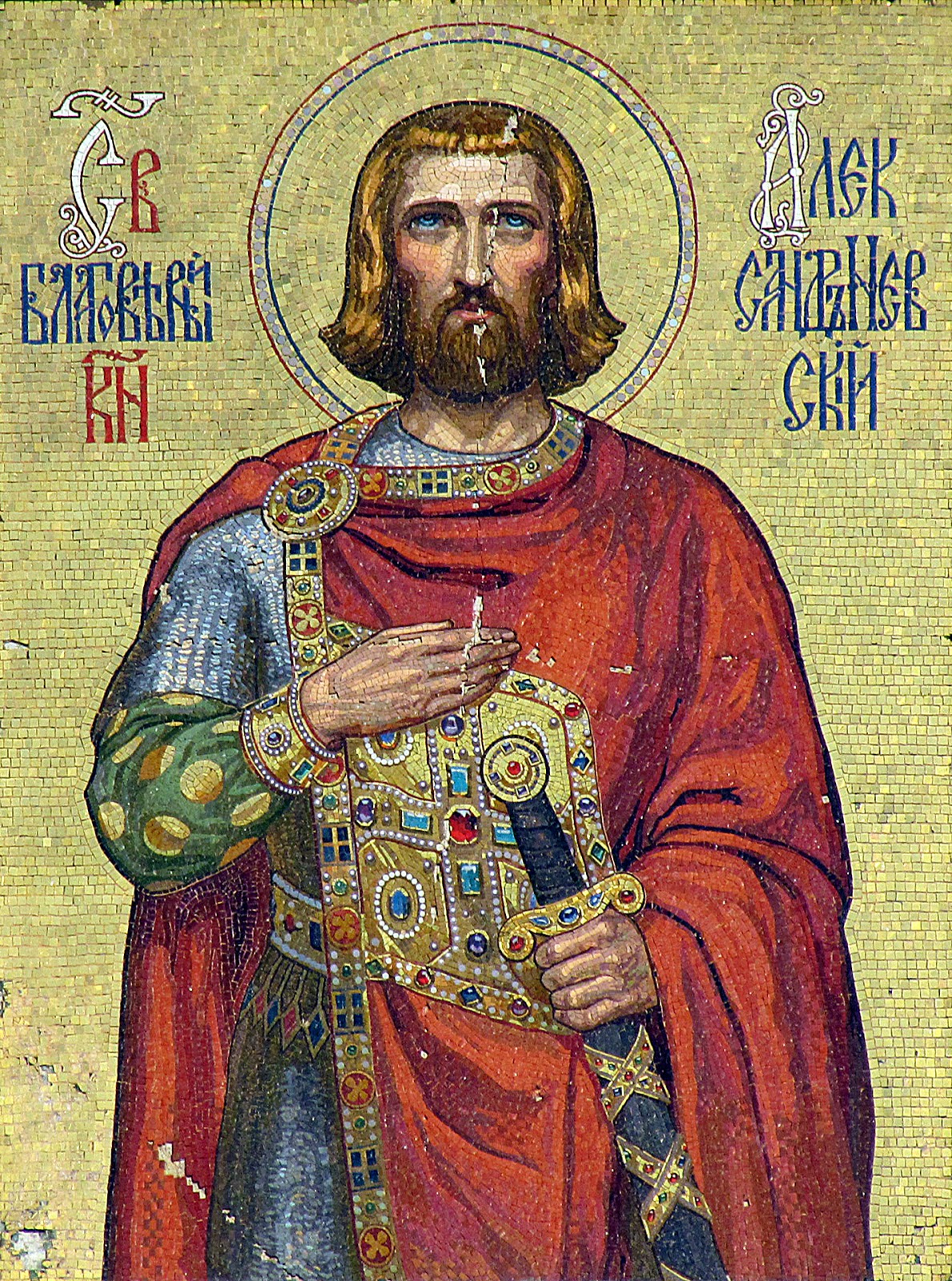
Prince of Novgorod and Grand Prince of Vladimir who crushed the Swedish invasion at the Neva and defeated the Teutonic Knights in the Battle on the Ice.
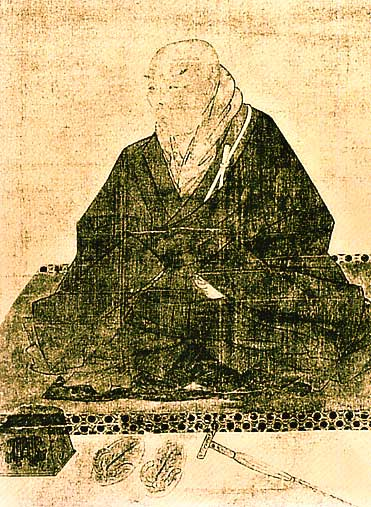
Disciple of Honen and founder of Jodo Shinshu (True Pure Land) who rejected monasticism, married, and proclaimed radical salvation through the absolute 'Other-Power' (Tariki) of Amida Buddha.
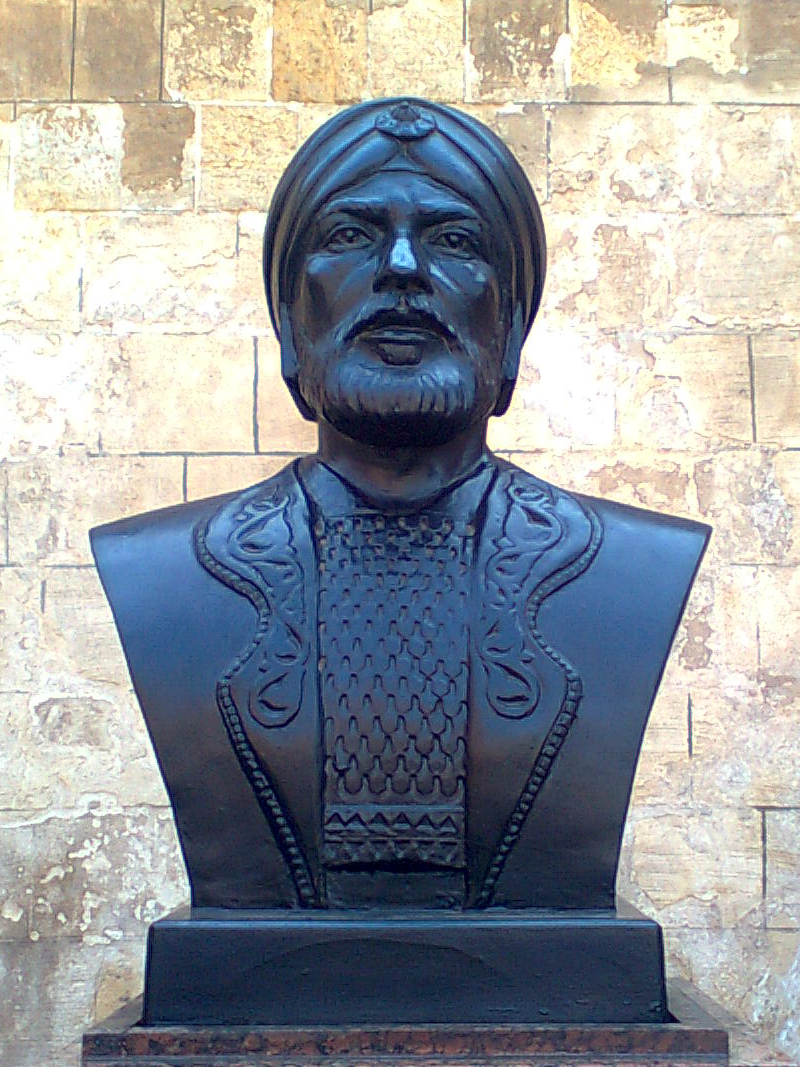
Revered Syrian-Egyptian jurist known as 'Sultan of the Scholars' who confronted Crusader alliances, forced Mamluk princes to auction themselves for public welfare, and inspired victory at Ain Jalut.
Mamluk Sultan of Egypt who rallied the Islamic world following the Mongol sack of Baghdad, executed Hulagu Khan's envoys, and personally led the Muslim army to victory at Ain Jalut.
Mamluk Sultan of Egypt who united the Muslim world to inflict the first major battlefield defeat upon the Mongol Empire at the Battle of Ain Jalut.
Moroccan-born Sufi master and founder of the Shadhiliyya order, whose practical path of gratitude, inward detachment without outward poverty, and 'Hizb al-Bahr' shaped North Africa.
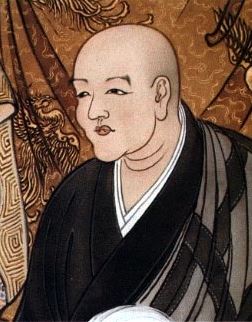
Thirteenth-century Japanese philosopher and monk who brought Soto Zen from China, founded Eihei-ji Temple, and authored the Shobogenzo (Treasury of the True Dharma Eye). Revolutionized philosophy with his concept of Being-Time (Uji).