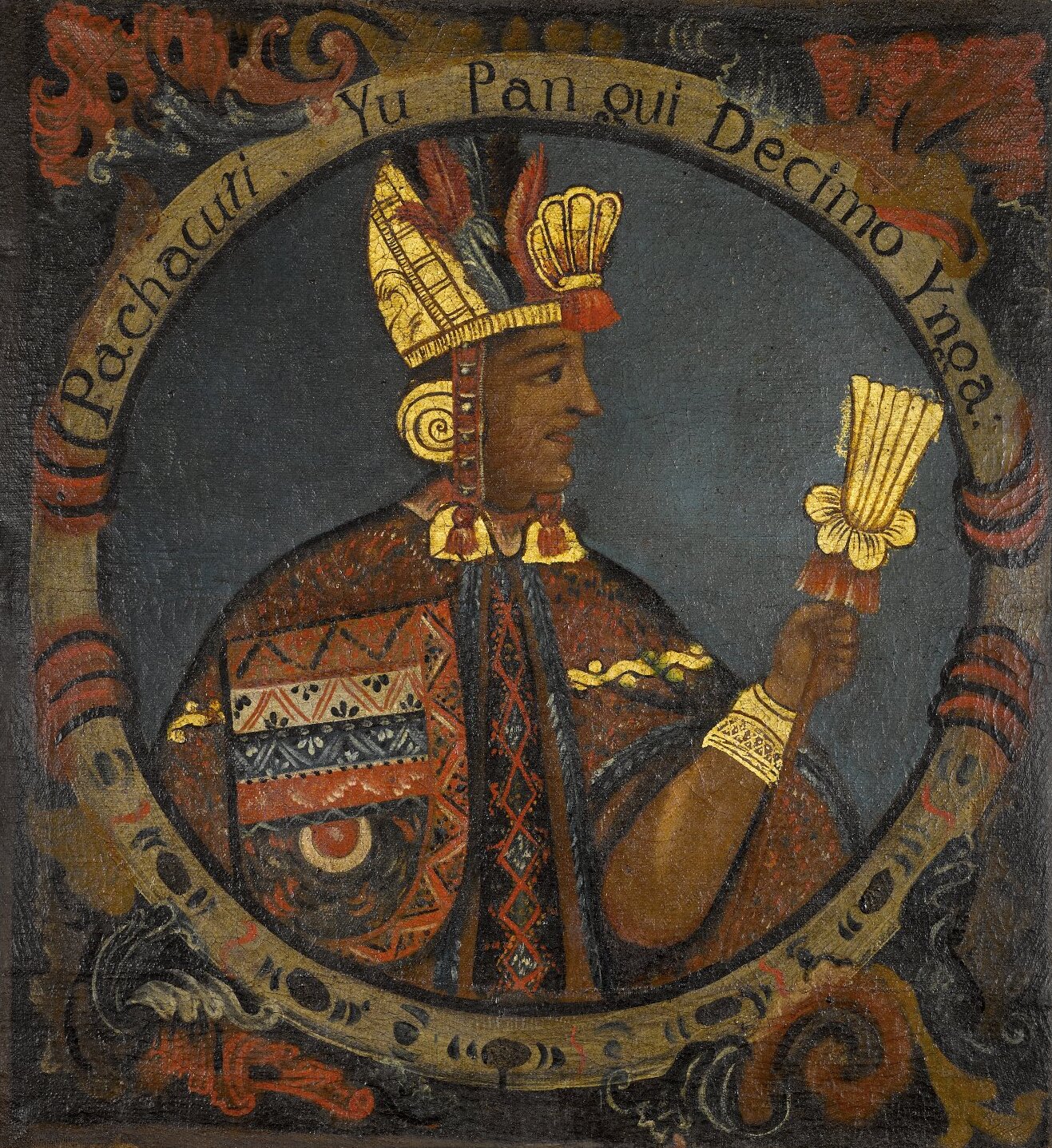
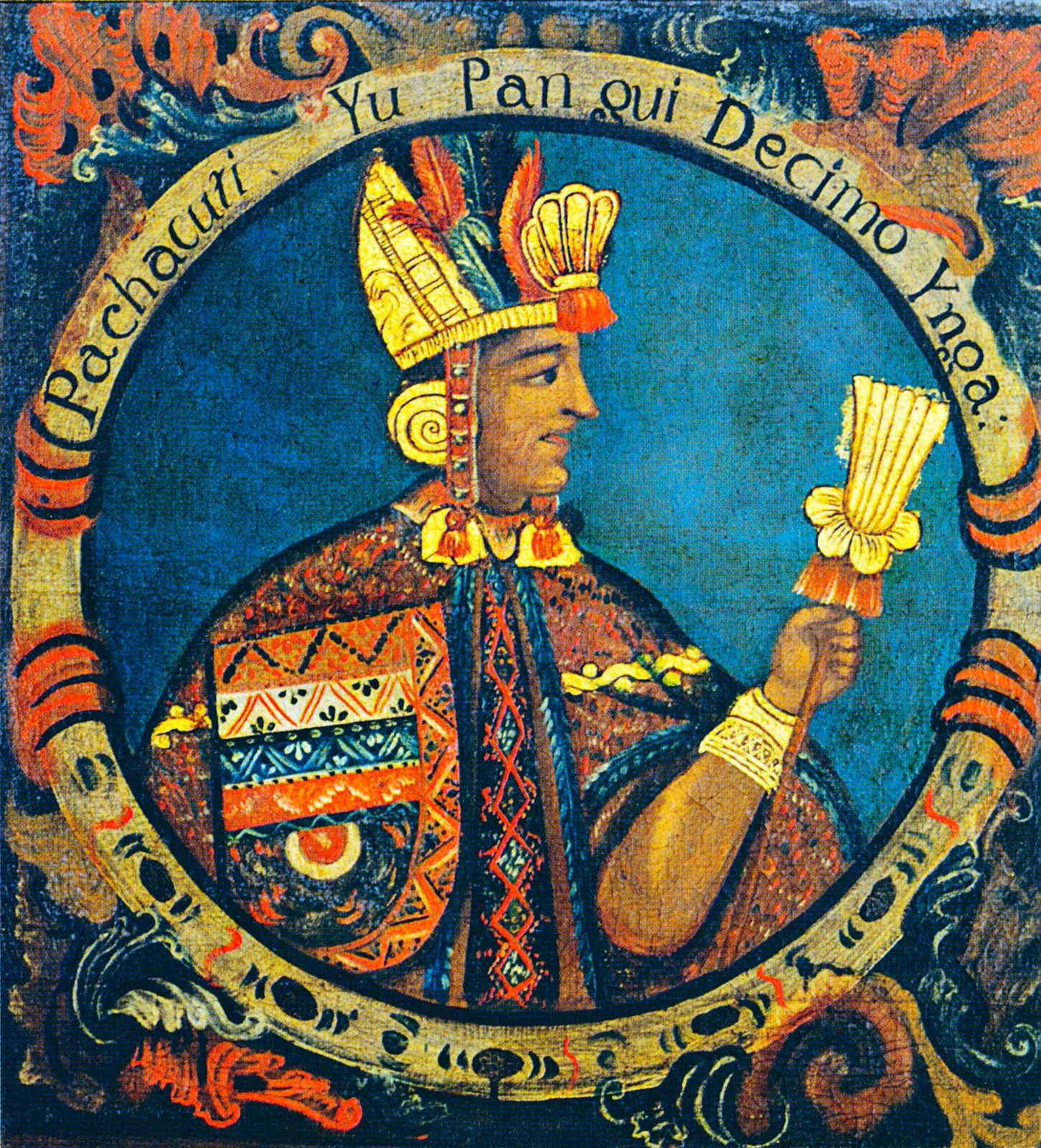
Pachacuti
Ninth Sapa Inca who transformed the modest Kingdom of Cusco into the colossal Inca Empire (Tawantinsuyu), rebuilt Cusco in the shape of a puma, and constructed the sanctuary of Machu Picchu.
Start typing to search worldwide archives and community tributes
Filterable archive covering centuries of intellectual, artistic, and moral contributions to the human story.
Ninth Sapa Inca who transformed the modest Kingdom of Cusco into the colossal Inca Empire (Tawantinsuyu), rebuilt Cusco in the shape of a puma, and constructed the sanctuary of Machu Picchu.
Ninth Sapa Inca whose military genius transformed the Kingdom of Cusco into Tawantinsuyu (Inca Empire) and who commissioned Machu Picchu.
Distinguished Egyptian historian of Mamluk aristocratic descent who studied under Al-Maqrizi and authored 'Al-Nujum al-Zahirah', the definitive multi-volume chronicle of Egypt from the Arab conquest to 1468.
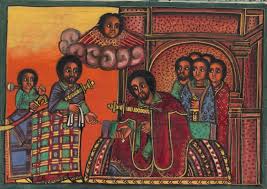
Fifteenth-century Emperor of Ethiopia from the Solomonic Dynasty whose thirty-four-year reign represented the golden age of medieval Ethiopian power, literature, and church organization.
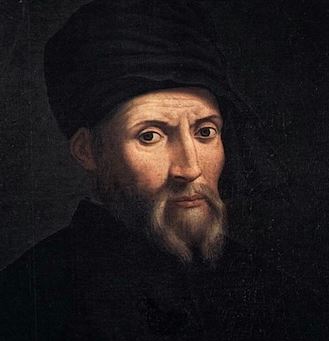
Supreme master sculptor of the Florentine Early Renaissance who created the bronze David—the first freestanding nude bronze statue since classical antiquity—and pioneered schiacciato low relief.
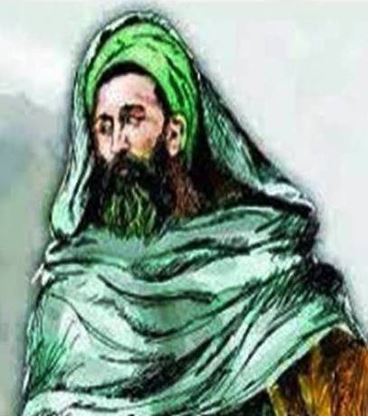
Sanhaja Berber Sufi master who authored 'Dala'il al-Khayrat', the most celebrated prayer book in Islamic history, and mobilized national resistance against Portuguese coastal incursions in Morocco.
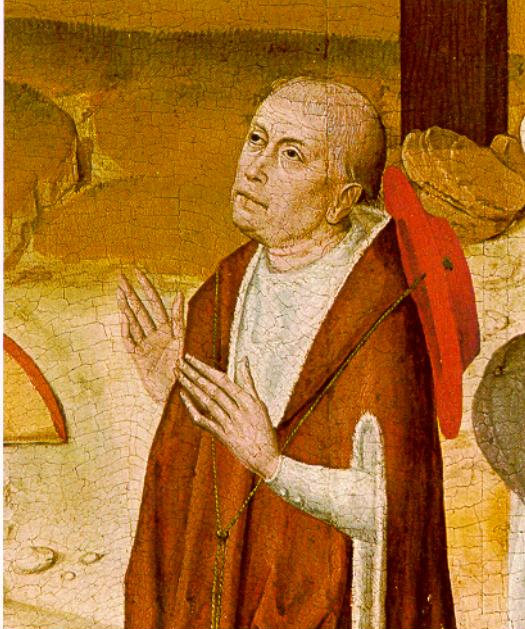
German Renaissance polymath and cardinal who developed the concept of 'learned ignorance' (docta ignorantia) and the 'coincidence of opposites' (coincidentia oppositorum), anticipating an infinite universe without a center.
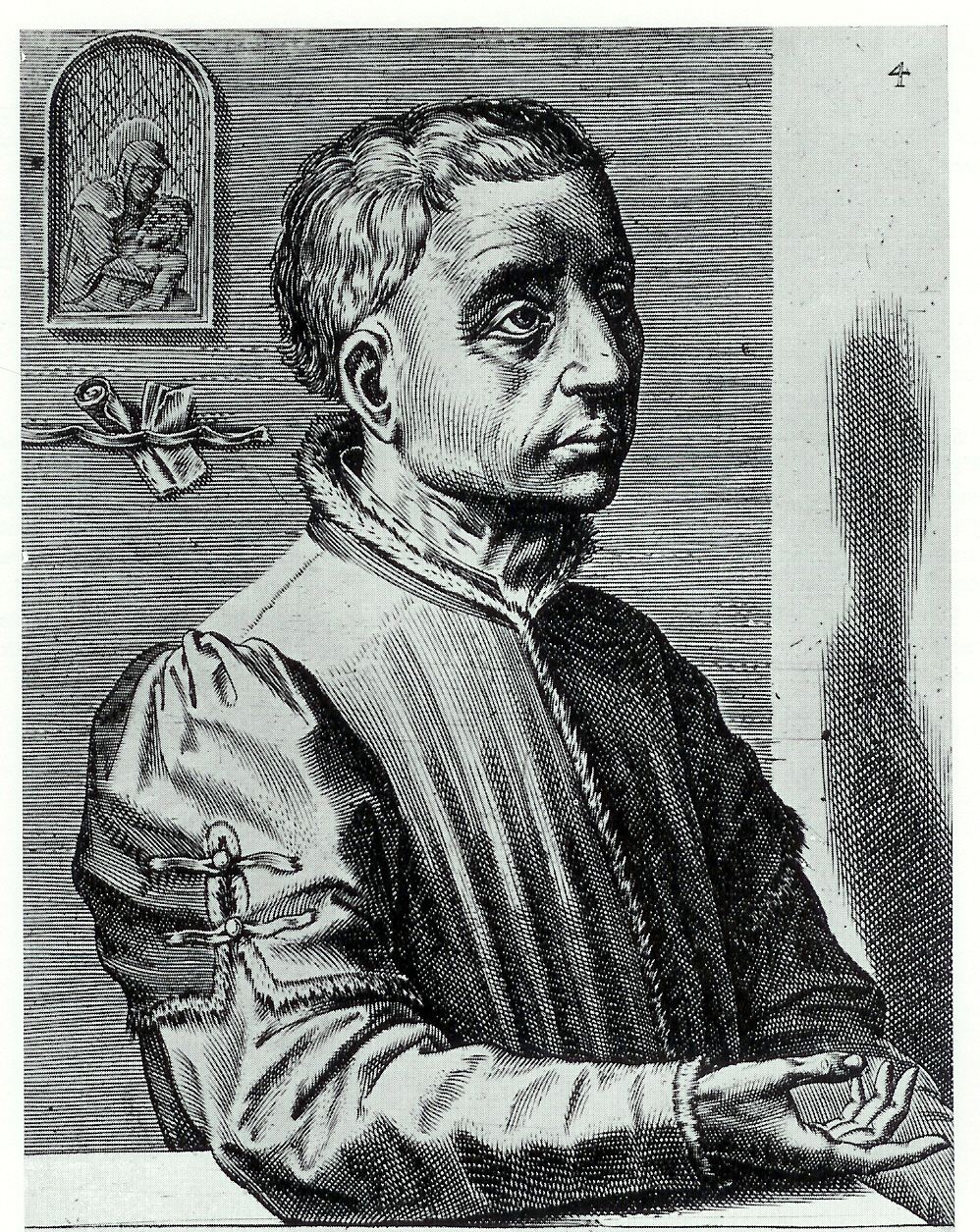
Early Netherlandish master painter whose heart-rending 'Descent from the Cross' captured intense human emotion, tears, and spiritual pathos with unparalleled precision.
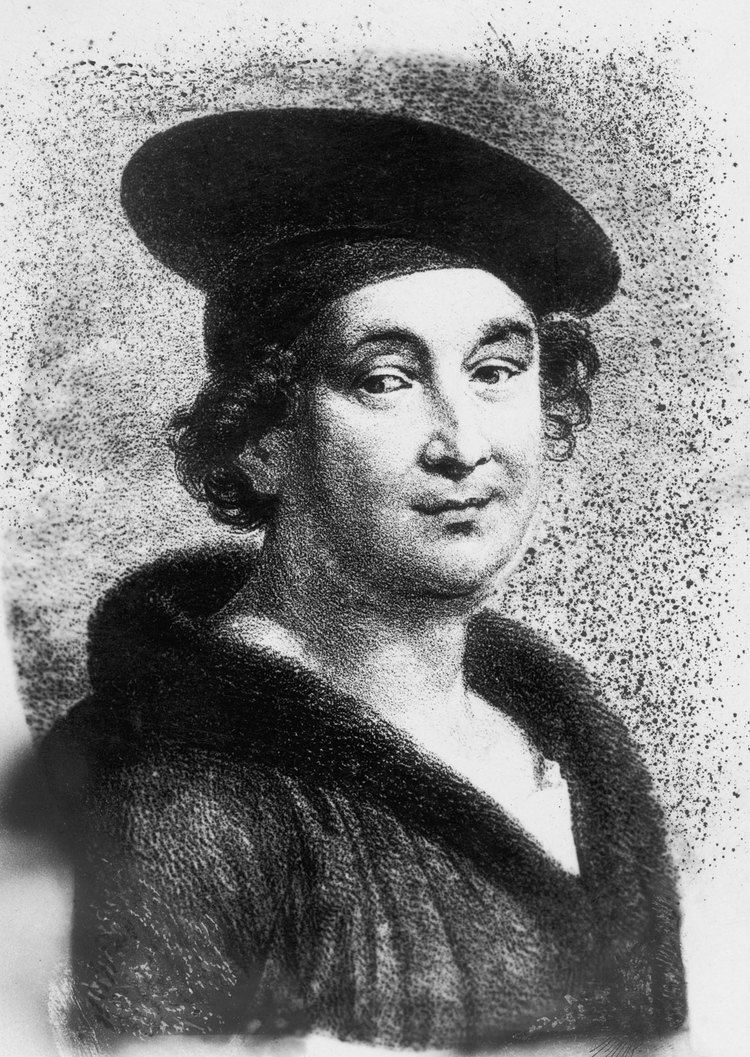
Greatest French lyric poet of the late Middle Ages, roguish outlaw, and author of Le Testament and the haunting Ballade des Pendus.
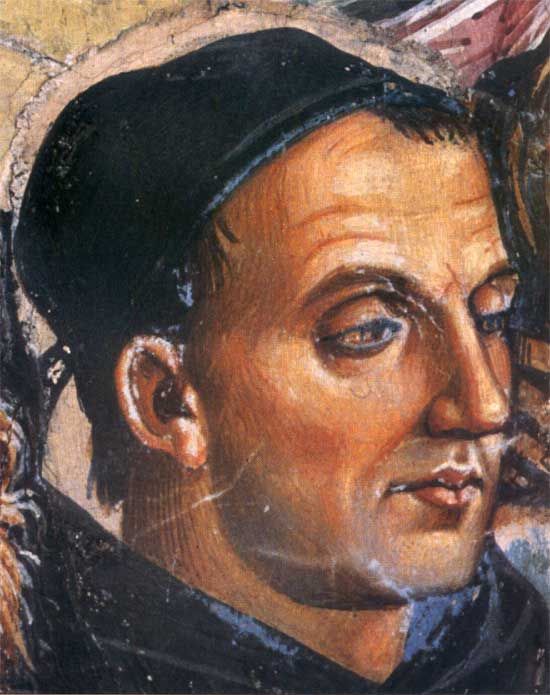
Florentine Early Renaissance friar celebrated for devout, luminous frescoes and altarpieces of unearthly purity and tranquility.
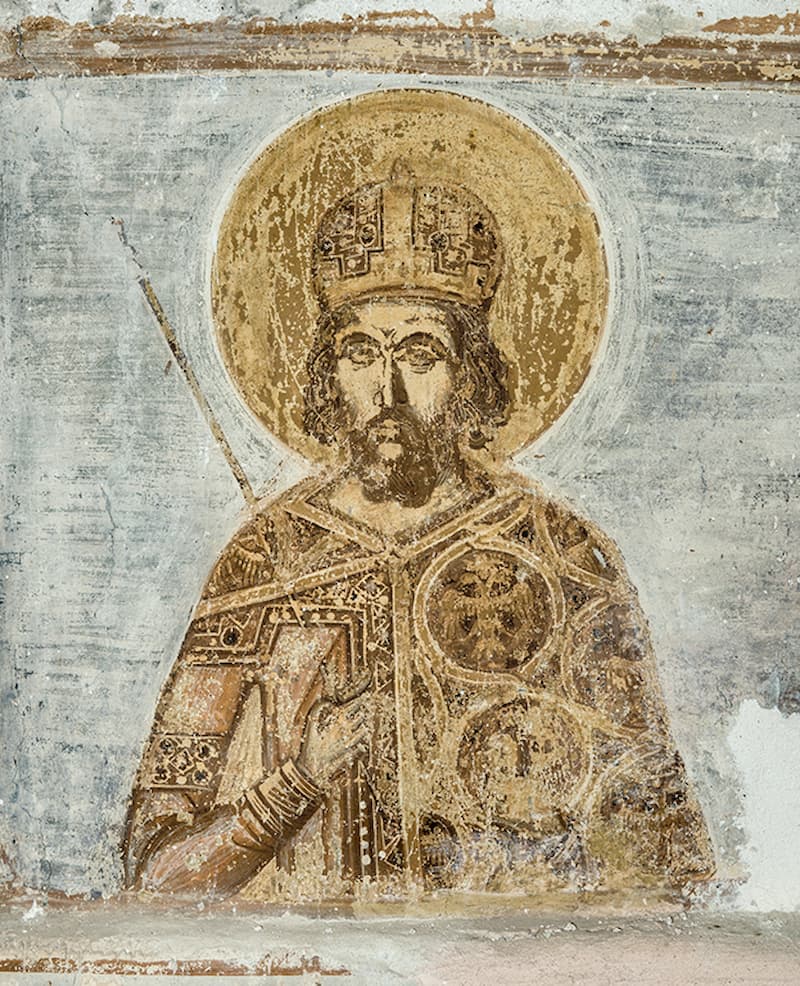
Last Emperor of the Byzantine Empire who died fighting heroically on the walls of Constantinople during the final Ottoman assault in 1453.
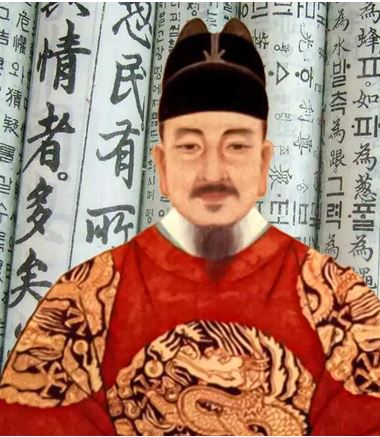
Fourth King of the Joseon Dynasty revered as Korea's greatest monarch. Personally invented the Hangul phonetic alphabet in 1443 so common citizens could read and write, and sponsored world-pioneering rain gauges, celestial globes, and sundials.
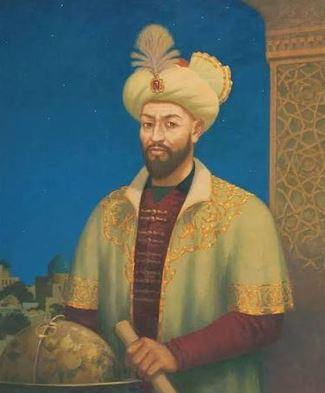
Timurid ruler and astronomer who constructed the colossal Samarkand Observatory with its 40-meter meridian sextant, producing the Zij-i Sultani star catalog of 1,018 stars.
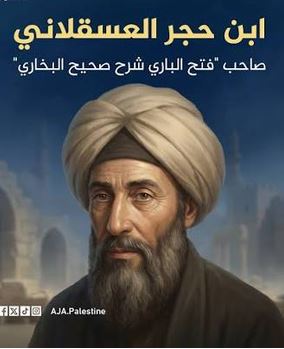
Supreme Hadith scholar of late medieval Islam, Chief Shafi'i Judge of Egypt, and author of 'Fath al-Bari', the peerless commentary on Sahih al-Bukhari.
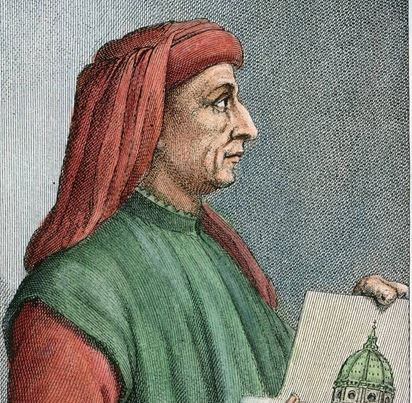
Florentine architectural genius who engineered the majestic dome of Florence Cathedral (Santa Maria del Fiore) without scaffolding and mathematically discovered the principles of linear perspective.
First great master of Early Netherlandish painting alongside Van Eyck, whose 'Mérode Altarpiece' brought sacred events into realistic contemporary domestic interiors.
Aragonese Jewish philosopher and apologist whose 'Book of Principles' (Sefer Ha-Ikkarim) distilled Jewish dogmatic theology into three essential fundamentals.
Greatest playwright and aesthetic philosopher in Japanese history, who transformed Noh theatre into a supreme Zen art form and authored 'Fushikaden' (The Flowering Spirit), articulating the aesthetic concepts of Yugen (subtle grace) and Monomane.