Public Figures & Cultural Luminaries
Filterable archive covering centuries of intellectual, artistic, and moral contributions to the human story.
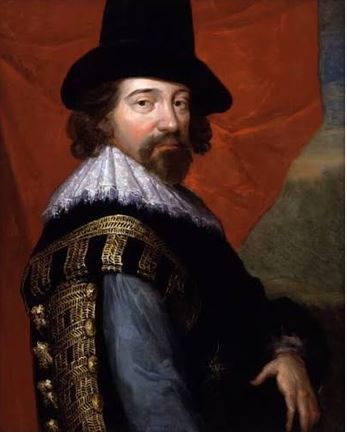
Francis Bacon (1st Viscount St Alban)
 (Francis Bacon)
English philosopher and statesman whose Novum Organum established the empirical inductive method, dismantled the Idols of the Mind, and proclaimed that 'Knowledge is Power'.
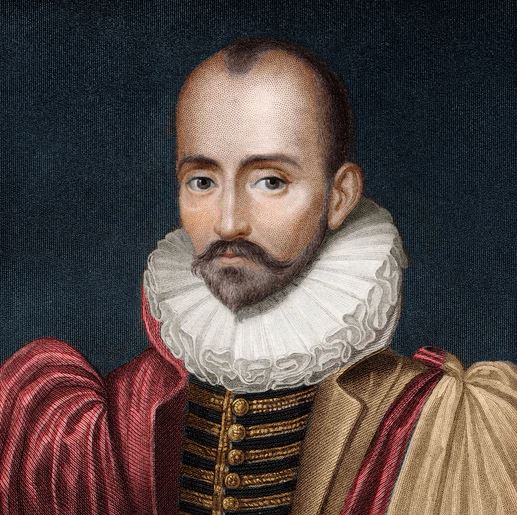
Michel de Montaigne
 (Michel Eyquem de Montaigne)
French Renaissance thinker who invented the essay as a philosophical genre, pioneering skeptical humanism, intellectual modesty, and the immortal question 'Que sais-je?' (What do I know?).
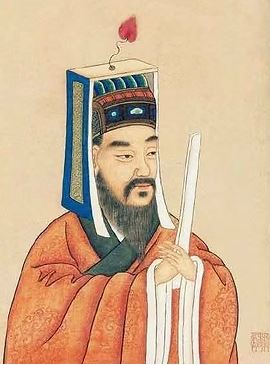
Wang Yangming (Wang Shouren)
 (王陽明 (王守仁))
Ming general and philosopher who founded the School of Mind (Xinxue), proclaiming the unity of knowledge and action (zhixing heyi) and the innate moral conscience of every person.
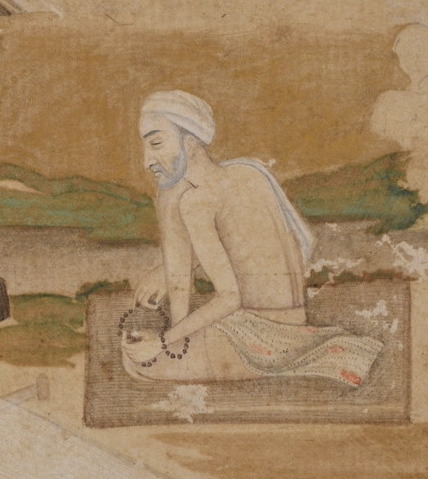
Guru Ravidas
 (गुरु रविदास)
15th-century mystic poet-saint, leatherworker, and social egalitarian whose vision of 'Begampura'—a sorrowless city free from caste, taxation, and oppression—became the foundational manifesto of Dalit liberation and human equality.
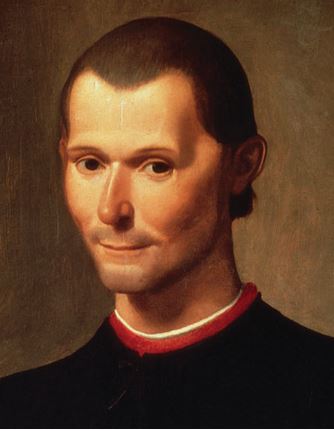
Niccolò Machiavelli
 (Niccolò di Bernardo dei Machiavelli)
Renaissance Florentine diplomat considered the father of modern political science, whose works The Prince and Discourses on Livy exposed the realistic mechanics of state power and republican liberty.
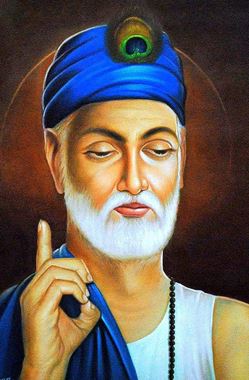
Kabir Das (कबीर दास)
Celebrated 15th-century mystic poet-philosopher and weaver whose biting couplets (Dohas) pierced through the hypocrisies of both Hindu caste orthodoxy and Muslim dogmatism, teaching the formless truth of the divine (Nirguna Ram).
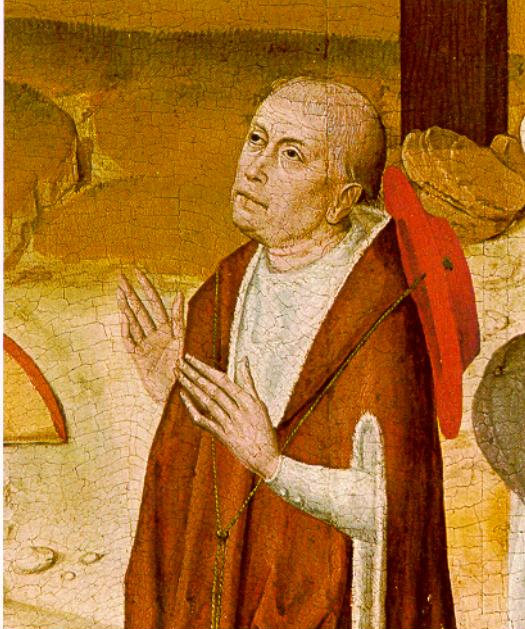
Nicolas of Cusa
 (Nicolaus Cusanus)
German Renaissance polymath and cardinal who developed the concept of 'learned ignorance' (docta ignorantia) and the 'coincidence of opposites' (coincidentia oppositorum), anticipating an infinite universe without a center.
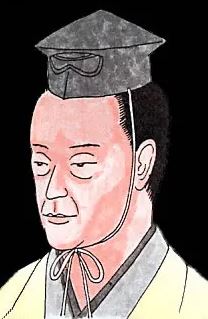
Zeami Motokiyo
 (世阿弥 元清)
Greatest playwright and aesthetic philosopher in Japanese history, who transformed Noh theatre into a supreme Zen art form and authored 'Fushikaden' (The Flowering Spirit), articulating the aesthetic concepts of Yugen (subtle grace) and Monomane.
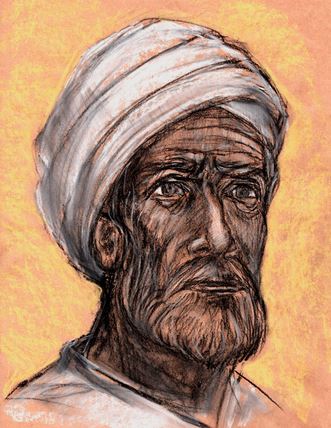
Ibn Khaldun (Wali al-Din Abd al-Rahman)
 (عبد الرحمن بن محمد بن خلدون)
Father of historiography, sociology, and political economy whose Muqaddimah uncovered the laws governing social cohesion (Asabiyyah) and the cyclical rise and fall of civilizations.
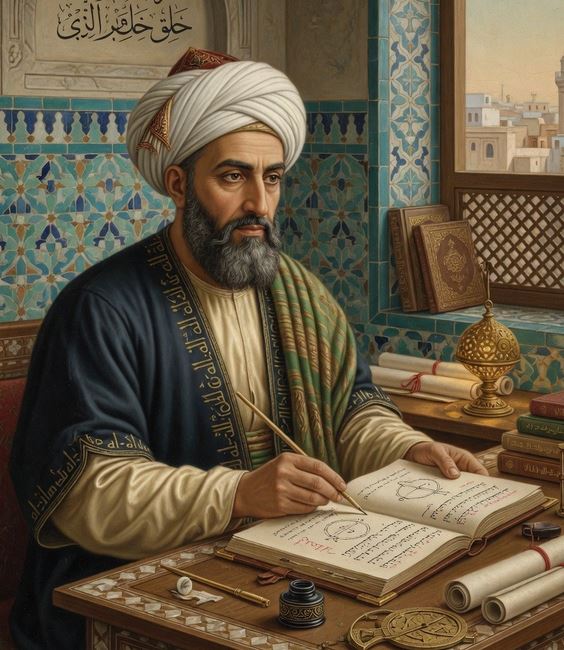
Abd al-Rahman Ibn Khaldun
(عبد الرحمن بن خلدون)
Pioneering polymath widely regarded as the foundational father of sociology, historiography, demography, and cultural philosophy. Renowned globally for his seminal work, the Muqaddimah.
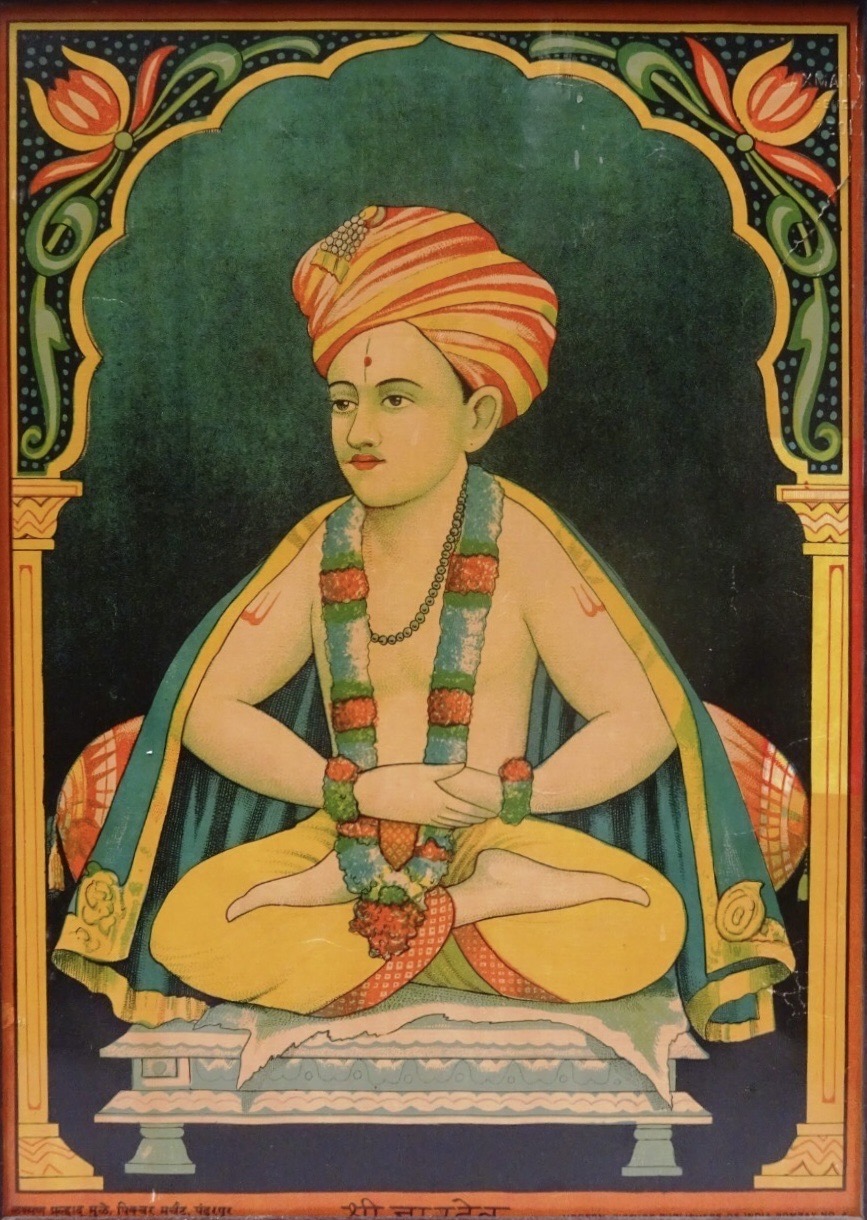
Sant Namdev
(संत नामदेव)
14th-century tailor-saint who pioneered the Varkari tradition of Maharashtra and traveled across Northern India to Punjab, whose sixty-one devotional hymns were enshrined in the Sikh sacred scripture, the Guru Granth Sahib.
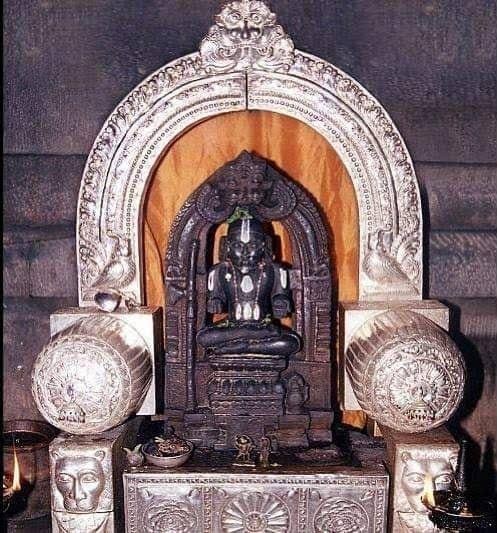
Madhvacharya
(मध्वाचार्य)
Revolutionary 13th-century philosopher-saint who founded Dvaita (Pure Dualism) Vedanta, establishing the Krishna Temple at Udupi and teaching the 'Pancha-Bheda'—the five fundamental, eternal distinctions of reality.
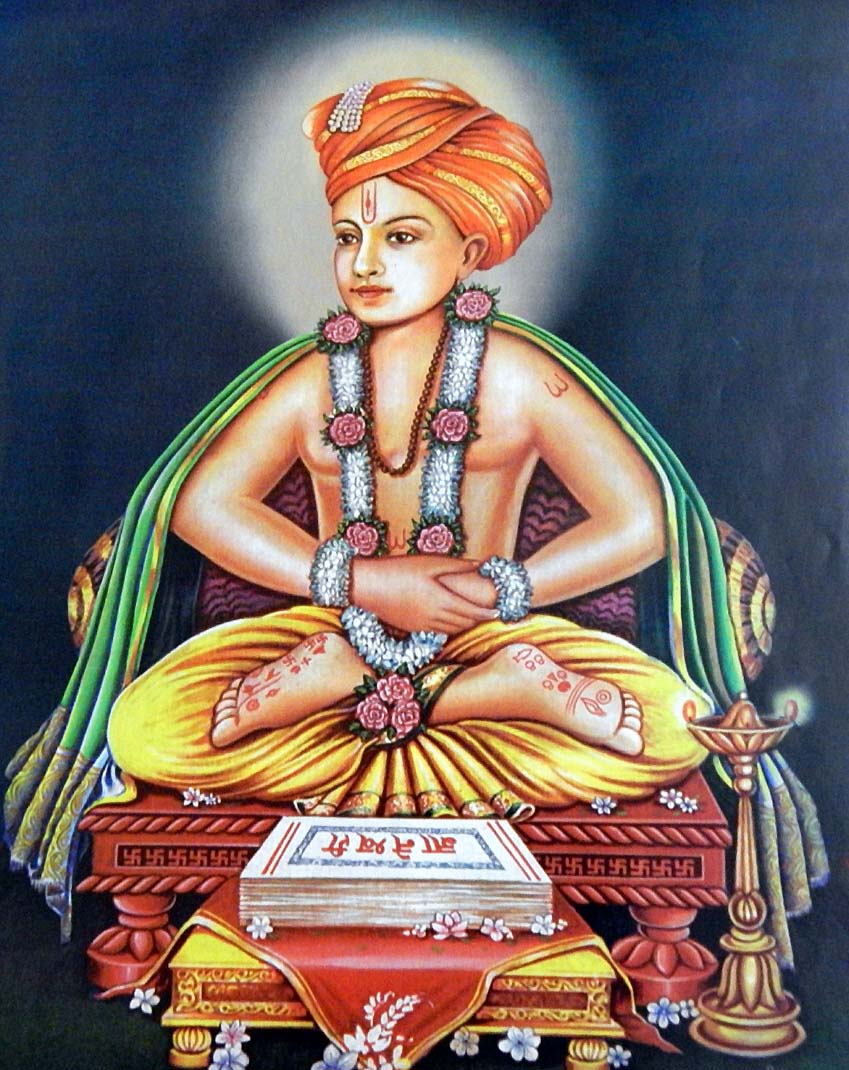
Sant Dnyaneshwar
(संत ज्ञानेश्वर)
Brilliant 13th-century Marathi poet-philosopher and Nath yogi who translated the Bhagavad Gita into vernacular Marathi in the 9,000-verse 'Dnyaneshwari' at age fifteen, founding the egalitarian Varkari Bhakti movement.
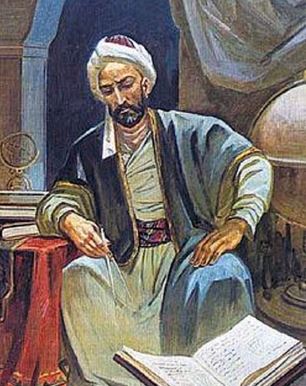
Nasir al-Din al-Tusi
 (نصير الدين الطوسي)
Persian polymath who designed the Maragheh Observatory, invented the Tusi-couple geometric model that inspired Copernicus, and authored the foundational moral treatise Akhlaq-i Nasiri.
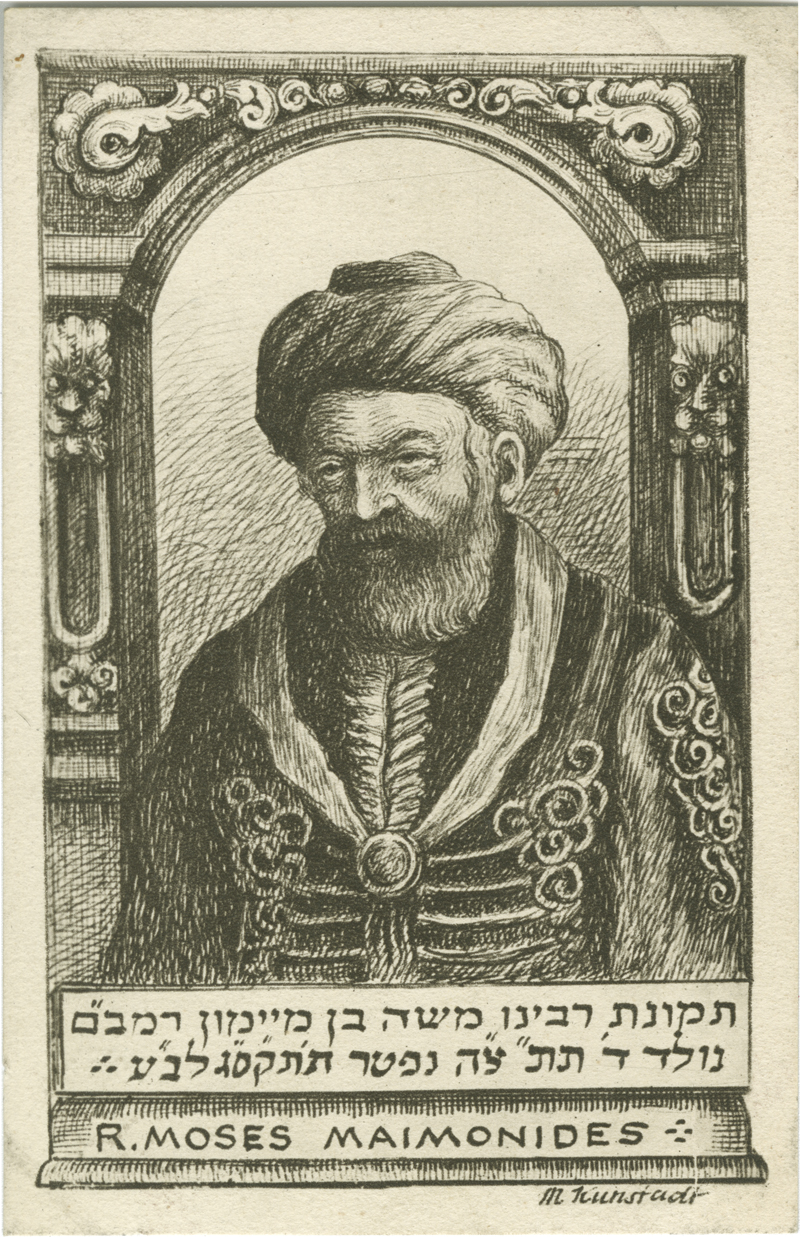
Maimonides (Rambam)
 (משה בן מימון)
Jewish philosopher, jurist, and physician universally revered as the Rambam, who reconciled Aristotelian philosophy with biblical revelation in The Guide for the Perplexed and codified Jewish law in the Mishneh Torah.
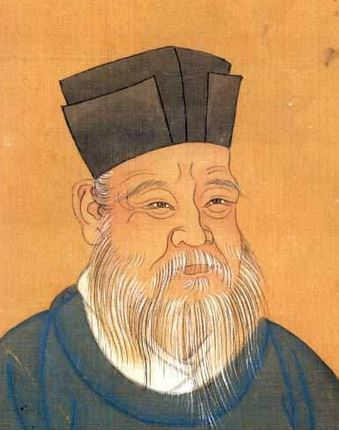
Zhu Xi
(朱熹)
Preeminent thinker of Neo-Confucianism who unified the Four Books into the canonical civil examination curriculum and synthesized cosmology through Principle (Li) and Vital Energy (Qi).
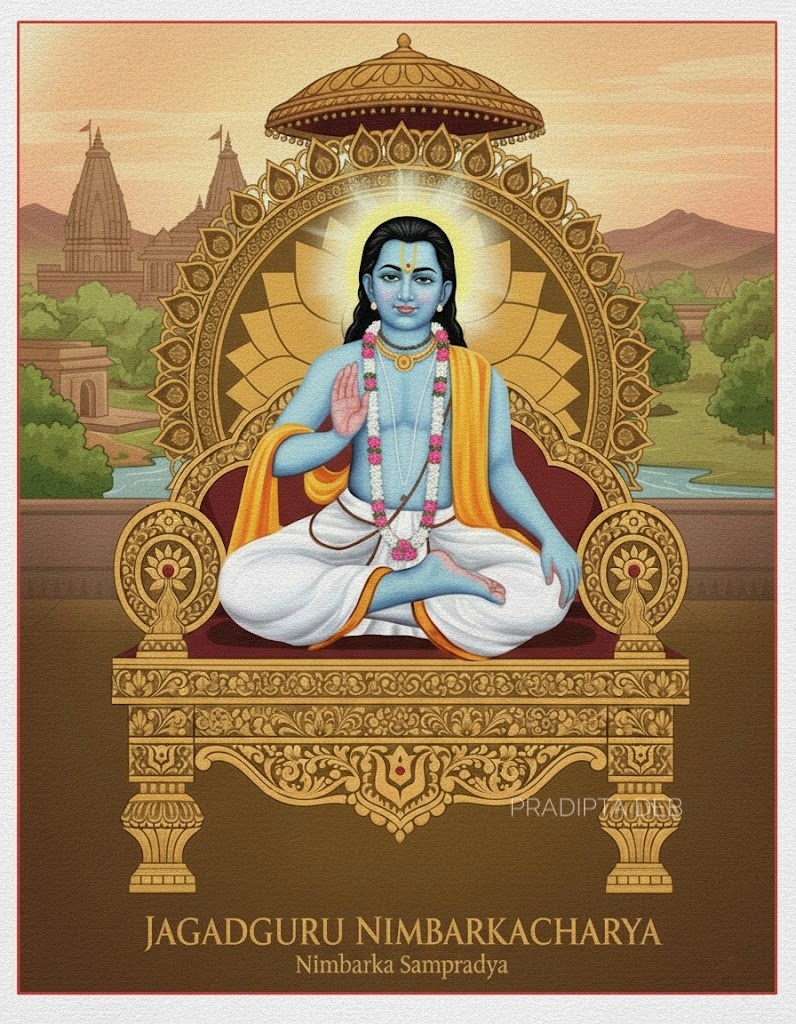
Nimbarka
(निम्बार्काचार्य)
Vaishnava philosopher-saint who founded Dvaitadvaita (Dualistic Non-Dualism) Vedanta, author of the 'Vedanta Parijata Saurabha', who established the worship of Radha and Krishna as the divine source of grace.
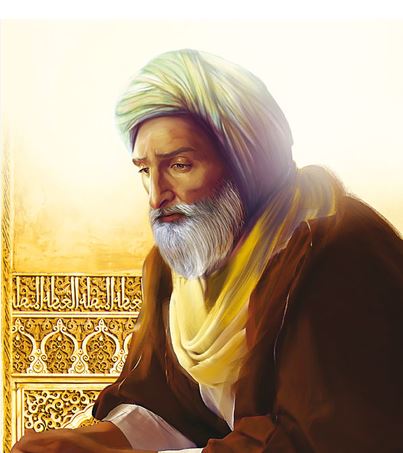
Ibn Rushd (Averroës)
(أبو الوليد محمد بن أحمد بن رشد)
Master philosopher and jurist of Islamic Spain whose profound commentaries on Aristotle and defense of rational inquiry (Fasl al-Maqal) catalyzed the European Renaissance.