 Greece
•
12 views
Greece
•
12 views
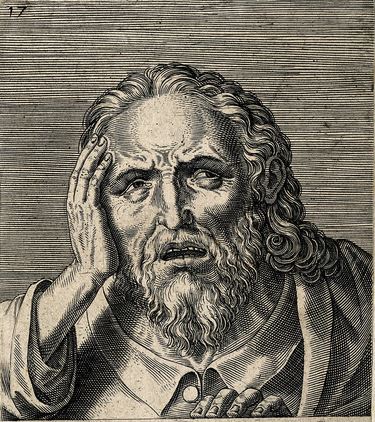
Heraclitus of Ephesus

Ephesus (Selçuk), Greece
Archival Overview
Presocratic philosopher famous for his doctrine of universal cosmic flux (Panta Rhei), identifying living fire as the primordial element and the divine Logos as the rational order uniting opposites.
Biographical Record
Heraclitus of Ephesus (c. 535–475 BCE) was among the most profound and enigmatic thinkers of pre-Socratic Greece. Renouncing aristocratic privilege and political office in Ephesus, he deposited his philosophical treatise in the great Temple of Artemis. He saw the cosmos not as a static creation, but as an ever-living Fire, kindled in measures and extinguished in measures.
His philosophy introduced the central concept of the Logos—the objective cosmic law that maintains equilibrium amidst eternal change and strife. His insight that reality is defined by dynamic tension between opposites fundamentally shaped Western dialectics from Plato and the Stoics to Hegel and Nietzsche.
Key Life Milestones
Dedication of Treatise in Temple of Artemis
Placed his philosophical work 'On Nature' in the Temple of Artemis as a sacred trust to humanity.
Articulation of the Logos Doctrine
Formulated the revolutionary principle that all cosmic transformations are governed by an intelligible, unified Logos.
Memorial Guestbook & Tributes
0 messages recordedLeave a Respectful Tribute
Final Resting Place
Perpetual MemorialEphesus, Greece