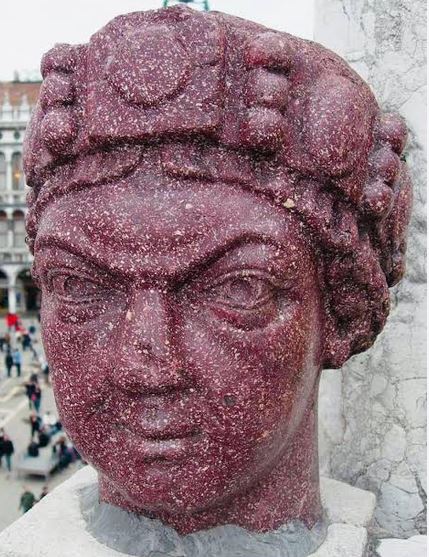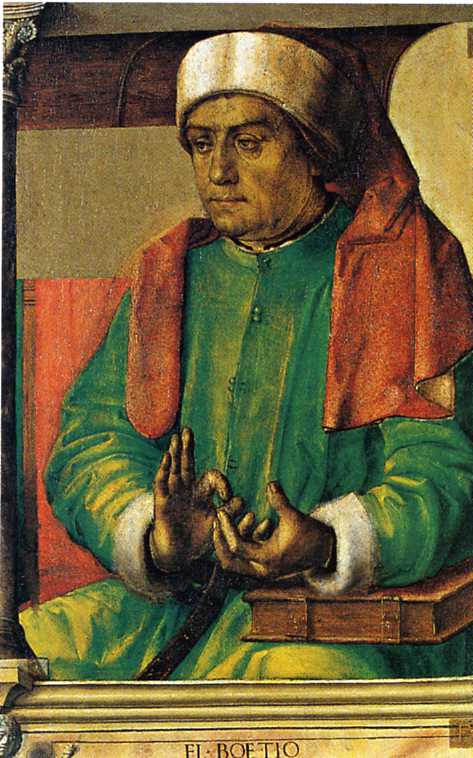
Boethius
Roman philosopher and statesman who translated Aristotle into Latin and composed The Consolation of Philosophy while imprisoned awaiting execution, bridging antiquity and the Middle Ages.
Start typing to search worldwide archives and community tributes
Filterable archive covering centuries of intellectual, artistic, and moral contributions to the human story.
Roman philosopher and statesman who translated Aristotle into Latin and composed The Consolation of Philosophy while imprisoned awaiting execution, bridging antiquity and the Middle Ages.
Late classical Greek Neoplatonist philosopher known as 'The Successor' (Diadochus) who systematized Neoplatonism in The Elements of Theology and preserved ancient Euclid commentary.
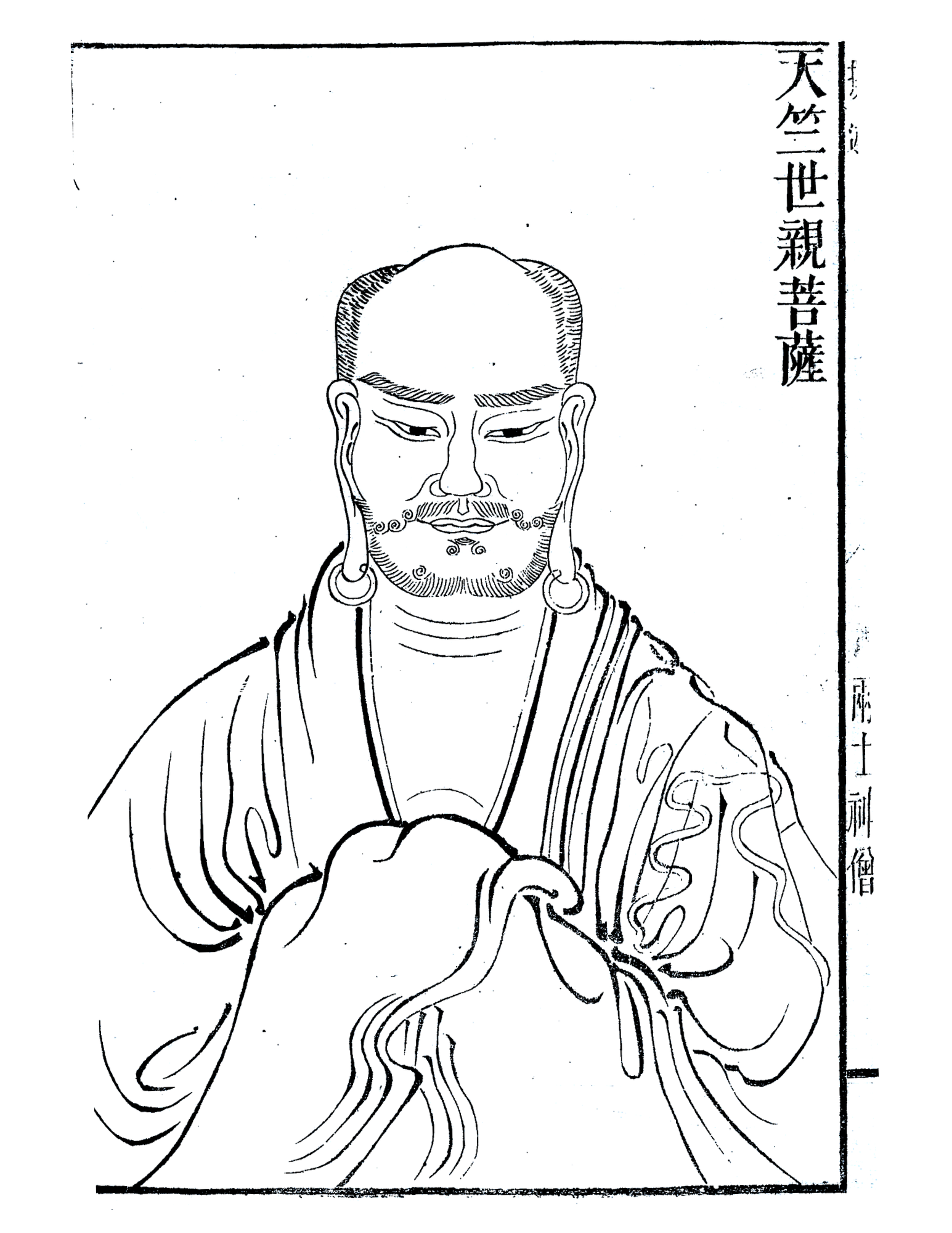
Peerless 4th-century Buddhist philosopher who authored the encyclopedic 'Abhidharmakosha' before converting to Mahayana under his brother Asanga, co-founding the Yogacara (Mind-Only / Vijnanavada) philosophical school.
Phoenician-born Neoplatonist philosopher who edited and published Plotinus's Enneads and wrote the Isagoge, whose 'Tree of Porphyry' became the standard introduction to logic for over a millennium.
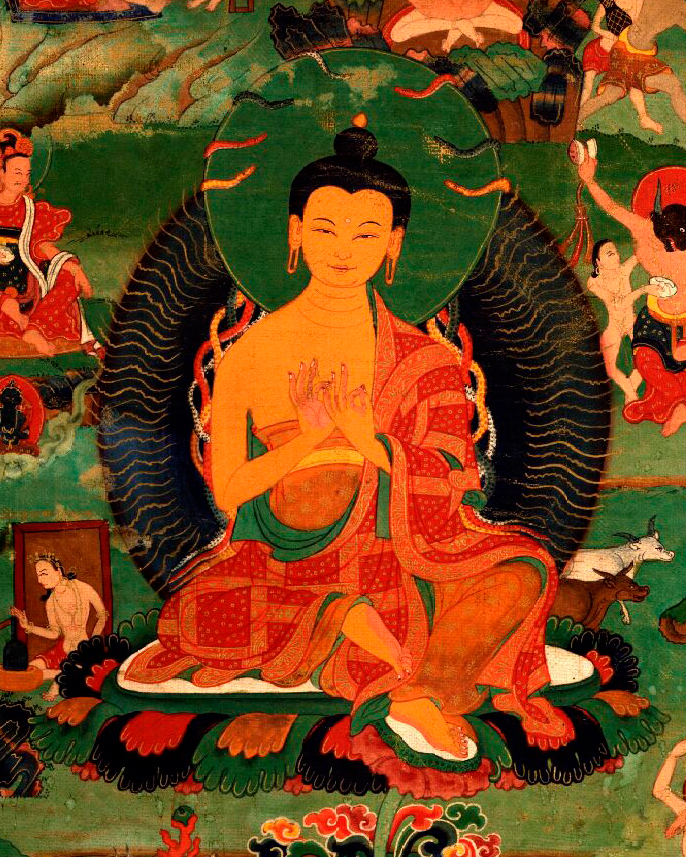
One of the greatest philosophers in world history, founder of the Madhyamaka (Middle Way) school of Mahayana Buddhism, who formulated the profound doctrine of Sunyata (Emptiness) and the Two Truths.
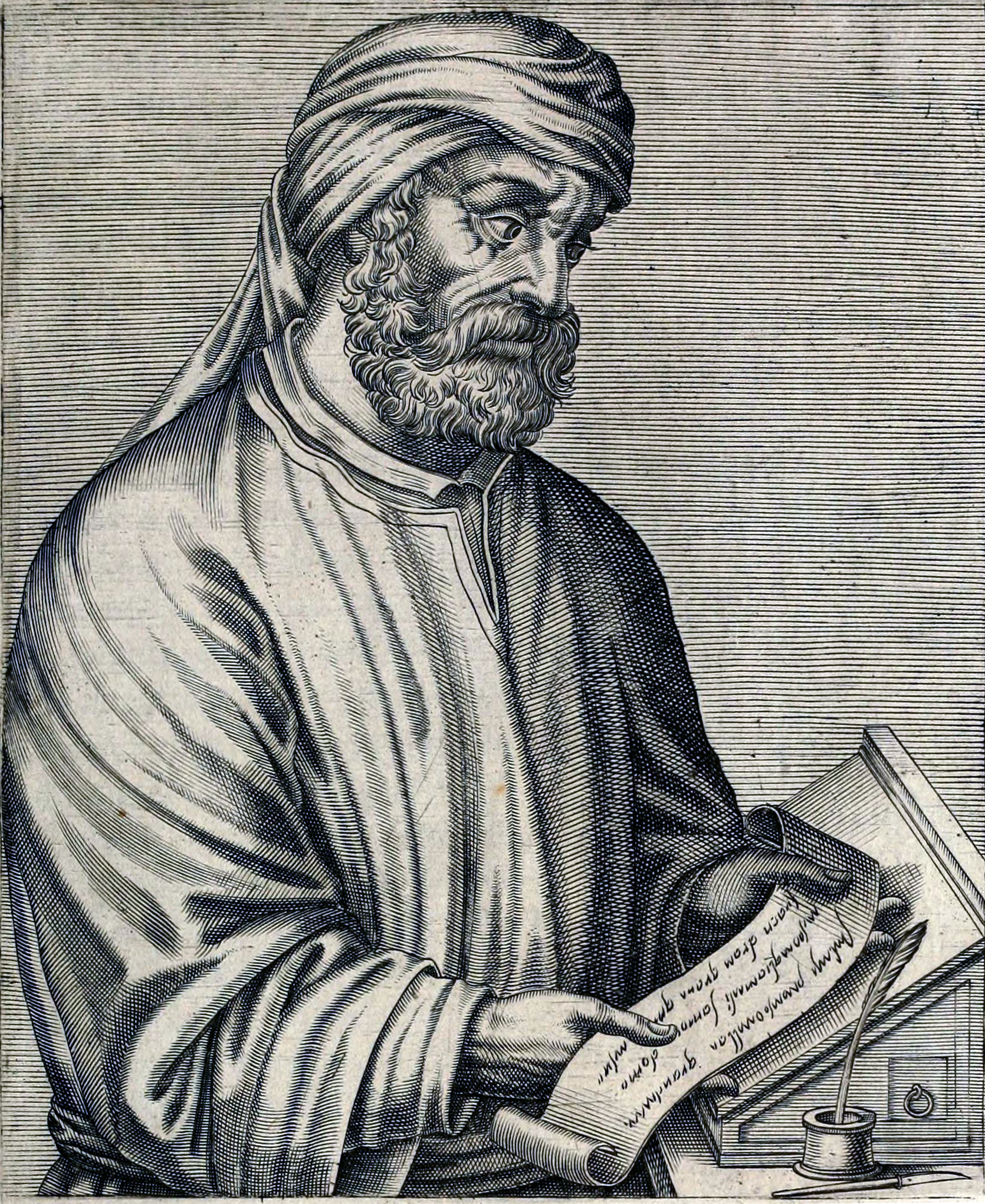
Brilliant Carthaginian jurist and Christian apologist who coined the Latin term 'Trinitas' (Trinity) and authored 'Apologeticus', famously declaring: 'The blood of the martyrs is the seed of the Church'.
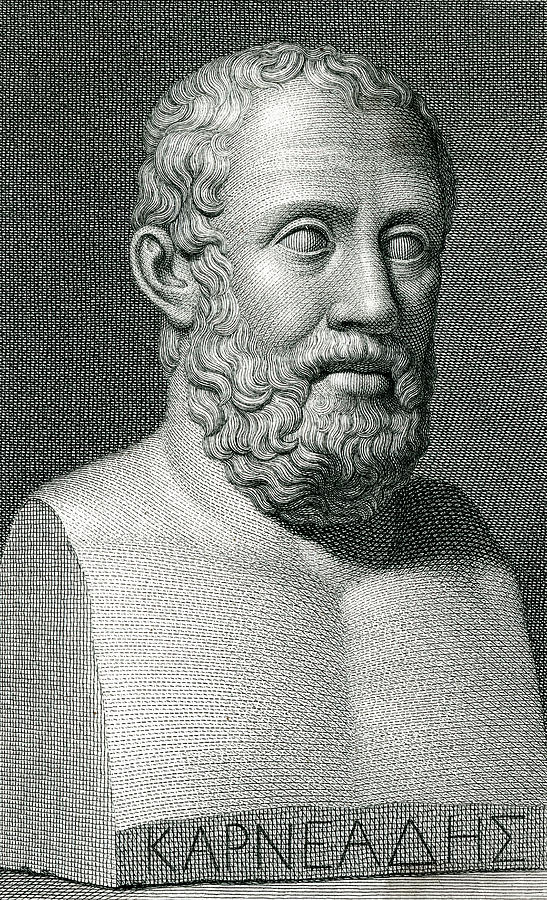
Brilliant philosopher from Cyrene who headed the Platonic Academy in Athens, founded Academic Skepticism, and shocked the Roman Senate in 155 BCE with his devastating dialectical debates on justice.
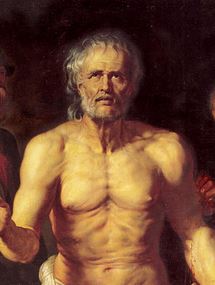
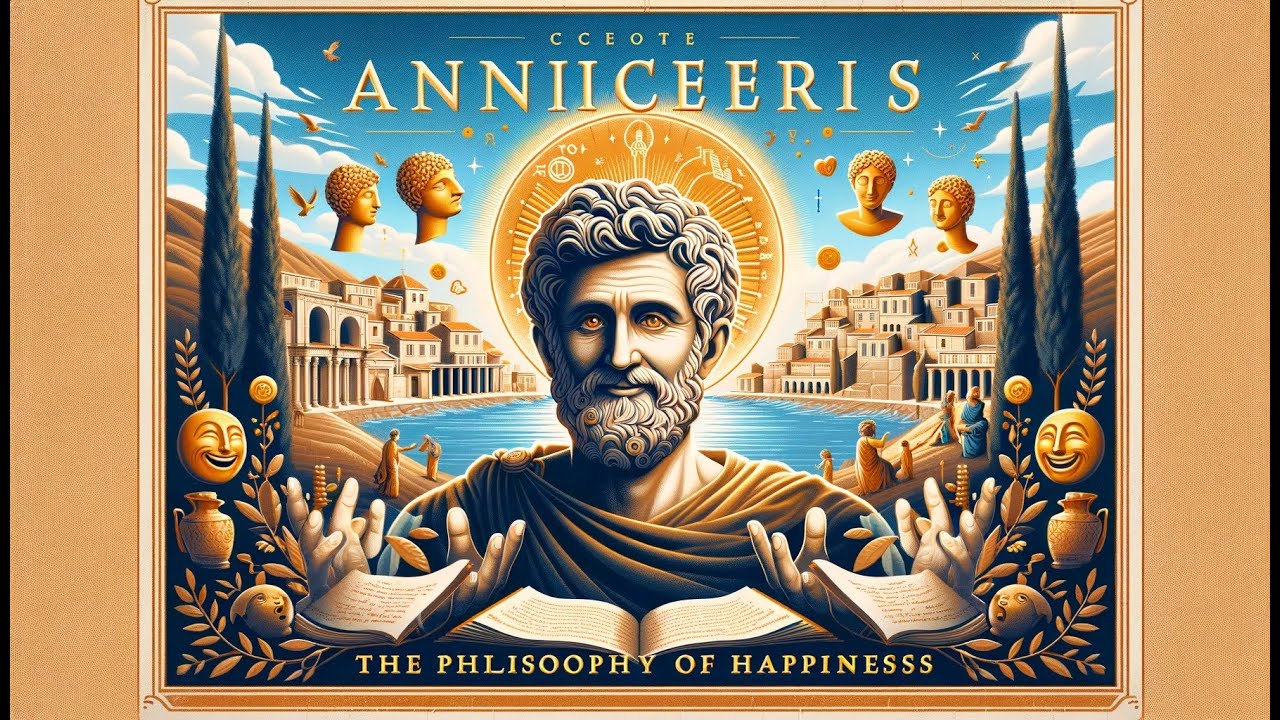
Preeminent Roman Stoic philosopher and statesman whose moral letters to Lucilius and essays on anger and tranquility provided timeless wisdom on resilience and human dignity.
Distinguished 11th-century historian of Ouargla whose 'Kitab al-Siyar wa-Akhbar al-A'imma' is the most vital primary historical source on the Rustamid Dynasty of Tahert.
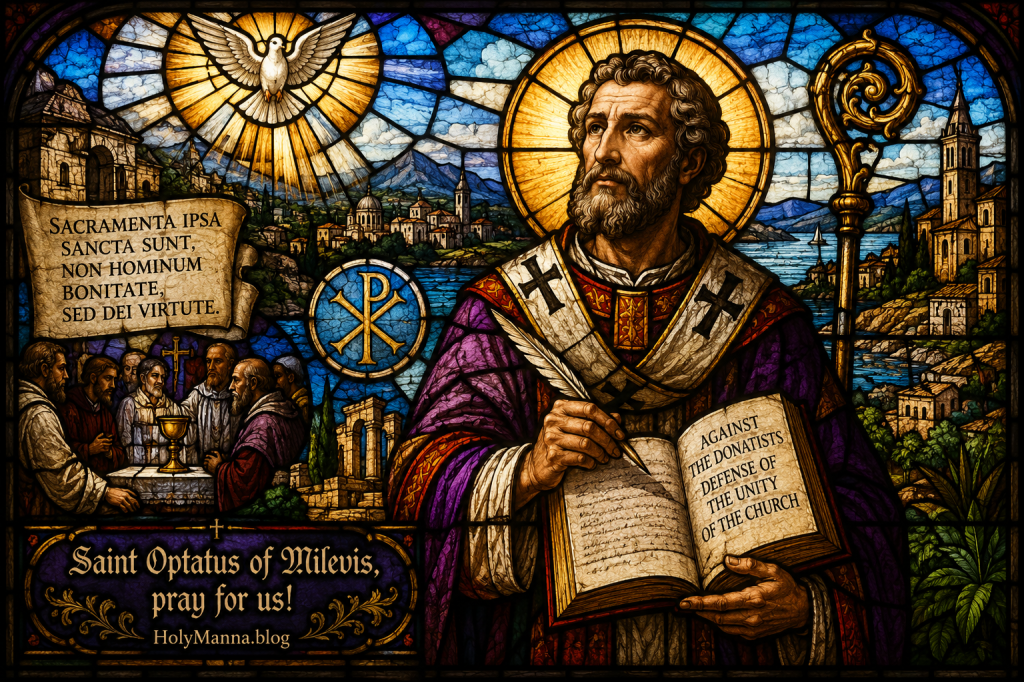
Bishop of Mila and prominent 4th-century North African theologian whose treatises against schism provided the theoretical foundation for Saint Augustine.
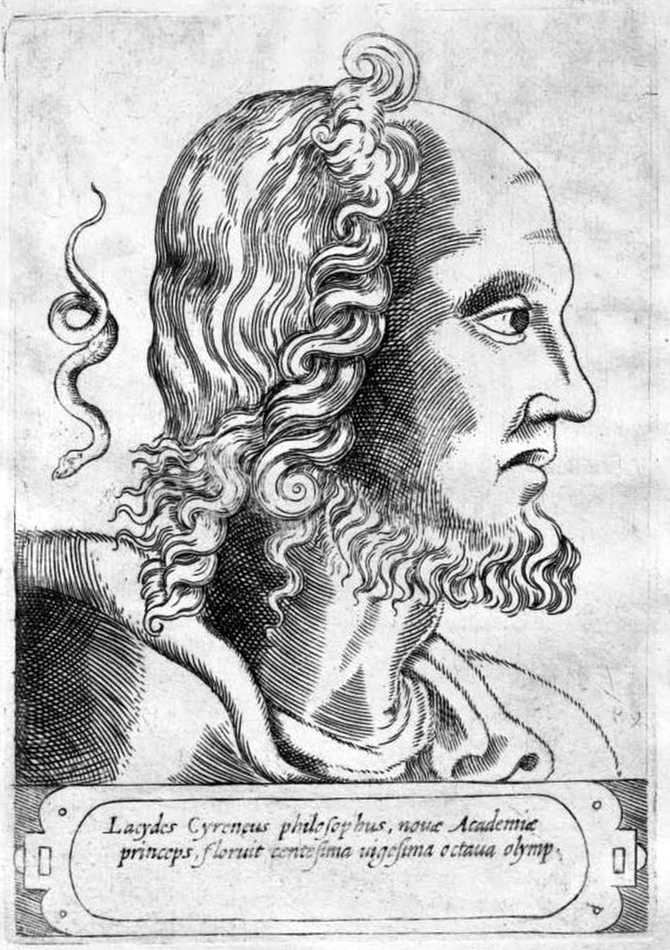
Distinguished philosopher from Cyrene who succeeded Arcesilaus as head of the Platonic Academy in Athens in 241 BCE, presiding over Academic Skeptical philosophy for over a quarter-century.
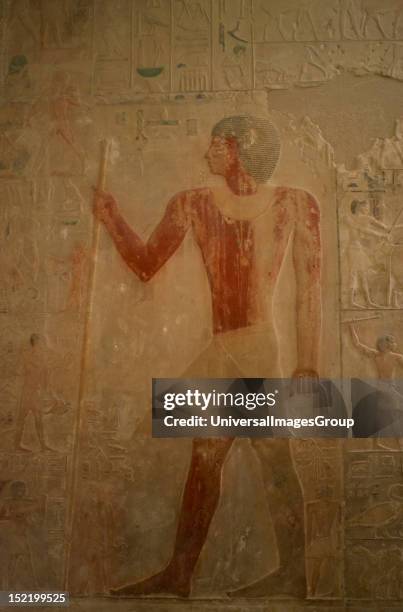
Fifth Dynasty Vizier and moral philosopher whose work The Maxims of Ptahhotep (preserved on the Prisse Papyrus) is recognized as the world's oldest surviving book of philosophical ethics.
Cyrenaic philosopher from Libya who reformed hedonist ethics by championing altruism, friendship, and patriotism, famously paying the ransom to liberate Plato from slavery in Aegina.
Cyrenaic philosopher nicknamed Peisithanatos ('the Death-Persuader') whose lectures on the futility of human suffering in Alexandria were banned by King Ptolemy II Philadelphus.
Radical 4th-century BCE Cyrenaic philosopher from Cyrene who denied the existence of traditional Olympian gods and served as court philosopher and ambassador to Ptolemy I of Egypt.
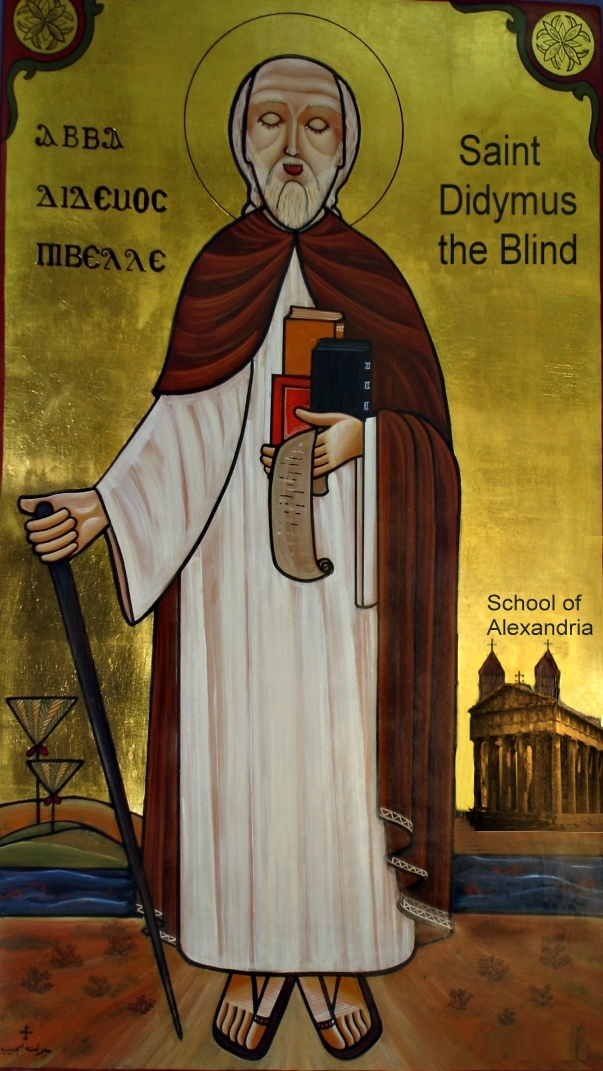
Extraordinary Alexandrian Christian scholar and theologian who lost his sight at age four yet mastered grammar, rhetoric, geometry, and theology, appointed by Athanasius to direct the renowned Catechetical School of Alexandria.
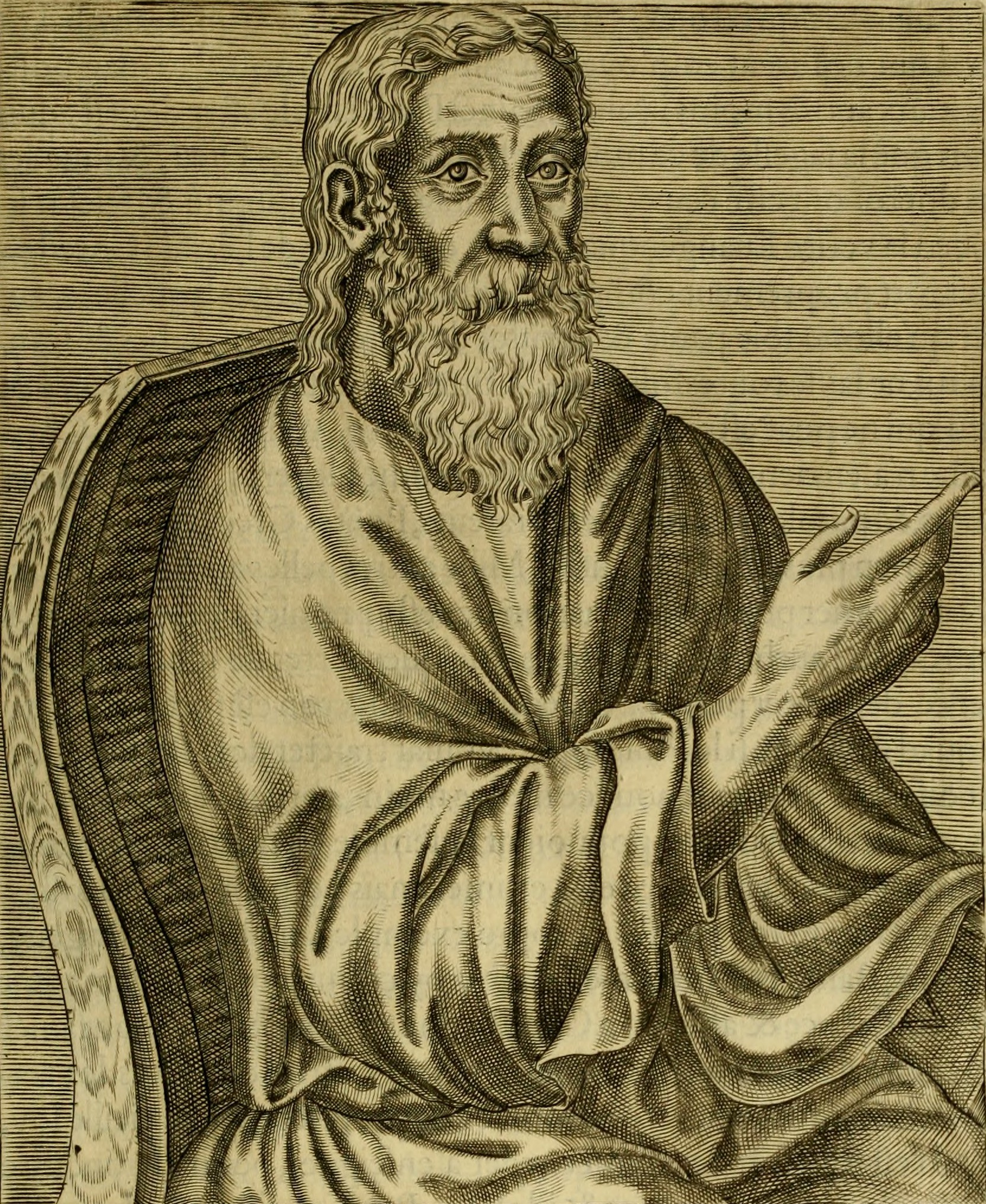
Venerable Hellenistic Christian theologian, philosopher, and head of the famous Catechetical School of Alexandria who pioneered the intellectual synthesis of classical Greek philosophy with early Christian revelation.
Prominent Hellenistic Neo-Platonist philosopher, orator, and Bishop of Ptolemais whose elegant letters, hymns, and treatises formed a vital bridge between classical pagan wisdom and early Christian theology.