 France
•
9 views
France
•
9 views
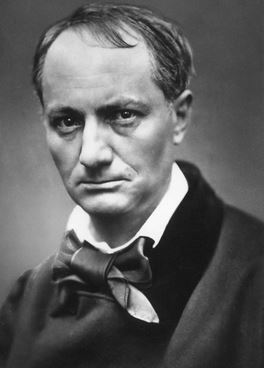
Charles Pierre Baudelaire

Paris, France
Archival Overview
Revolutionary French poet whose 1857 masterpiece Les Fleurs du Mal (The Flowers of Evil) extracted incandescent beauty from urban decay, melancholy (spleen), and vice, founding modern European Symbolism and decadent aesthetics.
Biographical Record
Charles Baudelaire (1821–1867), a dandy and flâneur wandering the transformed boulevards of Haussmann's Paris, invented the concept of modernité ('the ephemeral, the fugitive, the contingent, the half of art whose other half is the eternal and the immutable'). He was also the inspired French translator who introduced Edgar Allan Poe to Europe.
In 1857, Baudelaire published Les Fleurs du Mal (The Flowers of Evil). The volume shocked bourgeois society by exploring themes of decay, lesbian love, erotic despair, and the existential abyss between spiritual ideal (*l'Idéal*) and soul-crushing boredom (*le Spleen*). Fined and condemned for obscenity alongside Flaubert in 1857, with six poems banned, Baudelaire's radical synesthesia (*Correspondances*) and decadent sensibility opened the path to Rimbaud, Verlaine, and Mallarmé.
Key Life Milestones
Publication of Les Fleurs du Mal and Obscenity Trial
Published his groundbreaking poetry collection; convicted of public obscenity with six poems banned.
Publication of The Painter of Modern Life (Le Peintre de la vie moderne)
Formulated the definitive philosophical definition of modernism and the urban flâneur in modern art.
Memorial Guestbook & Tributes
0 messages recordedLeave a Respectful Tribute
Final Resting Place
Perpetual MemorialParis, France