Public Figures & Cultural Luminaries
Filterable archive covering centuries of intellectual, artistic, and moral contributions to the human story.
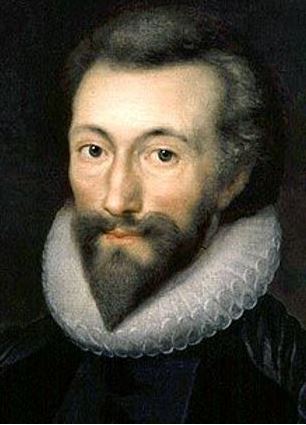
John Donne
 (John Donne)
Foremost English metaphysical poet and Dean of St Paul's whose passionate erotic elegies, complex extended conceits, and profound Holy Sonnets gave English literature 'No man is an island' and 'Death, be not proud'.
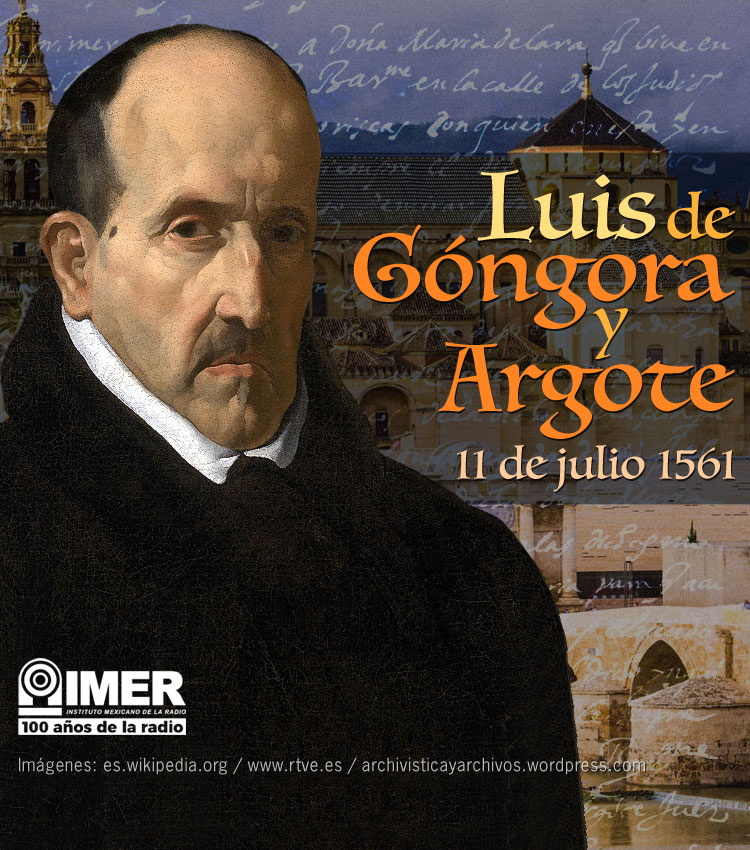
Luis de Góngora y Argote
 (Luis de Góngora y Argote)
Spanish Golden Age Baroque lyric poet who originated Culteranismo (Gongorism), celebrated for his complex masterpiece Soledades and mythological epic Polifemo.
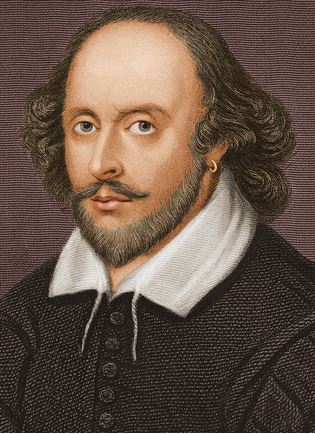
William Shakespeare
(William Shakespeare)
Universally regarded as the greatest writer in the English language and the preeminent dramatist in world history, whose 39 plays, 154 sonnets, and cosmic insight in Hamlet, King Lear, and Macbeth defined the human condition.
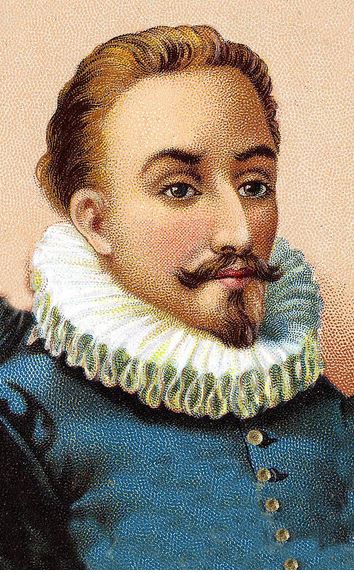
Miguel de Cervantes Saavedra
(Miguel de Cervantes)
Titan of the Spanish Golden Age and creator of Don Quixote de la Mancha (1605/1615), universally revered as the first modern European novel and the eternal archetype of the noble dreamer tilting at windmills.
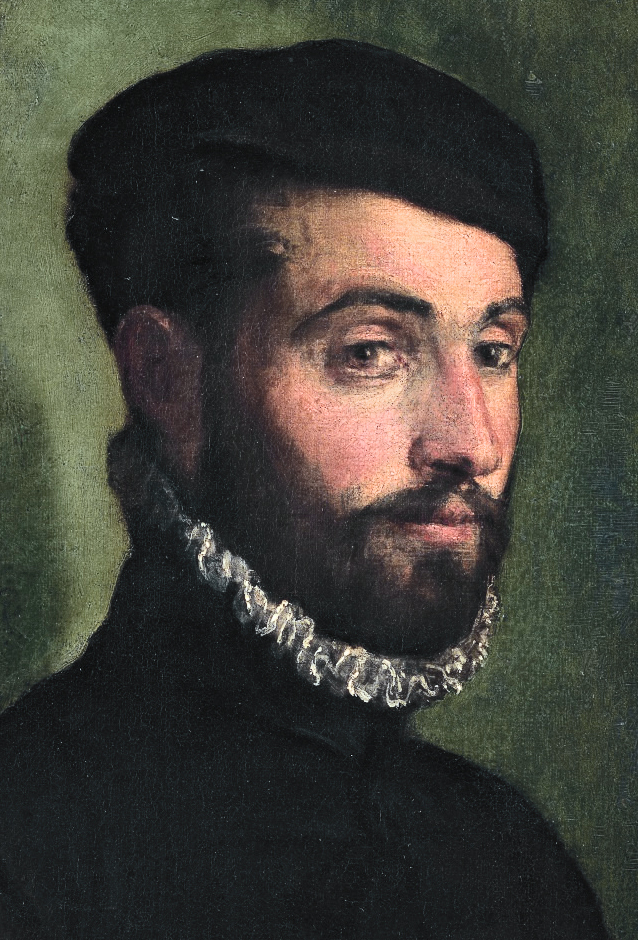
Torquato Tasso
 (Torquato Tasso)
Italian Late Renaissance poet whose heroic epic Gerusalemme Liberata (Jerusalem Delivered) fused Christian chivalric grandeur with melancholy passion.
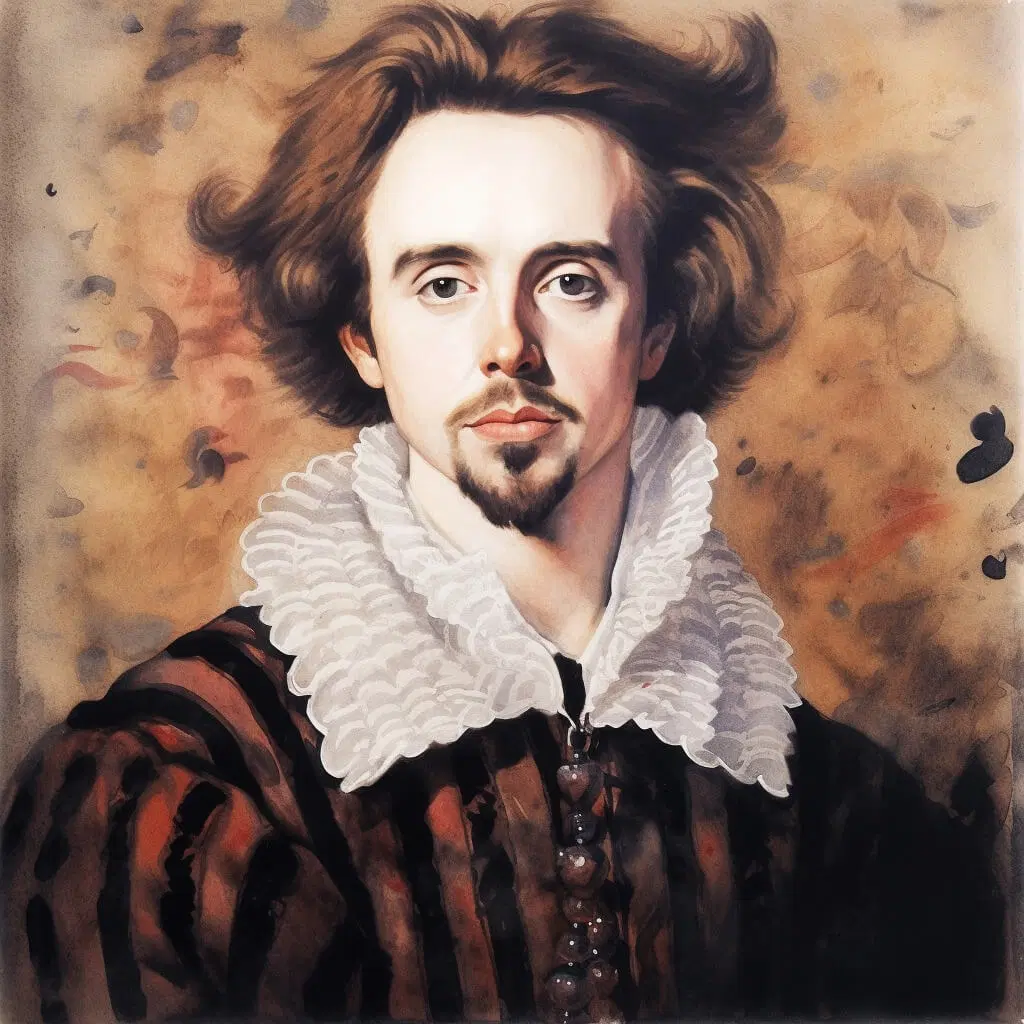
Christopher Marlowe
(Christopher Marlowe)
Pioneering Elizabethan dramatist and poet who perfected English blank verse with 'Marlowe's mighty line' in Tamburlaine and Doctor Faustus.
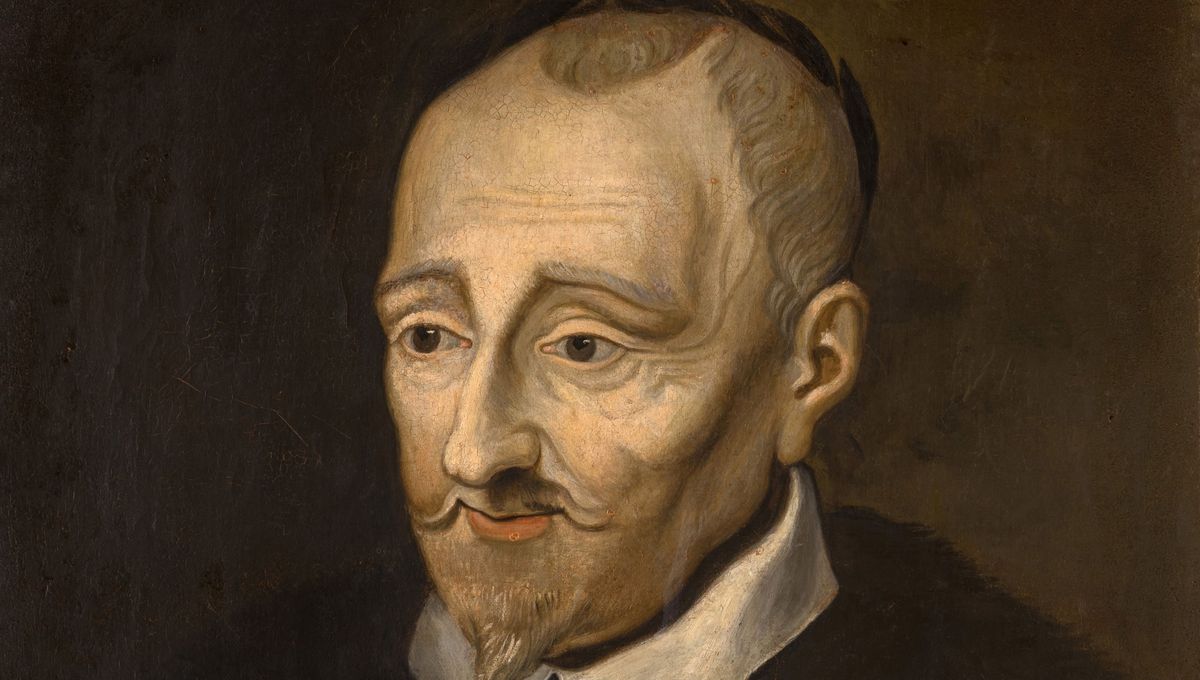
Pierre de Ronsard
 (Pierre de Ronsard)
Acclaimed as the 'Prince of Poets' and leader of the French Renaissance Pléiade, renowned for 'Mignonne, allons voir si la rose' and Sonnets pour Hélène.
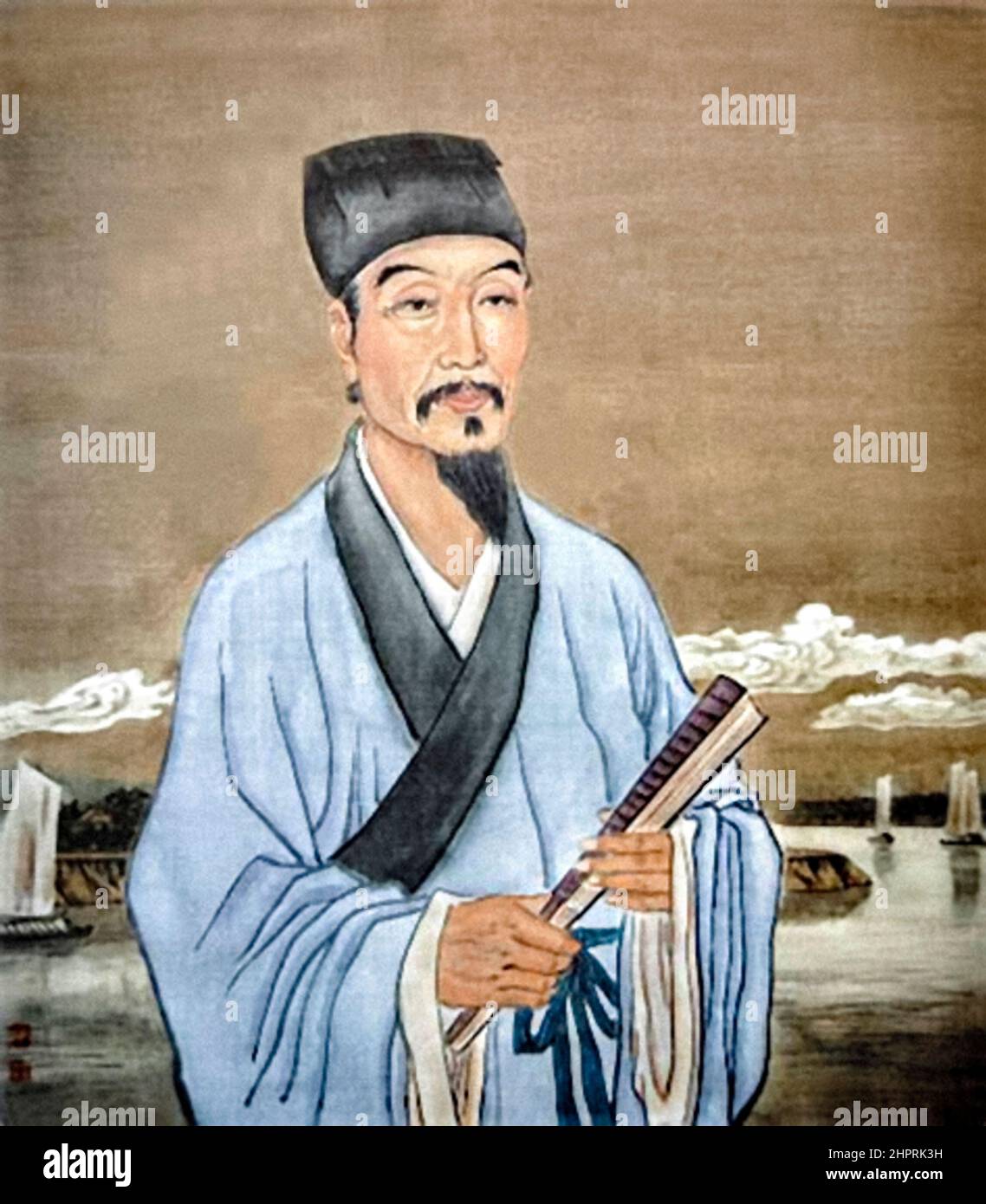
Wu Cheng'en
 (吳承恩)
(吳承恩)
Ming dynasty novelist and poet widely attributed as the author of Journey to the West, the mythical fantasy immortalizing the Monkey King Sun Wukong.
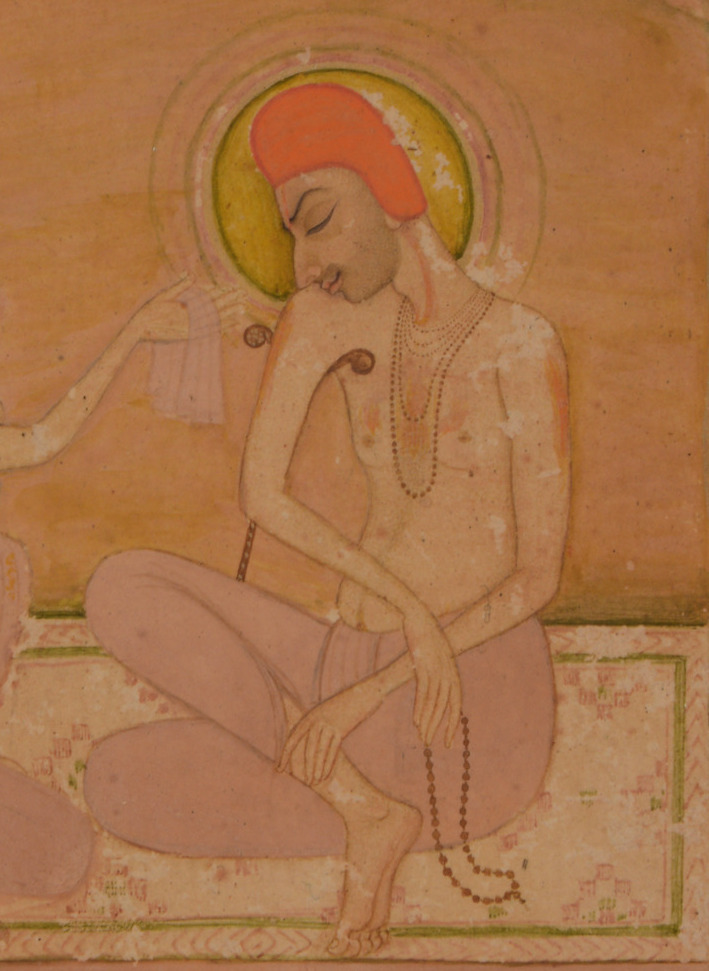
Surdas
 (सूरदास)
Sixteenth-century blind Hindu poet, musician, and Bhakti saint (1478–1581) whose lyrical devotional hymns in 'Sur Sagar' immortalized the childhood and divine love of Krishna in the Braj Bhasha dialect.
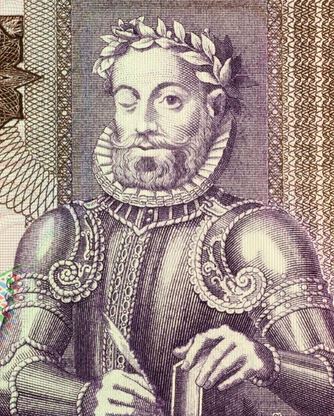
Luís Vaz de Camões
 (Luís de Camões)
Portugal's supreme national poet and adventurer who lost his right eye in battle in Ceuta, composing the monumental national epic Os Lusíadas (The Lusiads) in ten cantos celebrating Vasco da Gama's oceanic route to India.
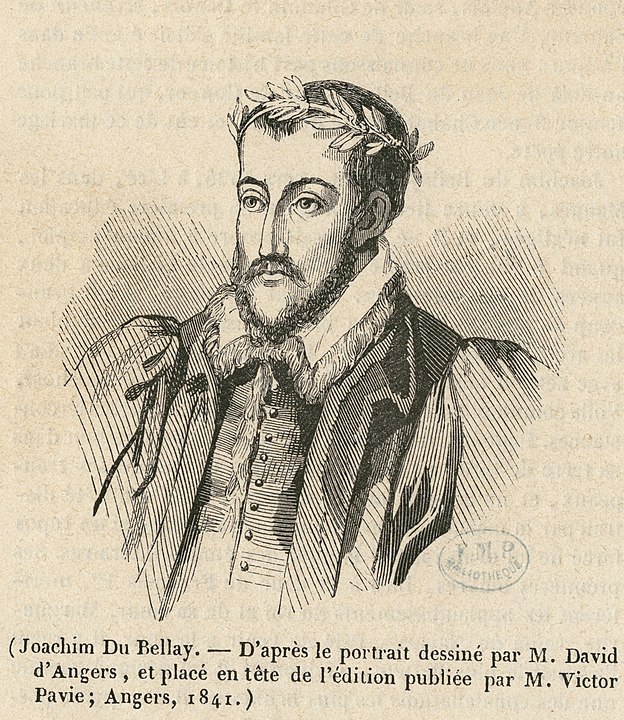
Joachim du Bellay
(Joachim du Bellay)
French Renaissance poet and Pléiade theorist whose manifesto Défense et illustration and elegiac sonnets Les Regrets defined modern French poetic identity.
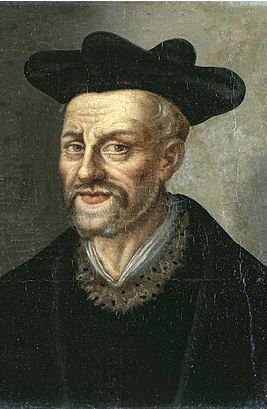
François Rabelais (Alcofribas Nasier)
(François Rabelais)
French Renaissance giant, physician, and humanist whose colossal satirical novels Gargantua and Pantagruel revolutionized world prose with boundless comedic exuberance, grotesque body humor, and the utopian humanist creed 'Do as thou wilt'.
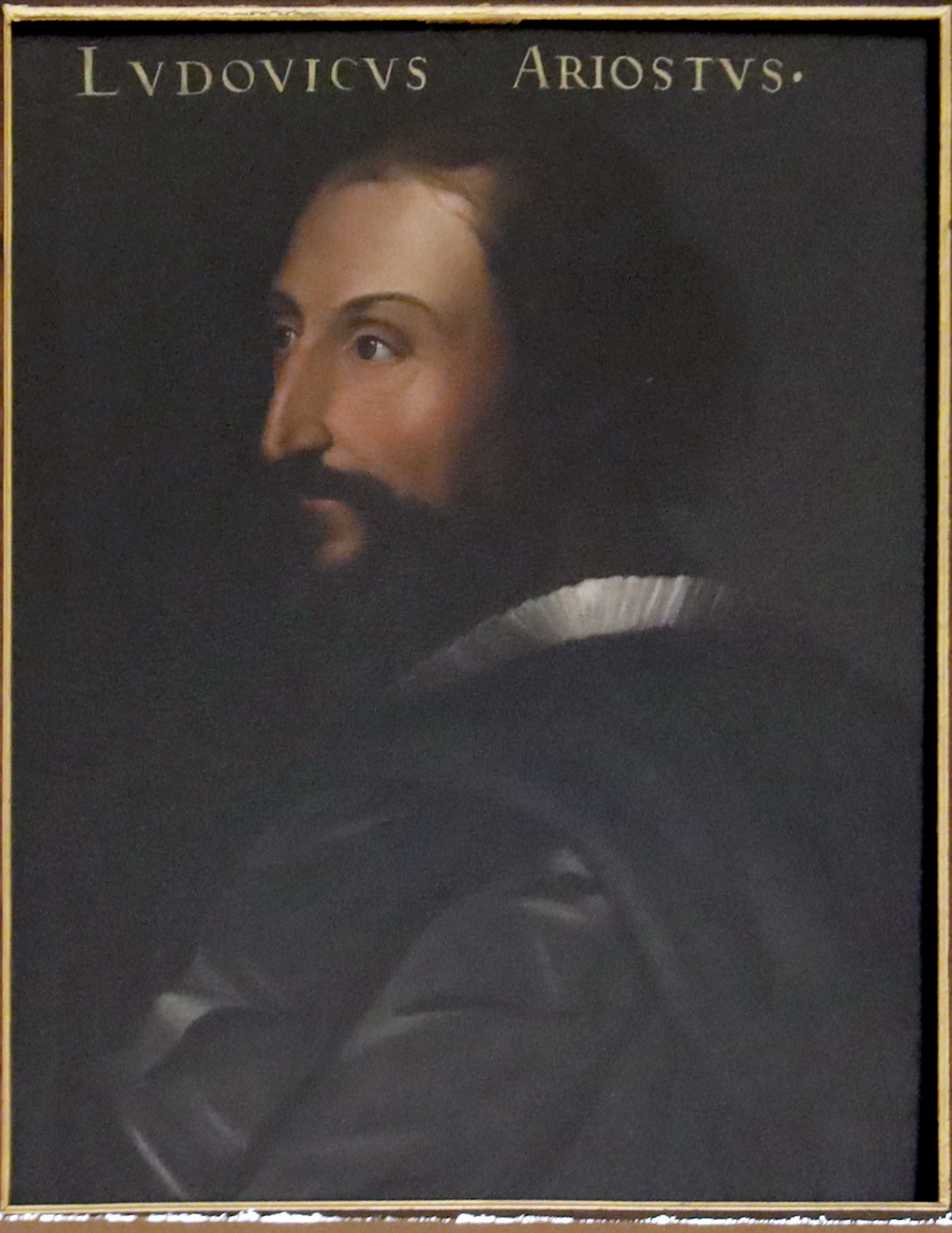
Ludovico Ariosto
(Ludovico Ariosto)
Italian Renaissance epic poet whose romantic epic Orlando Furioso wove chivalry, irony, and ottava rima into one of the most influential masterworks of world literature.
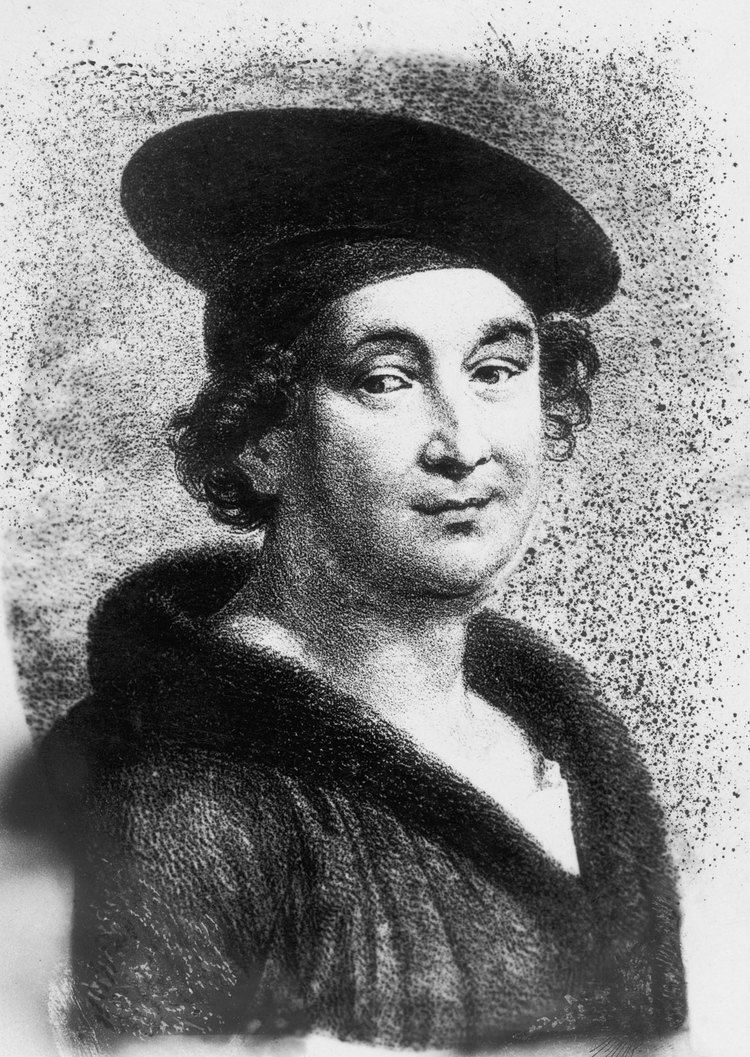
François Villon
(François Villon)
Greatest French lyric poet of the late Middle Ages, roguish outlaw, and author of Le Testament and the haunting Ballade des Pendus.
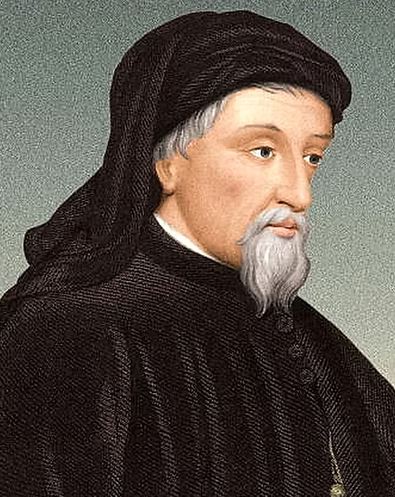
Geoffrey Chaucer
(Geoffrey Chaucer)
Venerated as the Father of English Literature, who legitimized the vernacular Middle English tongue as a vehicle for grand literary art in his vibrant comedic and psychological masterwork, The Canterbury Tales.
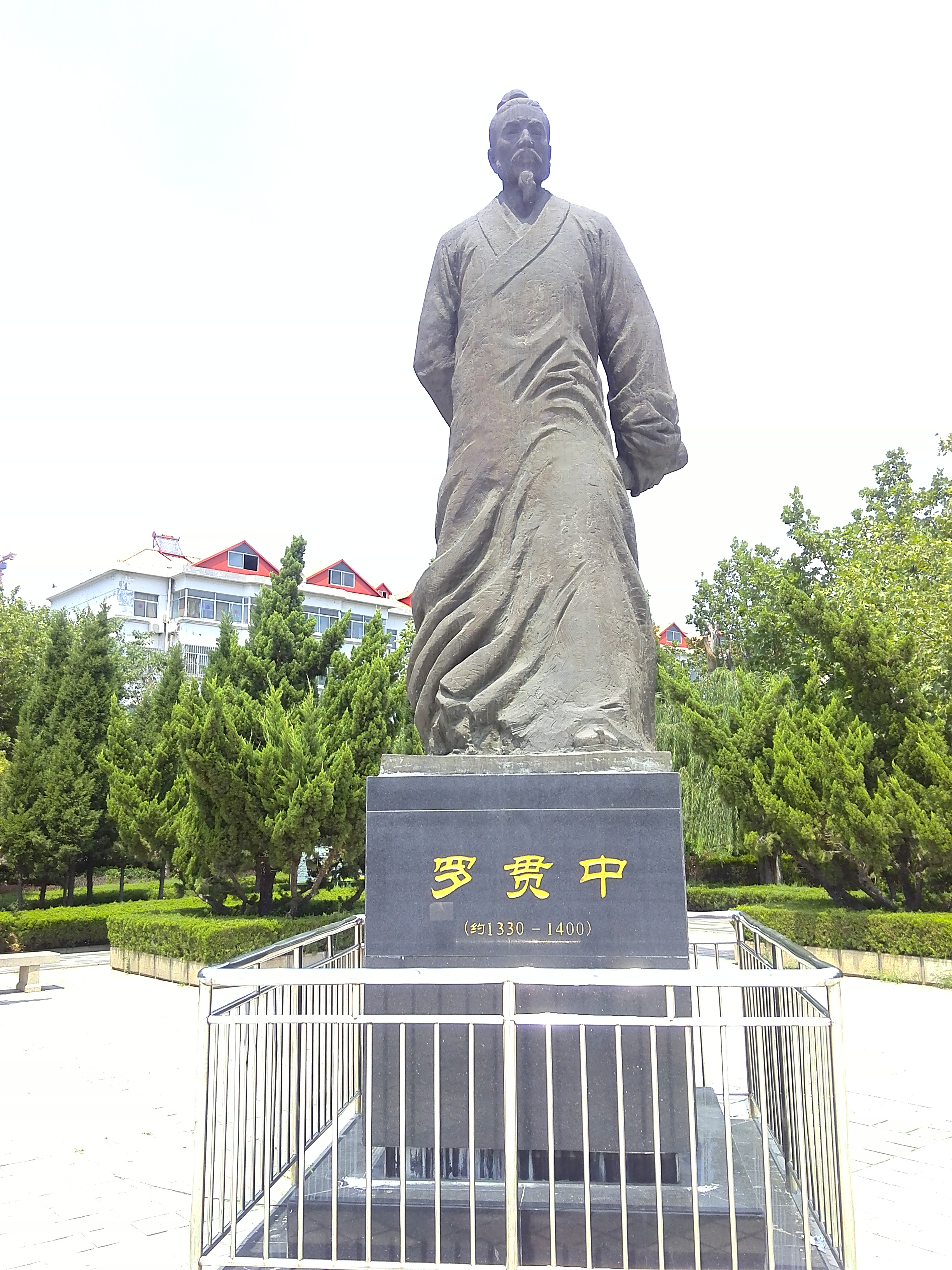
Luo Guanzhong
(羅貫中)
Pioneering Chinese novelist of the Yuan-Ming transition who wrote Romance of the Three Kingdoms, one of the Four Great Classical Novels of Chinese literature.
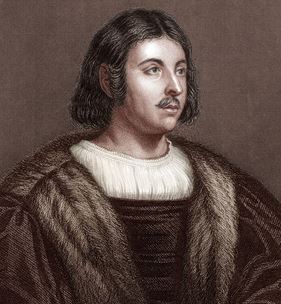
Giovanni Boccaccio
(Giovanni Boccaccio)
Pioneering Florentine Renaissance humanist and author of The Decameron, who captured the tragedy of the 1348 Black Death and forged European storytelling prose through one hundred lively, witty tales of human wit, eros, and resilience.

Francesco Petrarca
(Francesco Petrarca)
Italian scholar and poet recognized as the 'Father of Humanism', whose Canzoniere established the Petrarchan sonnet and sparked the European Renaissance.