Public Figures & Cultural Luminaries
Filterable archive covering centuries of intellectual, artistic, and moral contributions to the human story.
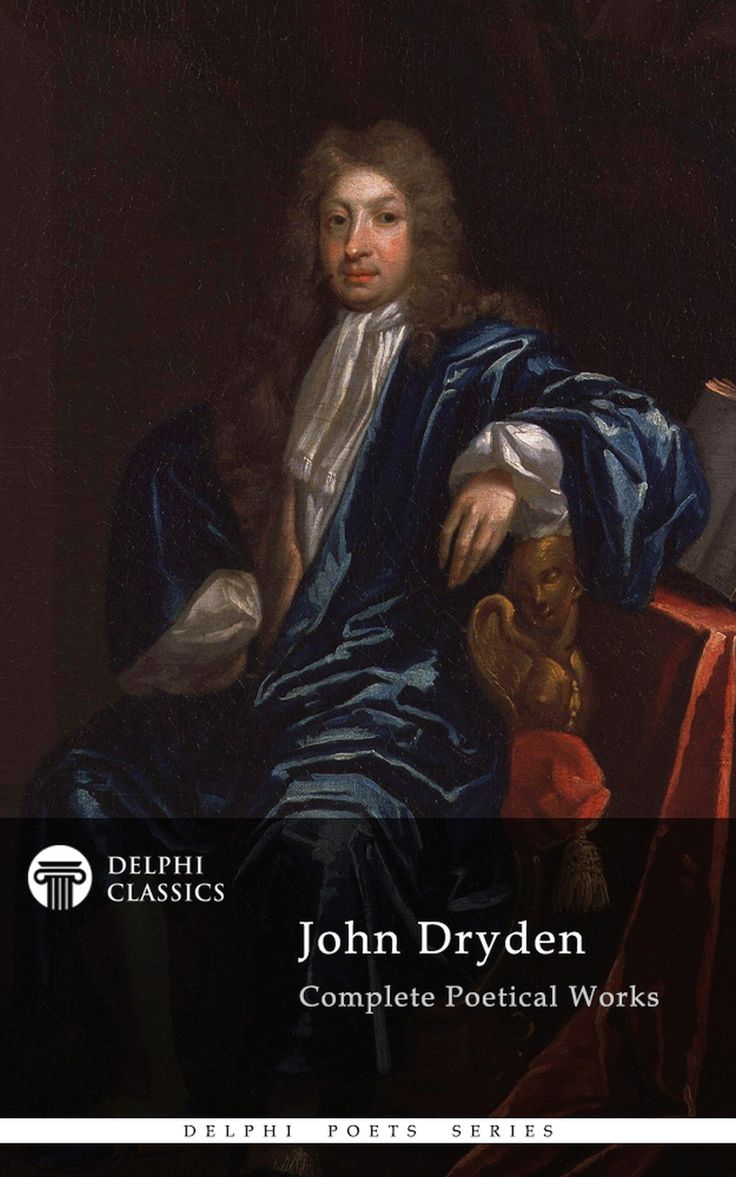
John Dryden
 (John Dryden)
Foremost English poet, dramatist, and literary critic of the Restoration, appointed England's first official Poet Laureate in 1668.
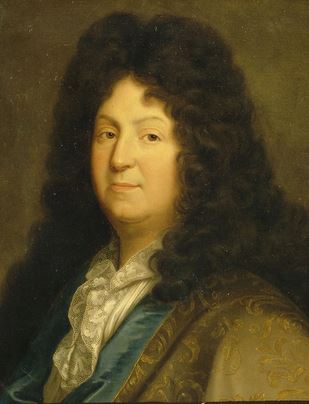
Jean-Baptiste Racine
 (Jean Racine)
Supreme dramatist of French classical tragedy whose immaculate alexandrine verse and psychological intensity in Phèdre, Andromaque, and Britannicus captured the destructive, uncontrollable fury of human passion.
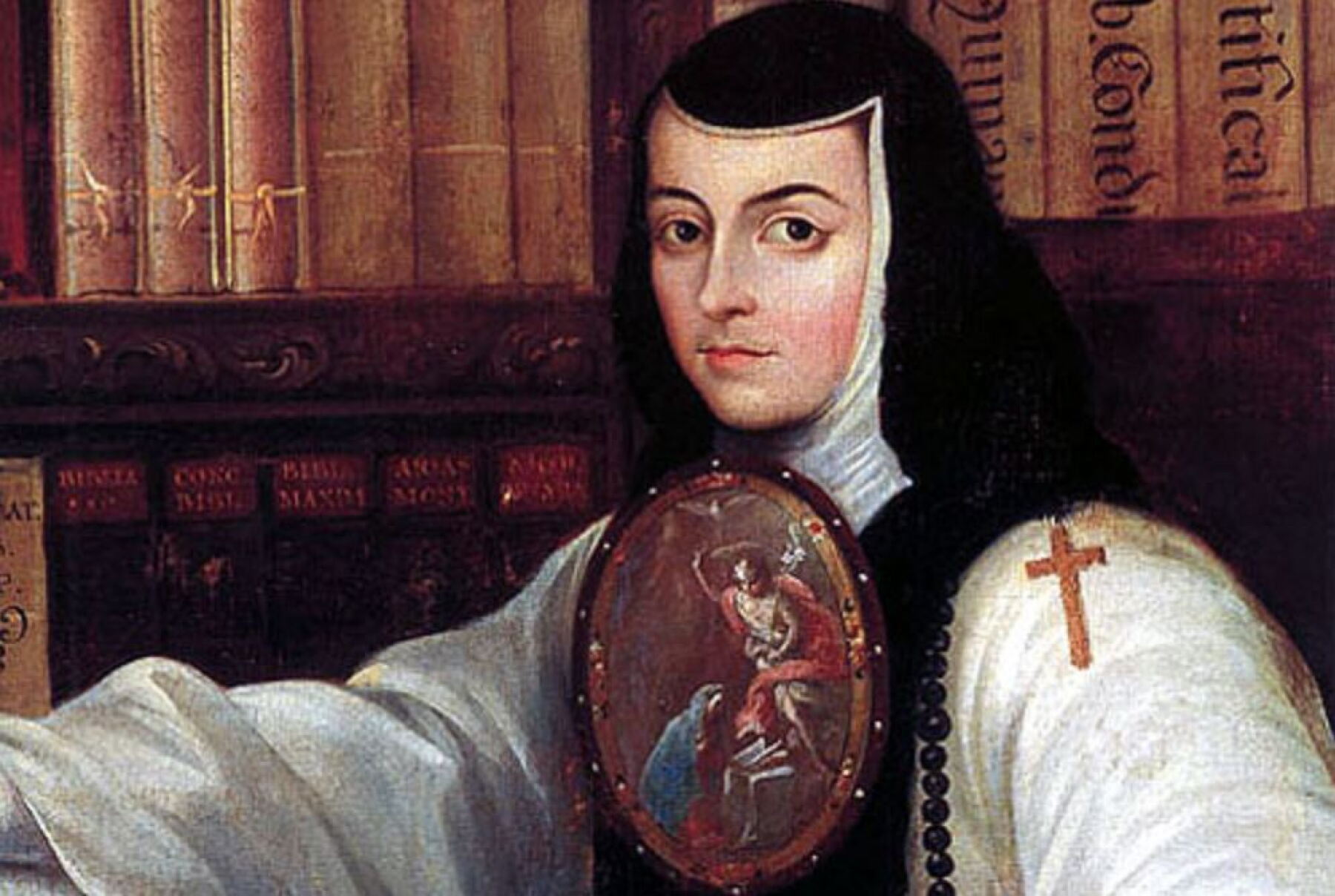
Sor Juana Inés de la Cruz
 (Juana Inés de Asbaje y Ramírez de Santillana)
Mexican Hieronymite nun, Baroque polymath, and poet known as 'The Tenth Muse' and the first published feminist of the Americas.
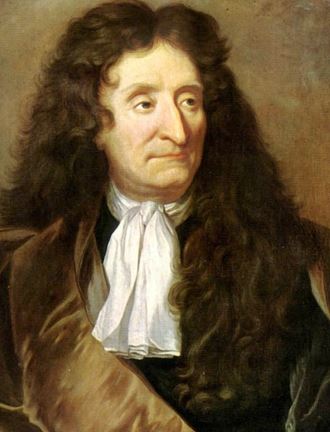
Jean de La Fontaine
(Jean de La Fontaine)
Preeminent French fabulist and poet whose 243 Fables—adapting Aesop and Indian Panchatantra tales into sparkling verse like The Crow and the Fox—provided a witty, razor-sharp critique of court politics and human nature.
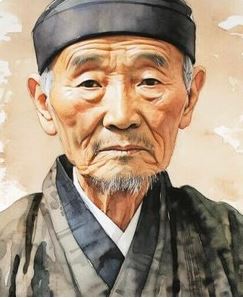
Matsuo Munefusa (Matsuo Basho)
 (松尾芭蕉)
Supreme master of Japanese haiku poetry whose Zen-infused verses and travelogue The Narrow Road to the Deep North (Oku no Hosomichi) elevated the 17-syllable poem into a timeless spiritual art form.
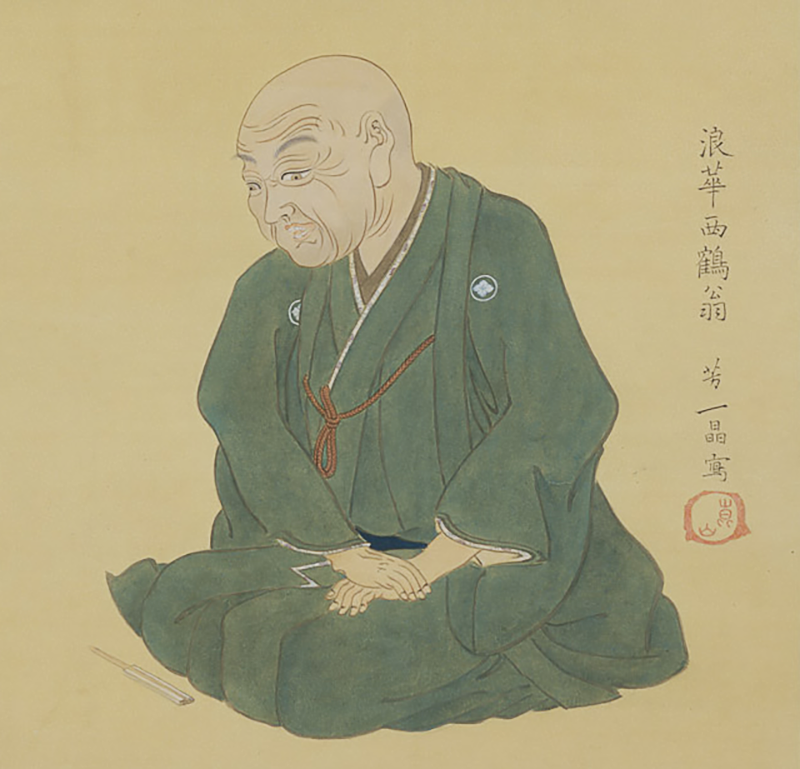
Ihara Saikaku
(井原西鶴 (Hirayama Togo))
Seventeenth-century Japanese poet and novelist (1642–1693) who created the 'ukiyo-zoshi' (books of the floating world) genre, revolutionizing Japanese popular prose fiction with realistic depictions of urban merchant life and courtesan culture.
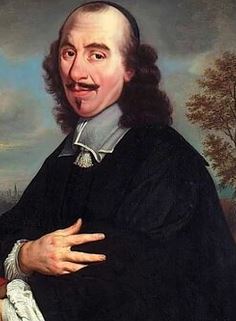
Pierre Corneille
(Pierre Corneille)
The foundational patriarch of French classical tragedy, celebrated as 'Le Grand Corneille', whose masterpieces Le Cid, Horace, and Cinna forged the heroic 'cornelian dilemma'—the agonizing triumph of moral honor and duty over love.
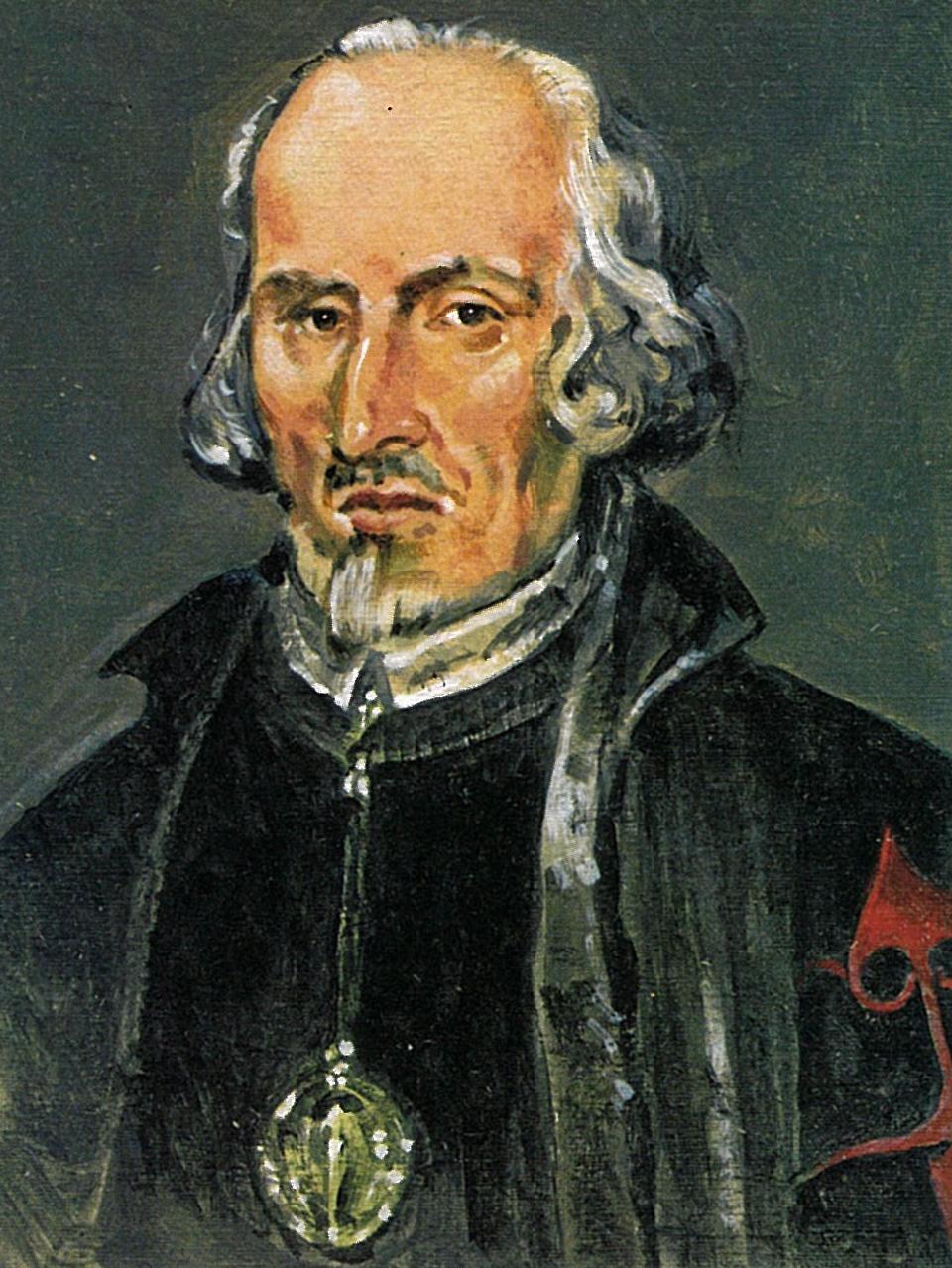
Pedro Calderón de la Barca
 (Pedro Calderón de la Barca)
Foremost dramatist of the Spanish Golden Age whose philosophical masterpiece La vida es sueño (Life Is a Dream) explored free will, illusion, and destiny.
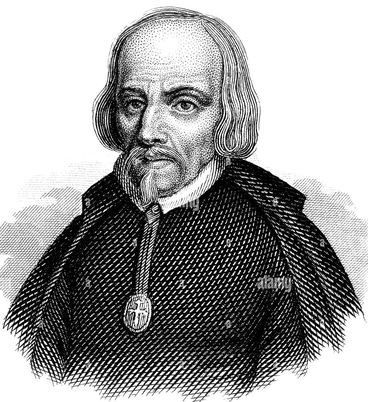
Pedro Calderón de la Barca y Barreda González de Henao Ruiz de Blasco y Riaño
(Pedro Calderón de la Barca)
Supreme dramatist of the Spanish Golden Age (Siglo de Oro) whose philosophical masterpiece La vida es sueño (Life Is a Dream) explored free will, illusion, and human destiny with theological and poetic brilliance.
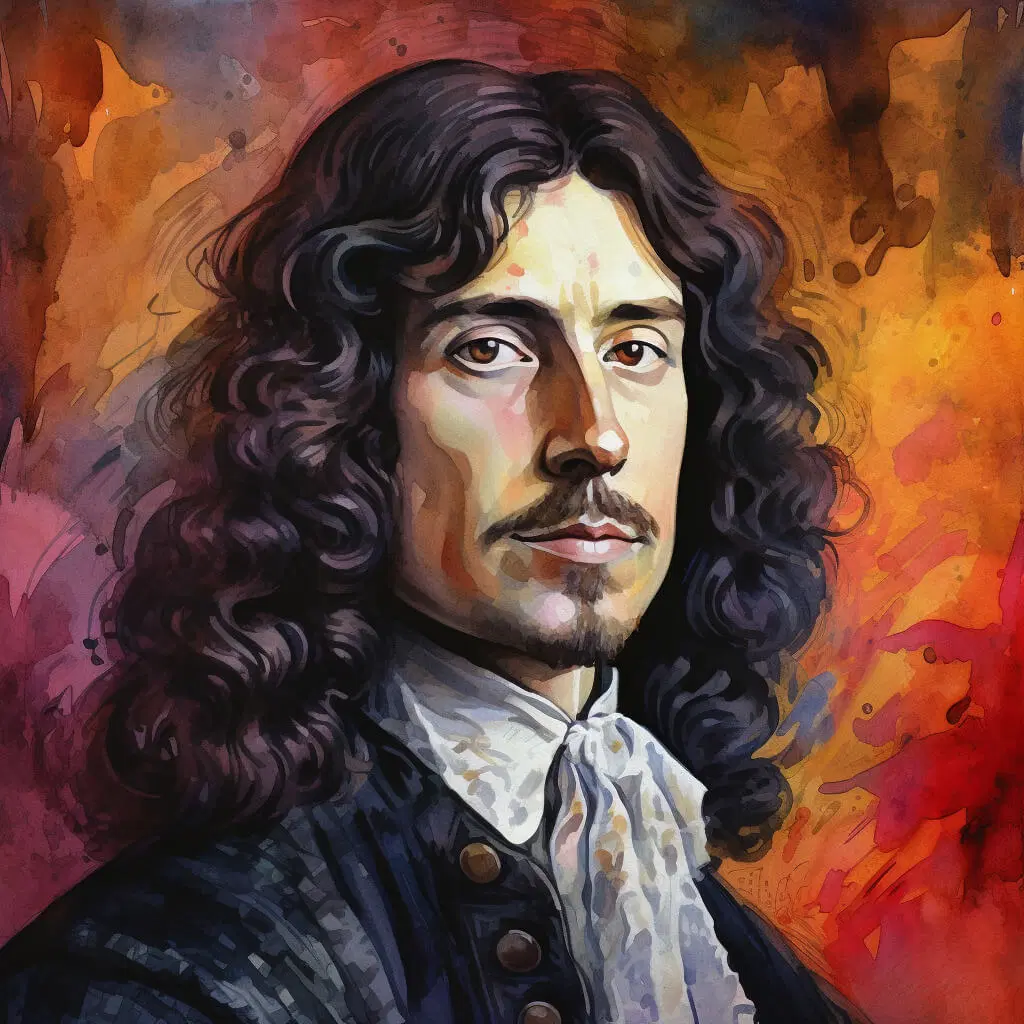
Andrew Marvell
(Andrew Marvell)
English metaphysical poet, parliamentarian, and satirist celebrated for 'To His Coy Mistress', 'The Garden', and defending John Milton after the Restoration.
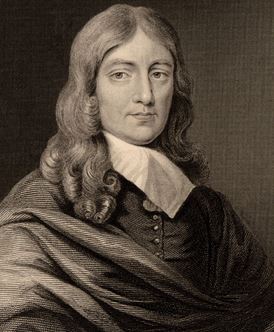
John Milton
(John Milton)
English epic poet and passionate champion of free speech (Areopagitica) who, despite going completely blind, dictated his monumental biblical epic Paradise Lost in soaring blank verse to 'justify the ways of God to men'.
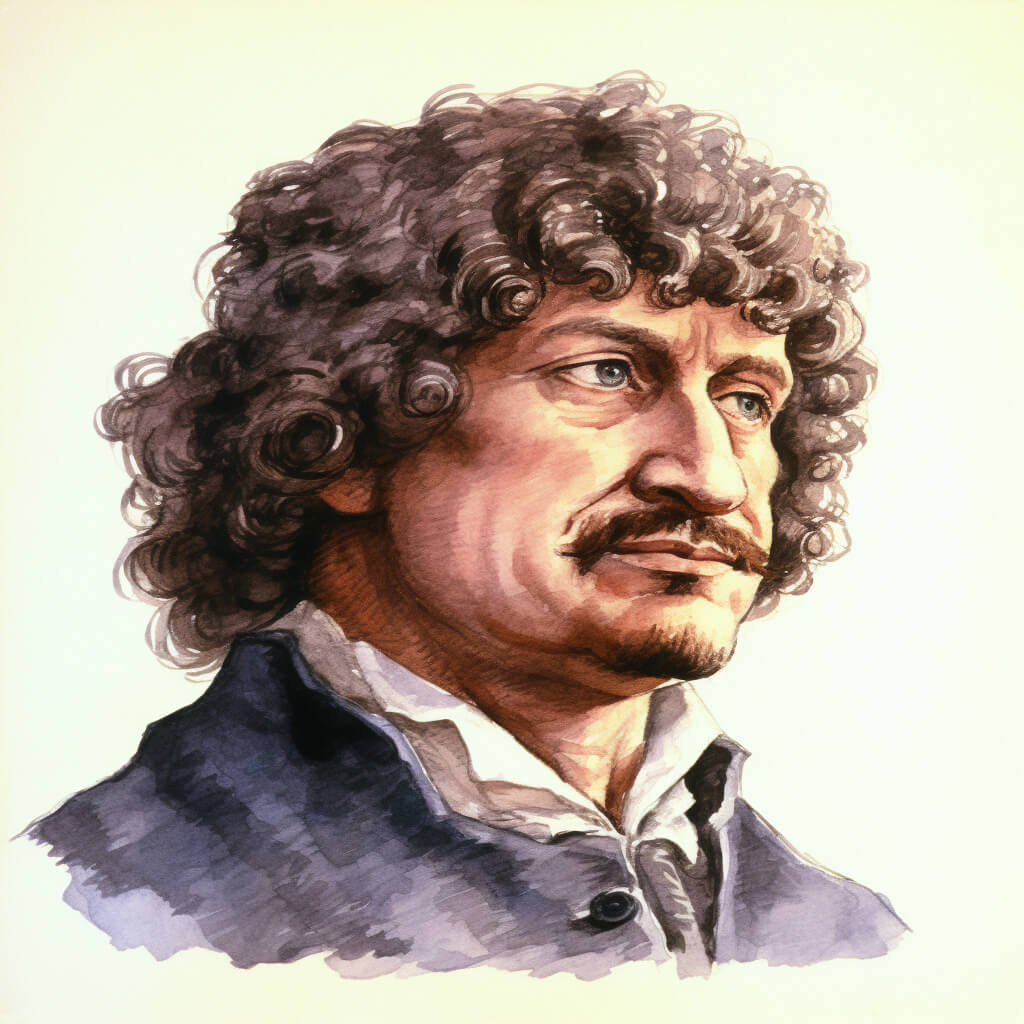
Robert Herrick
(Robert Herrick)
17th-century English Cavalier poet and clergyman famous for his carpe diem lyric 'To the Virgins, to Make Much of Time' ('Gather ye rosebuds while ye may').
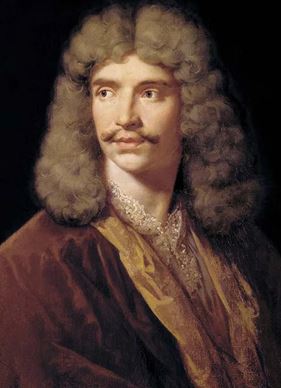
Jean-Baptiste Poquelin (Molière)
(Jean-Baptiste Poquelin (Molière))
Preeminent genius of French classical comedy and satirist of human folly whose enduring theatrical masterworks—Tartuffe, Le Misanthrope, and L'Avare—defined the French language as 'la langue de Molière'.
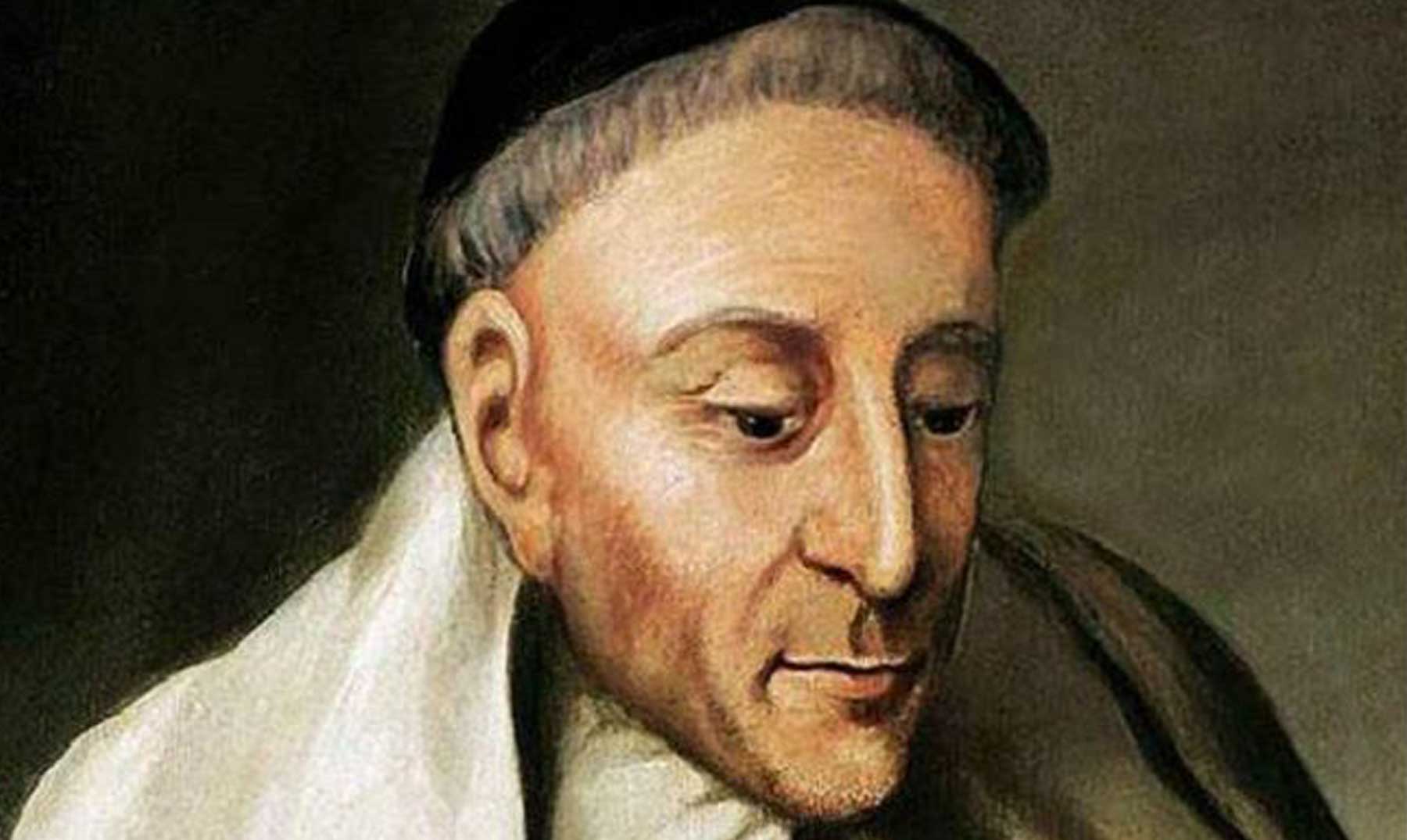
Tirso de Molina
(Fray Gabriel Téllez)
Spanish Golden Age Mercedarian friar and dramatist who created the immortal myth of Don Juan in El burlador de Sevilla (The Trickster of Seville).
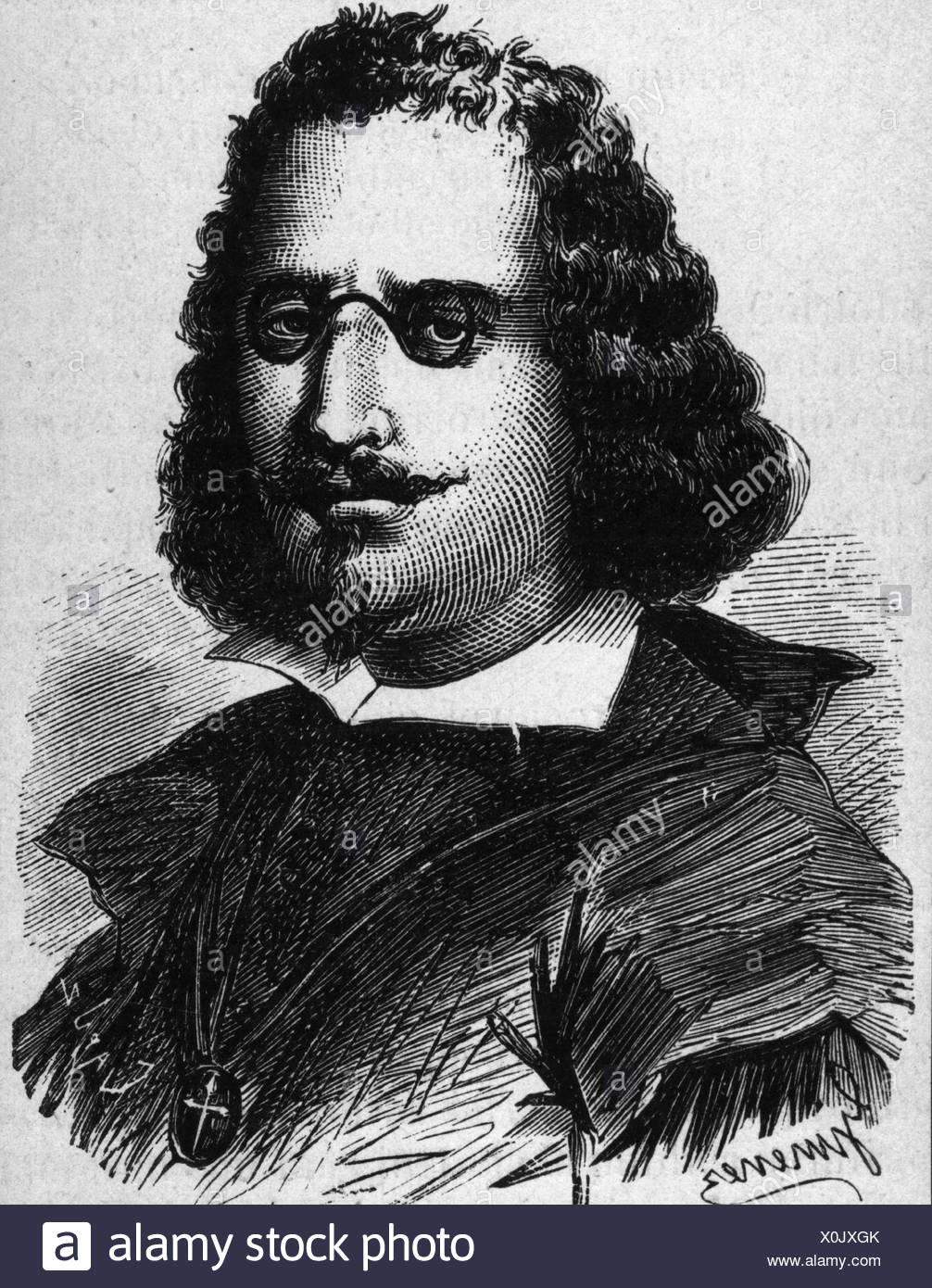
Francisco Gómez de Quevedo y Villegas
(Francisco Gómez de Quevedo y Villegas)
Spanish Golden Age master of Conceptismo, satirist, and poet whose picaresque novel El Buscón and piercing metaphysical sonnets dissected imperial decay.
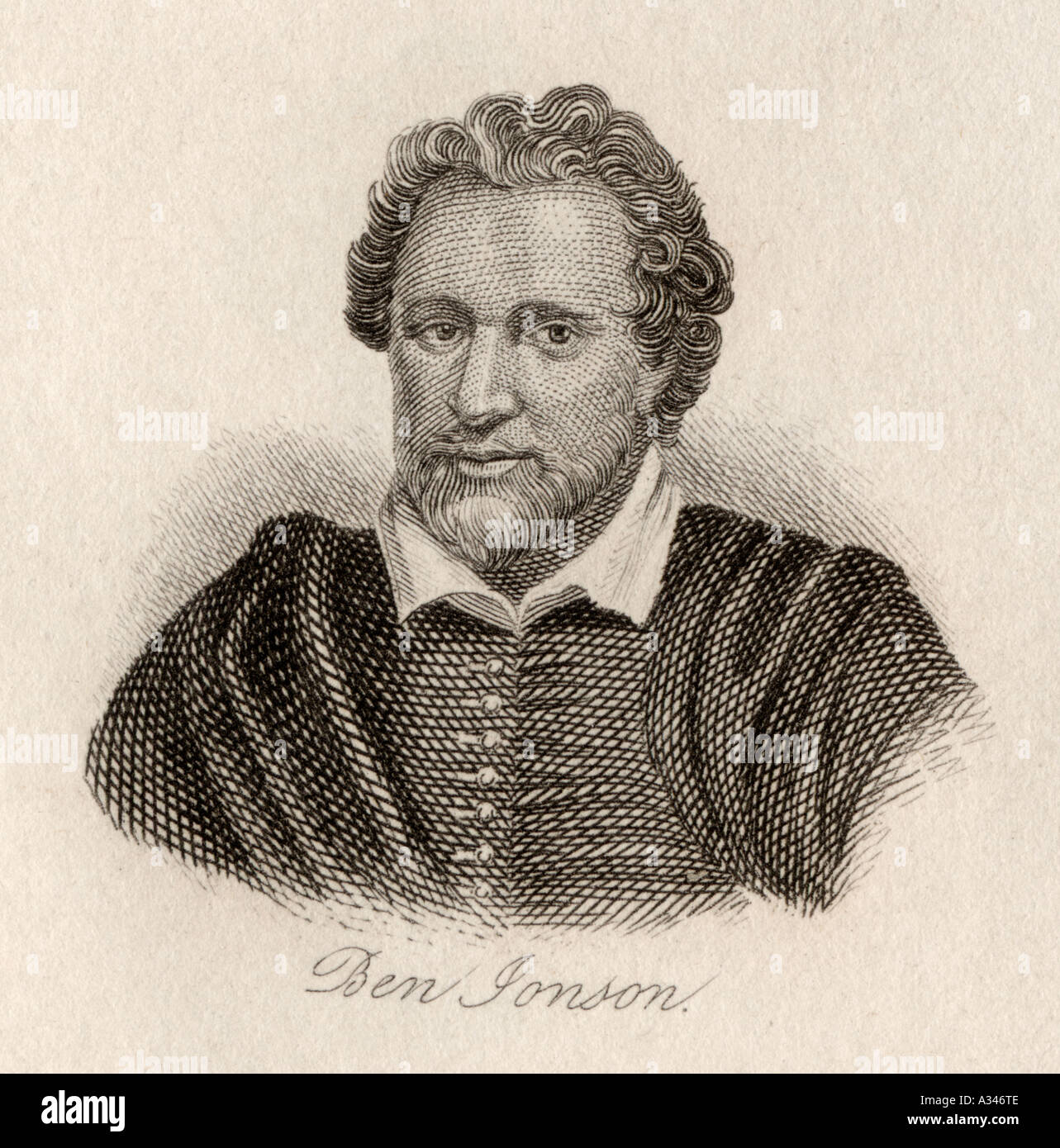
Benjamin Jonson
(Benjamin Jonson)
Towering Jacobean playwright, poet, and literary theorist who popularized the comedy of humours in Volpone and The Alchemist and eulogized Shakespeare.
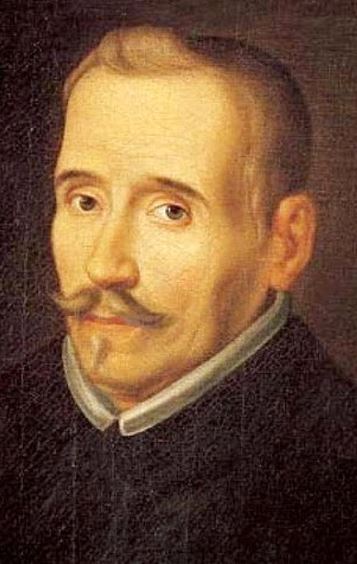
Félix Lope de Vega y Carpio
(Lope de Vega)
Titanic Spanish playwright dubbed by Cervantes 'El Monstruo de la Naturaleza' (The Monster of Nature) for his astonishing output of over 1,500 plays, including Fuenteovejuna and The Dog in the Manger.
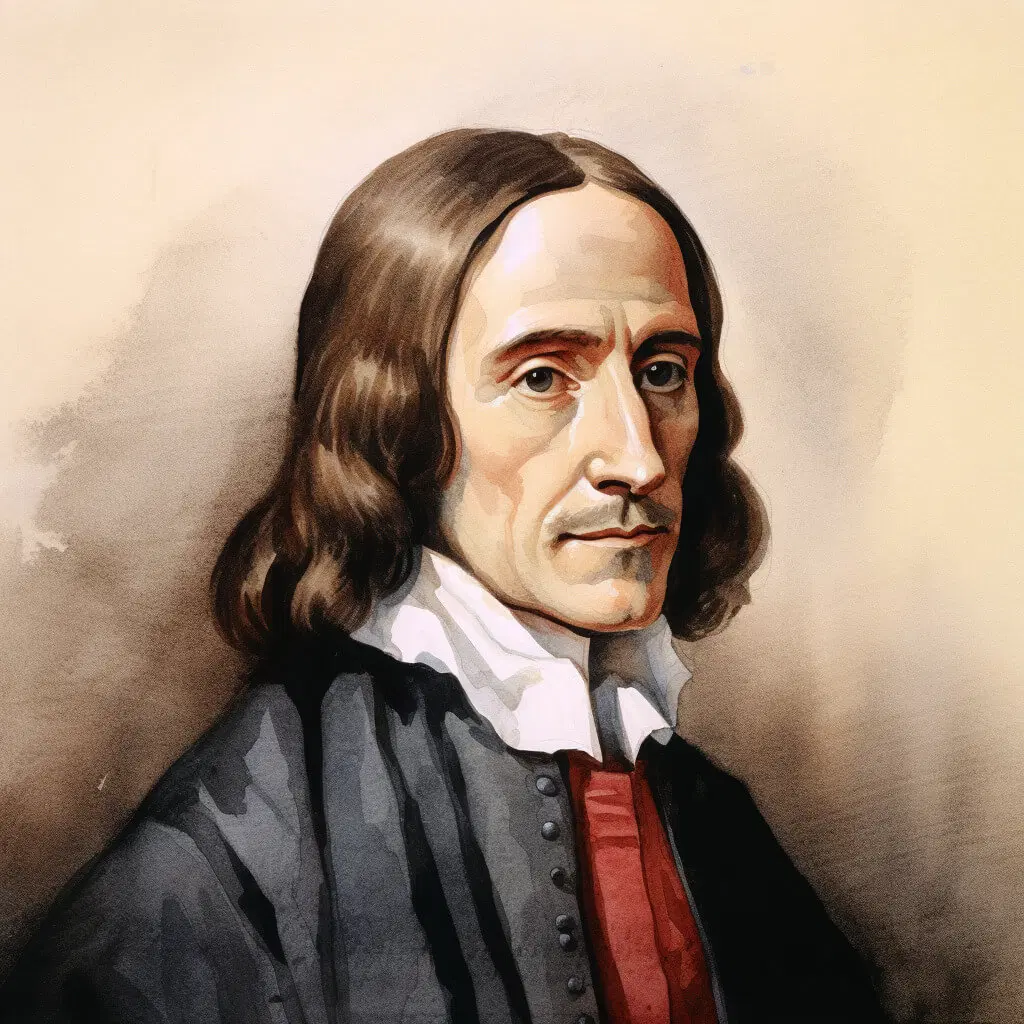
George Herbert
(George Herbert)
Welsh-born English devotional poet and Anglican priest whose metaphysical collection The Temple fused profound spiritual intimacy with dazzling architectural verse forms.