Public Figures & Cultural Luminaries
Filterable archive covering centuries of intellectual, artistic, and moral contributions to the human story.
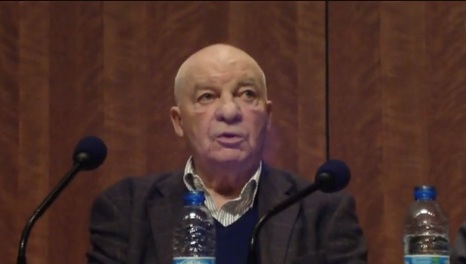
Jacques Dupin
 (Jacques Dupin)
Distinguished French poet, art critic, and co-founder of the review L'Éphémère who directed the Galerie Maeght and served as the definitive biographer of Alberto Giacometti and Joan Miró.
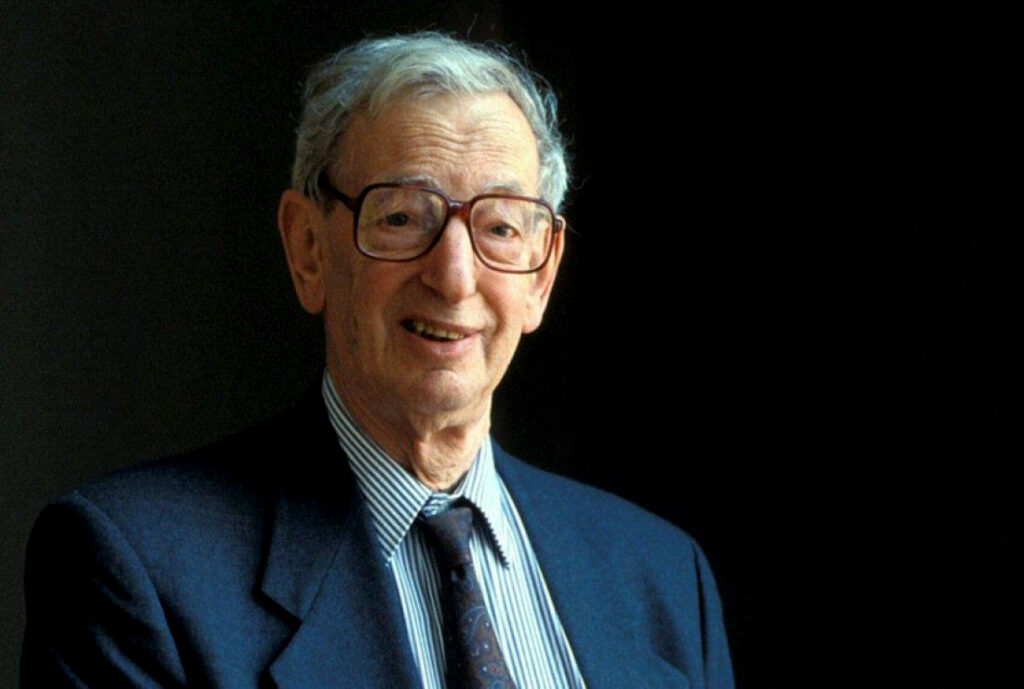
Eric Hobsbawm
 (Eric John Ernest Hobsbawm)
Preeminent British Marxist historian whose monumental four-volume history of the modern world (The Age of Revolution, Capital, Empire, and Extremes) shaped historical understanding globally.
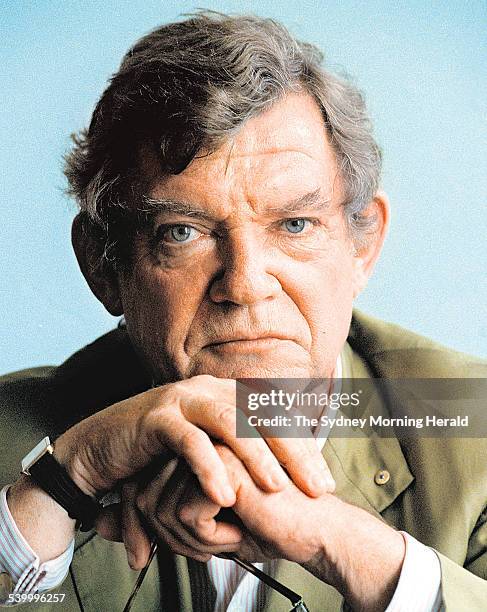
Robert Hughes
 (Robert Studley Forrest Hughes)
Australian art critic and author who served as Time magazine's chief art critic for three decades, celebrated for his landmark BBC television history of modern art The Shock of the New.
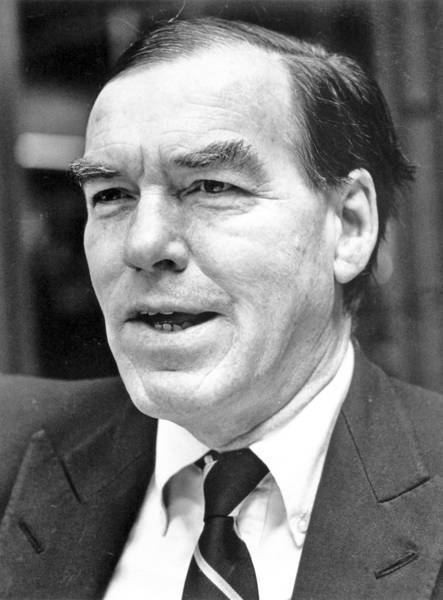
John Keegan
 (Sir John Desmond Patrick Keegan)
Preeminent British military historian whose 1976 classic The Face of Battle transformed military historiography by examining combat through the visceral sensory experience of the frontline soldier.
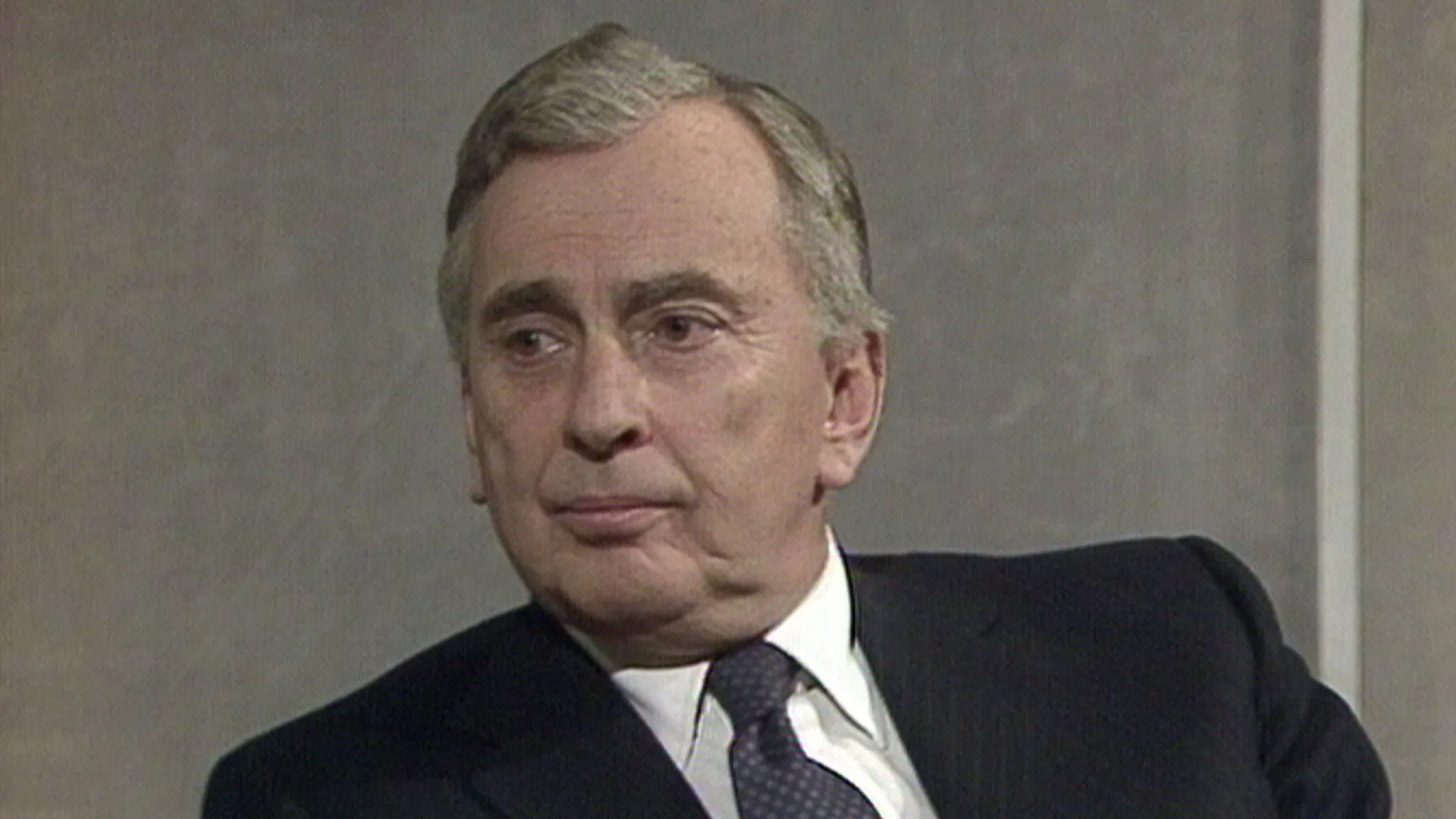
Gore Vidal
 (Eugene Luther Gore Vidal)
Iconic American novelist, essayist, and razor-witted public intellectual whose historical novels (Lincoln, Burr) and piercing political critiques dissected the American empire.
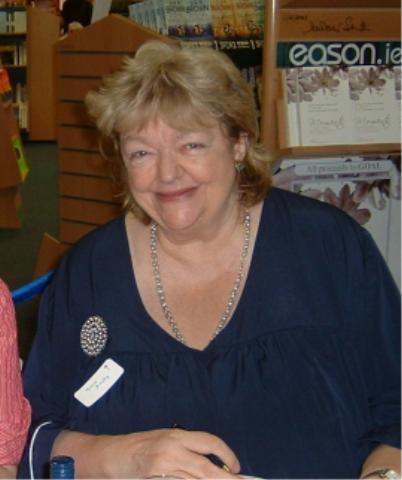
Maeve Binchy
 (Maeve Binchy Snell)
Warm and beloved Irish novelist, journalist, and columnist whose compassionate portrayals of rural and small-town Irish life in Circle of Friends and Tara Road sold over 40 million books worldwide.
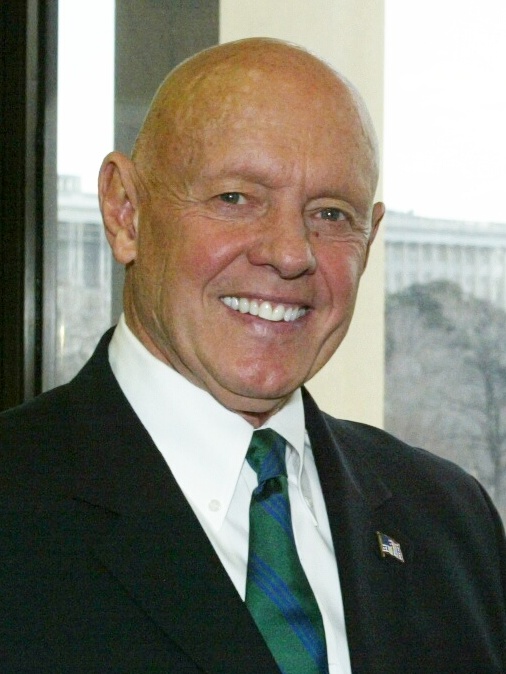
Stephen Covey
(Stephen Richards Covey)
Influential American educator and management consultant whose 1989 self-mastery book The 7 Habits of Highly Effective People sold over 40 million copies in forty languages.
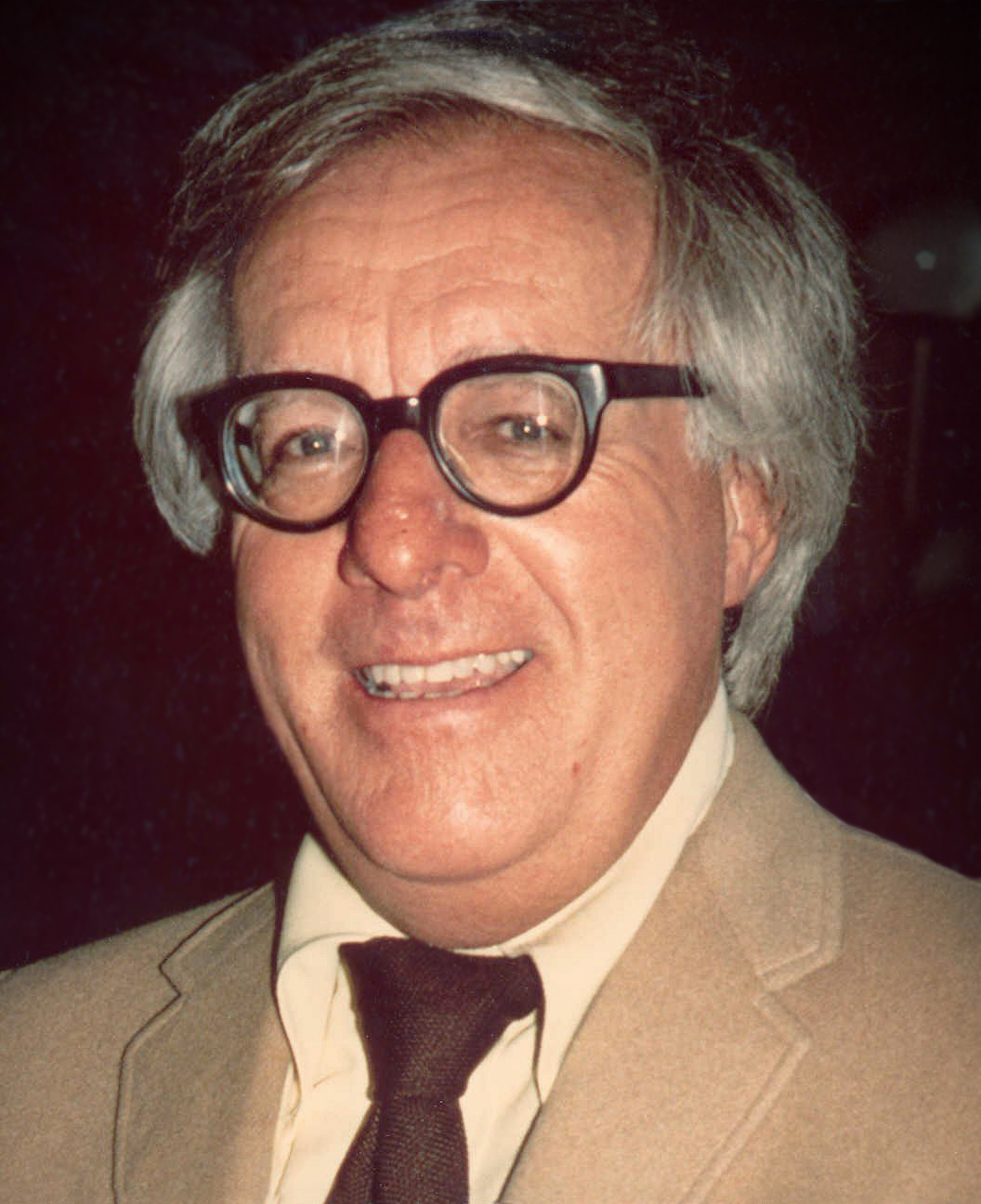
Ray Bradbury
(Ray Douglas Bradbury)
One of America's most celebrated 20th-century authors, whose dystopian masterpiece Fahrenheit 451, The Martian Chronicles, and The Illustrated Man brought science fiction into the literary mainstream.
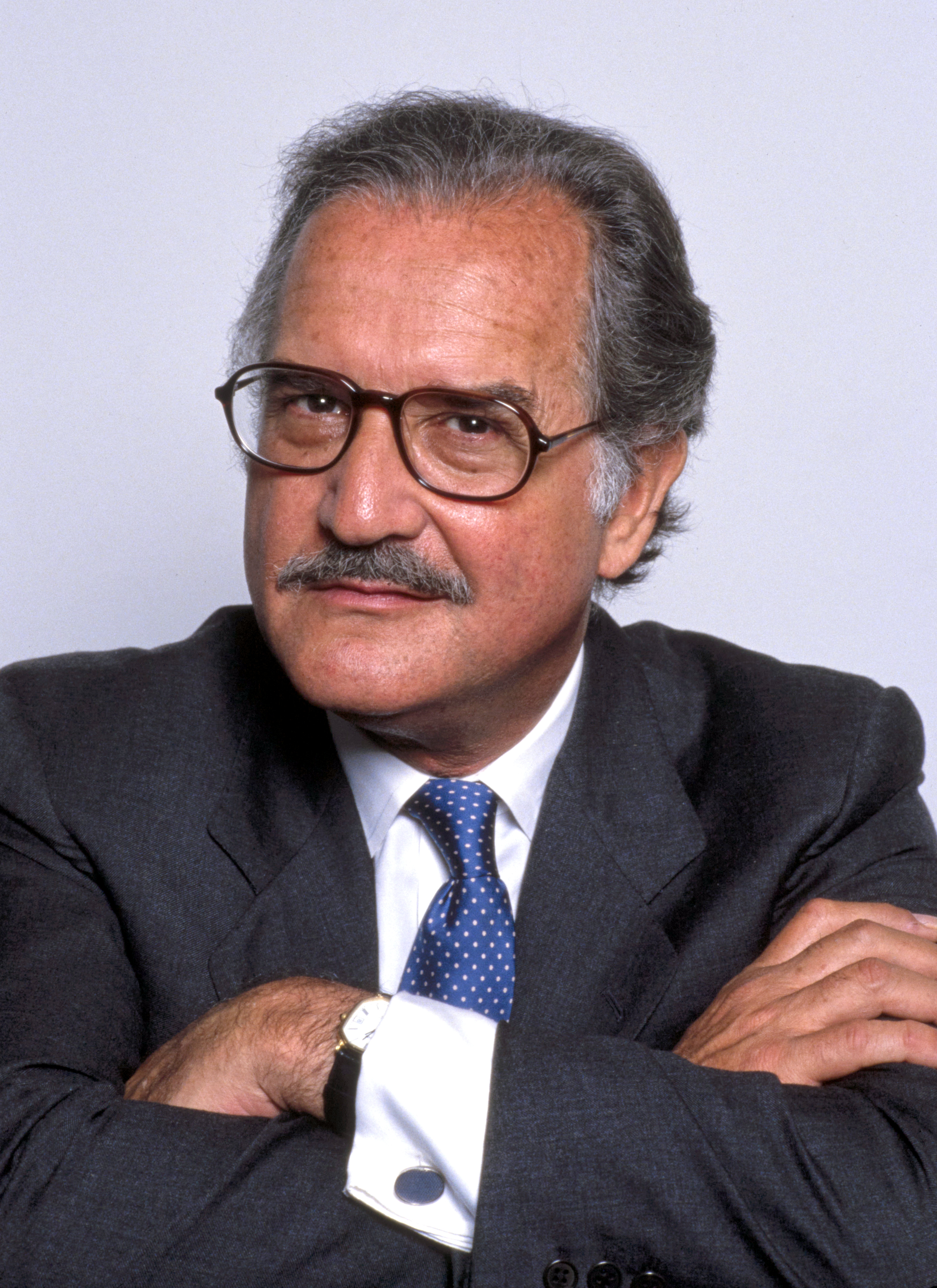
Carlos Fuentes
 (Carlos Fuentes Macías)
Mexican novelist and diplomat, central titan of the Latin American Boom, celebrated for The Death of Artemio Cruz, Where the Air Is Clear, and Terra Nostra.
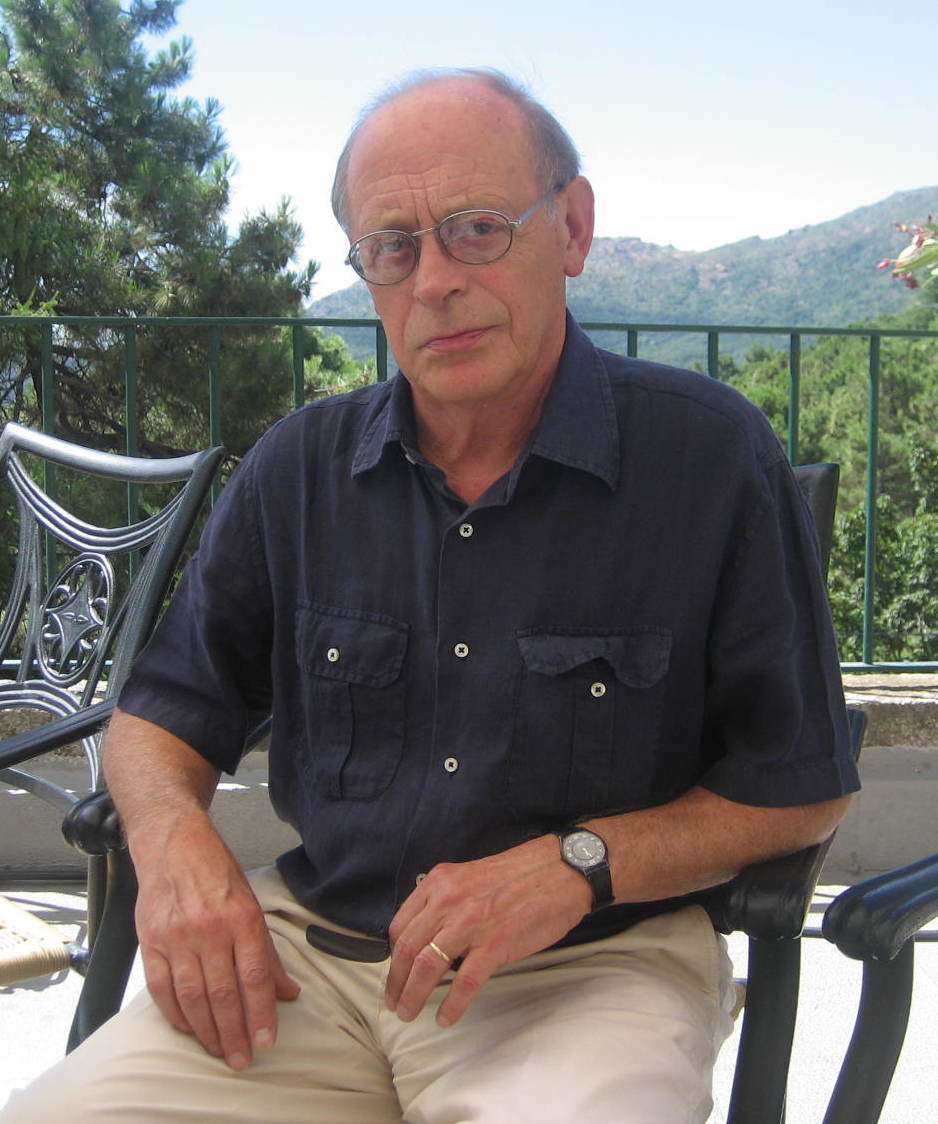
Antonio Tabucchi
 (Antonio Tabucchi)
Acclaimed Italian novelist and Portuguese literary scholar whose 1994 masterpiece Pereira Maintains courageously celebrated moral resistance to totalitarian censorship.
Simin Daneshvar
 (سیمین دانشور)
Pioneering novelist whose 1969 masterpiece 'Savushun' was the first published novel by an Iranian woman and became a best-selling classic.
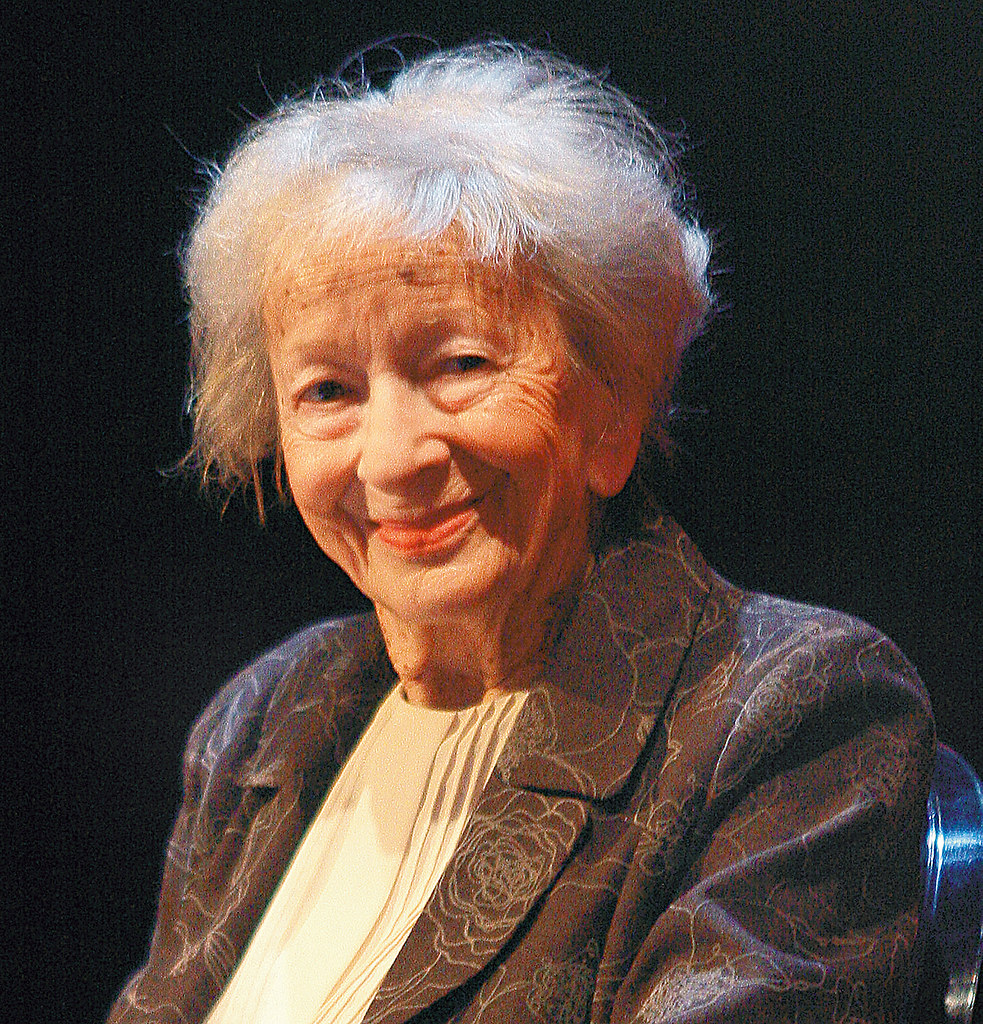
Wisława Szymborska
 (Maria Wisława Anna Szymborska)
1996 Nobel laureate in Literature and 'Mozart of Poetry', Polish lyricist whose witty, ironic, and philosophically playful poems celebrated the extraordinary in the ordinary.
Ibrahim Aslan
(إبراهيم أصلان)
Celebrated Egyptian author and leading figure of the 'Generation of the Sixties', whose novel The Heron (Malik al-Hazin) depicted working-class Cairo and was adapted into the classic film Kit Kat.
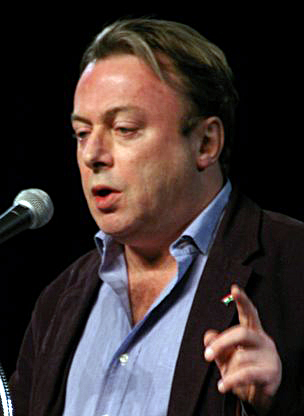
Christopher Hitchens
(Christopher Eric Hitchens)
Formidable Anglo-American author, essayist, and polemicist celebrated for his razor-sharp wit, literary criticism, and outspoken secularist manifesto God Is Not Great.
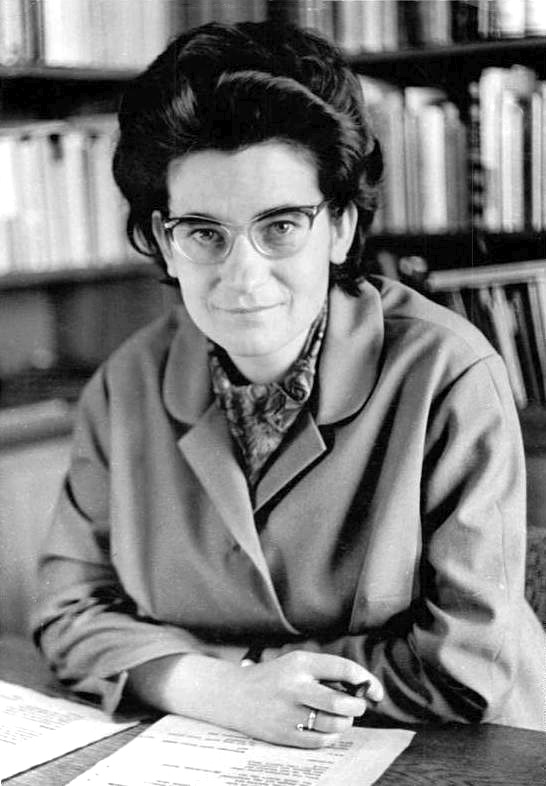
Christa Wolf
 (Christa Ihlenfeld)
The preeminent author of East Germany whose complex psychological novels Cassandra, They Divided the Sky, and Patterns of Childhood critically examined socialist ideals, memory, and totalitarian power.
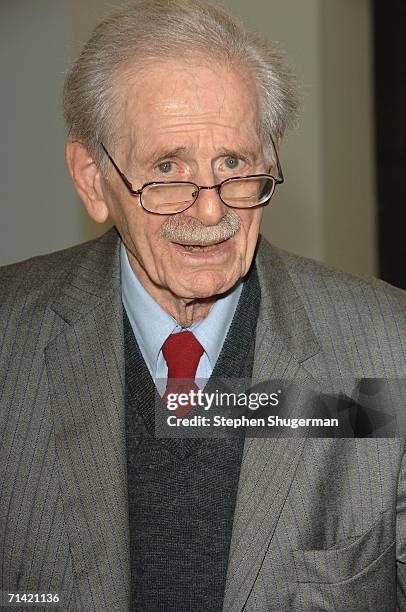
Norman Corwin
(Norman Lewis Corwin)
Revered American writer, director, and producer during the Golden Age of Radio whose patriotic broadcast On a Note of Triumph celebrated the end of World War II in Europe before 60 million listeners.
Margaret Ogola
 (Margaret Atieno Ogola)
Renowned pediatrician and author whose epic 1994 debut novel 'The River and the Source' won the Commonwealth Writers' Prize and Jomo Kenyatta Prize for Literature.
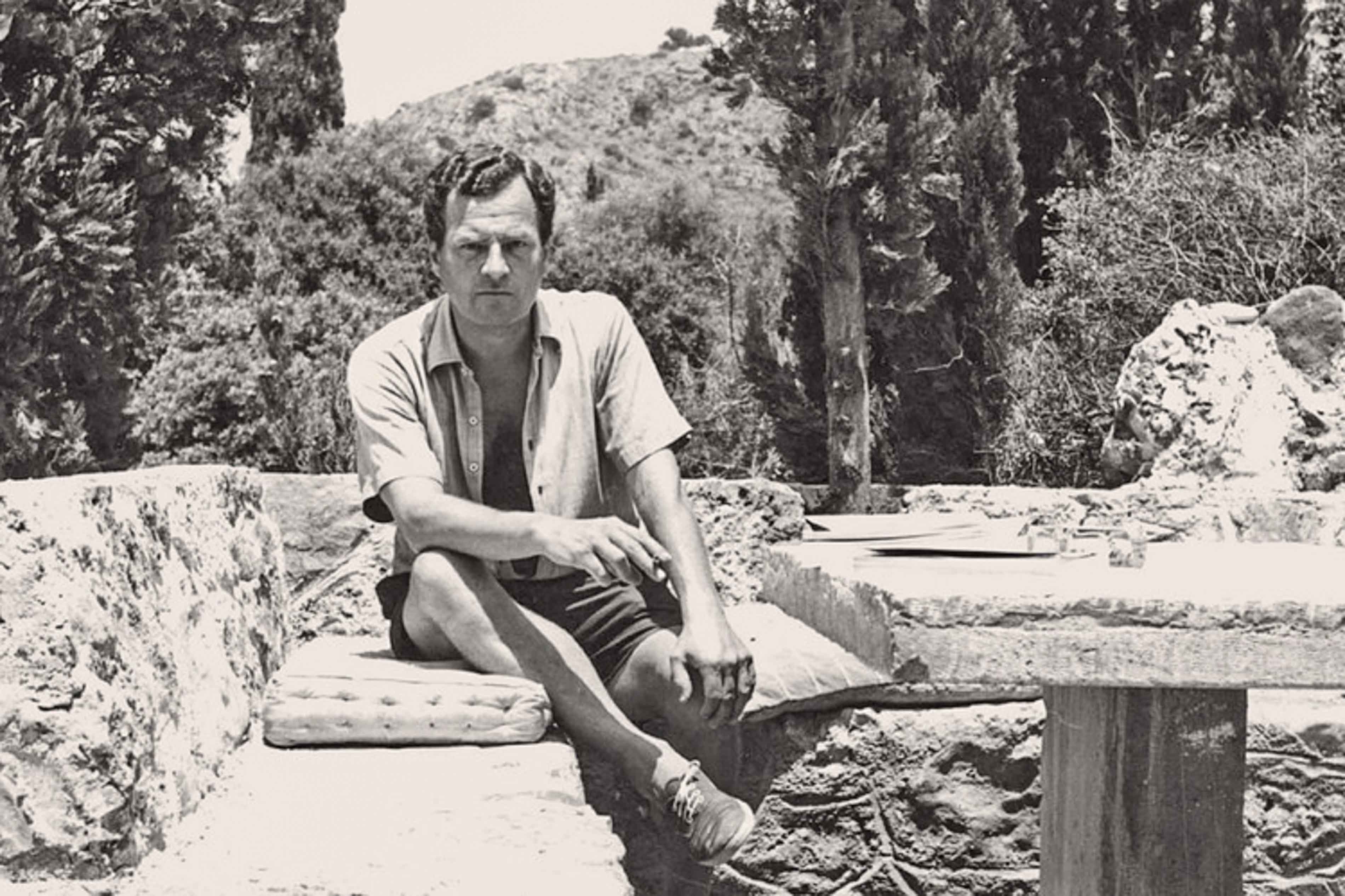
Patrick Leigh Fermor
(Patrick Michael Leigh Fermor)
Renowned British travel writer and World War II hero who walked across Europe from the Hook of Holland to Constantinople in 1933 and abducted German General Kreipe in Nazi-occupied Crete.