 Germany
•
4 views
Germany
•
4 views
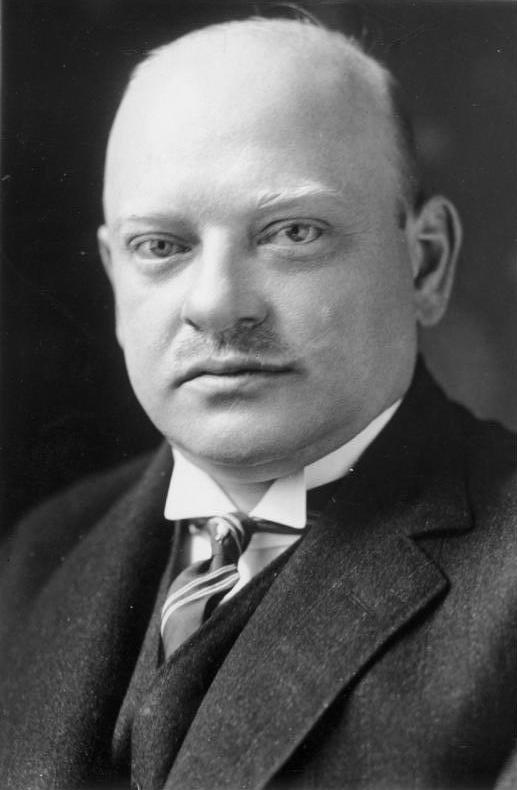
Gustav Stresemann

Berlin, Germany
Archival Overview
Gustav Stresemann was a German statesman who served as Chancellor in 1923 and Foreign Minister of the Weimar Republic from 1923 until his death in 1929. Breaking with nationalist militarism to embrace pragmatic European reconciliation, he halted hyperinflation, negotiated the Locarno Treaties, and led Germany into the League of Nations, sharing the 1926 Nobel Peace Prize with Aristide Briand.
Biographical Record
Gustav Stresemann was born in Berlin, the son of a beer distributor and innkeeper. Studying political economy at the universities of Berlin and Leipzig, Stresemann earned his doctorate in 1900 with a dissertation on the bottled beer trade. Entering the Reichstag in 1907 as a National Liberal, he initially supported Germany's imperial expansion and unrestricted submarine warfare during World War I.
Following Germany's catastrophic military defeat and the collapse of the Hohenzollern monarchy in 1918, Stresemann founded the German People's Party (DVP). As Germany spiraled into existential chaos in 1923 amidst the French occupation of the Ruhr and hyperinflation that rendered the mark worthless, Stresemann was appointed Chancellor. In a breathtaking hundred-day administration, he ended passive resistance in the Ruhr, introduced the stable Rentenmark currency, and crushed extremist coups on both the left and right.
Stepping down as Chancellor to become Foreign Minister, Stresemann pursued his historic policy of Verständigungspolitik (conciliation). Forging a legendary personal and diplomatic partnership with French Foreign Minister Aristide Briand, Stresemann signed the 1925 Locarno Treaties, formally renouncing any German territorial claims on Alsace-Lorraine. In September 1926, he led Germany into the League of Nations as a permanent council member, declaring from the rostrum: 'The German nation is ready to work for the great ideal of world peace.' Awarded the 1926 Nobel Peace Prize with Briand, Stresemann's tragic death from a stroke at age fifty-one in October 1929 removed the primary democratic pillar defending the Weimar Republic against Adolf Hitler.
Key Life Milestones
Signing the Locarno Treaties
Signed the Locarno Treaties in London, committing Germany to permanent peaceful reconciliation with France and Belgium.
Admission of Germany to the League of Nations
Delivered Germany's inaugural address to the League of Nations in Geneva, celebrating the end of postwar isolation.
Memorial Guestbook & Tributes
0 messages recordedLeave a Respectful Tribute
Final Resting Place
Perpetual MemorialBerlin, Germany