Public Figures & Cultural Luminaries
Filterable archive covering centuries of intellectual, artistic, and moral contributions to the human story.
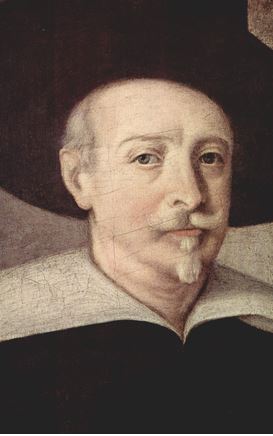
Guido Reni
 (Guido Reni)
Premier Bolognese master of classical Baroque painting whose ceiling fresco 'Aurora' and celestial, idealized religious canvases earned him the title 'The Divine'.
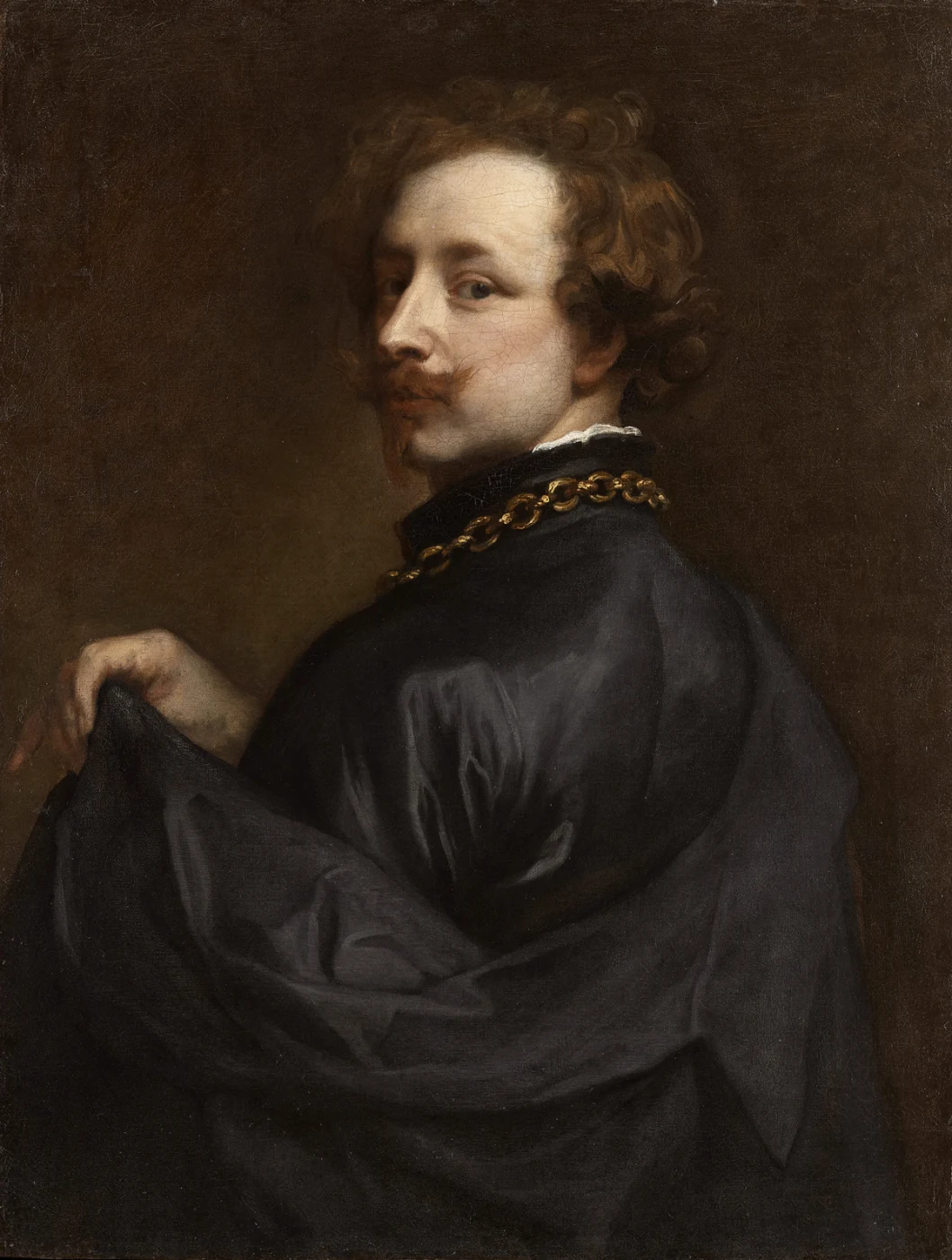
Anthony van Dyck
 (Antoon van Dyck)
Flemish Baroque virtuoso who transformed English portraiture as leading court painter to King Charles I.
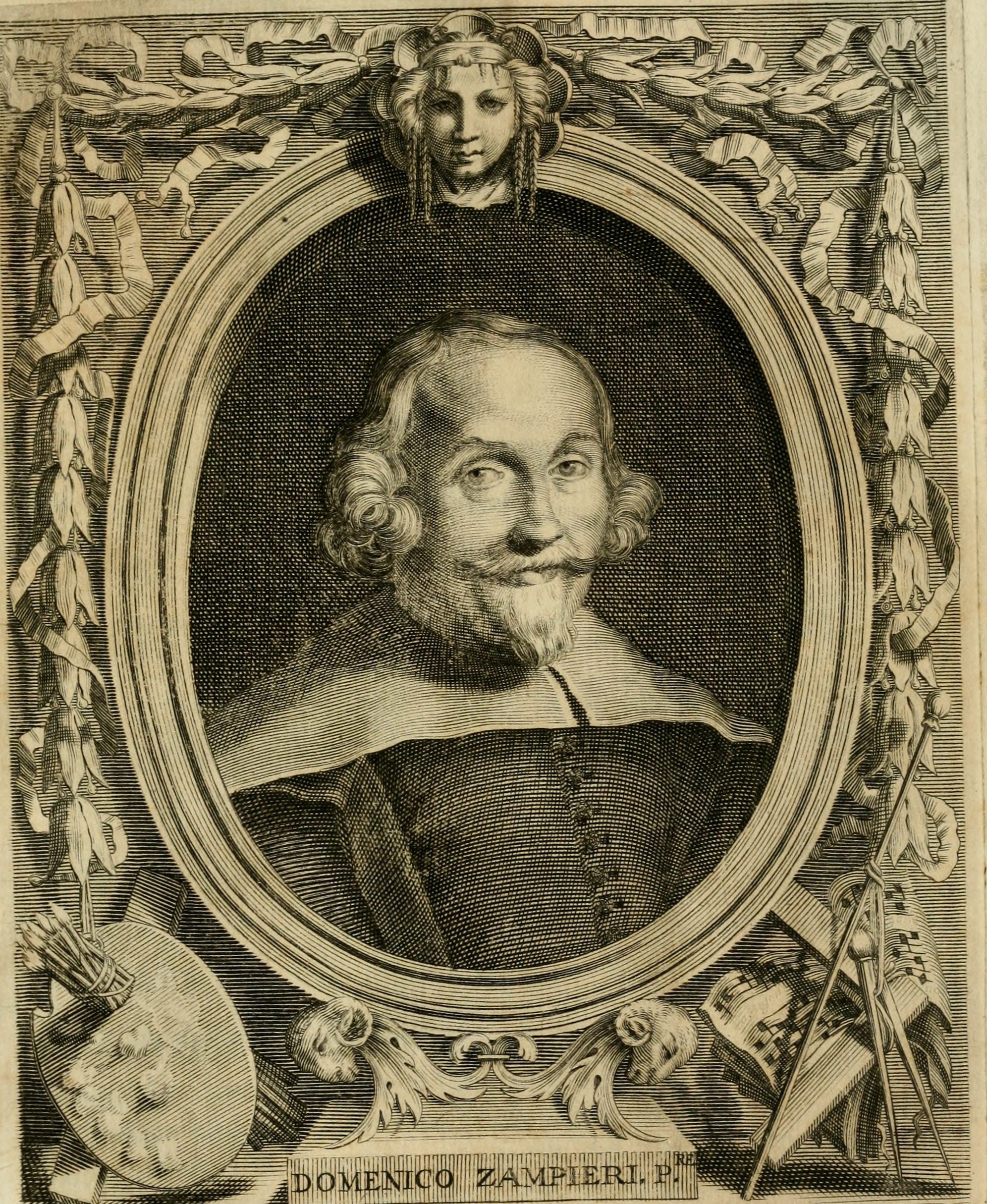
Domenico Zampieri
(Domenichino)
Leading Bolognese classical Baroque painter whose 'The Last Communion of Saint Jerome' and frescoes in Sant'Andrea della Valle set the benchmark for expressive gestures.
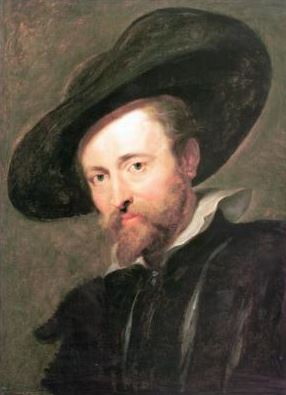
Sir Peter Paul Rubens
 (Peter Paul Rubens)
Supreme master of the Flemish Baroque who synthesized Venetian color, Roman monumental dynamism, and northern realism, orchestrating colossal mythological canvases and negotiating peace treaties across Europe.
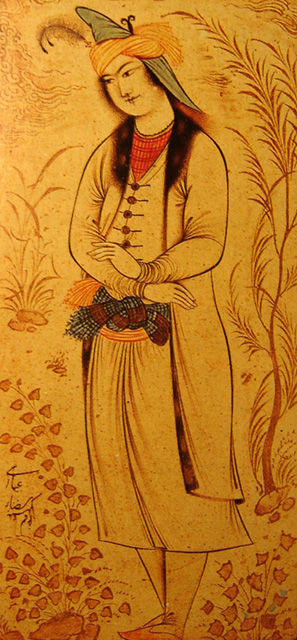
Reza Abbasi
 (رضا عباسی)
Foremost Persian painter and miniaturist of the Safavid Golden Age under Shah Abbas I, innovator of single-sheet calligraphic drawings.
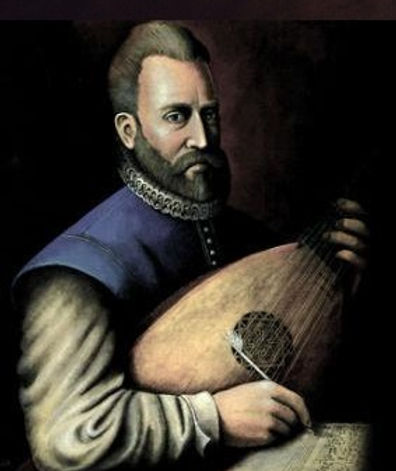
John Dowland
 (John Dowland)
English Renaissance lutenist and composer celebrated as the master of Elizabethan musical melancholy, immortalized by 'Flow My Tears' and the Lachrimae consort pavans.
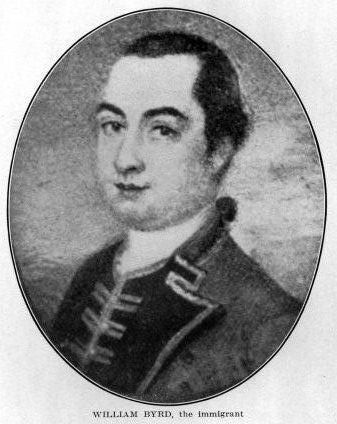
William Byrd
(William Byrd)
English Renaissance composer celebrated as the greatest polyphonist of the Elizabethan Golden Age, master of sacred Latin masses, Anglican services, and keyboard music.
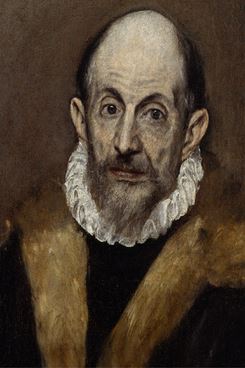
El Greco
 (Doménikos Theotokópoulos / Δομήνικος Θεοτοκόπουλος)
Visionary master of the Spanish Renaissance whose elongated figures and dramatic acid colors anticipated Expressionism.
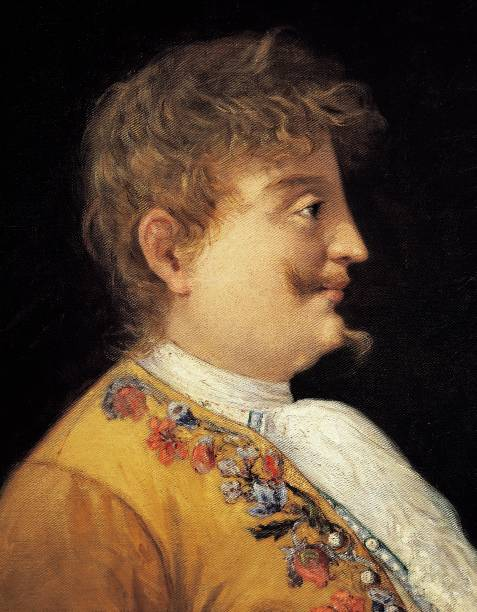
Carlo Gesualdo
(Carlo Gesualdo di Venosa)
Italian Renaissance nobleman and composer whose radical, intensely chromatic madrigals and sacred responsories anticipated modern harmony by three centuries.
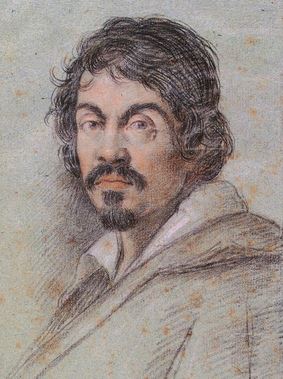
Michelangelo Merisi da Caravaggio
(Michelangelo Merisi)
Revolutionary Italian Baroque painter who electrified Europe by casting dramatic spotlight beams through pitch-black shadows (tenebrism) and depicting saints and martyrs with unsparing, gritty plebeian realism.
Abu al-Abbas Ahmad al-Daqqun
 (أحمد الدقون النجار)
Master Moroccan artisan and woodcarver who directed the execution of the intricate carved cedarwood ceilings and calligraphic stuccowork of the Saadian Tombs and El Badi Palace in Marrakech.
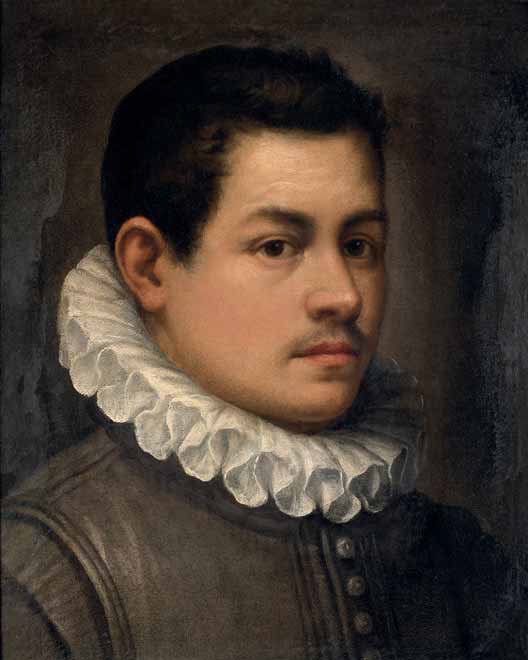
Annibale Carracci
(Annibale Carracci)
Co-founder of the Bolognese Carracci Academy and creator of the monumental Farnese Gallery ceiling in Rome, whose fusion of Michelangelo and Raphael founded the Baroque grand style.
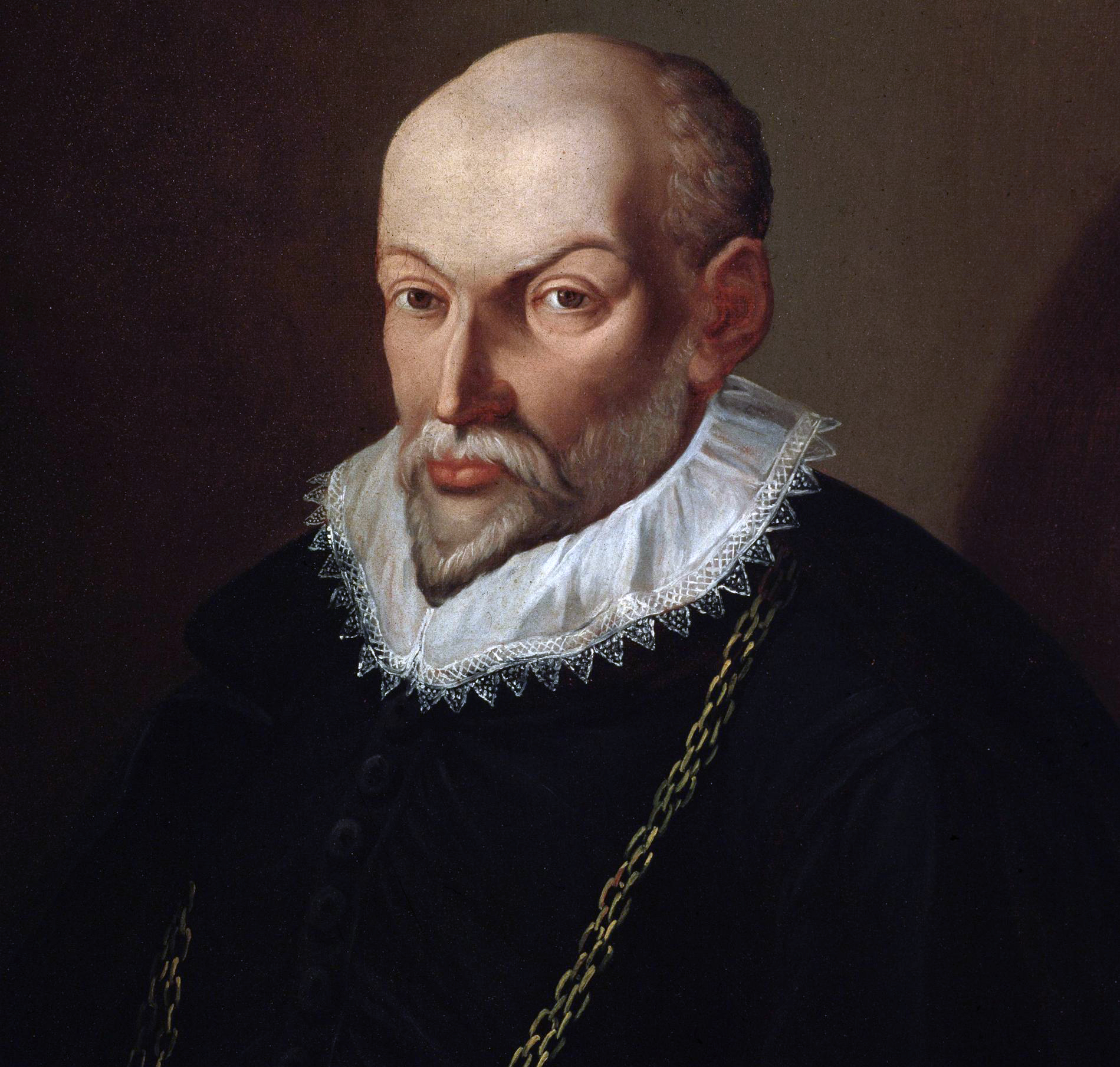
Orlande de Lassus
(Roland de Lassus)
Franco-Flemish polyphonist of the late Renaissance, celebrated alongside Palestrina as the supreme master of European vocal music, madrigals, motets, and penitential psalms.
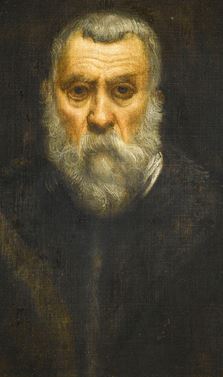
Tintoretto
(Jacopo Robusti / Tintoretto)
Venetian Renaissance giant nicknamed 'Il Furioso' for his ferocious brushwork, daring perspective, and theatrical lighting.
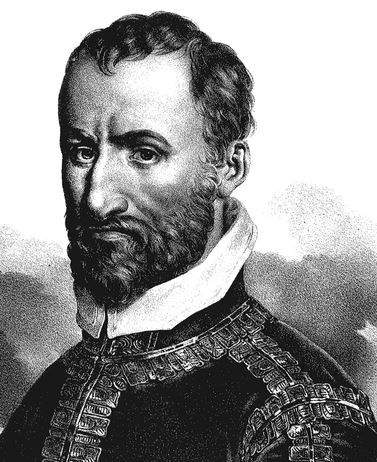
Giovanni Pierluigi da Palestrina
(Giovanni Pierluigi da Palestrina)
Supreme master of Renaissance polyphony whose serene, balanced contrapuntal style in over 105 masses (notably the Missa Papae Marcelli) established the eternal aesthetic benchmark for Catholic sacred liturgical music.
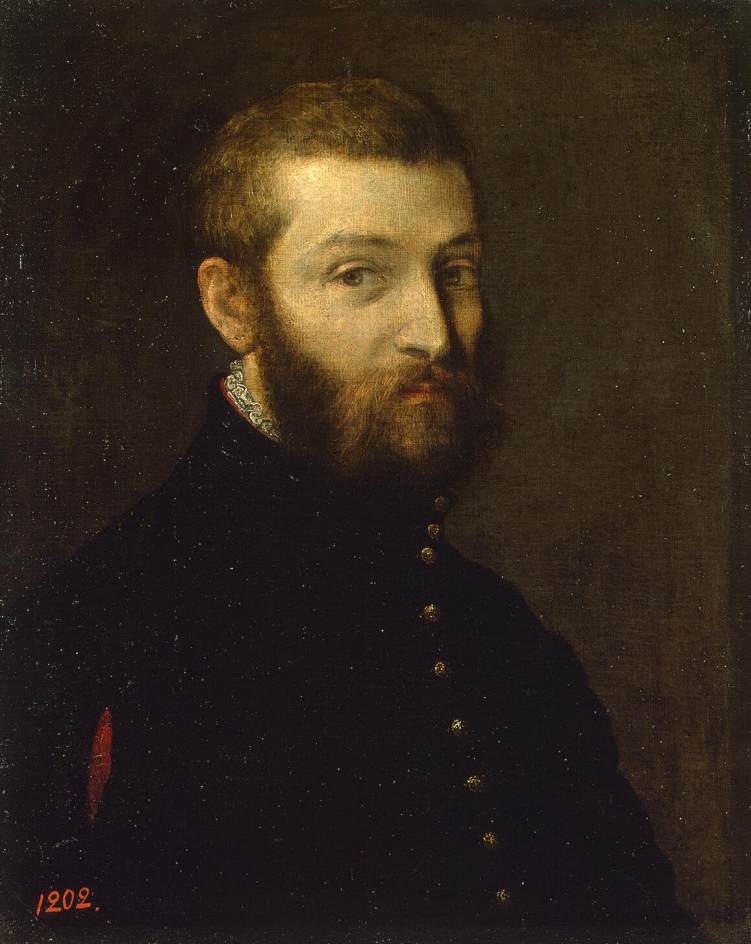
Paolo Veronese
(Paolo Caliari)
Venetian Renaissance master of illusionistic grandeur, luminous color, and monumental festive banquets.
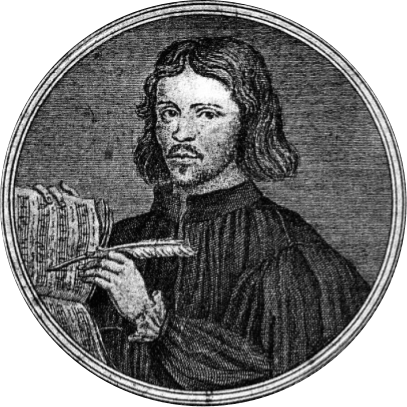
Thomas Tallis
(Thomas Tallis)
Father of English church music who composed through four turbulent Tudor monarchies, immortalized by his 40-part choral masterpiece 'Spem in alium'.
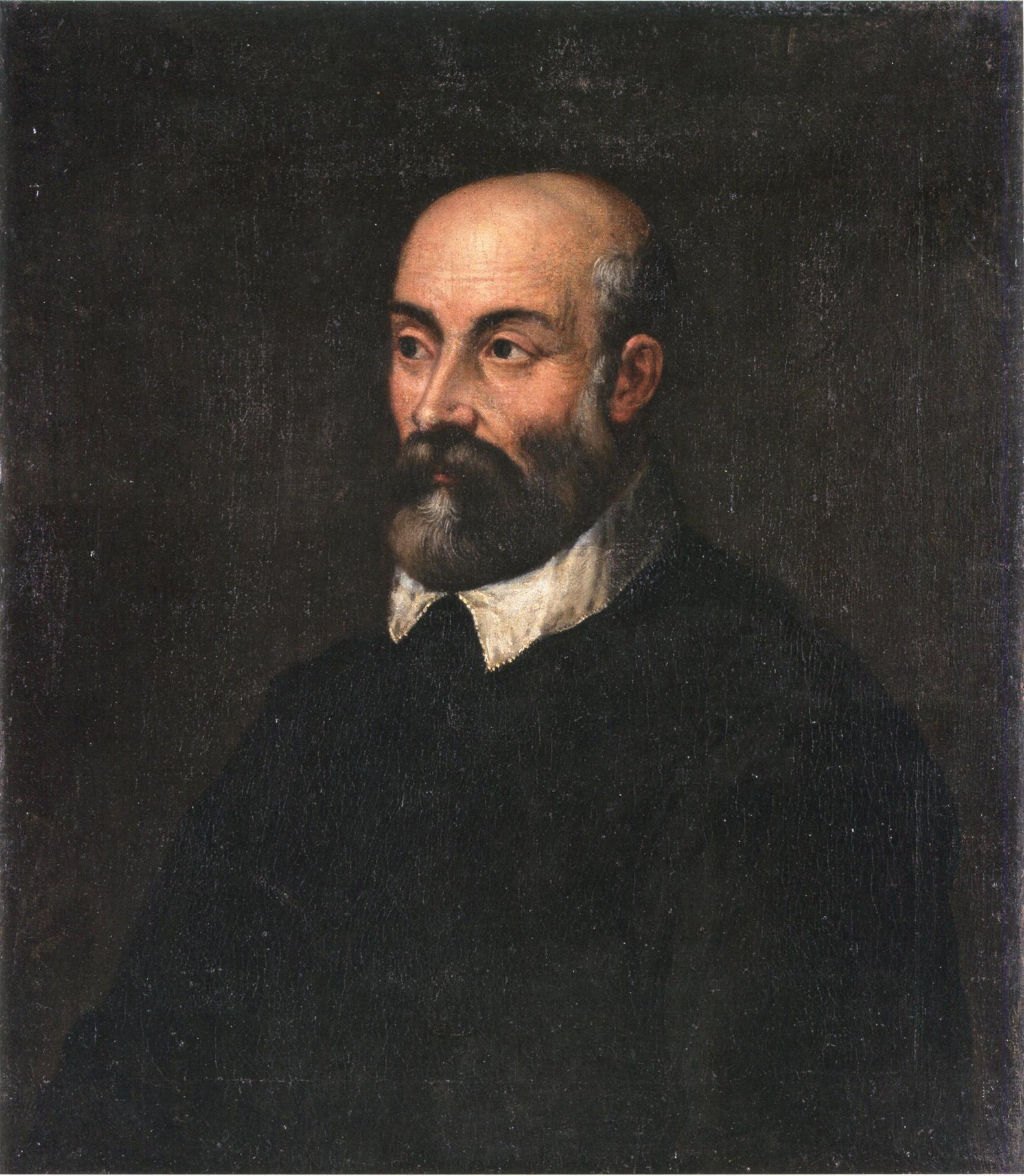
Andrea di Pietro della Gondola
(Andrea Palladio)
Most influential architect in Western history whose 'The Four Books of Architecture' and harmonious villas (Villa Capra 'La Rotonda') created worldwide Palladianism.