Public Figures & Cultural Luminaries
Filterable archive covering centuries of intellectual, artistic, and moral contributions to the human story.
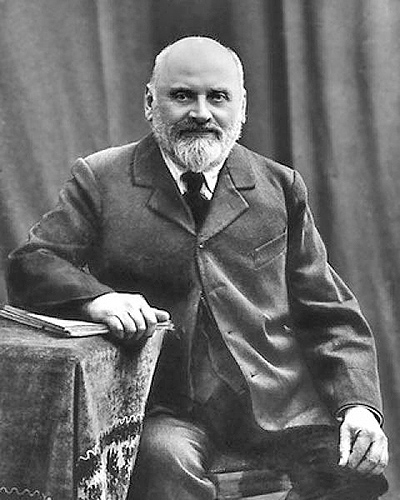
Mily Balakirev
 (Mily Alexeyevich Balakirev)
Russian composer, pianist, and conductor who formed and led 'The Five' (Mighty Handful), inspiring Mussorgsky, Rimsky-Korsakov, and Borodin, and composing the virtuosic 'Islamey'.
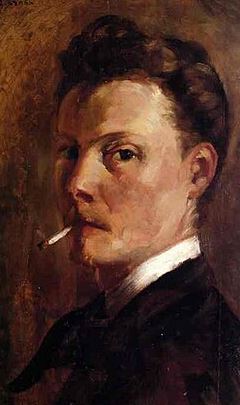
Henri-Edmond Delacroix
 (Henri-Edmond Cross)
French Neo-Impressionist master whose mosaic-like blocks of vibrant Mediterranean color in Saint-Clair bridged Pointillism and the birth of Fauvism.
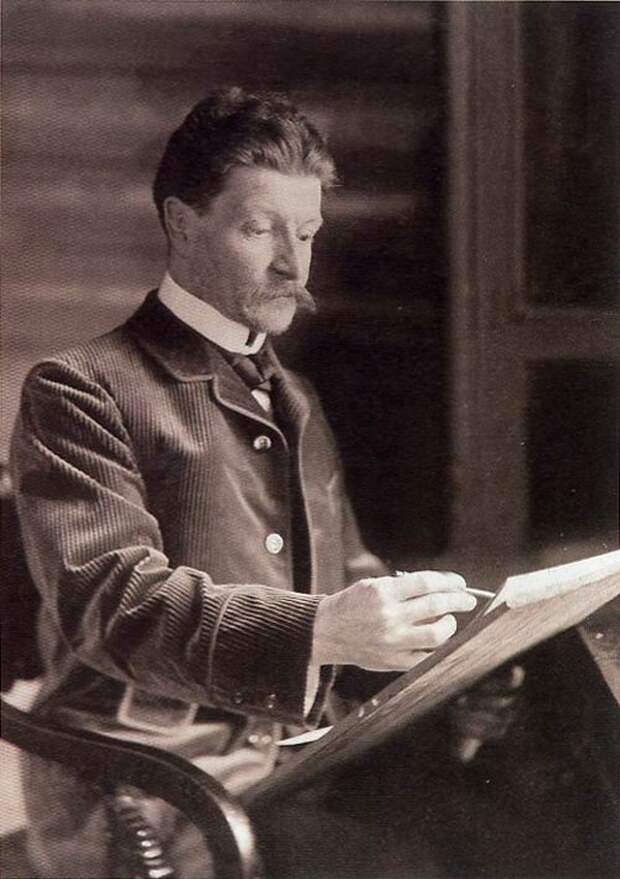
Mikhail Aleksandrovich Vrubel
(Михаил Александрович Врубель)
Genius of Russian Symbolism and Art Nouveau whose fractured, crystalline brushwork and haunting series of 'The Demon' anticipated Cubism and modernism.
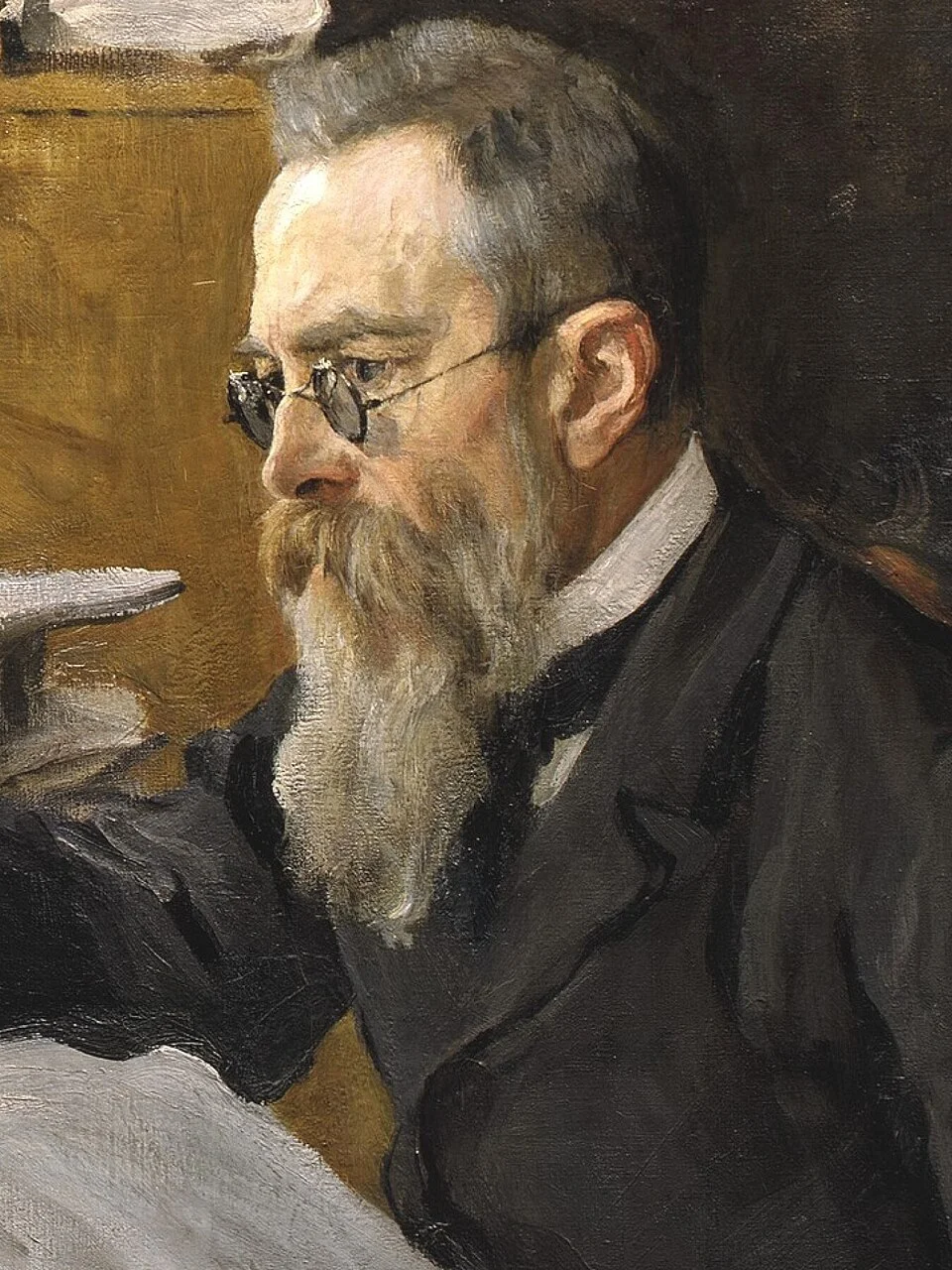
Nikolai Rimsky-Korsakov
(Николай Андреевич Римский-Корсаков)
Russian master of orchestral color and folklore, renowned for Scheherazade, Capriccio Espagnol, and Flight of the Bumblebee.
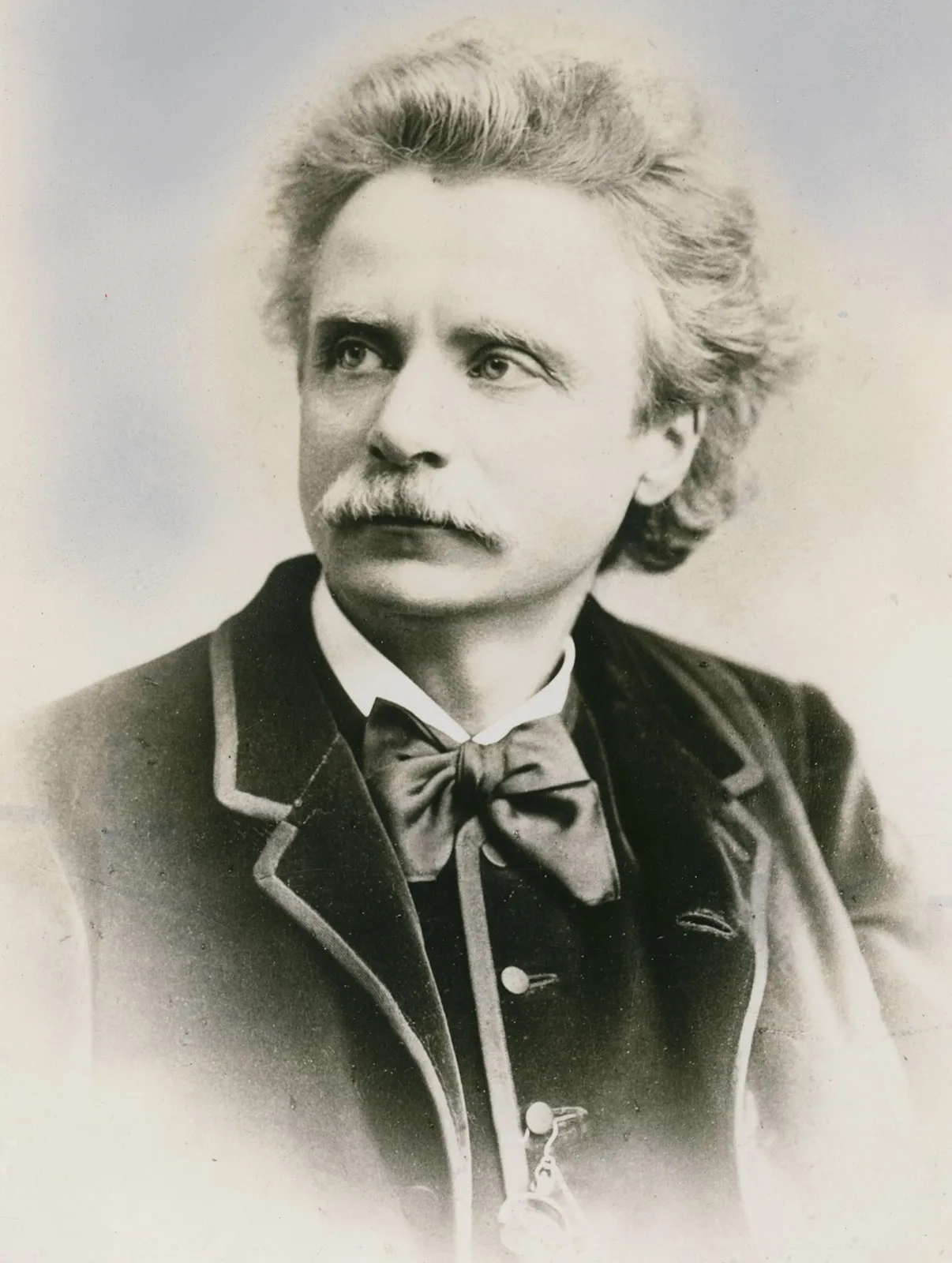
Edvard Grieg
 (Edvard Hagerup Grieg)
Norway's supreme nationalist composer, world-celebrated for Peer Gynt, the Piano Concerto in A minor, and Lyric Pieces.
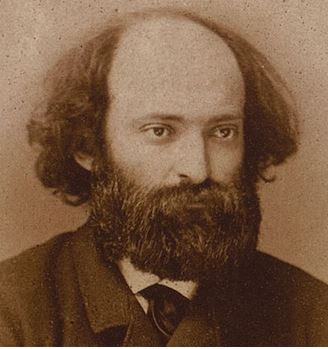
Paul Cézanne
(Paul Cézanne)
The solitary genius of Aix-en-Provence proclaimed by both Picasso and Matisse as 'the father of us all', who deconstructed visual reality into underlying cylinders, spheres, and cones in his Mont Sainte-Victoire series, birthing Cubism.
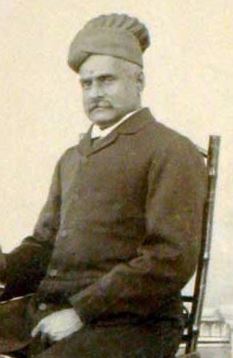
Raja Ravi Varma
 (രാജാ രവിവർമ്മ)
Pioneering Indian painter who fused European academic oil technique with Hindu iconography, establishing the visual archetypes of Hindu gods and goddesses through accessible oleograph prints.
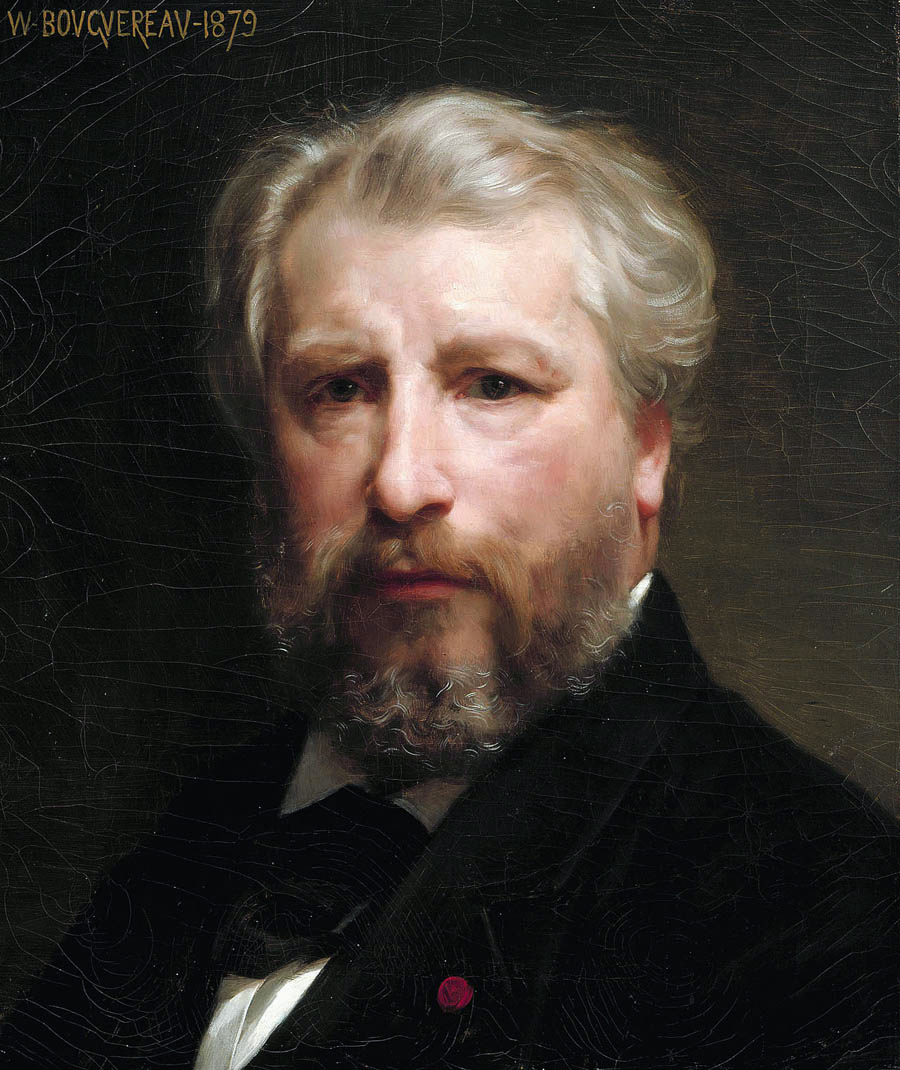
William-Adolphe Bouguereau
(William-Adolphe Bouguereau)
Supreme academic master of the French Salon whose breathtaking anatomical perfection, mythological masterworks like 'The Birth of Venus', and 822 finished canvases set the zenith of academic realism.
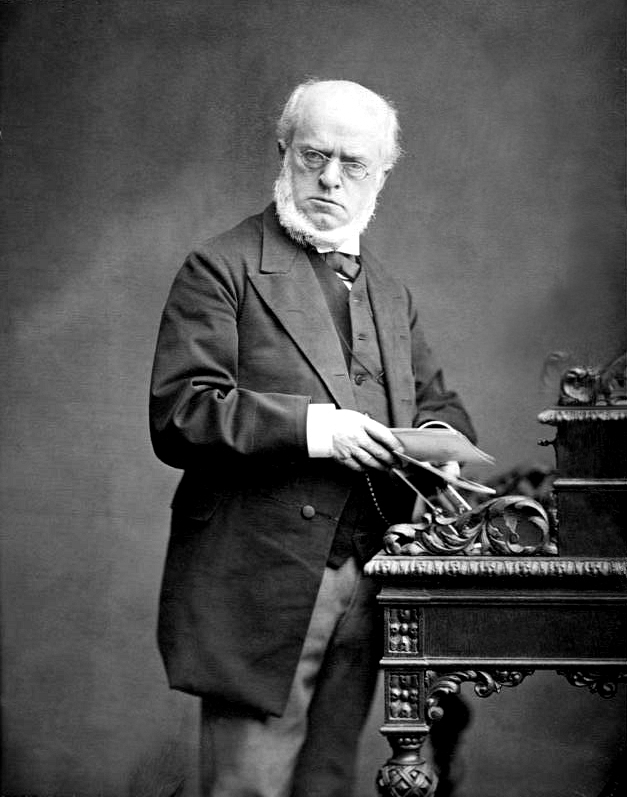
Adolph Friedrich Erdmann von Menzel
 (Adolph Menzel)
Brilliant Prussian Realist painter and illustrator whose monumental canvases of Frederick the Great and industrial masterpiece 'The Iron Rolling Mill' captured the 19th-century machine age.
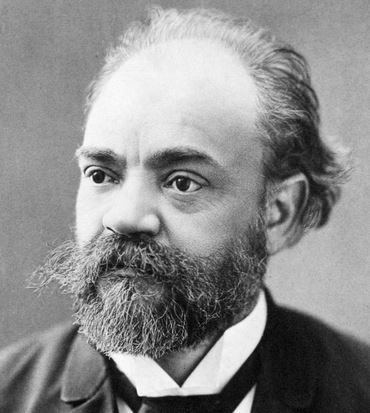
Antonín Leopold Dvořák
 (Antonín Dvořák)
Supreme Czech national composer whose Slavonic Dances, sublime Cello Concerto in B minor, and iconic Symphony No. 9 'From the New World' united Bohemian folk idioms with universal symphonic grandeur.
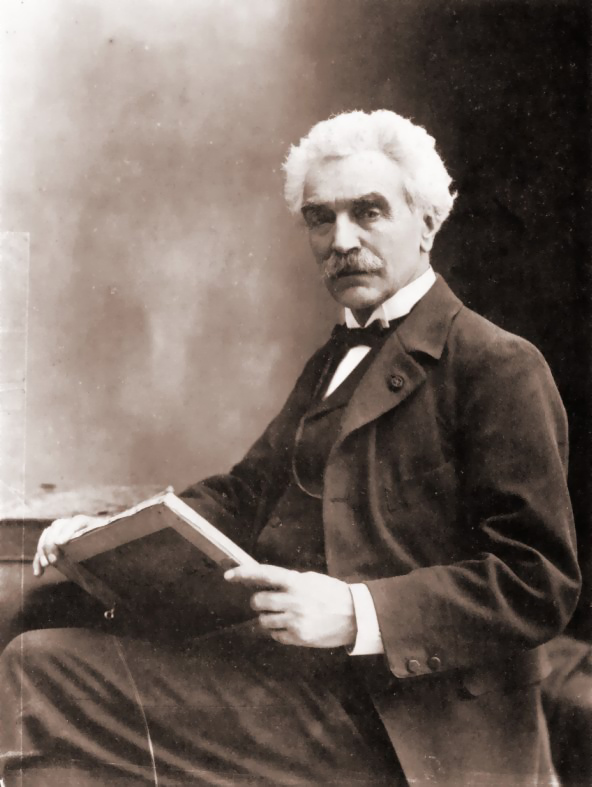
Jean-Léon Gérôme
(Jean-Léon Gérôme)
Titan of French Academic painting and sculpture whose hyper-realistic historical, gladiator, and Orientalist canvases—such as 'Pollice Verso'—shaped modern historical imagery.
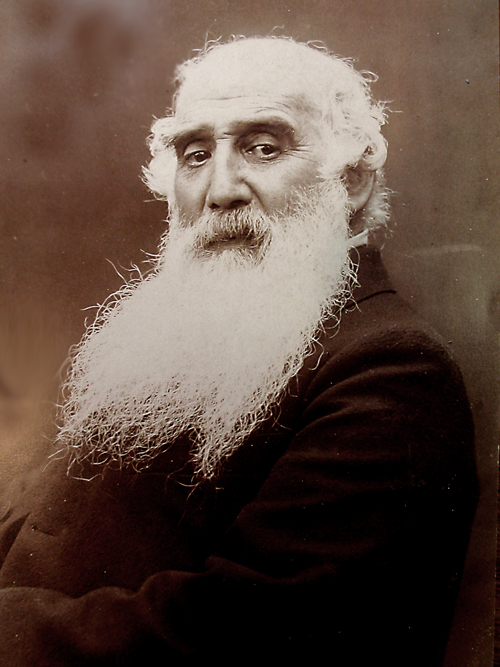
Camille Pissarro
 (Jacob Abraham Camille Pissarro)
Danish-French Impressionist and Neo-Impressionist painter, revered as the patriarchal mentor of Cézanne, Gauguin, and Seurat.
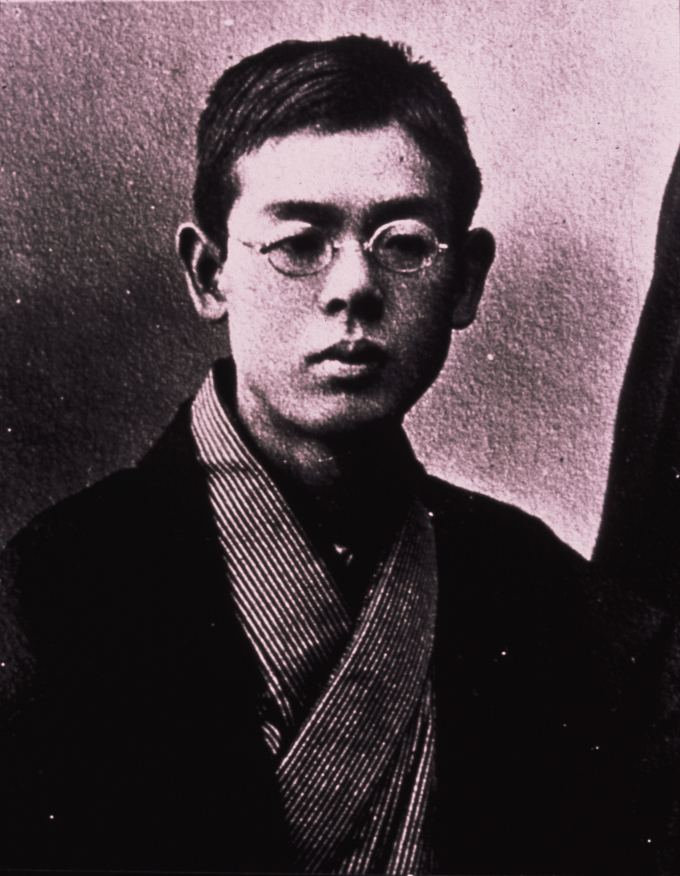
Rentaro Taki
 (滝 廉太郎)
Pioneering Meiji-era Japanese composer and pianist who wrote the beloved song Kojo no Tsuki (The Moon over the Ruined Castle), fusing Western classical harmony with Japanese pentatonic lyricism.
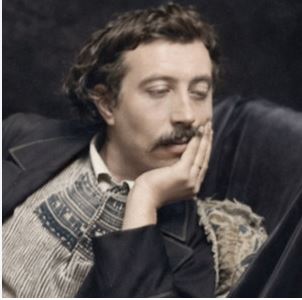
Eugène Henri Paul Gauguin
(Paul Gauguin)
French Post-Impressionist painter who abandoned bourgeois civilization to pioneer Synthetism and Symbolism, using flat blocks of pure non-naturalistic color and mythic Tahitian imagery in Where Do We Come From? What Are We? Where Are We Going?
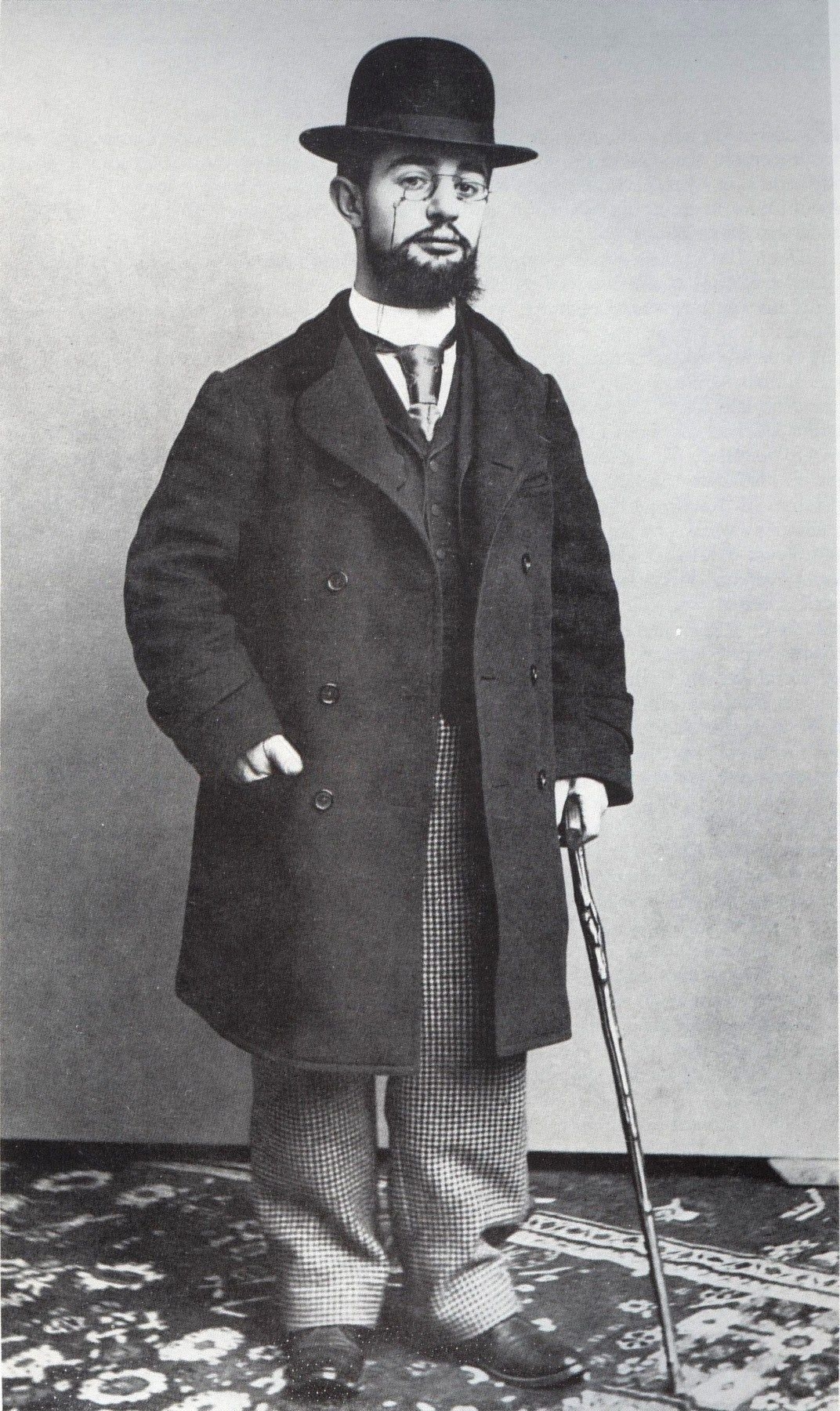
Henri de Toulouse-Lautrec
(Henri Marie Raymond de Toulouse-Lautrec-Monfa)
French painter and printmaker whose striking posters and paintings captured the decadent nightlife of Montmartre's Belle Époque.
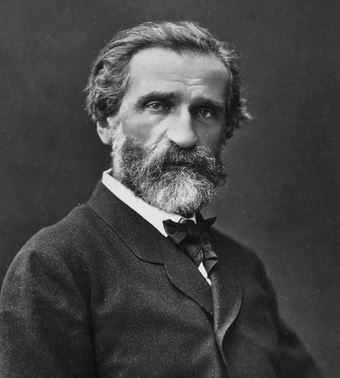
Giuseppe Fortunino Francesco Verdi
 (Giuseppe Verdi)
Supreme giant of Italian opera and national hero of the Risorgimento, whose impassioned melodies and dramatic truth in Rigoletto, Il Trovatore, La Traviata, Aida, and the Requiem captured the beating heart of humanity.
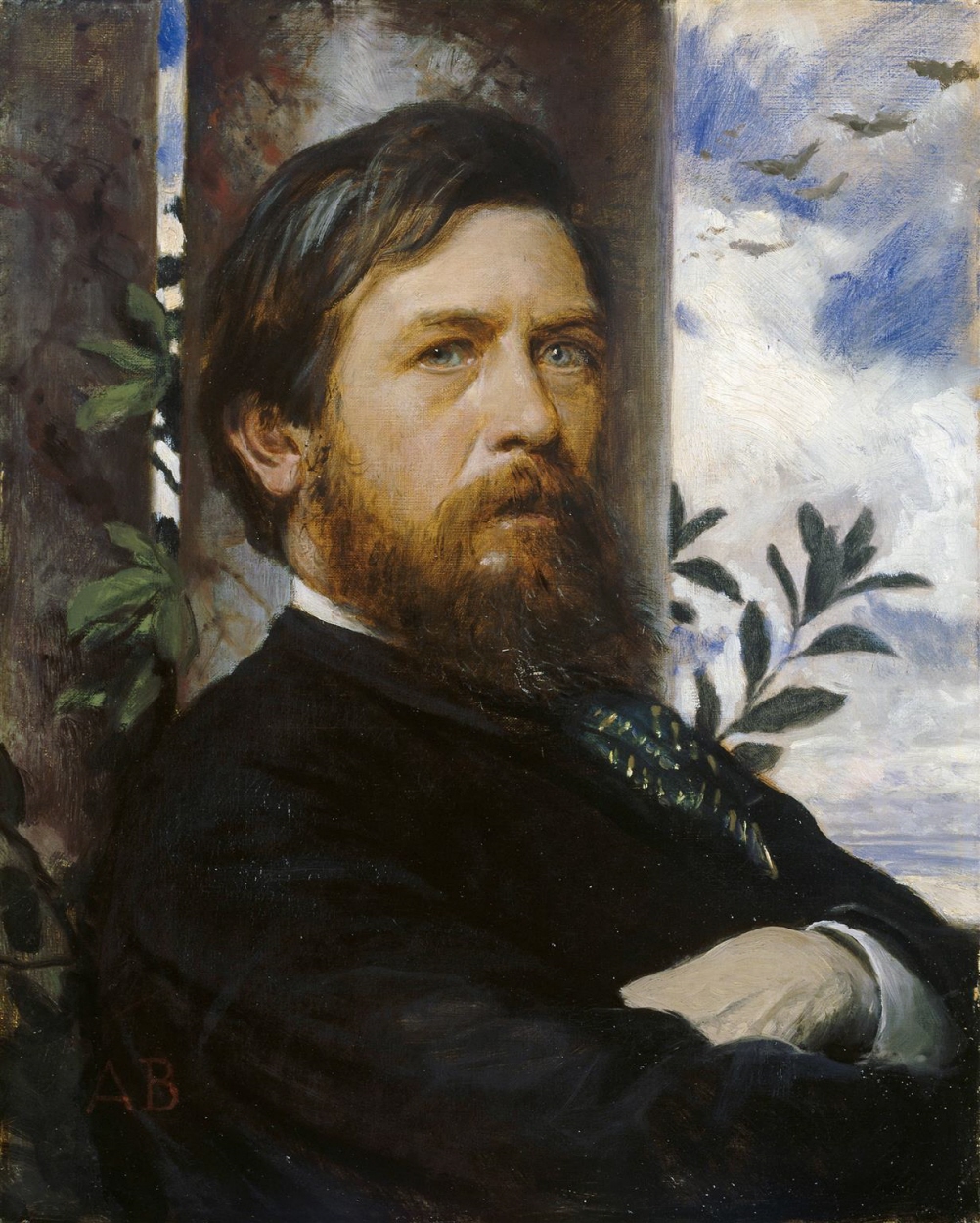
Arnold Böcklin
 (Arnold Böcklin)
Swiss Symbolist master whose haunting, mythic masterpiece 'Isle of the Dead' (Die Toteninsel)—painted in five variations—fascinated Freud, Lenin, Rachmaninoff, and Dali.
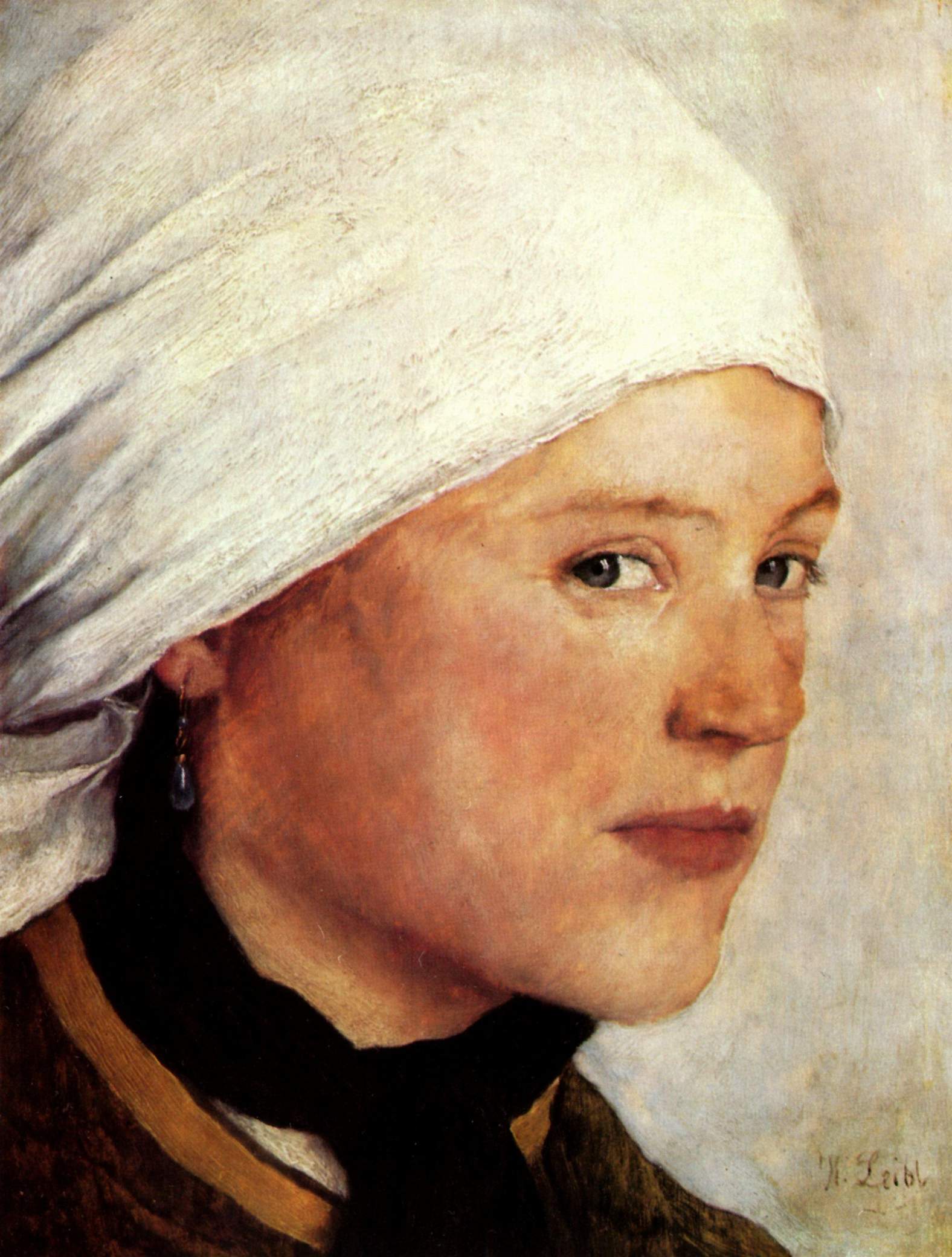
Wilhelm Maria Hubertus Leibl
 (Wilhelm Leibl)
German Realist master whose meticulous Holbeinesque brushwork and rustic village masterworks—including 'Three Women in Church'—won the admiration of Gustave Courbet in Paris.