 Italy
•
7 views
Italy
•
7 views
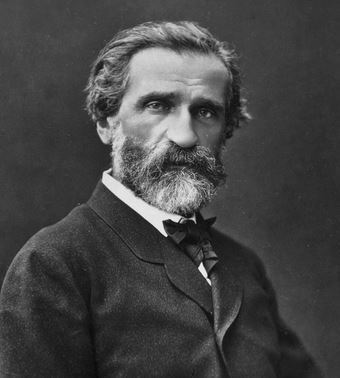
Giuseppe Fortunino Francesco Verdi

Le Roncole (Busseto, Parma), Italy
Archival Overview
Supreme giant of Italian opera and national hero of the Risorgimento, whose impassioned melodies and dramatic truth in Rigoletto, Il Trovatore, La Traviata, Aida, and the Requiem captured the beating heart of humanity.
Biographical Record
Giuseppe Verdi (1813–1901) rose from rural poverty in Busseto to become the musical voice of Italian unification. In 1842, following the tragic deaths of his wife and two young children, Verdi staged Nabucco at La Scala; its chorus of Hebrew slaves, 'Va, pensiero', became the unofficial national anthem of Italian liberty (*Viva V.E.R.D.I.*, standing for Vittorio Emanuele Re D'Italia).
Verdi transformed opera from bel canto formulas to unsparing human psychology and dramatic unity. His mid-career 'popular trilogy'—Rigoletto (1851), Il Trovatore (1853), and La Traviata (1853)—remains the most performed trio of operas in world history. In his eighties, collaborating with Arrigo Boito, he created the crowning Shakespearean triumphs Otello and Falstaff.
Key Life Milestones
Premiere of Nabucco & 'Va, pensiero' at La Scala
Staged Nabucco in Milan, whose chorus 'Va, pensiero' ignited the Italian Risorgimento national movement.
Premiere of La Traviata
Staged La Traviata at La Fenice in Venice, producing one of the most beloved and performed operas in history.
Memorial Guestbook & Tributes
0 messages recordedLeave a Respectful Tribute
Final Resting Place
Perpetual MemorialMilan, Italy