Public Figures & Cultural Luminaries
Filterable archive covering centuries of intellectual, artistic, and moral contributions to the human story.
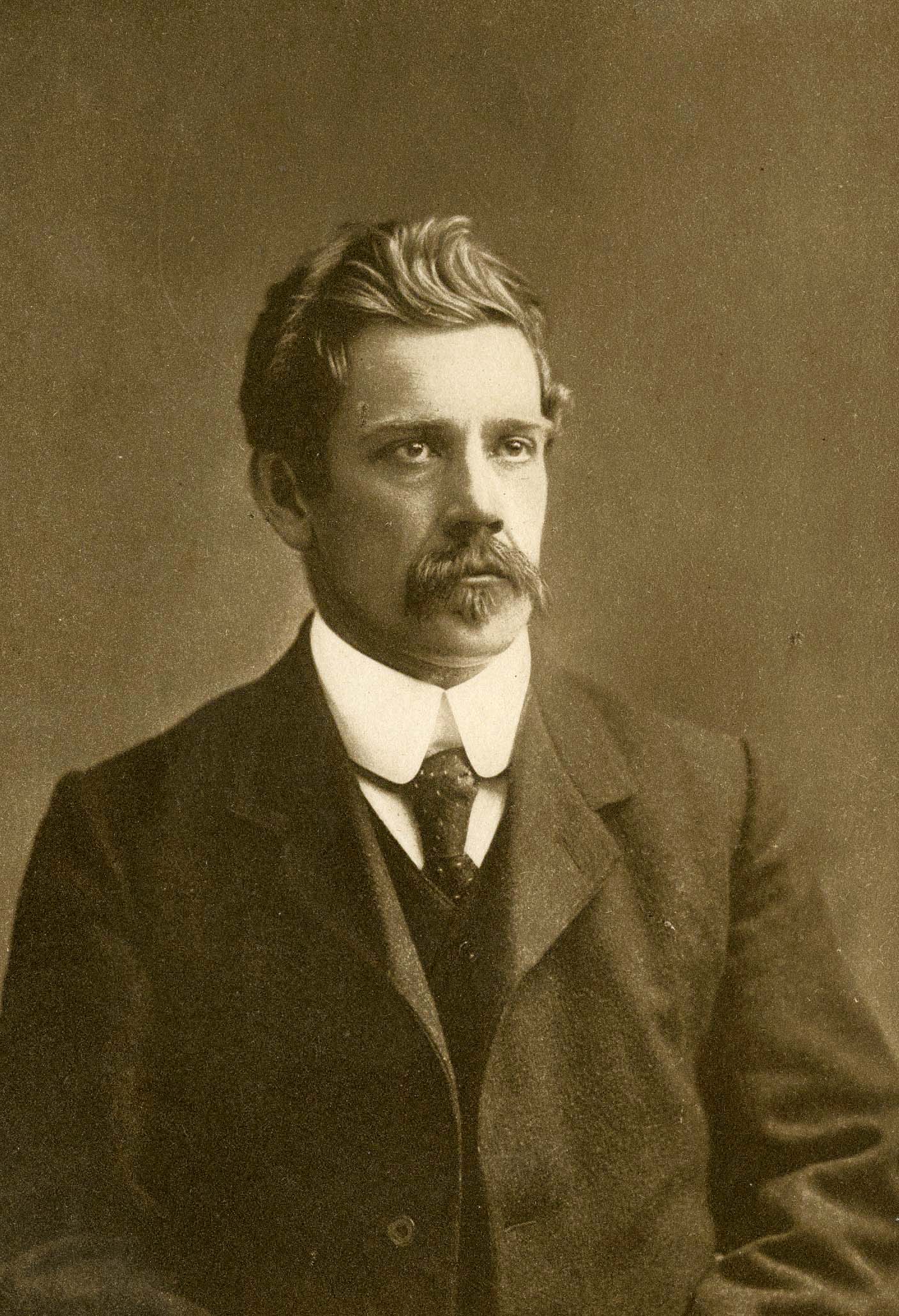
John Millington Synge
 (Edmund John Millington Synge)
Visionary Irish dramatist and co-founder of the Abbey Theatre whose The Playboy of the Western World ignited riots and captured rural Hiberno-English lyricism.
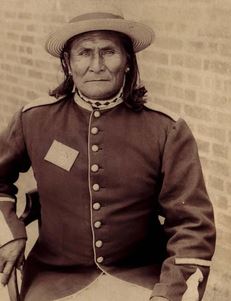
Geronimo
 (Goyaałé)
Fierce Bedonkohe Apache medicine man and military leader who led decades of guerrilla resistance against Mexican and United States armies across the desert southwest to defend traditional Apache homeland and freedom.
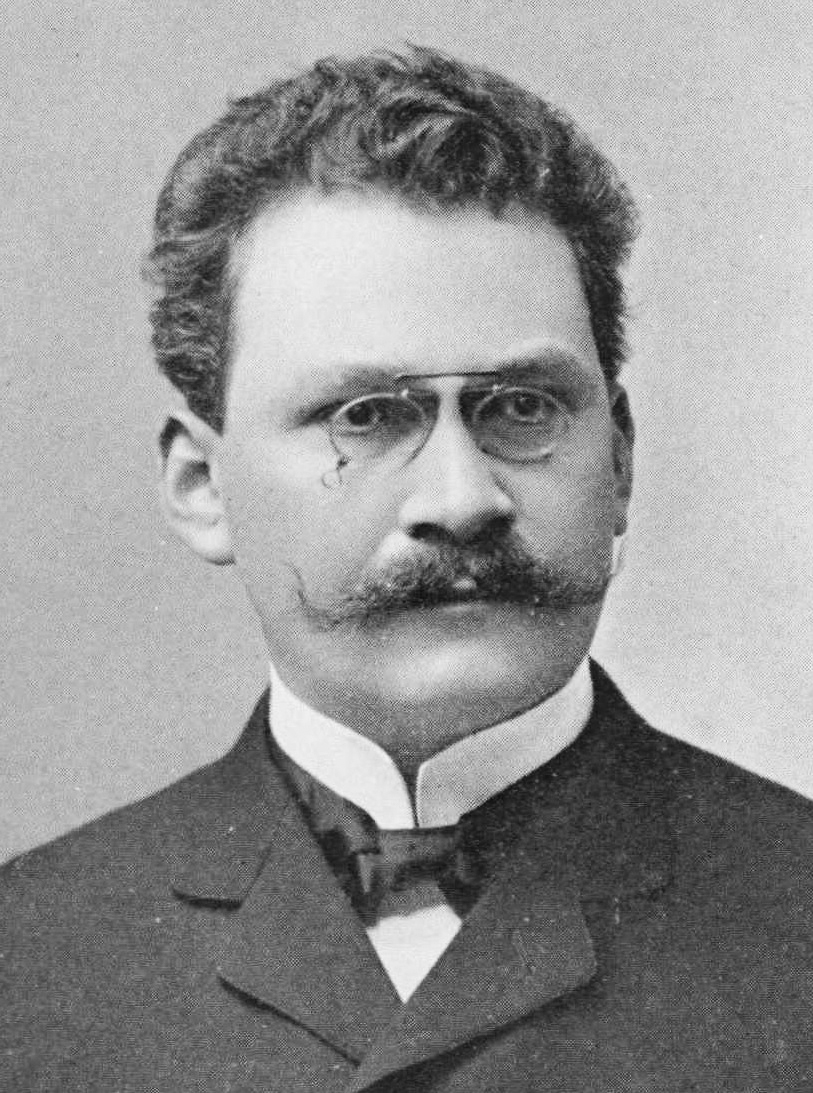
Hermann Minkowski
 (Hermann Minkowski)
German mathematician who created the geometry of numbers and developed the four-dimensional spacetime continuum (Minkowski space), providing the geometric framework for Einstein's special and general relativity.
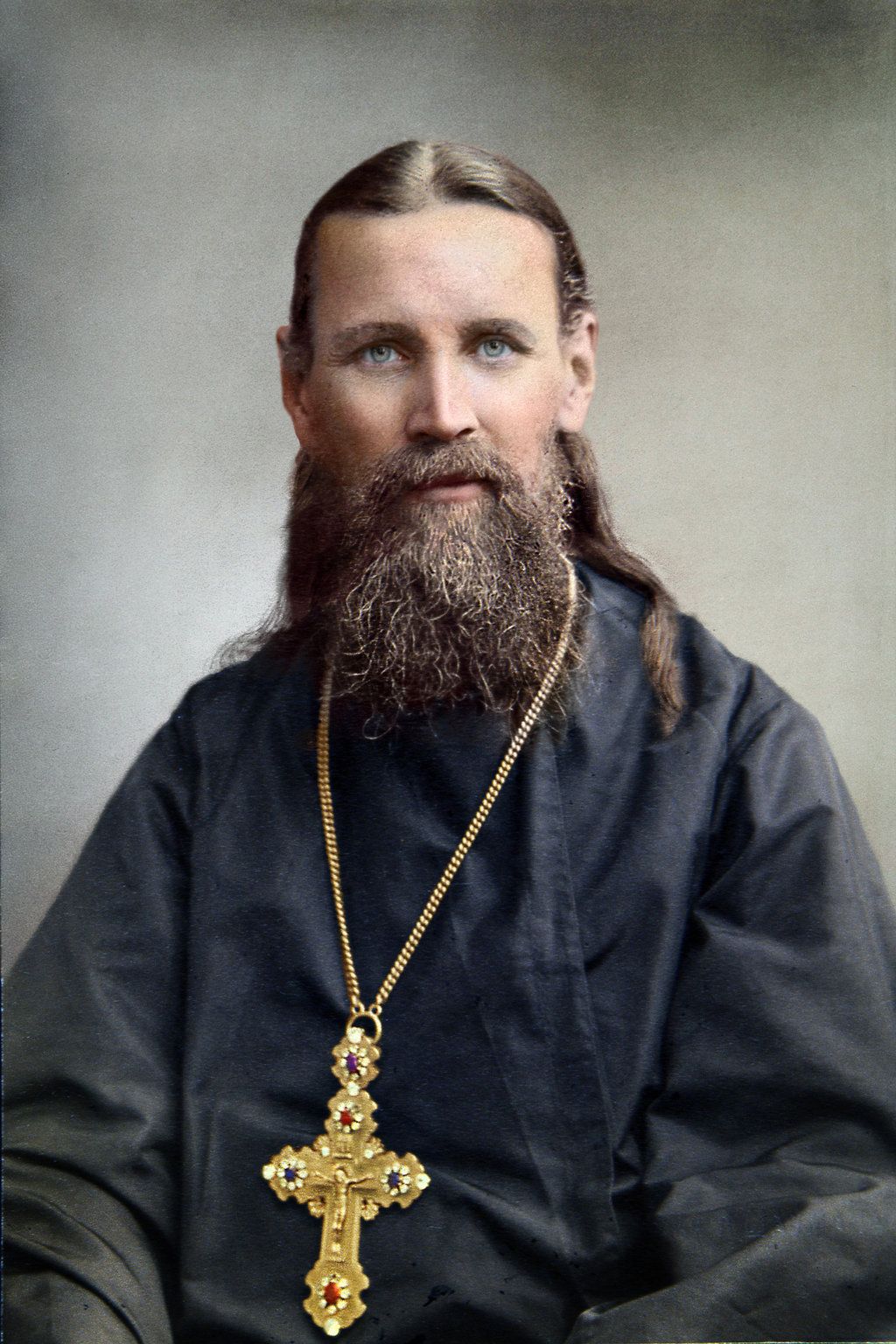
John of Kronstadt
 (Иоанн Кронштадтский)
Russian Orthodox archpriest and pastoral miracle-worker whose daily Eucharistic liturgies, profound diary 'My Life in Christ', and immense charities transformed naval Kronstadt.
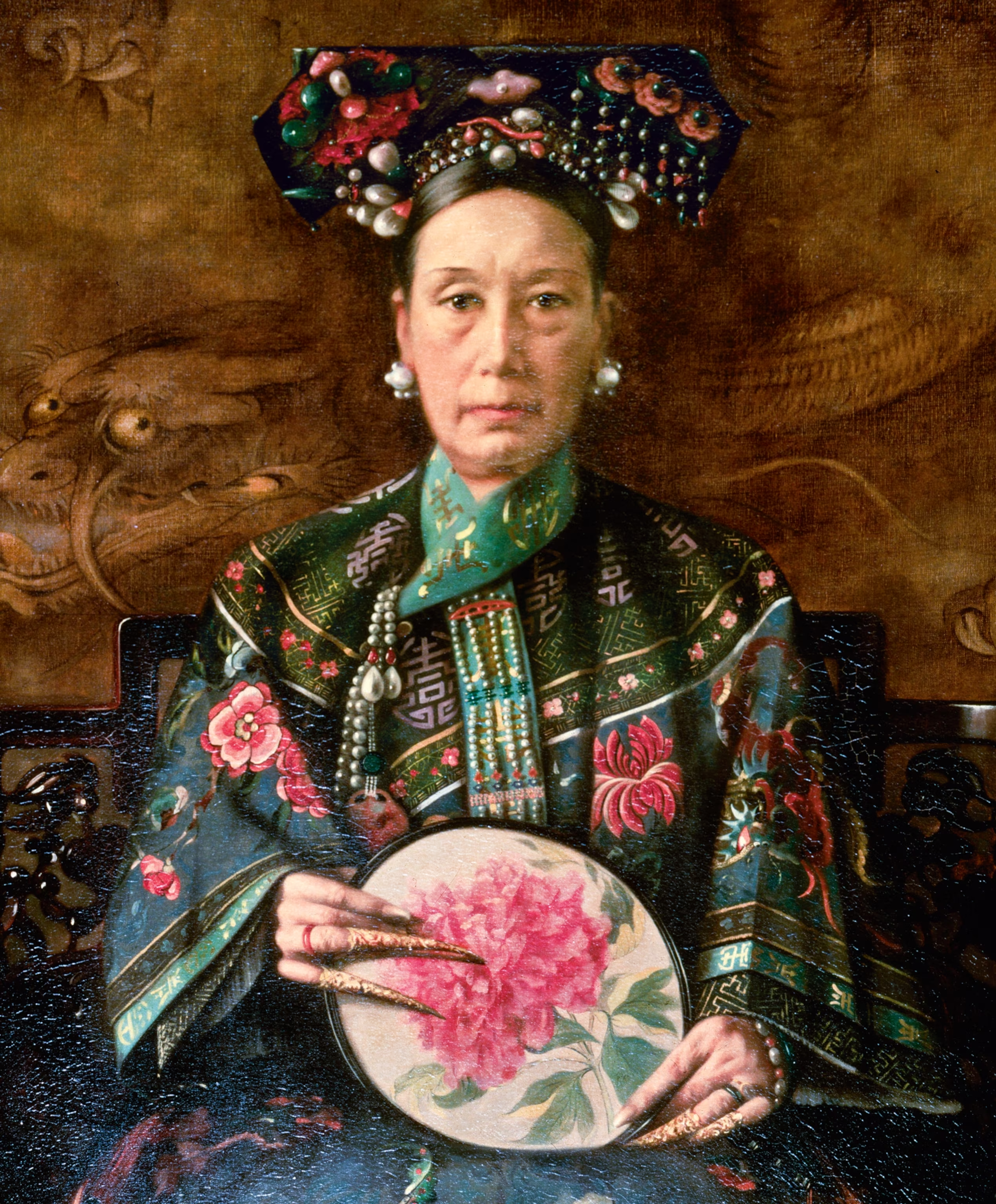
Empress Dowager Cixi
 (慈禧太后)
Formidable Manchu noblewoman who effectively controlled the late Qing imperial government for 47 years through court regencies, modernizing reforms, and political crises.
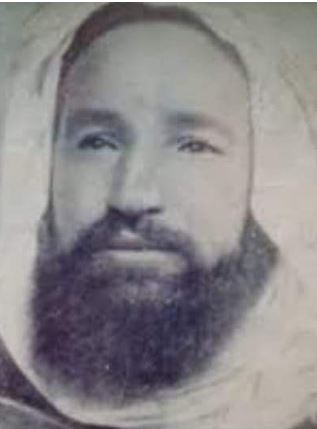
Cheikh Bouamama (الشيخ بوعمامة)
Algerian Sufi leader of the Ouled Sidi Cheikh who waged a formidable quarter-century guerrilla resistance (1881–1908) across the High Plateaus and Saharan Atlas against French colonial armies.
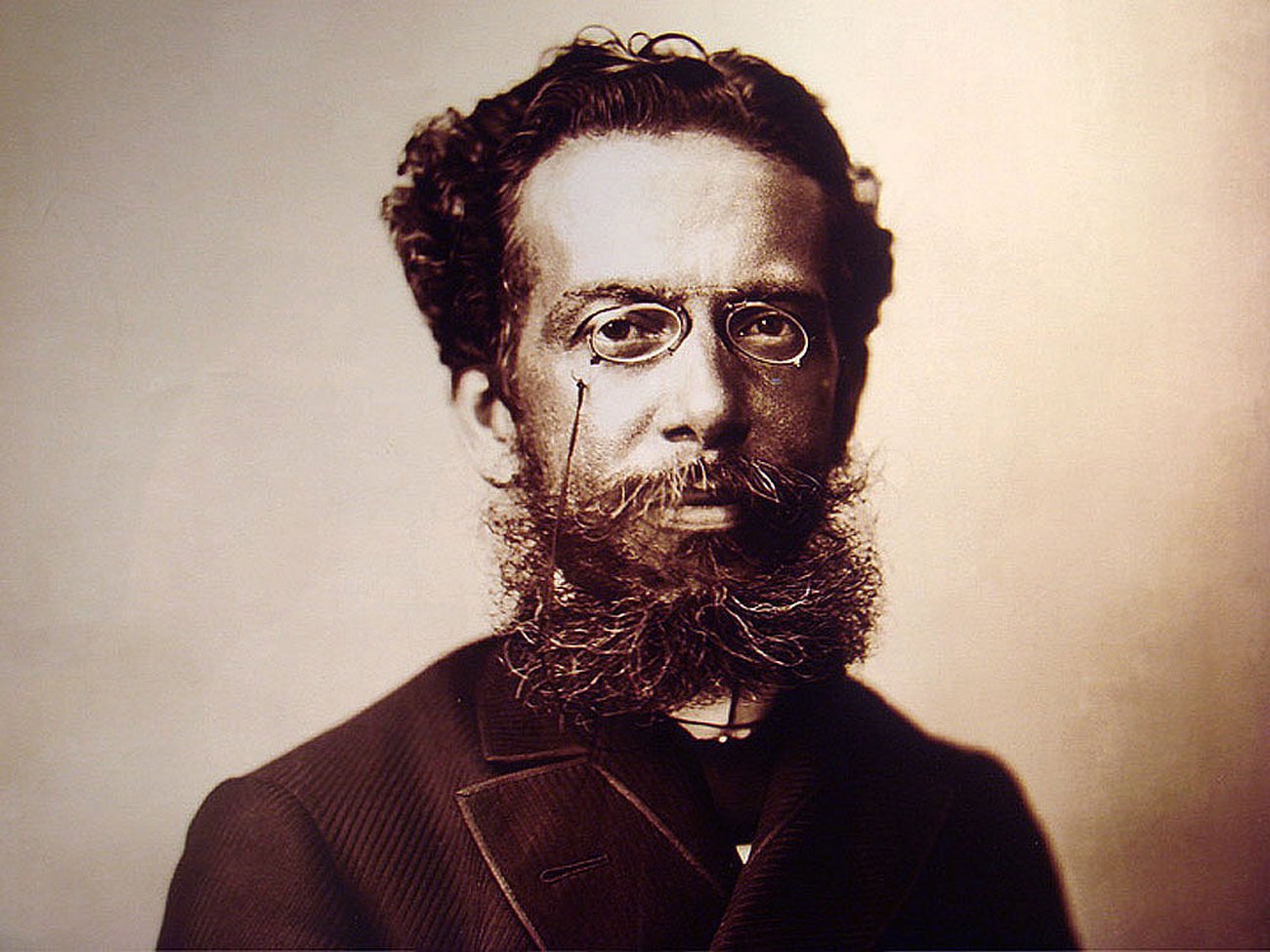
Machado de Assis
 (Joaquim Maria Machado de Assis)
Patriarch of Brazilian literature and founding President of the Brazilian Academy of Letters, famed for The Posthumous Memoirs of Brás Cubas and Dom Casmurro.
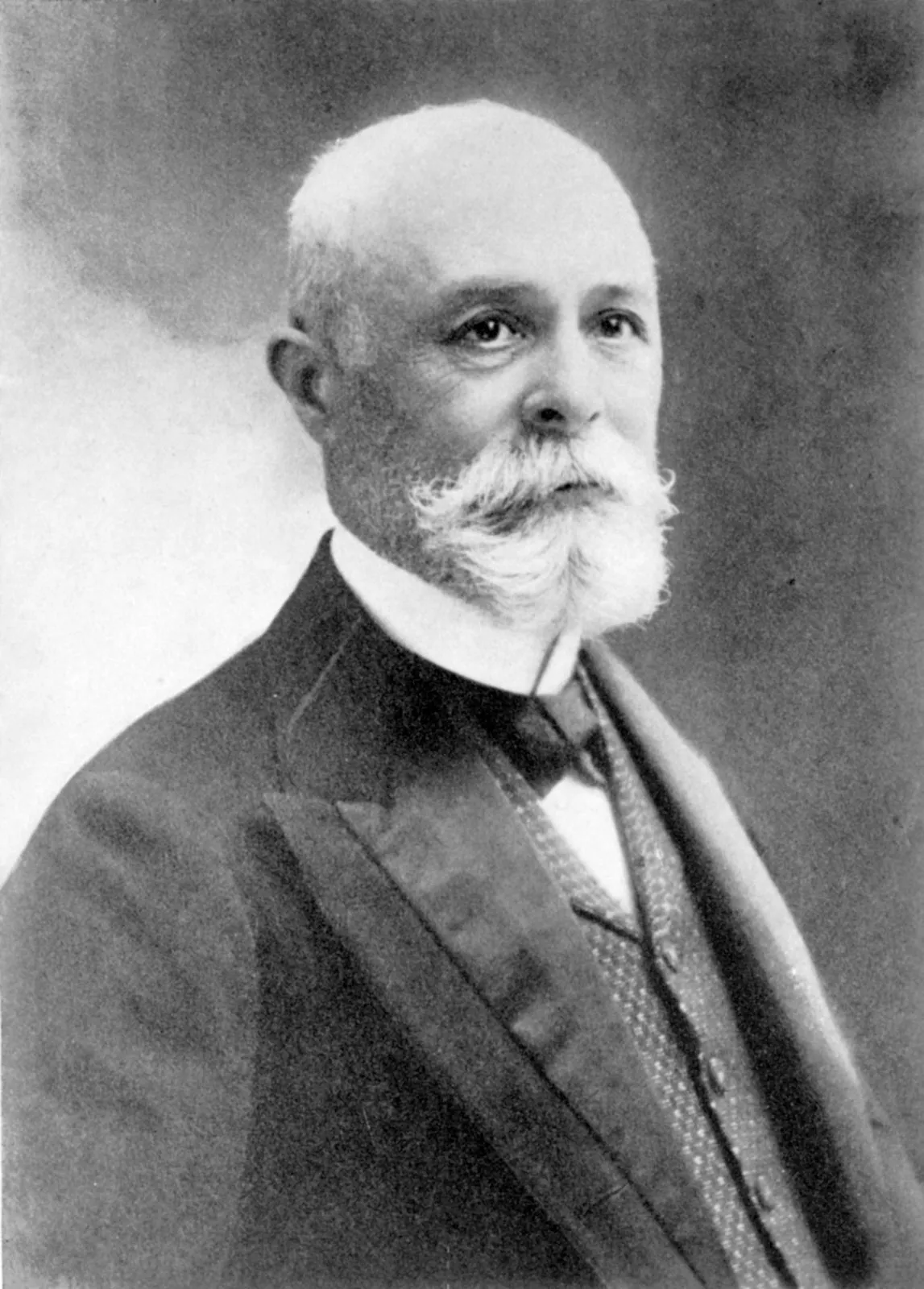
Henri Becquerel
 (Antoine Henri Becquerel)
French physicist who discovered spontaneous radioactivity, earning the 1903 Nobel Prize with the Curies.
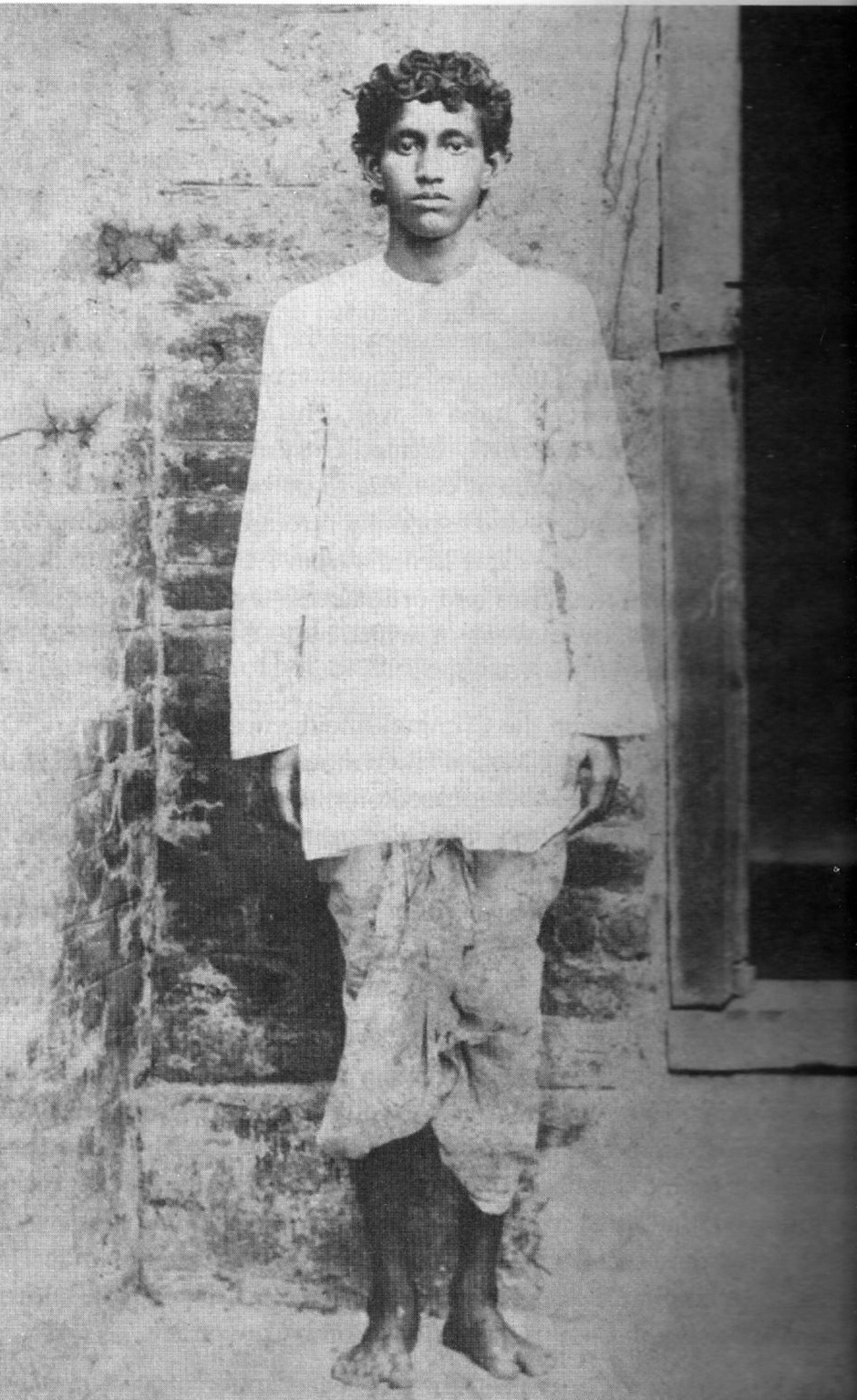
Khudiram Bose
 (ক্ষুদিরাম বসু)
One of the youngest Indian revolutionary martyrs, executed at age 18 for his role in the Muzaffarpur conspiracy against British colonial magistrate Kingsford.
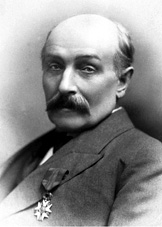
Sir William Randal Cremer
 (William Randal Cremer)
Sir William Randal Cremer was a British carpenter, trade union leader, and Member of Parliament who rose from childhood poverty to become the foremost working-class pioneer of international arbitration. He founded the International Arbitration League, co-founded the Inter-Parliamentary Union with Frédéric Passy, and was awarded the 1903 Nobel Peace Prize, donating his entire prize money to the arbitration movement.
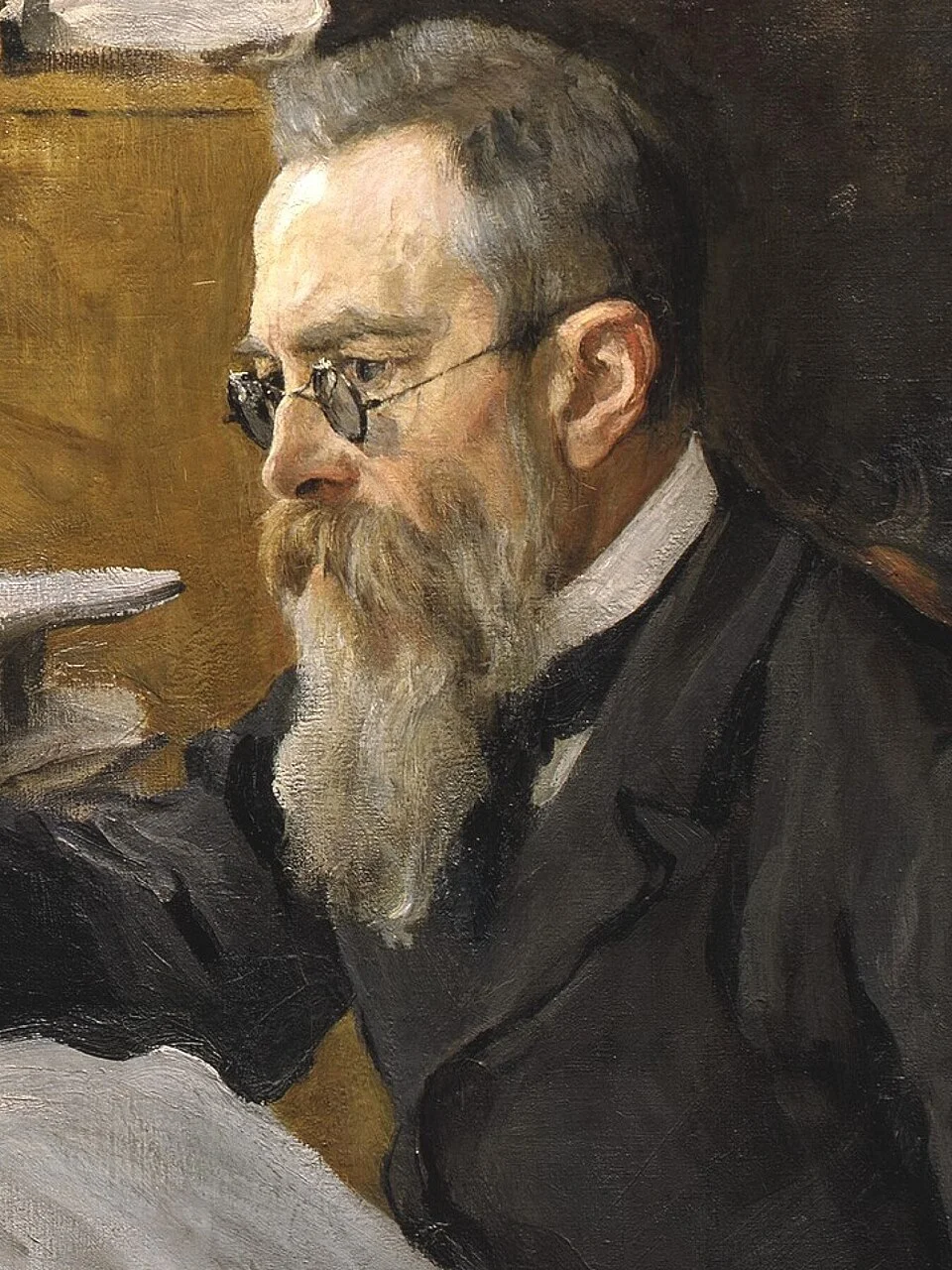
Nikolai Rimsky-Korsakov
(Николай Андреевич Римский-Корсаков)
Russian master of orchestral color and folklore, renowned for Scheherazade, Capriccio Espagnol, and Flight of the Bumblebee.
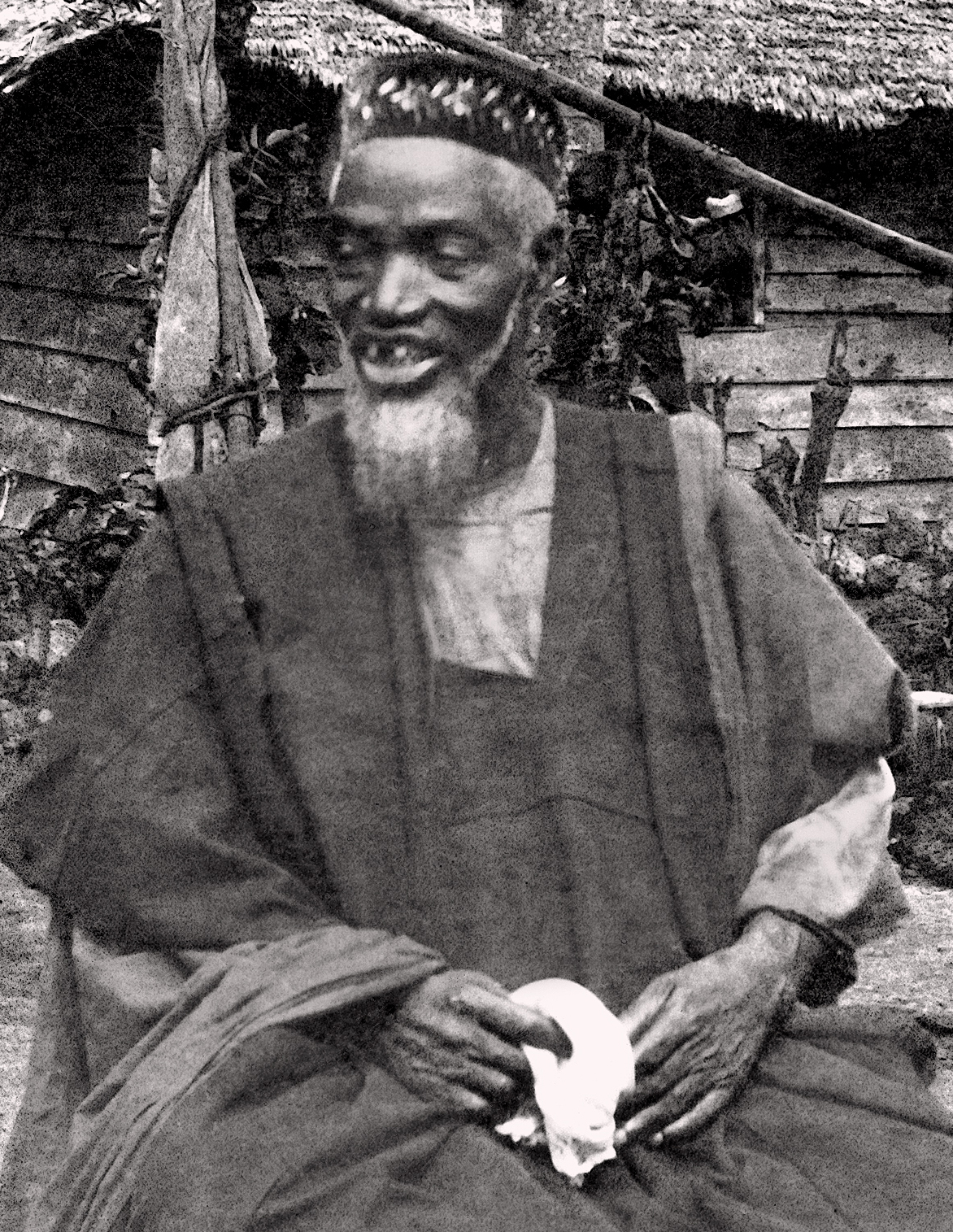
Bai Bureh
 (Bai Bureh (Kebalai))
Sierra Leonean ruler and military strategist who led the historic 1898 Hut Tax War against British imperial taxation, defeating British expeditionary forces for ten months through masterclass guerrilla ambushes and trench networks.
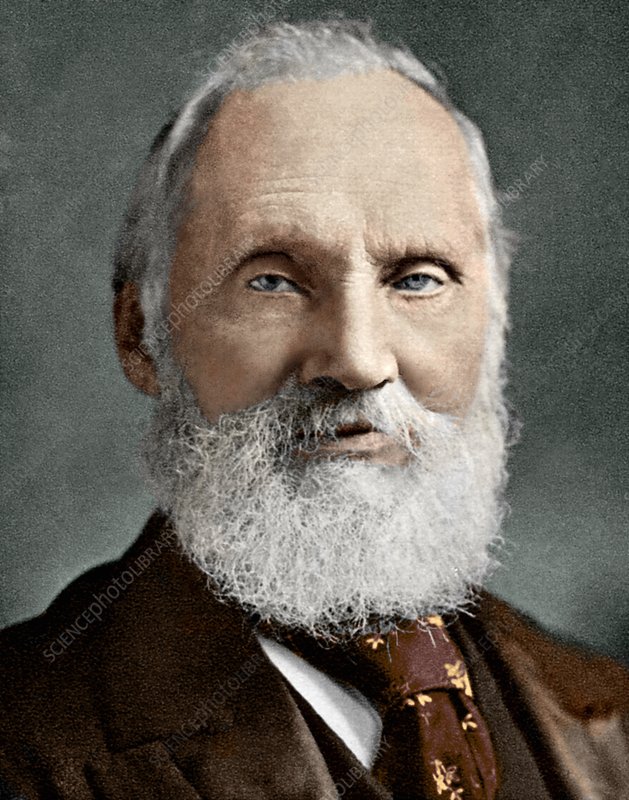
Lord Kelvin
(William Thomson, 1st Baron Kelvin)
Titan of Victorian science who established the absolute thermodynamic temperature scale and engineered the transatlantic cable.
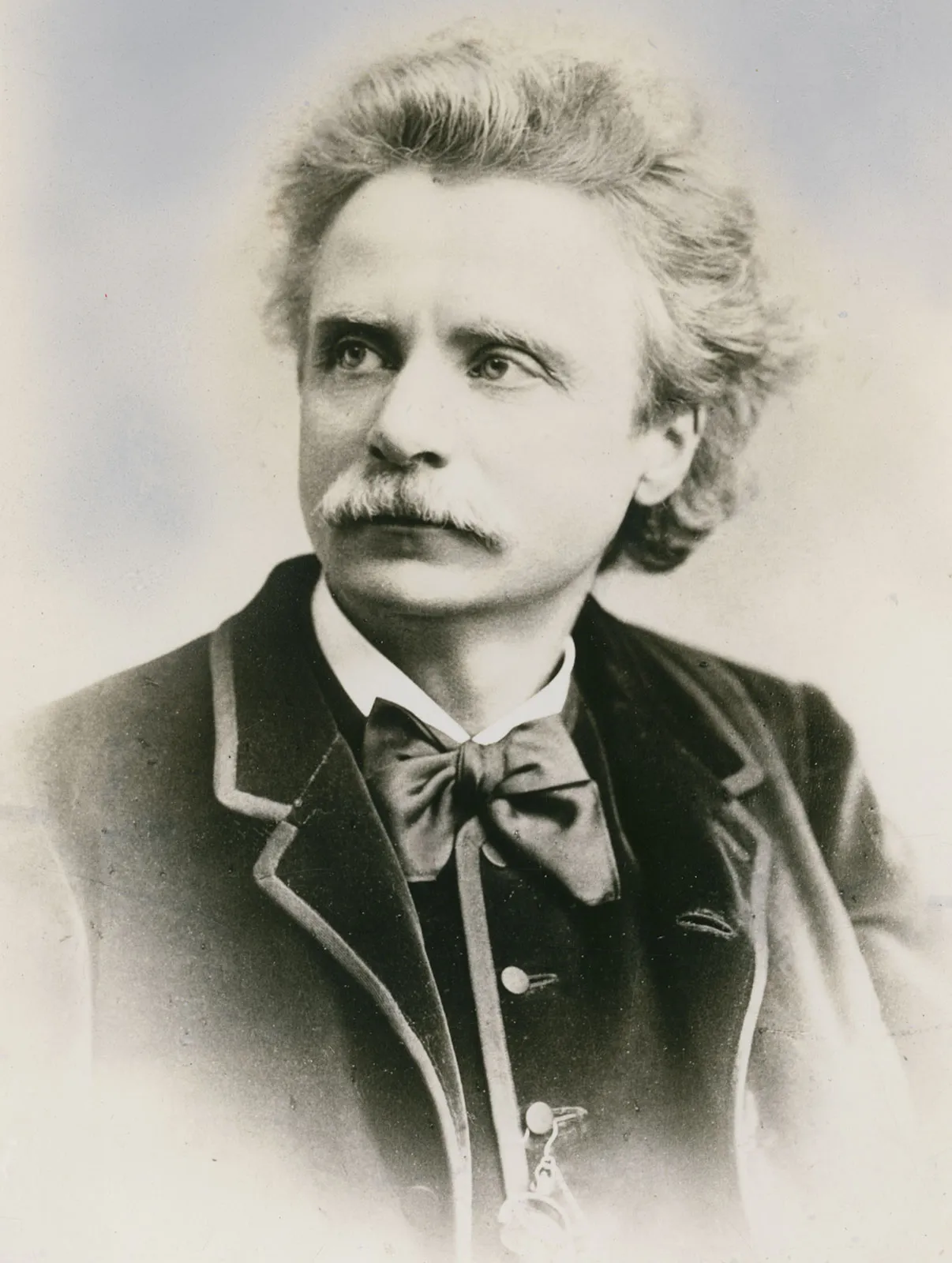
Edvard Grieg
 (Edvard Hagerup Grieg)
Norway's supreme nationalist composer, world-celebrated for Peer Gynt, the Piano Concerto in A minor, and Lyric Pieces.
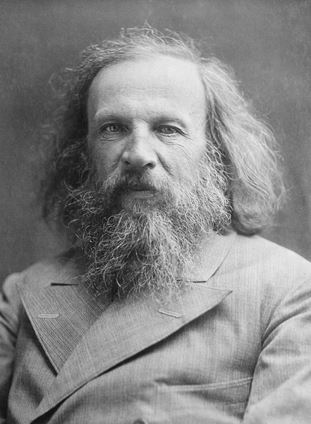
Dmitri Ivanovich Mendeleev
(Дмитрий Иванович Менделеев)
Russian chemist who formulated the Periodic Law and organized known chemical elements into the Periodic Table, predicting unknown elements and their atomic properties with astonishing precision.
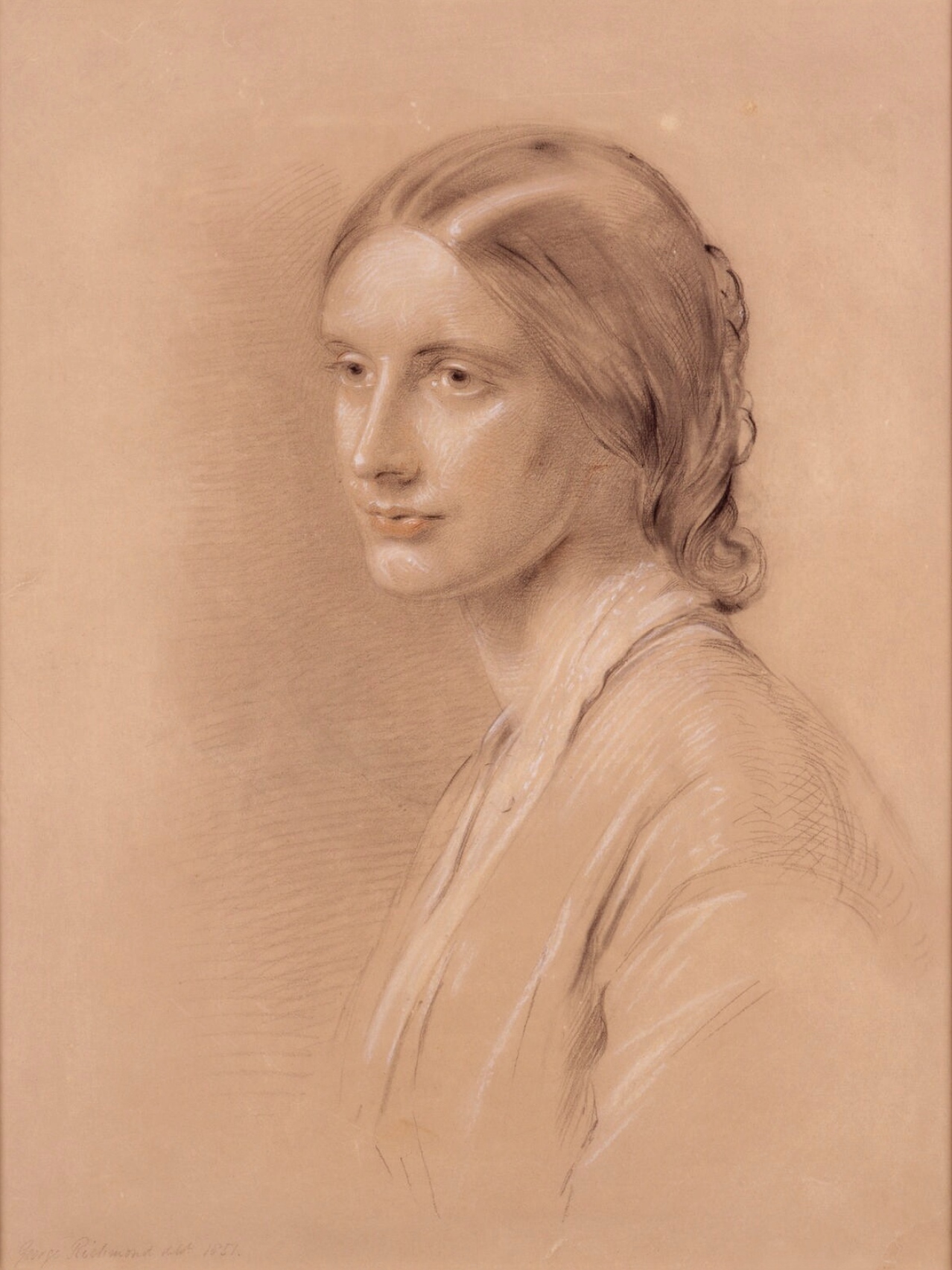
Josephine Butler
(Josephine Elizabeth Butler)
Heroic Victorian feminist and human rights campaigner who led the successful international campaign to repeal the Contagious Diseases Acts and exposed the international trafficking and child prostitution of young girls.
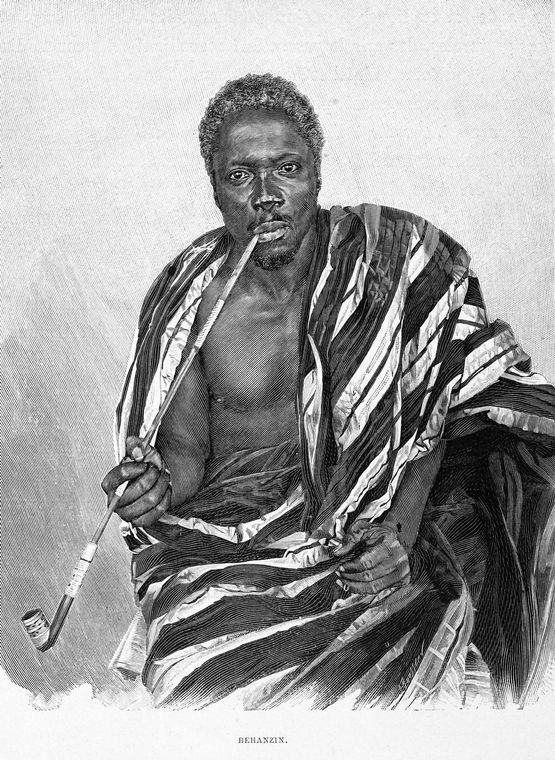
King Behanzin
 (Gbehanzin (Gbêxan-zîn))
Eleventh King of the Kingdom of Dahomey, celebrated as the 'Shark King' (Kondo), who commanded his legendary 4,000-strong all-female warrior battalions (the Dahomey Amazons / Mino) in fierce defense against French colonial conquest.
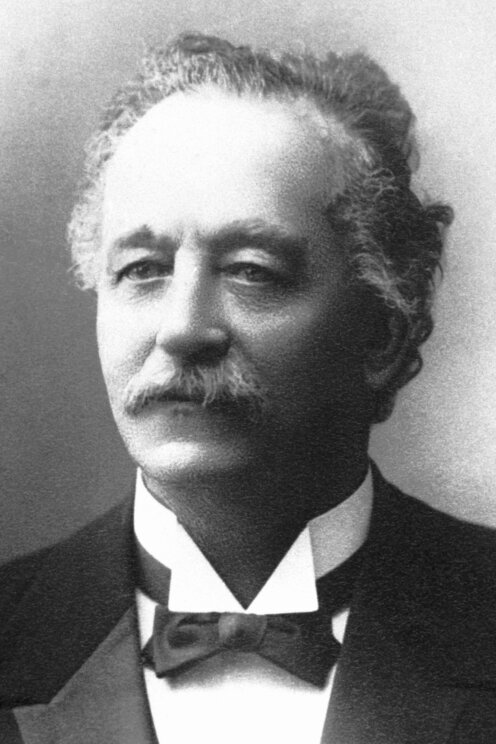
Élie Ducommun
 (Élie Ducommun)
Élie Ducommun was a Swiss journalist, politician, and peace activist who served as the first honorary director of the International Peace Bureau in Bern from 1891 until his death. For his tireless, unpaid leadership coordinating peace societies worldwide, he was awarded the 1902 Nobel Peace Prize jointly with Charles Albert Gobat.