Public Figures & Cultural Luminaries
Filterable archive covering centuries of intellectual, artistic, and moral contributions to the human story.
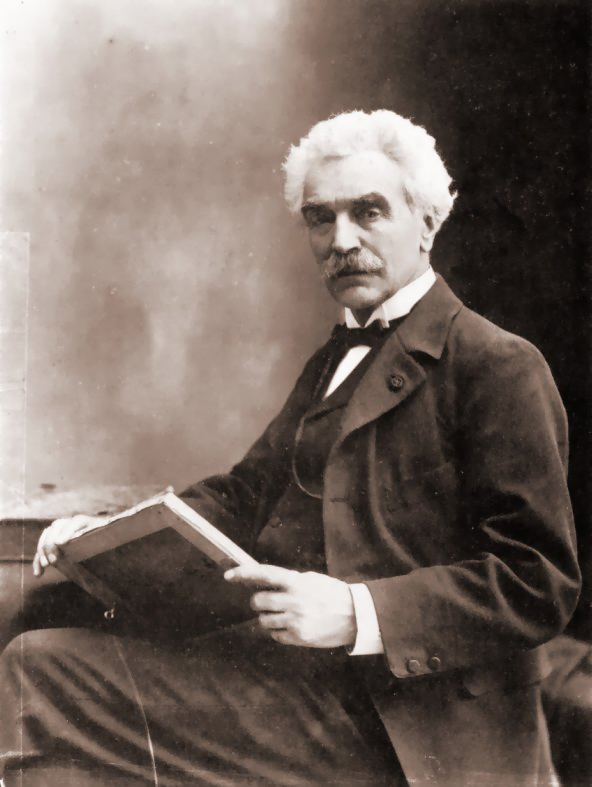
Jean-Léon Gérôme
 (Jean-Léon Gérôme)
Titan of French Academic painting and sculpture whose hyper-realistic historical, gladiator, and Orientalist canvases—such as 'Pollice Verso'—shaped modern historical imagery.
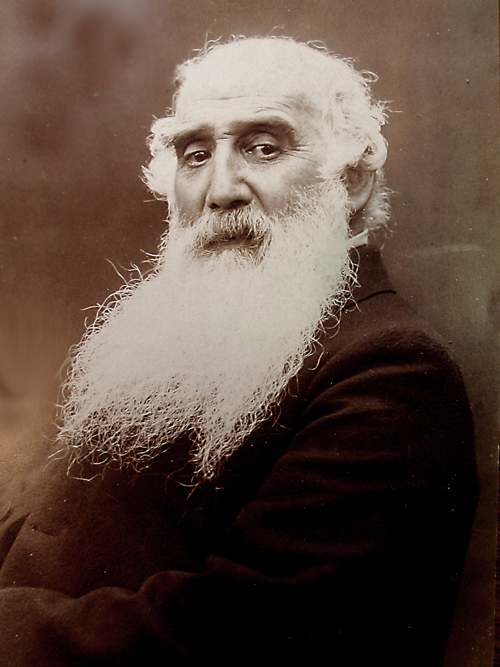
Camille Pissarro
 (Jacob Abraham Camille Pissarro)
Danish-French Impressionist and Neo-Impressionist painter, revered as the patriarchal mentor of Cézanne, Gauguin, and Seurat.
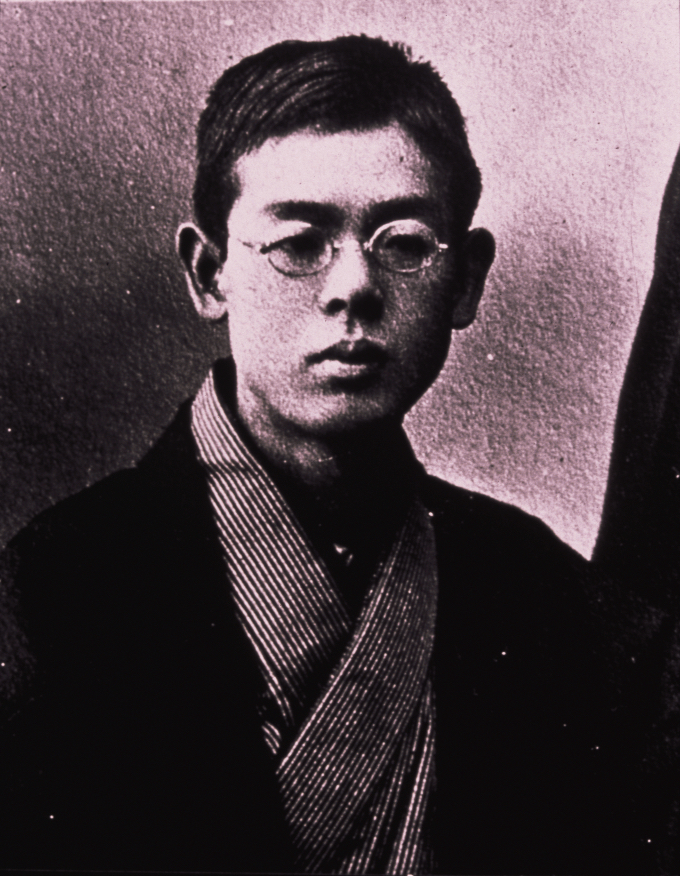
Rentaro Taki
 (滝 廉太郎)
Pioneering Meiji-era Japanese composer and pianist who wrote the beloved song Kojo no Tsuki (The Moon over the Ruined Castle), fusing Western classical harmony with Japanese pentatonic lyricism.
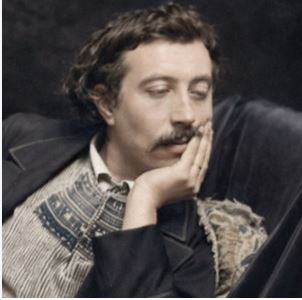
Eugène Henri Paul Gauguin
(Paul Gauguin)
French Post-Impressionist painter who abandoned bourgeois civilization to pioneer Synthetism and Symbolism, using flat blocks of pure non-naturalistic color and mythic Tahitian imagery in Where Do We Come From? What Are We? Where Are We Going?
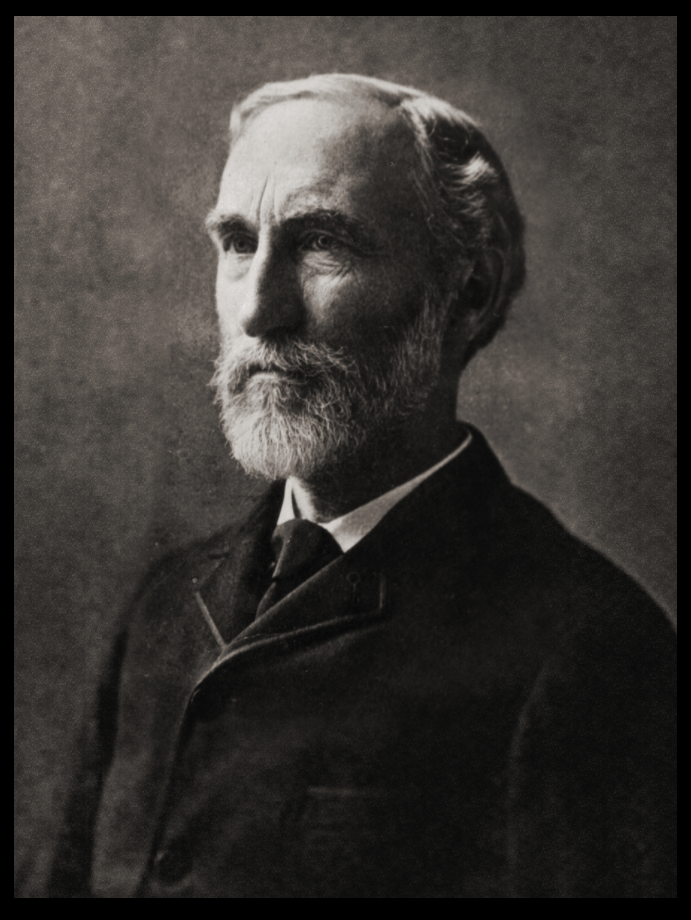
J. Willard Gibbs
 (Josiah Willard Gibbs)
Foundational American mathematical physicist who created modern chemical thermodynamics and vector analysis.
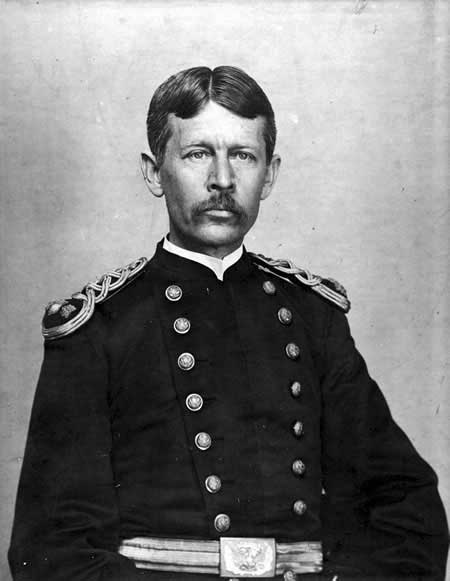
Walter Reed
(Walter Reed)
Médecin militaire américain qui dirigea la commission cubaine démontrant de manière irréfutable que la fièvre jaune est transmise par le moustique Aedes aegypti.
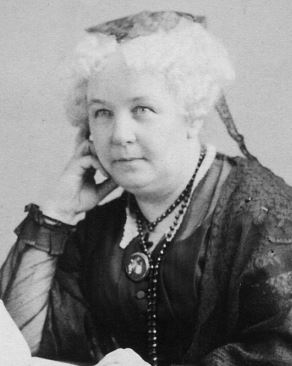
Elizabeth Cady Stanton
(Elizabeth Cady)
American suffragist, social activist, and abolitionist who organized the 1848 Seneca Falls Convention and authored the Declaration of Sentiments, launching the organized women's rights movement in the United States.
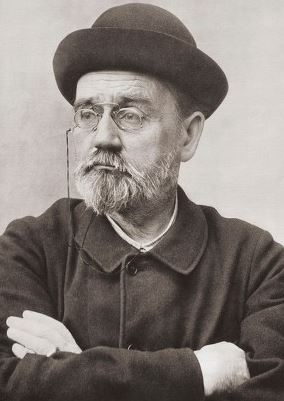
Émile Édouard Charles Antoine Zola
(Émile Zola)
Preeminent figure of literary Naturalism whose 20-volume Rougon-Macquart cycle (Germinal, L'Assommoir) exposed working-class struggles, and whose heroic 1898 front-page letter J'Accuse...! saved Captain Alfred Dreyfus and vindicated the French Republic.
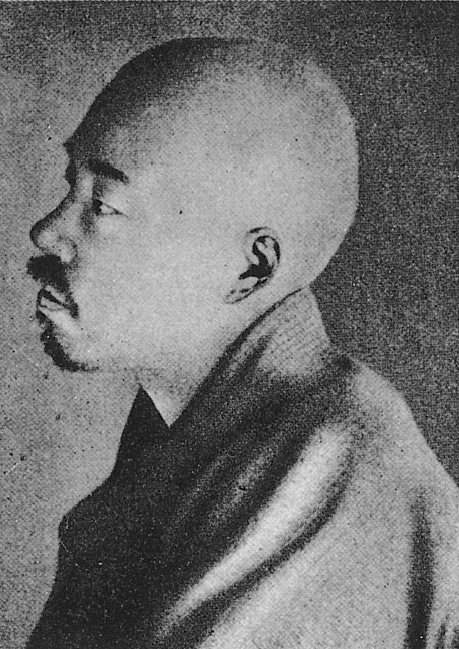
Masaoka Shiki
(正岡子規 (Masaoka Noboru))
Meiji-era literary reformer and poet (1867–1902) who revitalized traditional Japanese poetry, coined the modern terms 'haiku' and 'tanka', and pioneered realism (shasei, 'sketching from life') in modern verse.
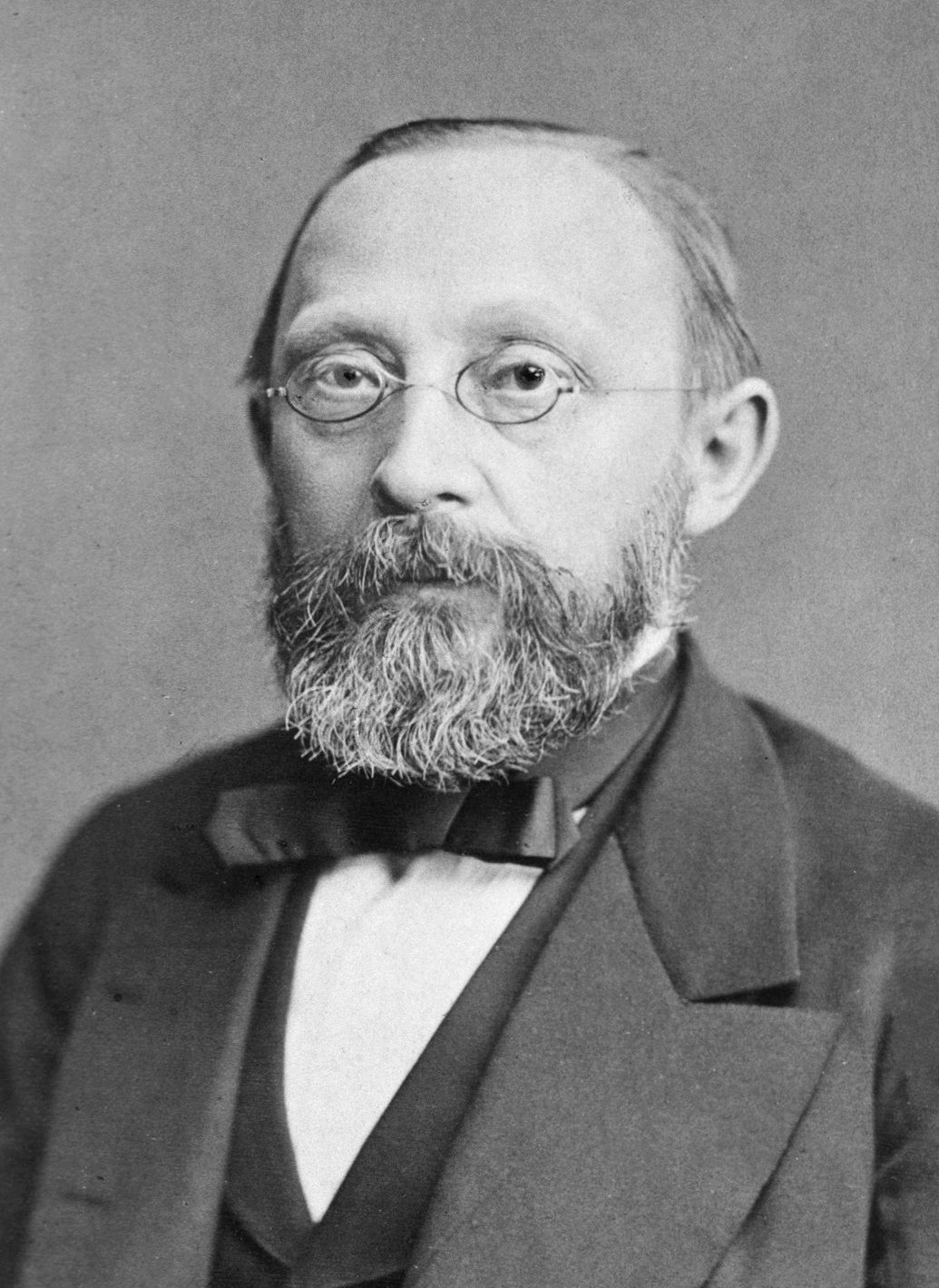
Rudolf Virchow
 (Rudolf Ludwig Carl Virchow)
German physician acclaimed as the 'Father of Modern Pathology', who formulated the immortal biological axiom 'Omnis cellula e cellula' (all cells arise from pre-existing cells), discovered leukemia and thrombosis, and pioneered social medicine.
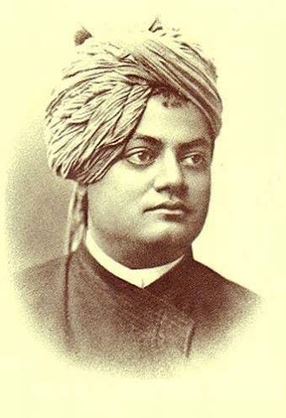
Narendranath Datta
 (স্বামী বিবেকানন্দ)
Chief disciple of Ramakrishna who introduced Vedanta and Yoga to the Western world at the 1893 Chicago Parliament of Religions and founded the Ramakrishna Mission.
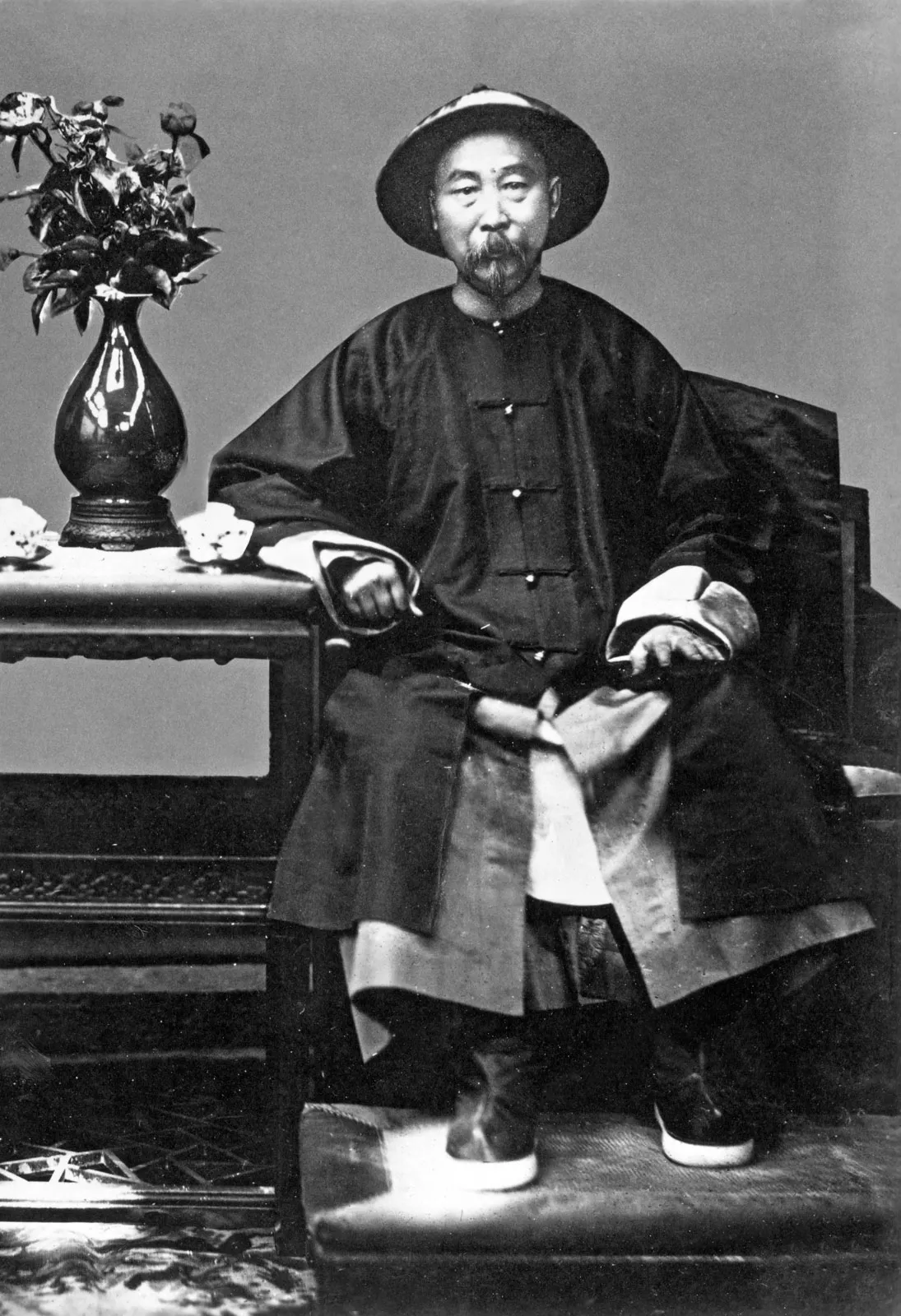
Li Hongzhang
 (李鴻章)
(李鴻章)
Preeminent Qing dynasty statesman, diplomat, and leader of the Self-Strengthening Movement who modernized Chinese industry and navy, negotiating with the world powers.
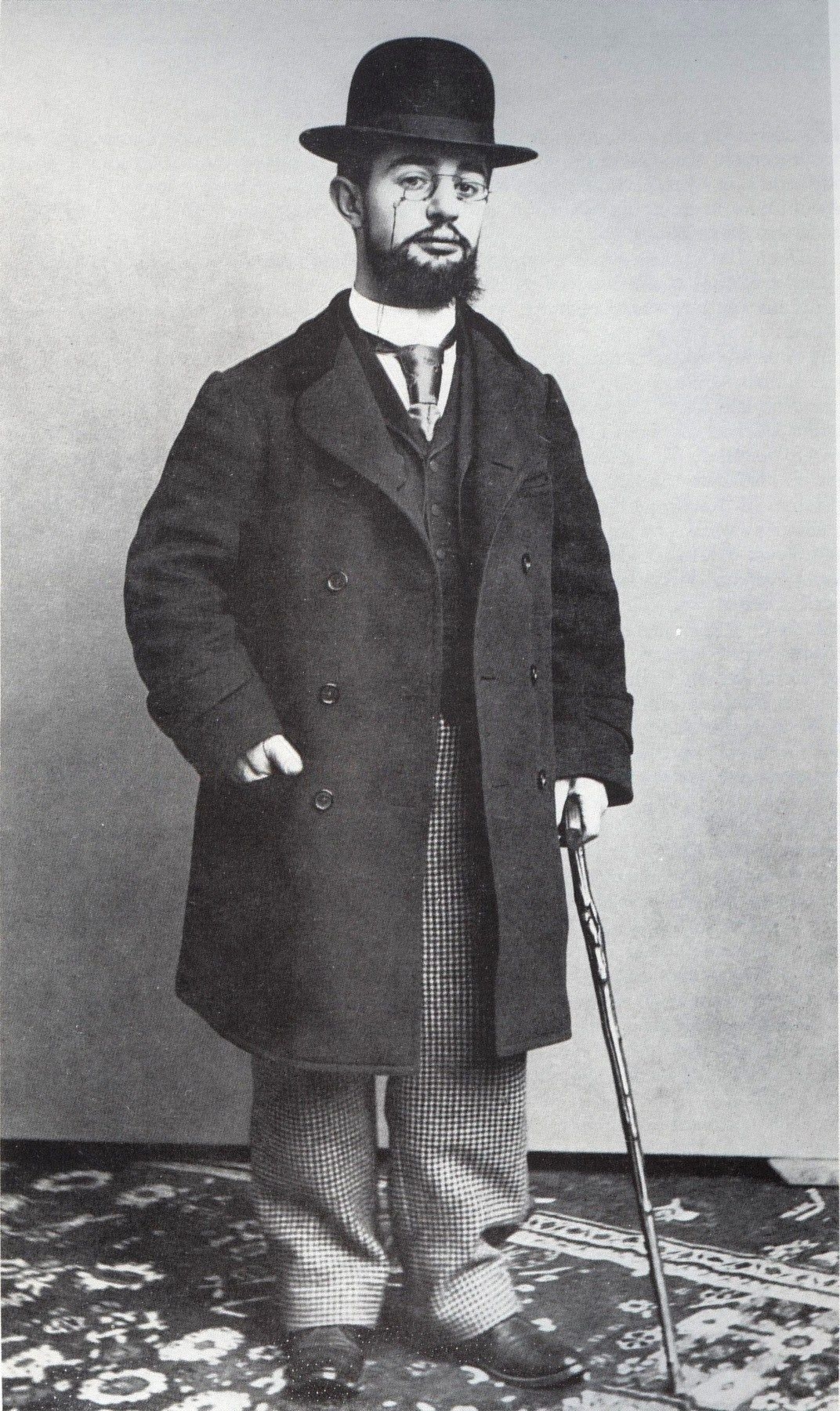
Henri de Toulouse-Lautrec
(Henri Marie Raymond de Toulouse-Lautrec-Monfa)
French painter and printmaker whose striking posters and paintings captured the decadent nightlife of Montmartre's Belle Époque.
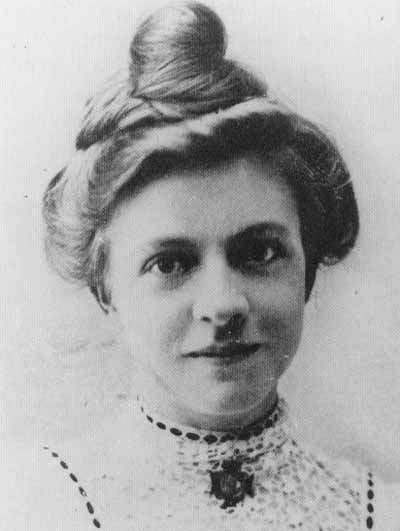
Clara Maass
(Clara Louise Maass)
Dedicated American contract nurse who gave her life in Cuba volunteering as a human subject in experiments proving mosquitoes transmit yellow fever.
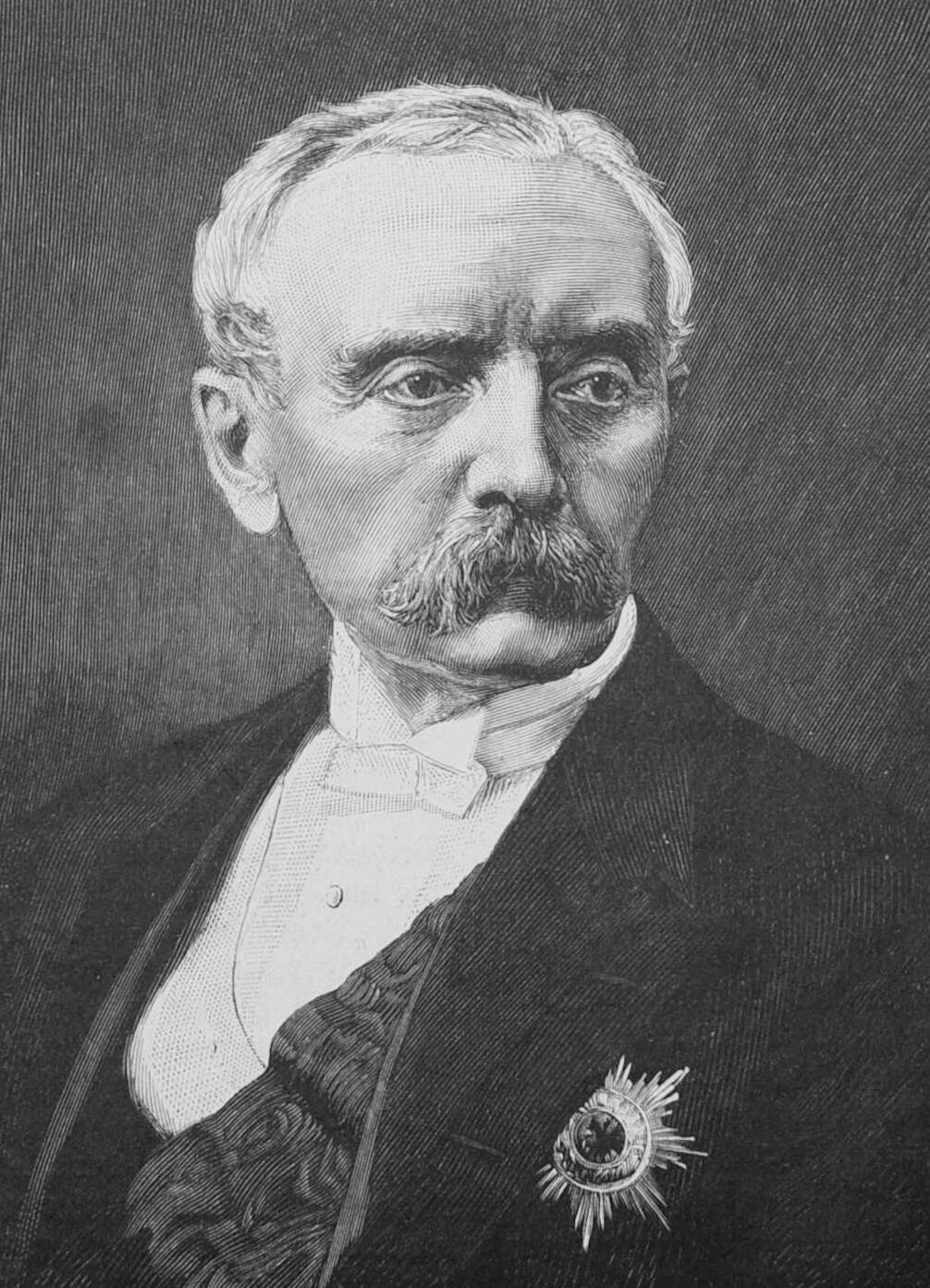
Chlodwig, Prince of Hohenlohe-Schillingsfürst
 (Chlodwig Carl Viktor, Fürst zu Hohenlohe-Schillingsfürst)
German Imperial Chancellor and Bavarian Prime Minister whose statesmanship united southern Germany with the German Empire and codified German Civil Law (BGB).
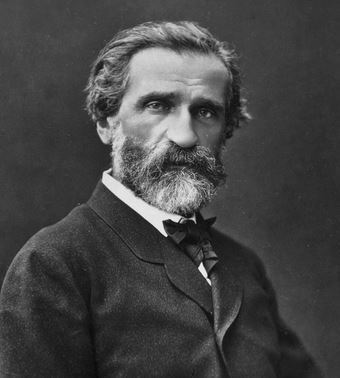
Giuseppe Fortunino Francesco Verdi
 (Giuseppe Verdi)
Supreme giant of Italian opera and national hero of the Risorgimento, whose impassioned melodies and dramatic truth in Rigoletto, Il Trovatore, La Traviata, Aida, and the Requiem captured the beating heart of humanity.
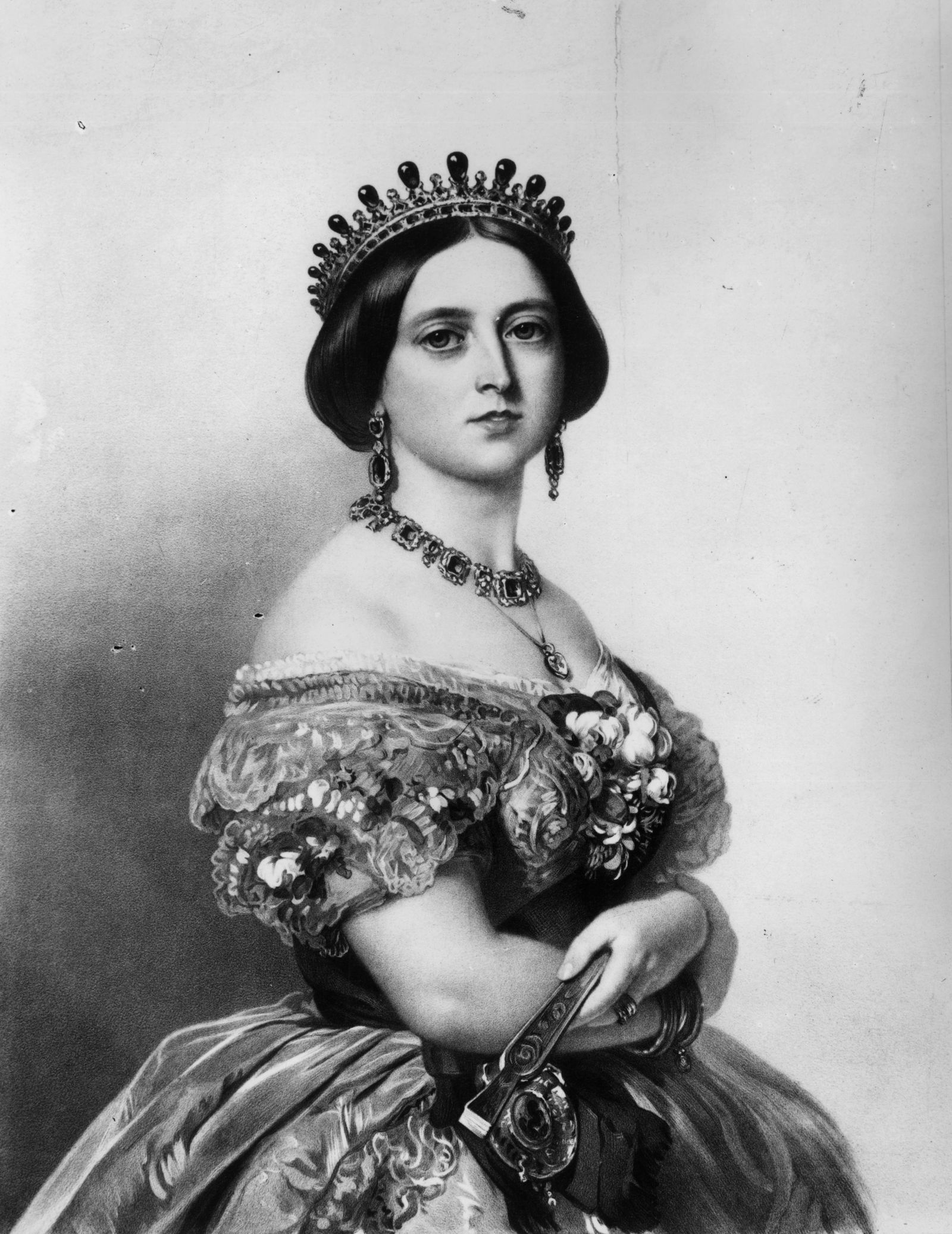
Queen Victoria
 (Alexandrina Victoria)
Monarch of the United Kingdom whose 63-year Victorian era defined the zenith of the British Empire, Industrial Revolution, and Pax Britannica.
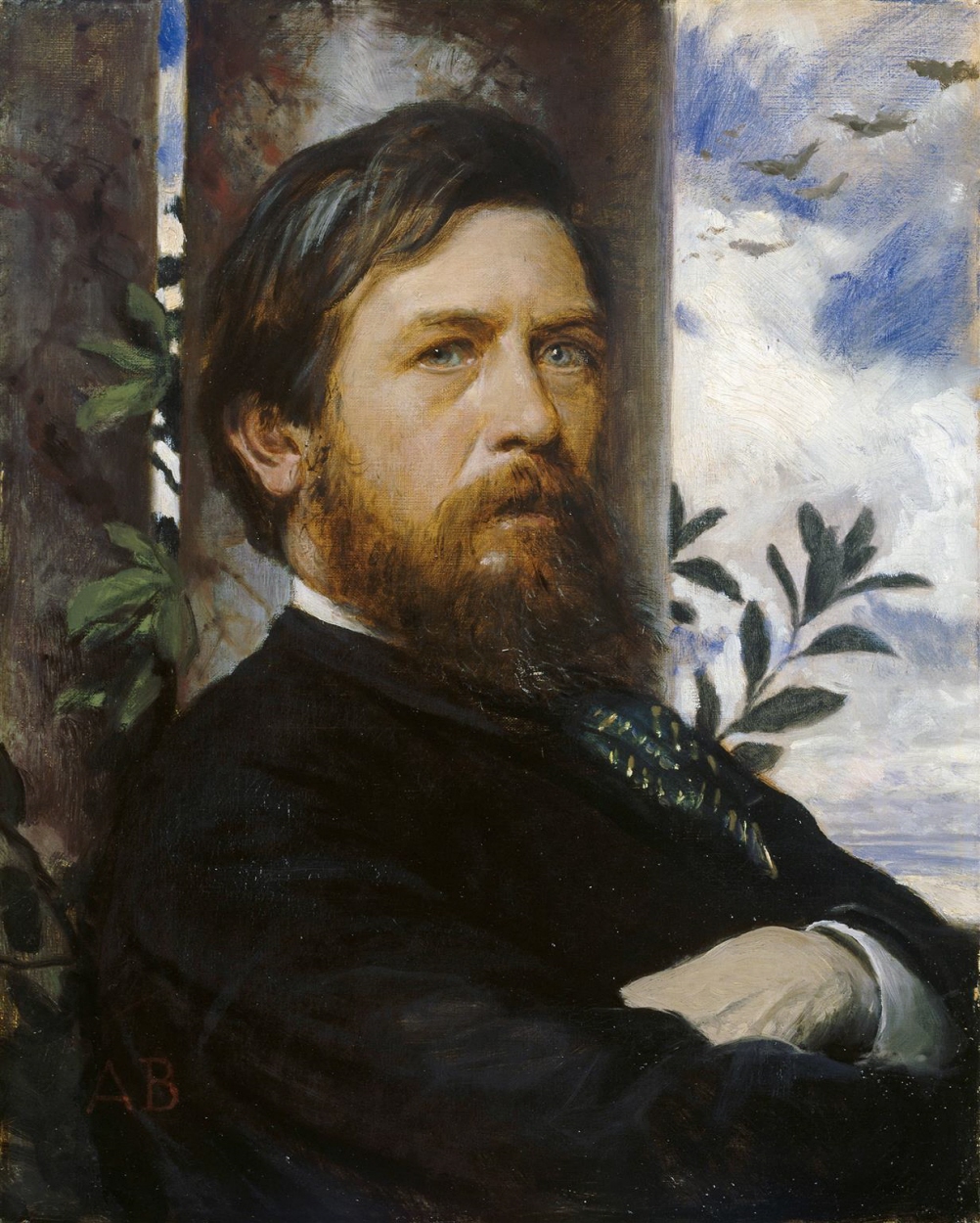
Arnold Böcklin
 (Arnold Böcklin)
Swiss Symbolist master whose haunting, mythic masterpiece 'Isle of the Dead' (Die Toteninsel)—painted in five variations—fascinated Freud, Lenin, Rachmaninoff, and Dali.