Public Figures & Cultural Luminaries
Filterable archive covering centuries of intellectual, artistic, and moral contributions to the human story.
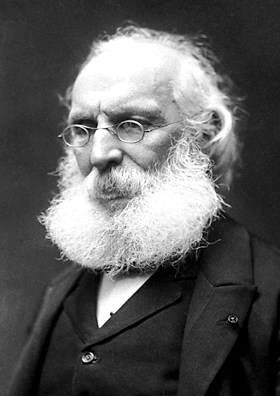
Frédéric Passy
 (Frédéric Passy)
Frédéric Passy was a French political economist and pacifist who co-founded the Inter-Parliamentary Union in 1889 alongside William Randal Cremer. Revered as the dean of the international peace movement, Passy was awarded the inaugural Nobel Peace Prize in 1901 jointly with Henry Dunant.
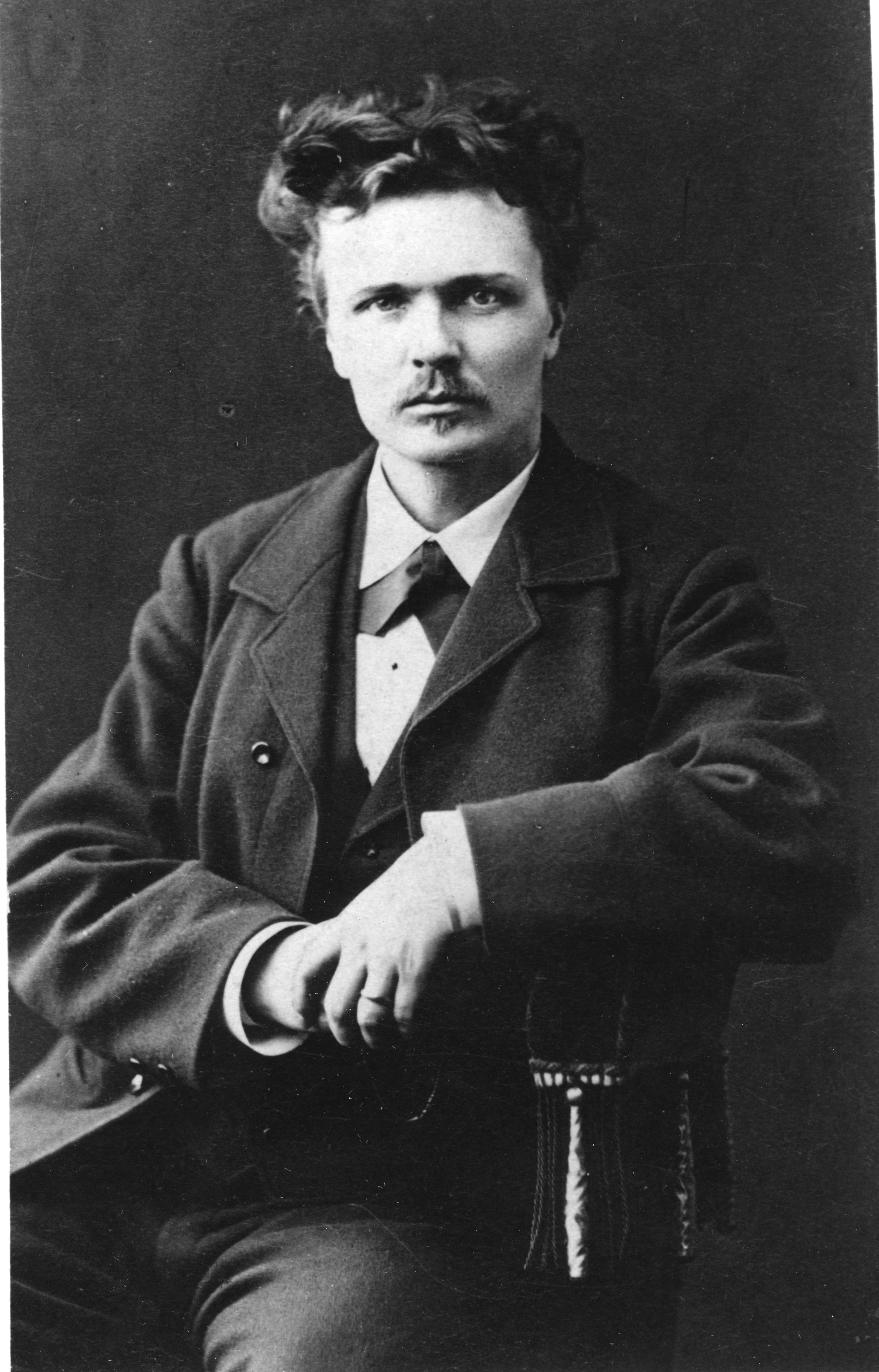
August Strindberg
 (Johan August Strindberg)
Visionary Swedish playwright, novelist, and painter whose naturalistic and expressionist masterpieces Miss Julie and A Dream Play pioneered modern European drama.
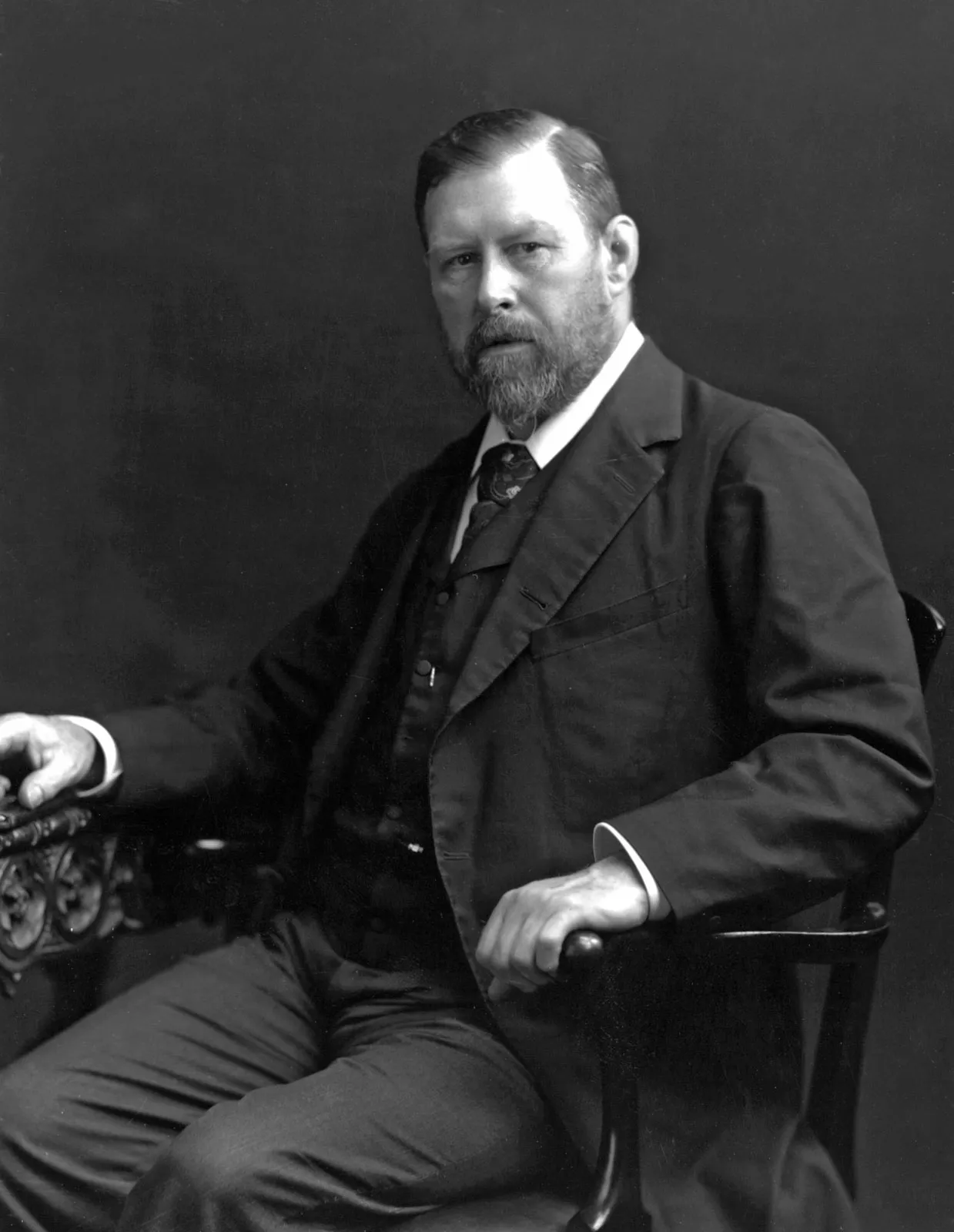
Bram Stoker
 (Abraham Stoker)
Irish author and longtime business manager of London's Lyceum Theatre who created the seminal gothic vampire masterpiece Dracula.
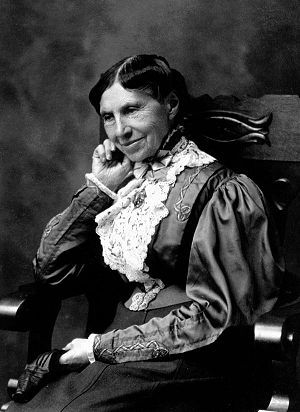
Clarissa Harlowe Barton
 (Clarissa Harlowe Barton)
Clara Barton was a pioneering American nurse and humanitarian who ministered to wounded soldiers on the front lines of the American Civil War, earning the moniker 'Angel of the Battlefield'. She founded the American Red Cross in 1881 and served as its first president for over two decades, expanding its humanitarian mandate to include peacetime disaster relief.
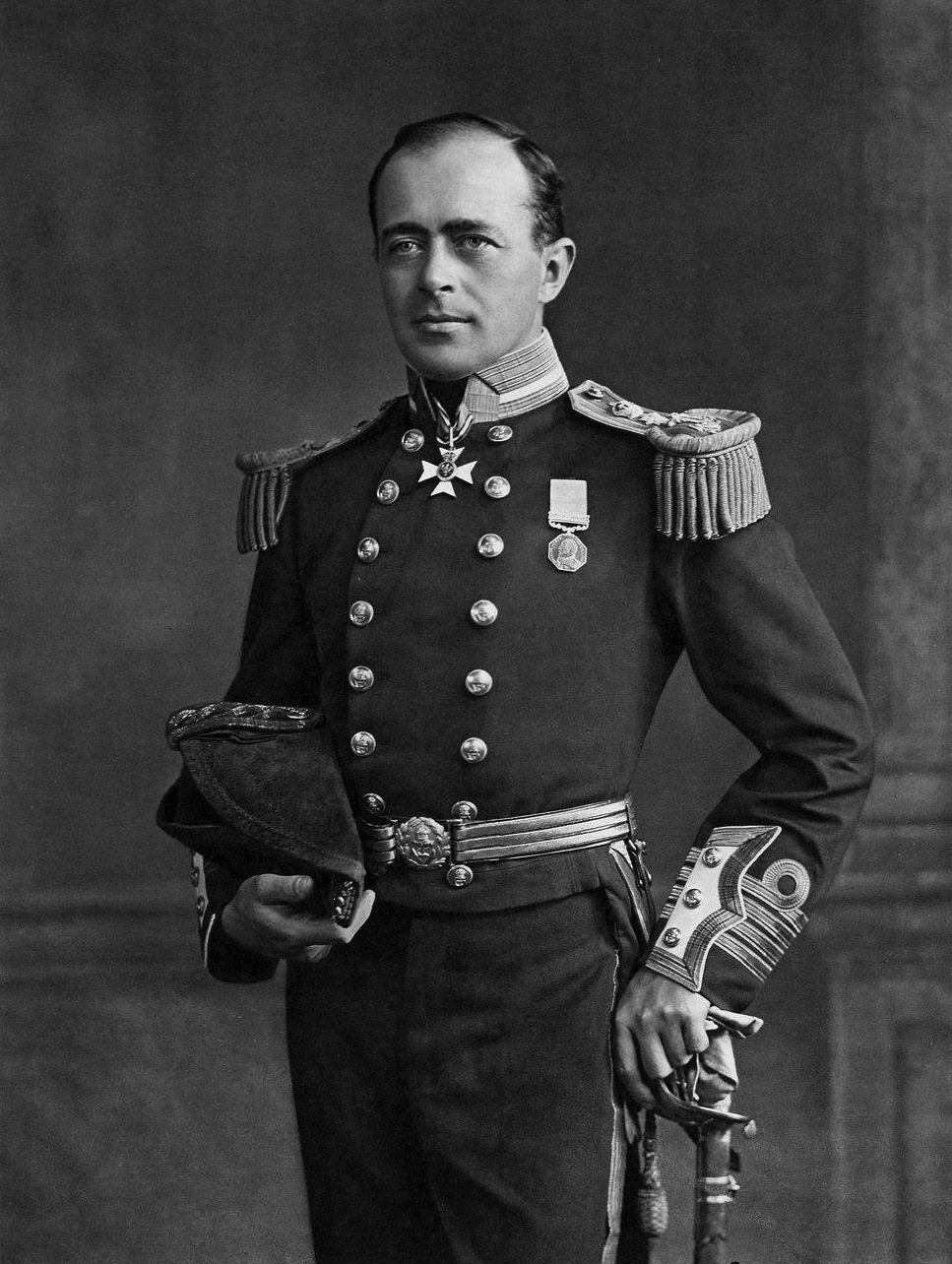
Robert Falcon Scott
 (Robert Falcon Scott)
British Royal Navy officer and Antarctic explorer whose heroic 1910–1913 Terra Nova Expedition reached the South Pole and whose poignant final diary entries inspired generations of polar scientists.
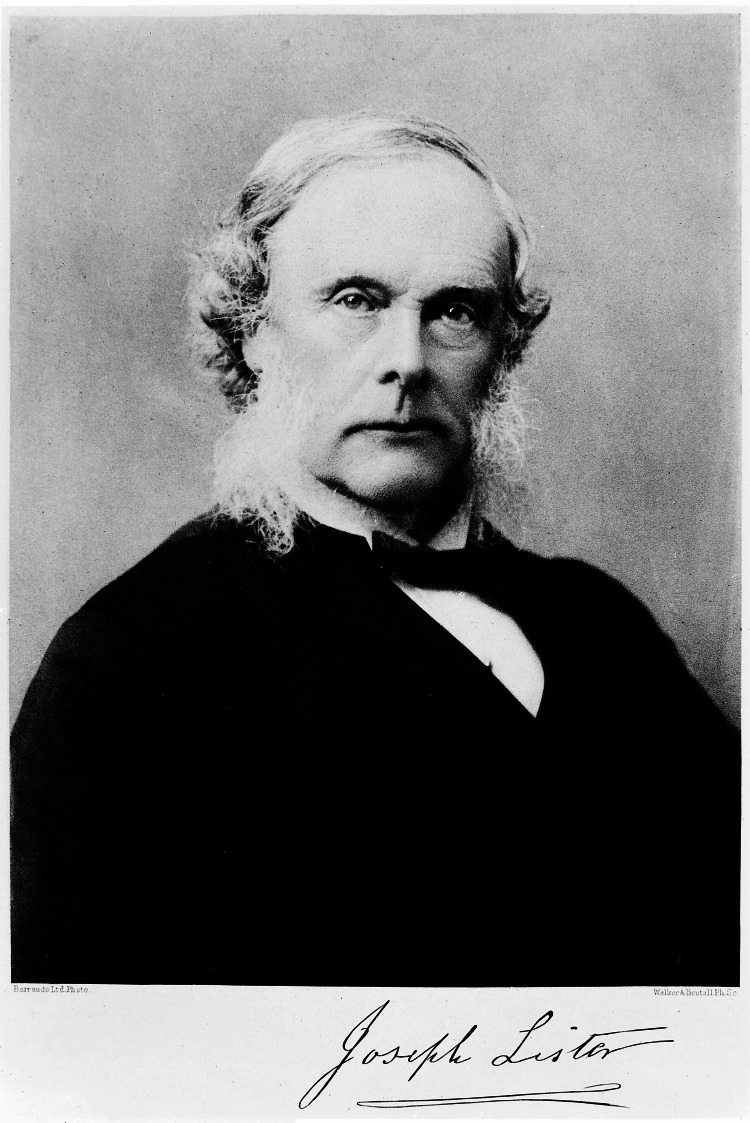
Joseph Lister
(Joseph Lister, 1st Baron Lister)
British surgeon celebrated as the 'father of modern antiseptic surgery' who used carbolic acid to eradicate surgical infections.
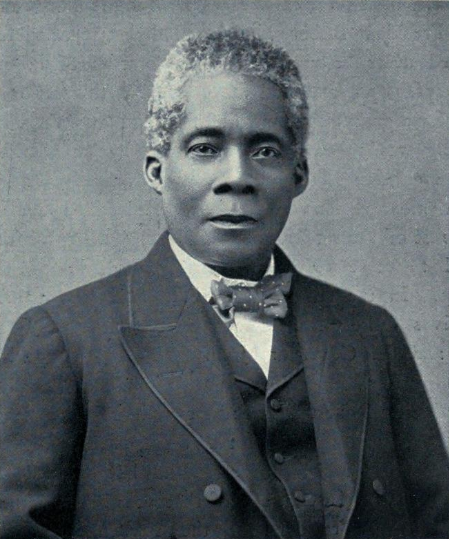
Edward Wilmot Blyden
 (Edward Wilmot Blyden)
Educator, writer, and diplomat recognized as the father of Pan-Africanism, whose 1887 book Christianity, Islam and the Negro Race formulated the concept of the 'African Personality'.
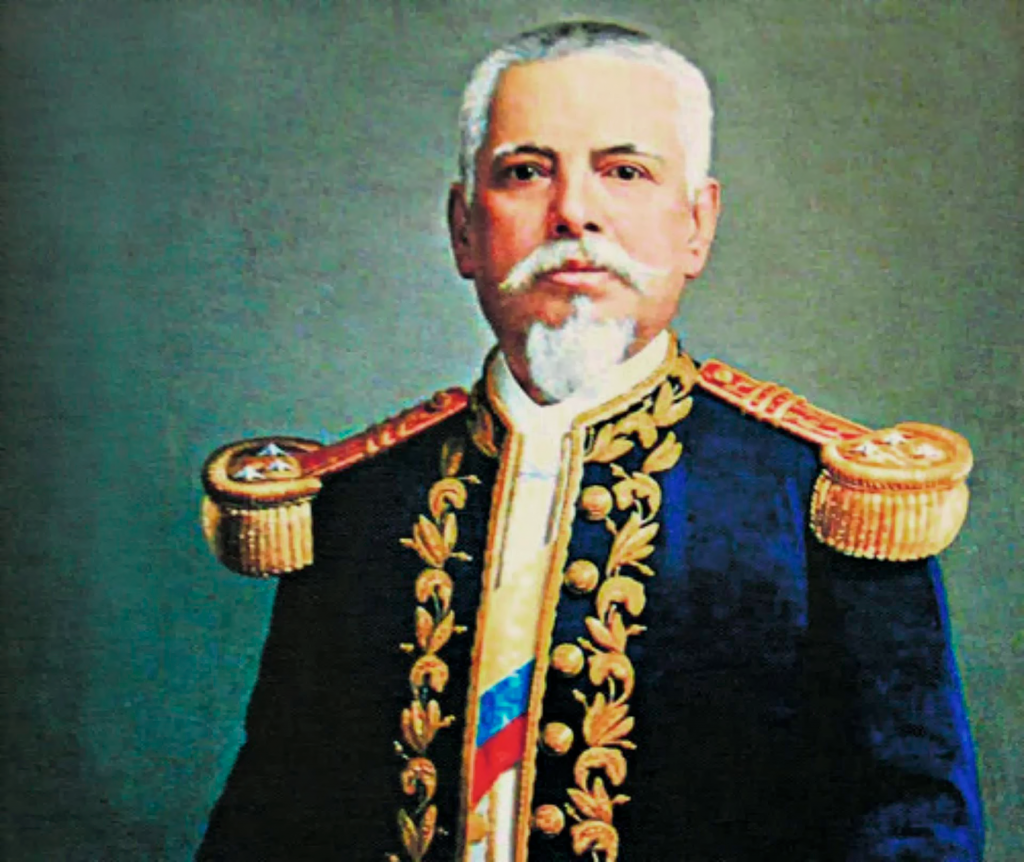
Eloy Alfaro
 (José Eloy Alfaro Delgado)
President of Ecuador known as 'El Viejo Luchador' (The Old Fighter) who led the Liberal Revolution of 1895, built the Guayaquil-Quito Trans-Andean Railway, and separated Church and State.
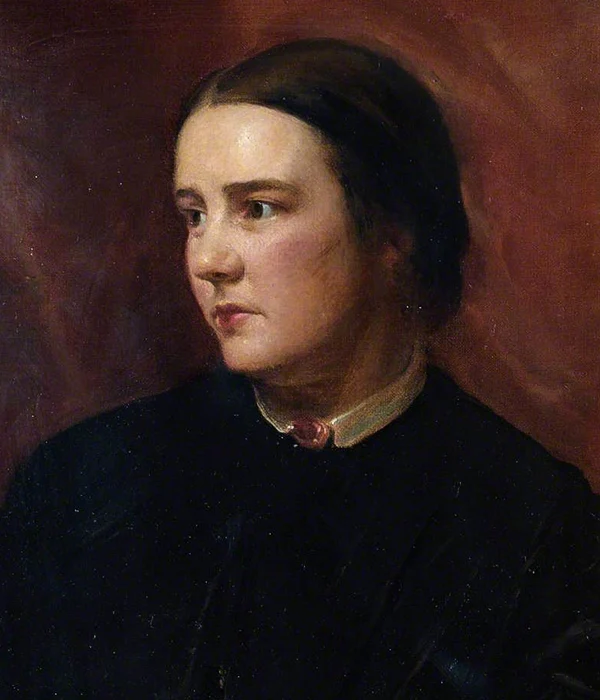
Sophia Louisa Jex-Blake
(Sophia Jex-Blake)
Médecin et réformatrice britannique, cheffe de file des « Sept d'Édimbourg » et fondatrice des premières facultés de médecine pour femmes à Londres et en Écosse.
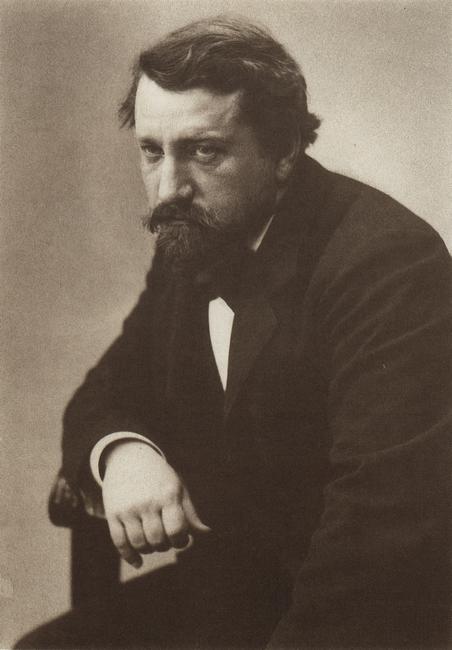
Valentin Aleksandrovich Serov
 (Валентин Александрович Серов)
Premier Russian portraitist and painter whose luminous 'Girl with Peaches' (1887) heralded Russian Impressionism and whose aristocratic portraits captured the twilight of the Romanov Empire.
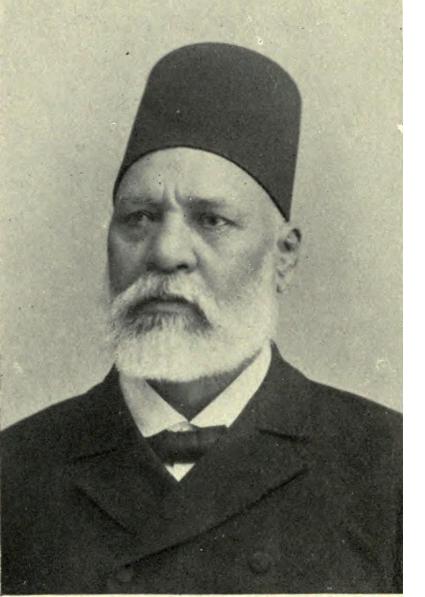
Ahmed Orabi
 (أحمد عرابي)
Egyptian nationalist army general who led the 1881–1882 Urabi Revolt against British and French financial control and Khedivial tyranny, demanding a constitutional government and national dignity.
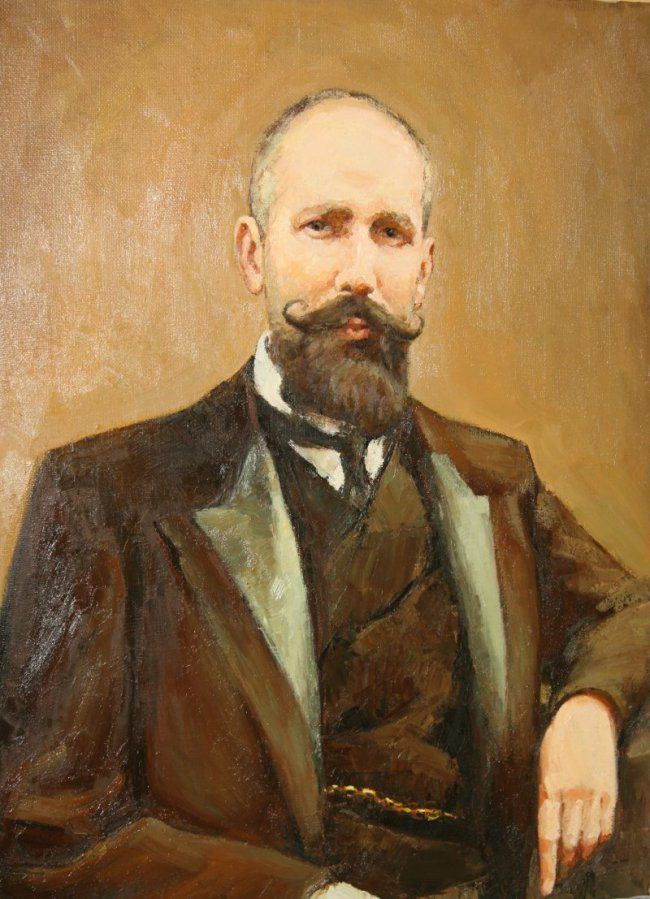
Pyotr Arkadyevich Stolypin
 (Пётр Аркадьевич Столыпин)
Formidable Prime Minister of the Russian Empire whose Stolypin Agrarian Reforms created a class of private peasant landowners to stabilize Tsarist Russia against revolution.
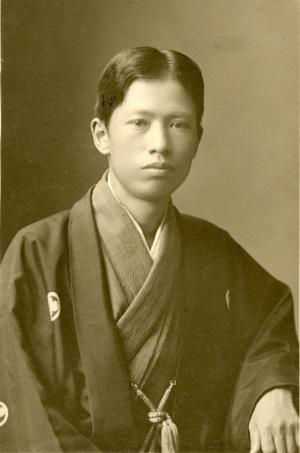
Hishida Shunso
 (菱田 春草)
Meiji-era Japanese painter who co-founded modern Nihonga and pioneered the 'morotai' (vague/blind) technique, eliminating sharp outlines to capture atmosphere and light, painted the masterpiece Black Cat.
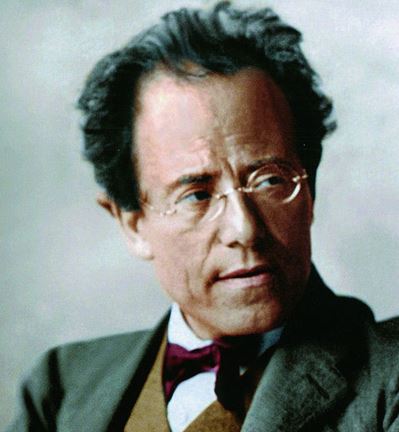
Gustav Mahler
 (Gustav Mahler)
Austro-Bohemian visionary composer and legendary conductor who declared 'a symphony must be like the world: it must embrace everything', pioneering 20th-century modernism with his nine epic symphonies and Das Lied von der Erde.
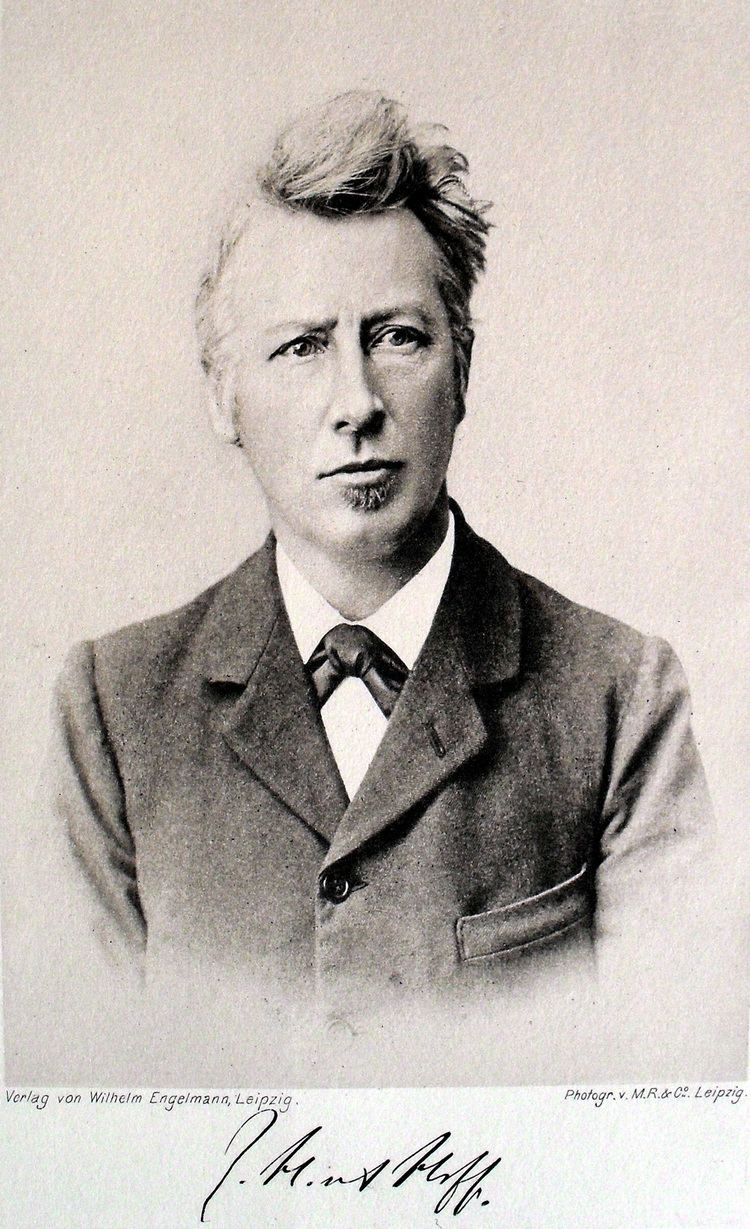
Jacobus Henricus van 't Hoff
 (Jacobus Henricus van 't Hoff)
Inaugural winner of the Nobel Prize in Chemistry (1901) who founded modern stereochemistry, chemical kinetics, and osmotic pressure theory.
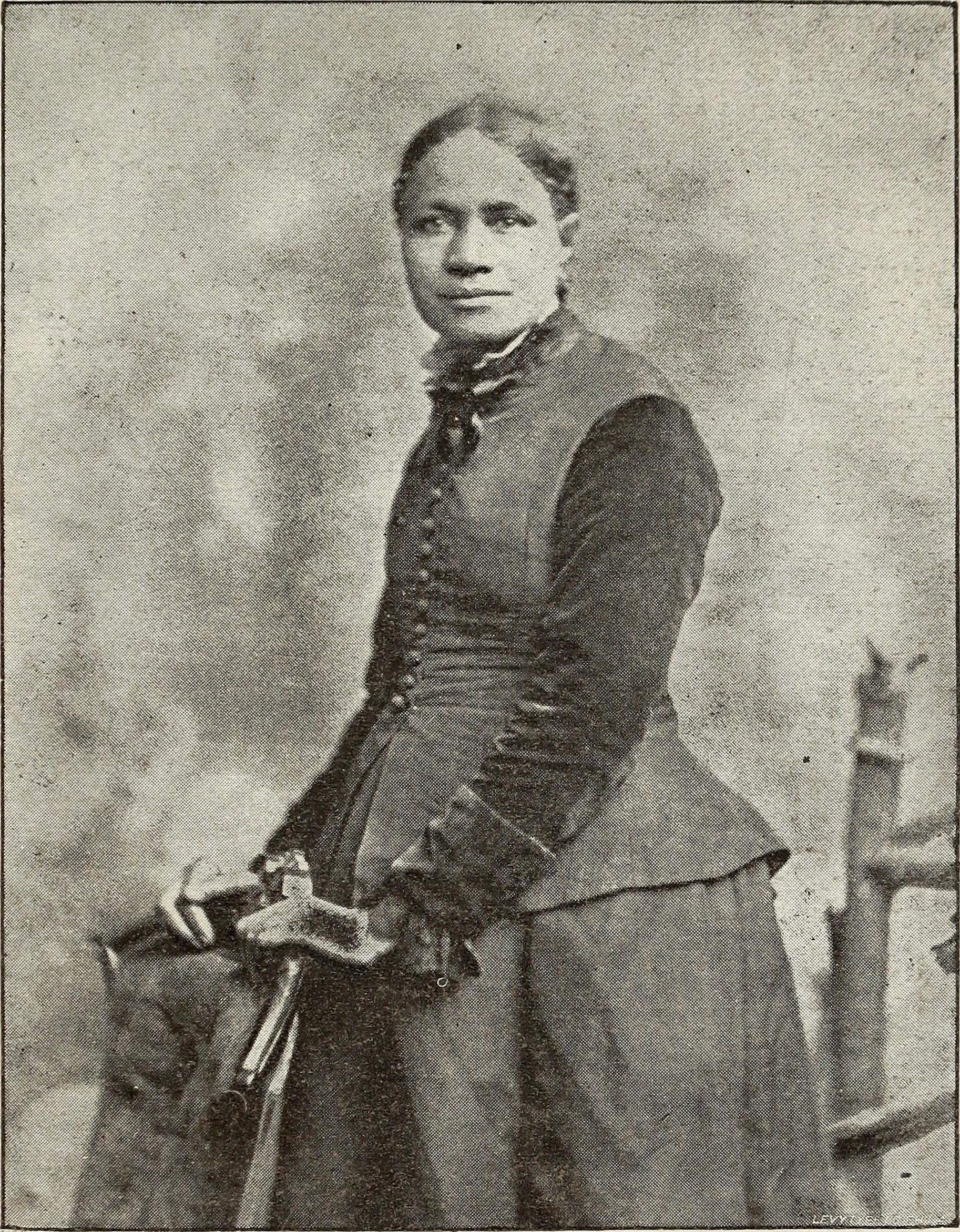
Frances Ellen Watkins Harper
(Frances Ellen Watkins Harper)
Celebrated African American abolitionist orator and poet acclaimed as the 'Mother of African American Journalism', whose bestselling poetry and 1892 novel 'Iola Leroy' championed Black freedom, temperance, and women's rights.
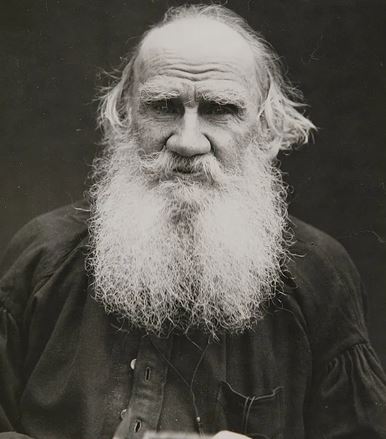
Count Lev Nikolayevich Tolstoy
(Лев Николаевич Толстой)
Colossus of world literature whose epic panoramic masterworks War and Peace and Anna Karenina captured the entire canvas of human life, and whose later Christian anarchist pacifism (The Kingdom of God Is Within You) inspired Mahatma Gandhi.
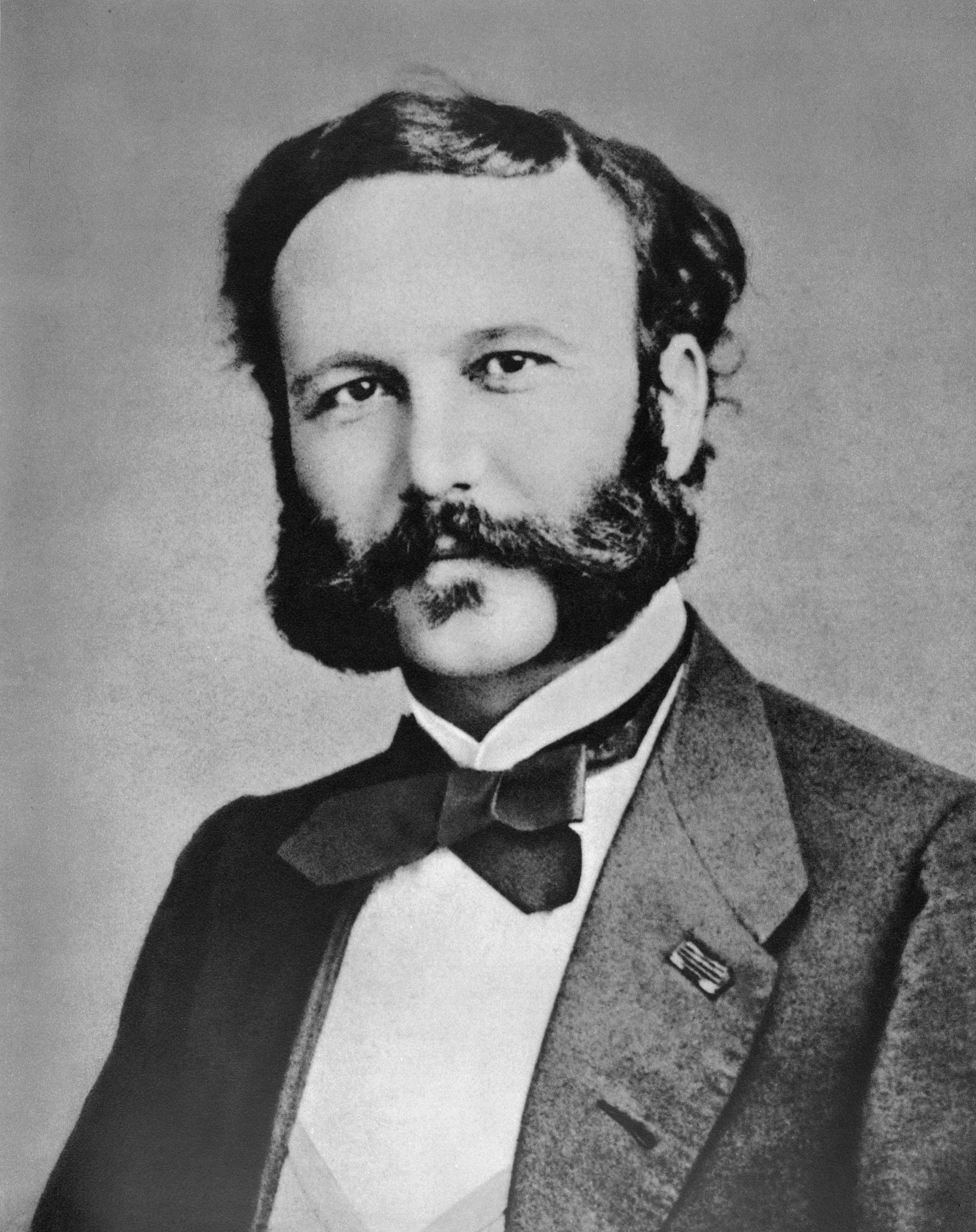
Henry Dunant
 (Jean Henri Dunant)
Swiss humanitarian whose horror at the slaughter of the 1859 Battle of Solferino inspired him to found the International Committee of the Red Cross and spark the Geneva Convention, recipient of the first Nobel Peace Prize in 1901.