Ammonius Saccas
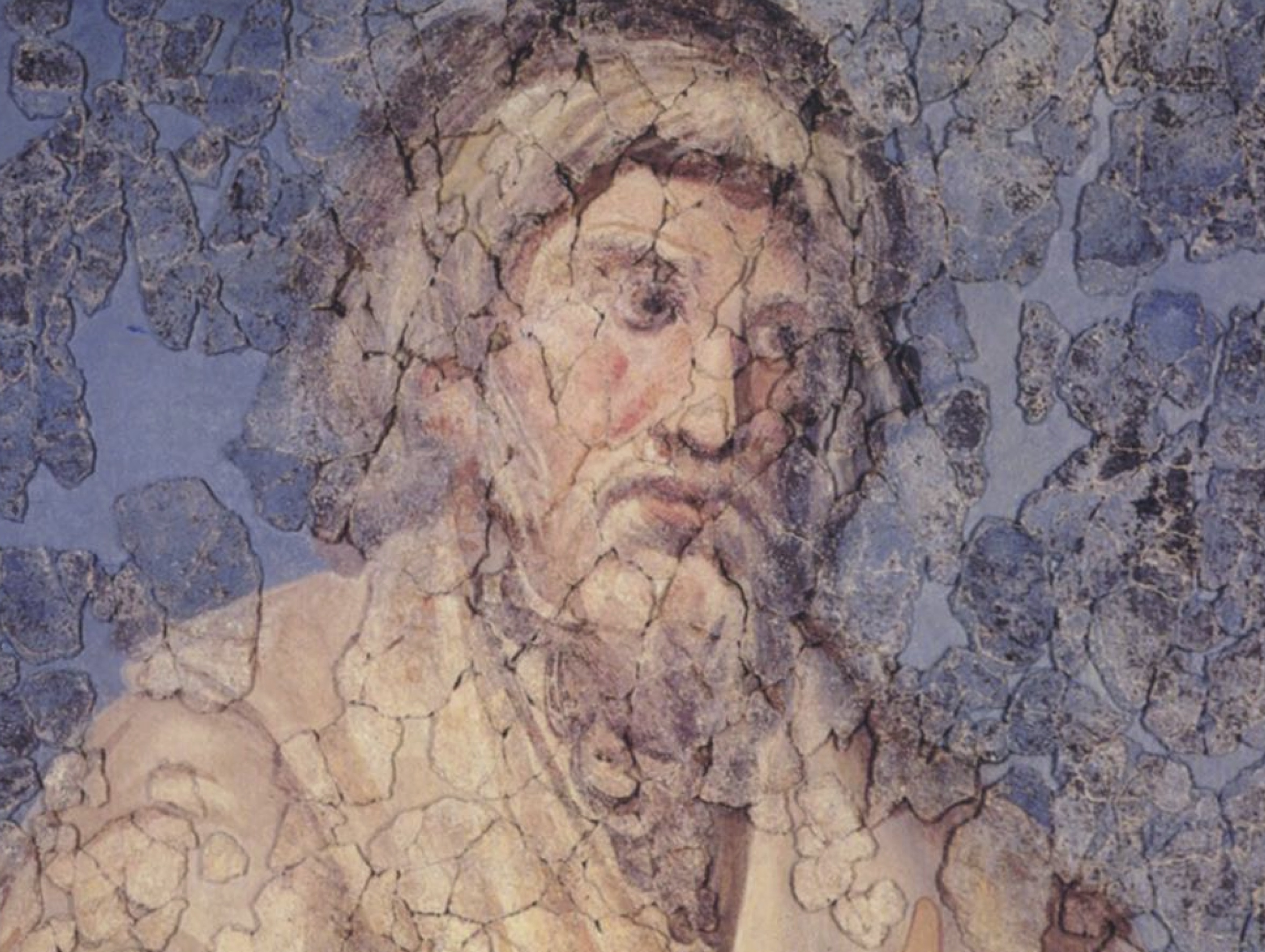
Pioneering Alexandrian philosopher who reconciled the philosophies of Plato and Aristotle and taught Plotinus, Origen, and Longinus, serving as the foundational catalyst of Neoplatonism.
Start typing to search worldwide archives and community tributes
Filterable archive covering centuries of intellectual, artistic, and moral contributions to the human story.
Pioneering Alexandrian philosopher who reconciled the philosophies of Plato and Aristotle and taught Plotinus, Origen, and Longinus, serving as the foundational catalyst of Neoplatonism.
Hellenistic Jewish philosopher of Alexandria who pioneered the allegorical interpretation of the Hebrew Scriptures, synthesized the Torah with Platonic and Stoic philosophy, and developed the theology of the divine 'Logos'.
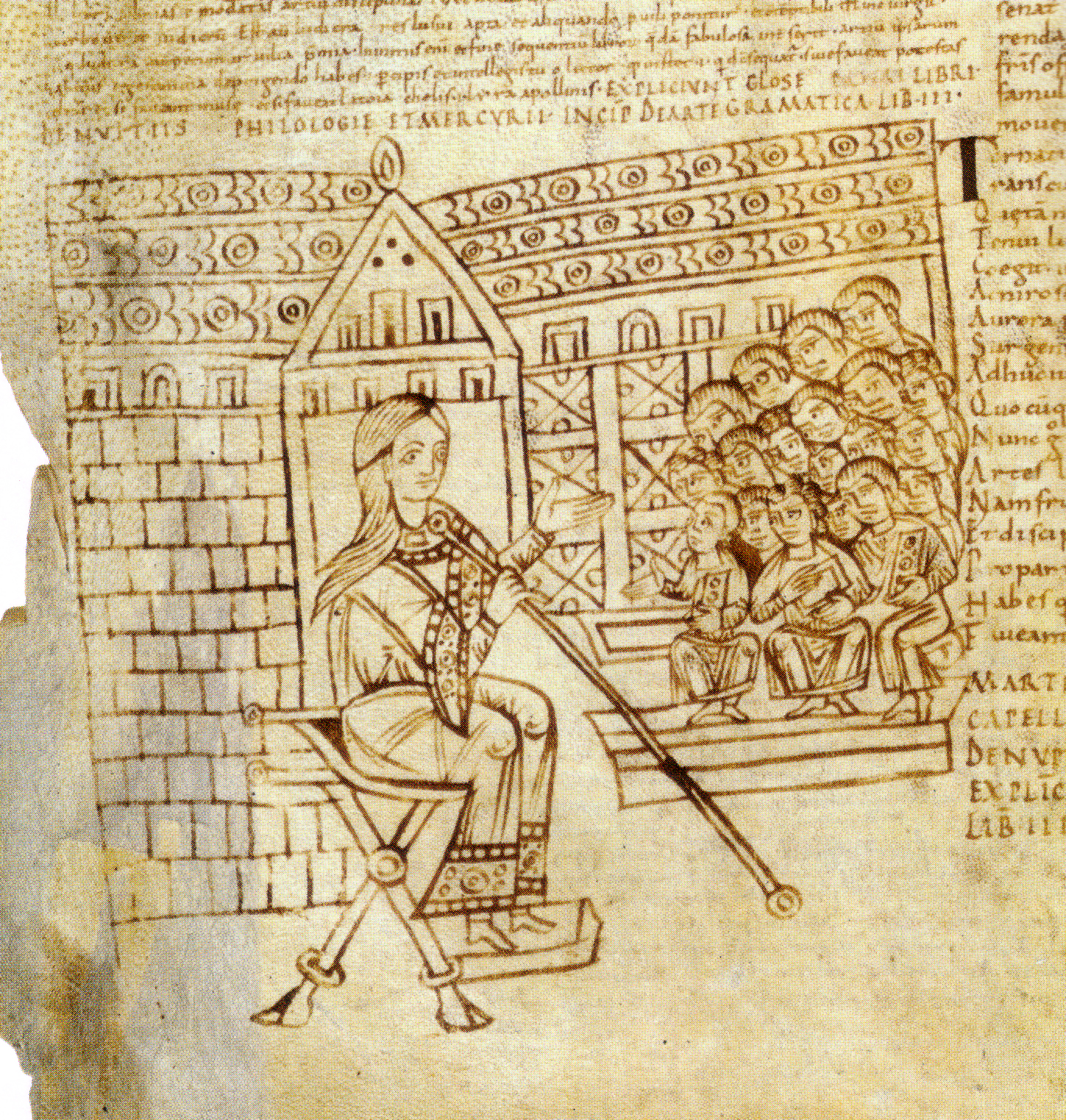
Late antique Latin writer and lawyer from Numidia whose allegorical encyclopedia 'The Marriage of Philology and Mercury' defined the medieval curriculum of the Seven Liberal Arts (Trivium and Quadrivium).
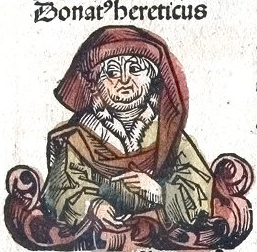
Charismatic Numidian bishop who founded Donatism, leading the majority indigenous Berber Christian Church of Roman North Africa for forty years in fierce opposition to imperial Roman compromise.
Numidian master rhetorician from Le Kef, Tunisia, who fiercely attacked Roman pagan mythology and defended the Christian faith in his seven-volume treatise 'Adversus Nationes'.
North African Berber Christian author known as the 'Christian Cicero', who served as Latin rhetorician to Emperor Diocletian, converted to Christianity, and tutored the eldest son of Constantine the Great.
North African Roman lawyer from Cirta (Constantine) who authored 'Octavius', one of the earliest and most elegant Christian philosophical dialogues in Latin literature.
Numidian Berber Latin author and Platonist philosopher from M'Daourouch, Algeria, who wrote 'The Golden Ass' (Metamorphoses), the only complete Latin novel to survive from antiquity, containing the myth of Cupid and Psyche.
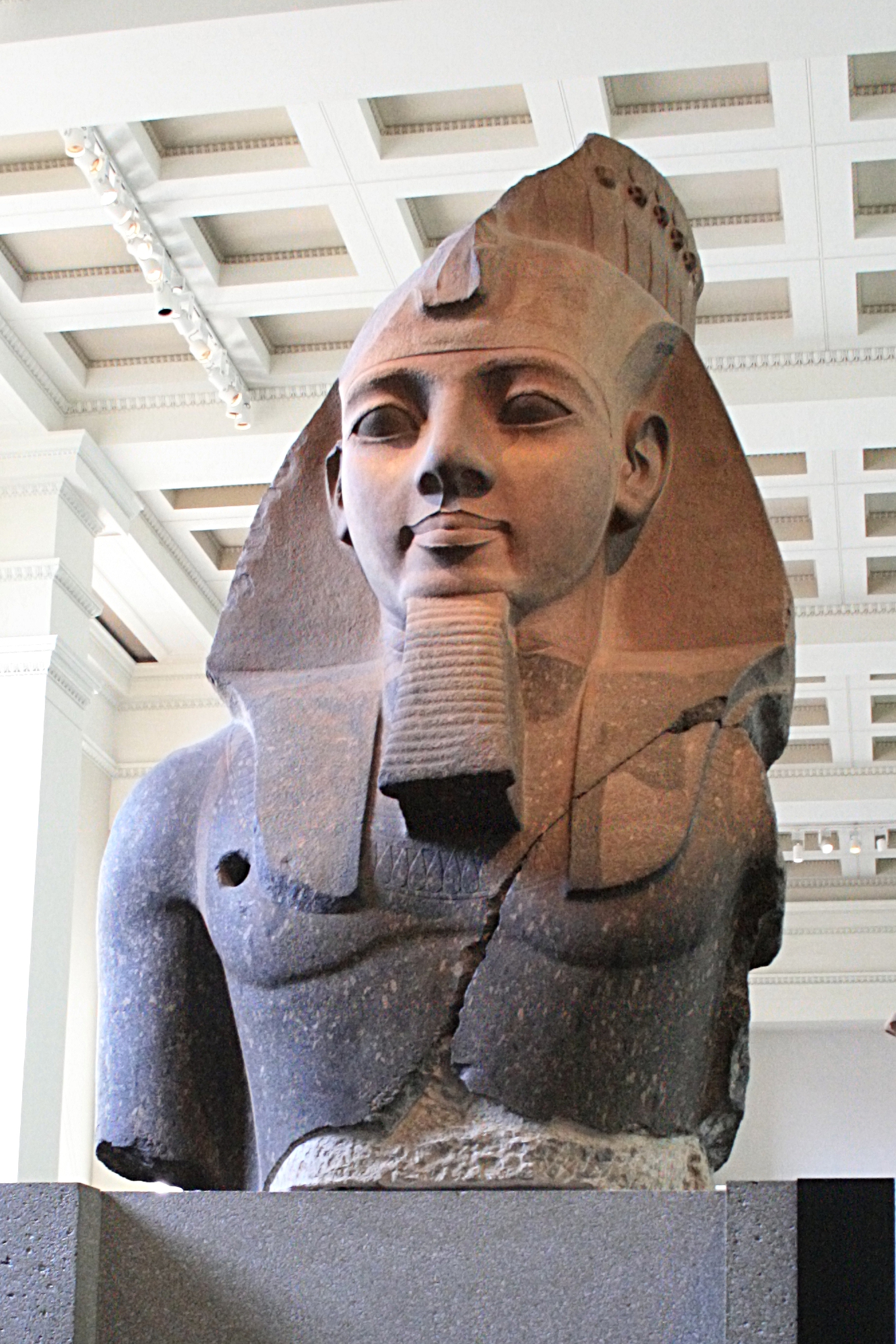
Third Pharaoh of the Nineteenth Dynasty, celebrated as 'Ramesses the Great', who ruled for sixty-six years, fought the Hittites at Kadesh, signed the world's first recorded peace treaty, and constructed Abu Simbel.
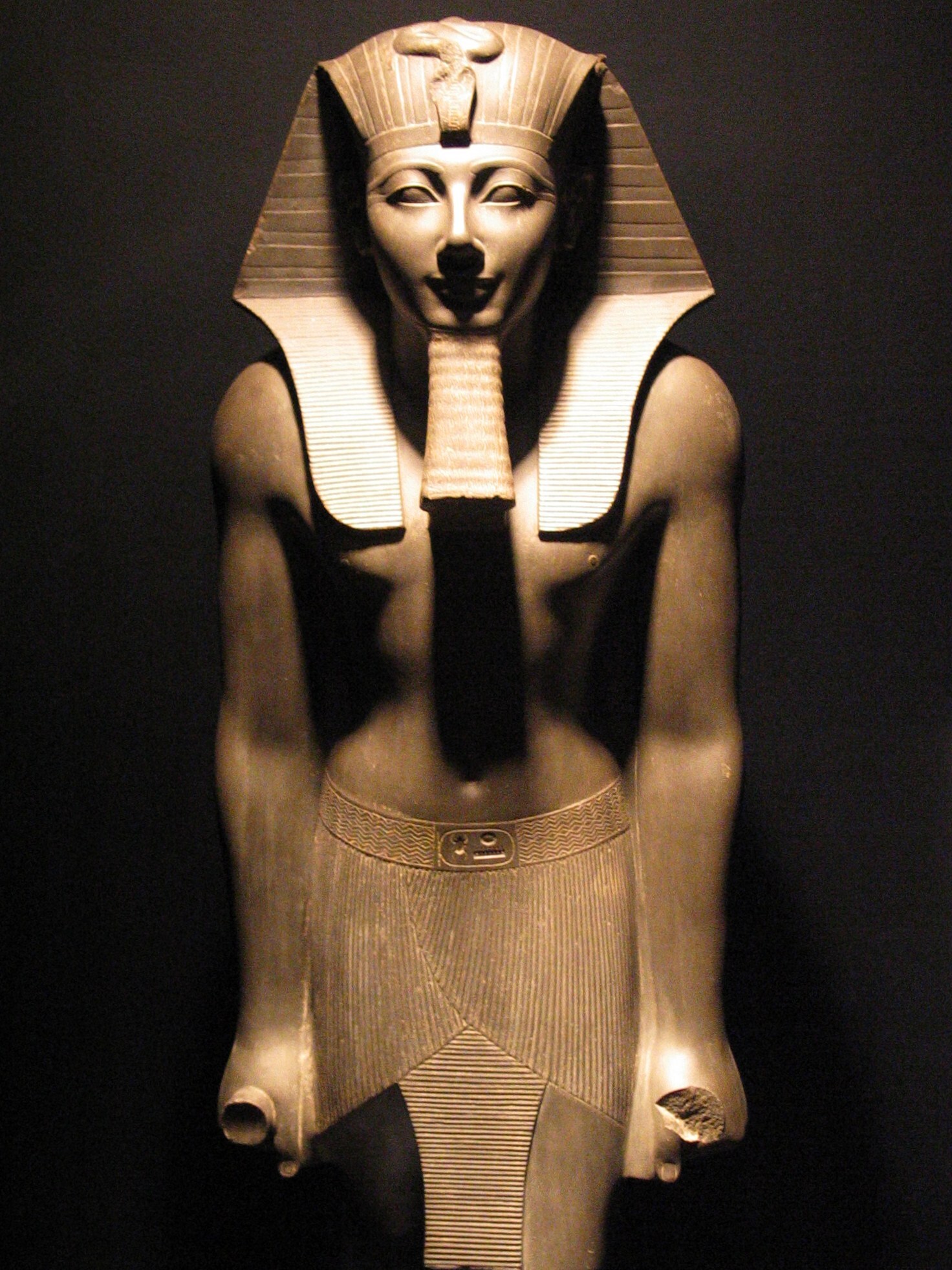
Sixth Pharaoh of the Eighteenth Dynasty, acclaimed by modern historians as the 'Napoleon of Egypt', who conducted seventeen victorious military campaigns and built the largest empire in Egyptian history.
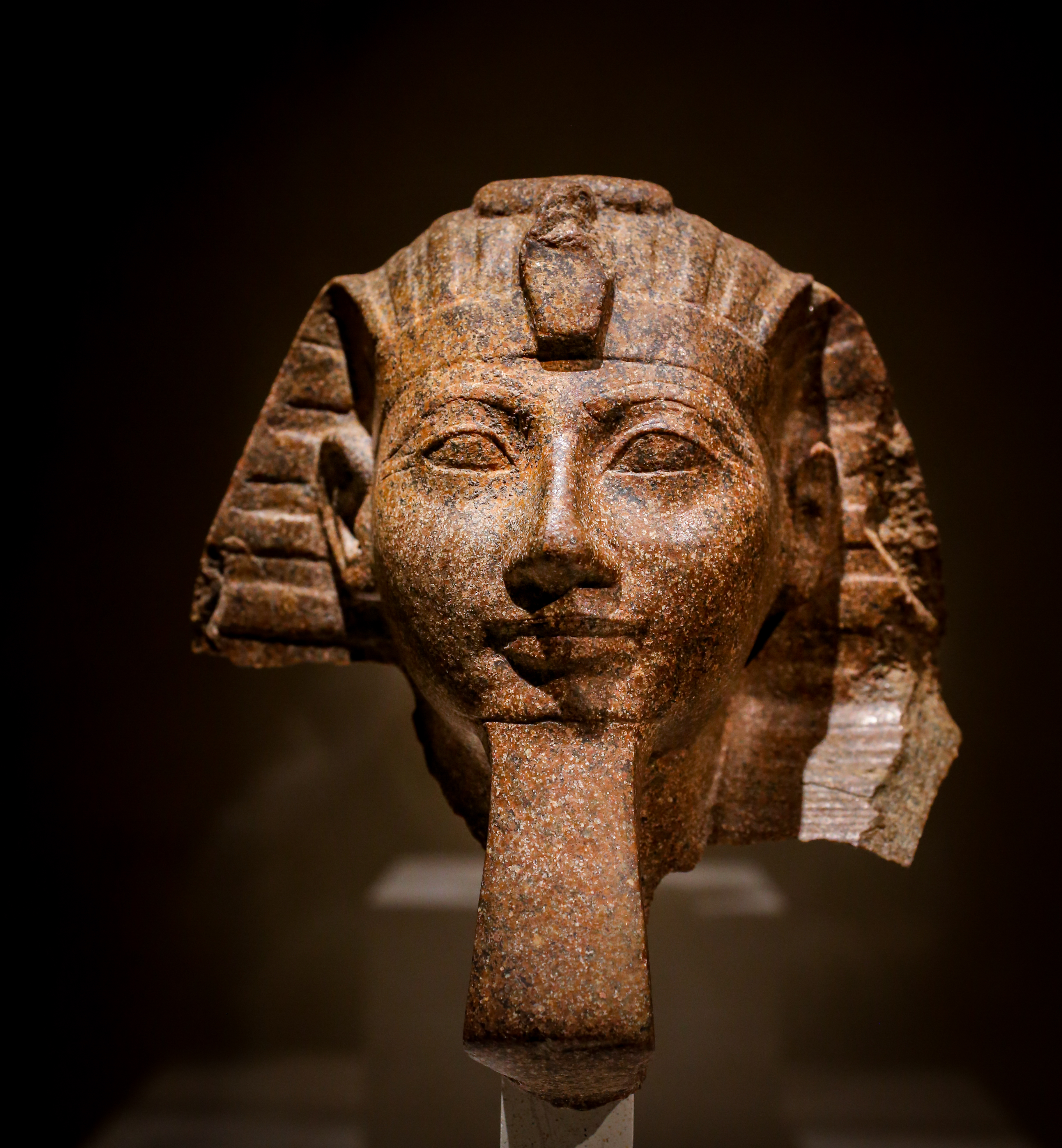
Fifth Pharaoh of the Eighteenth Dynasty of Egypt, celebrated as one of the most successful female rulers in world history, builder of the magnificent mortuary temple at Deir el-Bahari, and commissioner of the legendary naval expedition to Punt.
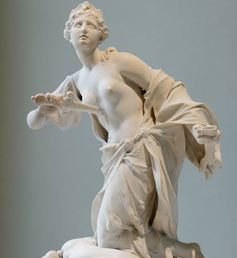
Legendary Phoenician princess of Tyre who fled her tyrannical brother Pygmalion, sailed across the Mediterranean, and founded the immortal maritime empire of Carthage on the coast of Tunisia in 814 BCE.
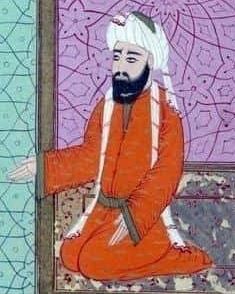
Persian-born Islamic jurist and statesman who founded the Rustamid Dynasty in Tahert, Algeria, establishing a prosperous, cosmopolitan Ibadi democratic imamate that ruled central North Africa for 130 years.
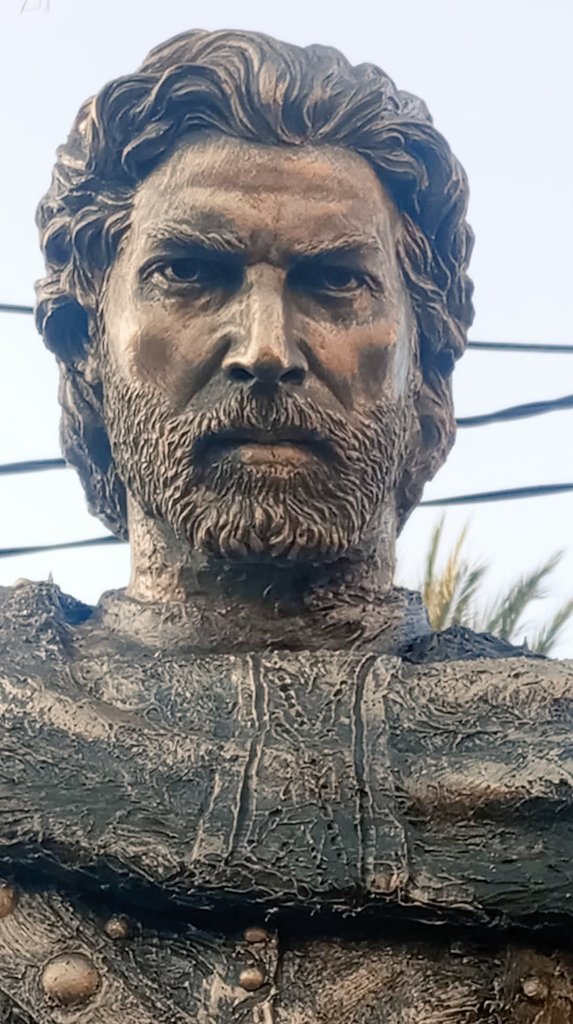
Christian Berber King of the Awreba confederation and Altava who defeated and killed Uqba ibn Nafi at the Battle of Vescera (Biskra) in 683 CE, ruling Kairouan for five years.
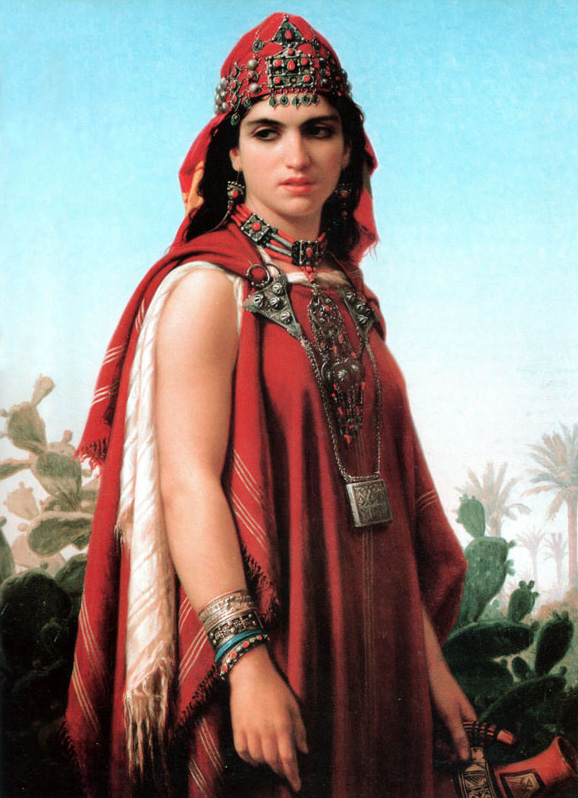
Legendary Amazigh queen and military commander of the Jerawa tribe who united the Berber confederations of the Aurรจs and defeated the Umayyad armies of Hasan ibn al-Nu'man in 698 CE.
Last monarch of the Kingdom of Mauretania, co-ruler with his father Juba II, who assisted Rome in crushing the Tacfarinas rebellion before being assassinated by Emperor Caligula in 40 CE.
Scholarly King of Mauretania, raised in Rome by Octavian, who transformed Caesarea (Cherchell) into a jewel of Greco-Roman culture and authored influential treatises on geography, botany, and history.
Eldest son of Masinissa who ruled unified Numidia for thirty years (148โ118 BCE), patronized Greek philosophers, constructed monumental palaces, and maintained prosperous peace.