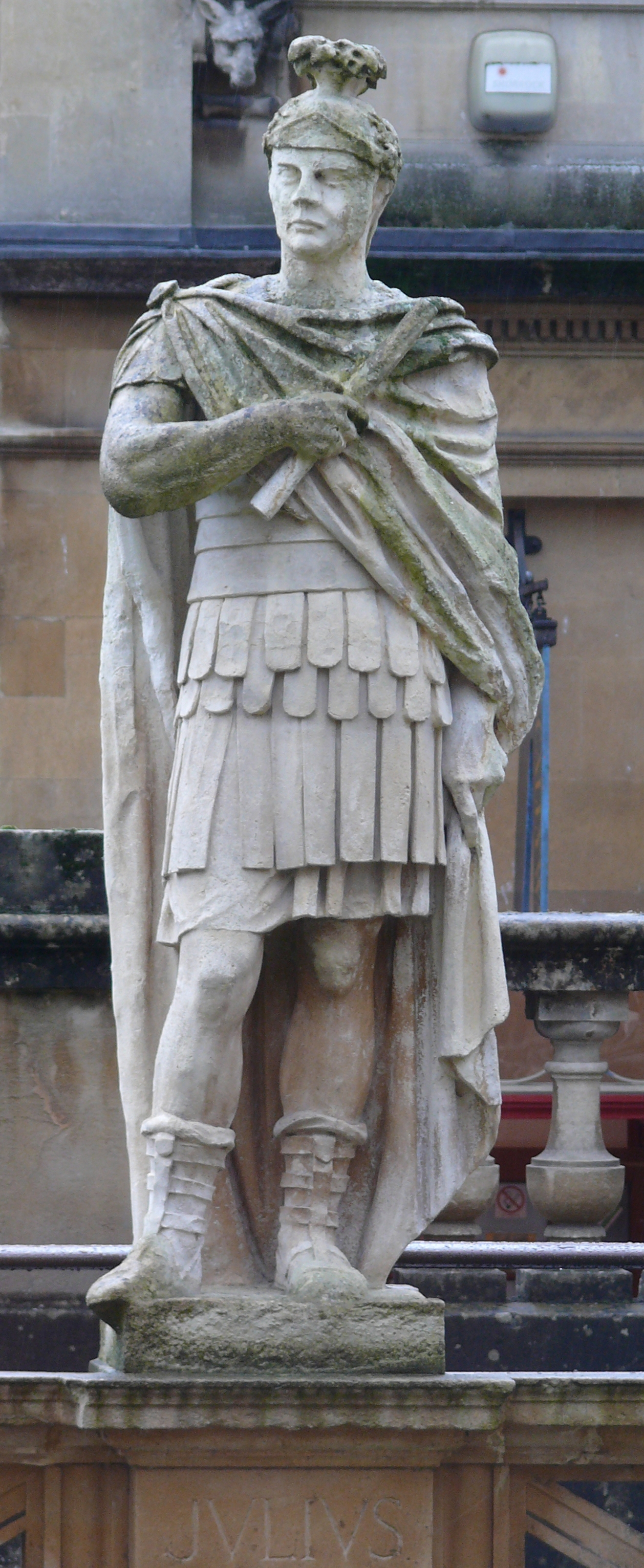
Gnaeus Julius Agricola
Roman general and governor of Britannia who conquered Wales, northern England, and Scotland, defeating the Caledonians at Mons Graupius.
Start typing to search worldwide archives and community tributes
Filterable archive covering centuries of intellectual, artistic, and moral contributions to the human story.
Roman general and governor of Britannia who conquered Wales, northern England, and Scotland, defeating the Caledonians at Mons Graupius.
Roman emperor who emerged victorious from the Year of the Four Emperors, founded the Flavian Dynasty, and commissioned the Colosseum.
Visionary sage who saved Judaism after the Roman destruction of the Second Temple by establishing the academy of Yavneh and replacing Temple sacrifice with deeds of lovingkindness.
Native of Cyrene in eastern Libya who authored the Gospel of Mark, founded the Christian Church of Alexandria, and is revered as the first Pope of Alexandria and patron saint of Venice.
Brilliant Roman epic poet and nephew of Seneca, whose anti-imperial epic Pharsalia (De Bello Civili) dramatized the civil war between Caesar and Pompey.
Preeminent Roman Stoic philosopher and statesman whose moral letters to Lucilius and essays on anger and tranquility provided timeless wisdom on resilience and human dignity.
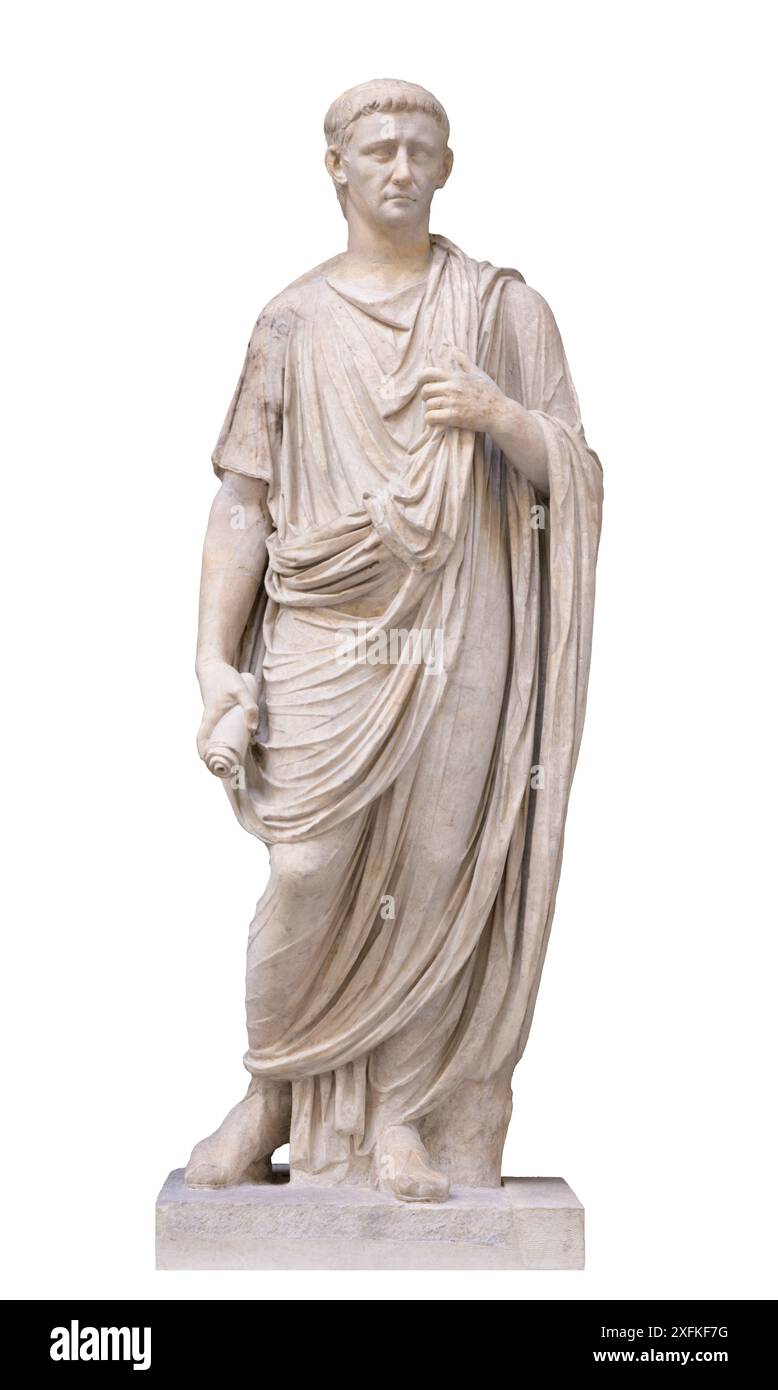
Roman Emperor of the Julio-Claudian Dynasty who conquered Britain and established a professional imperial civil service.
Colleague of Hillel and Av Beit Din (head of the court) who founded Beit Shammai, celebrated for his uncompromising legal rigor, truthfulness, and hospitality.
Beloved Roman general and adopted son of Tiberius who avenged the disaster of the Teutoburg Forest, defeated Arminius, and recovered Rome's lost legionary eagles.
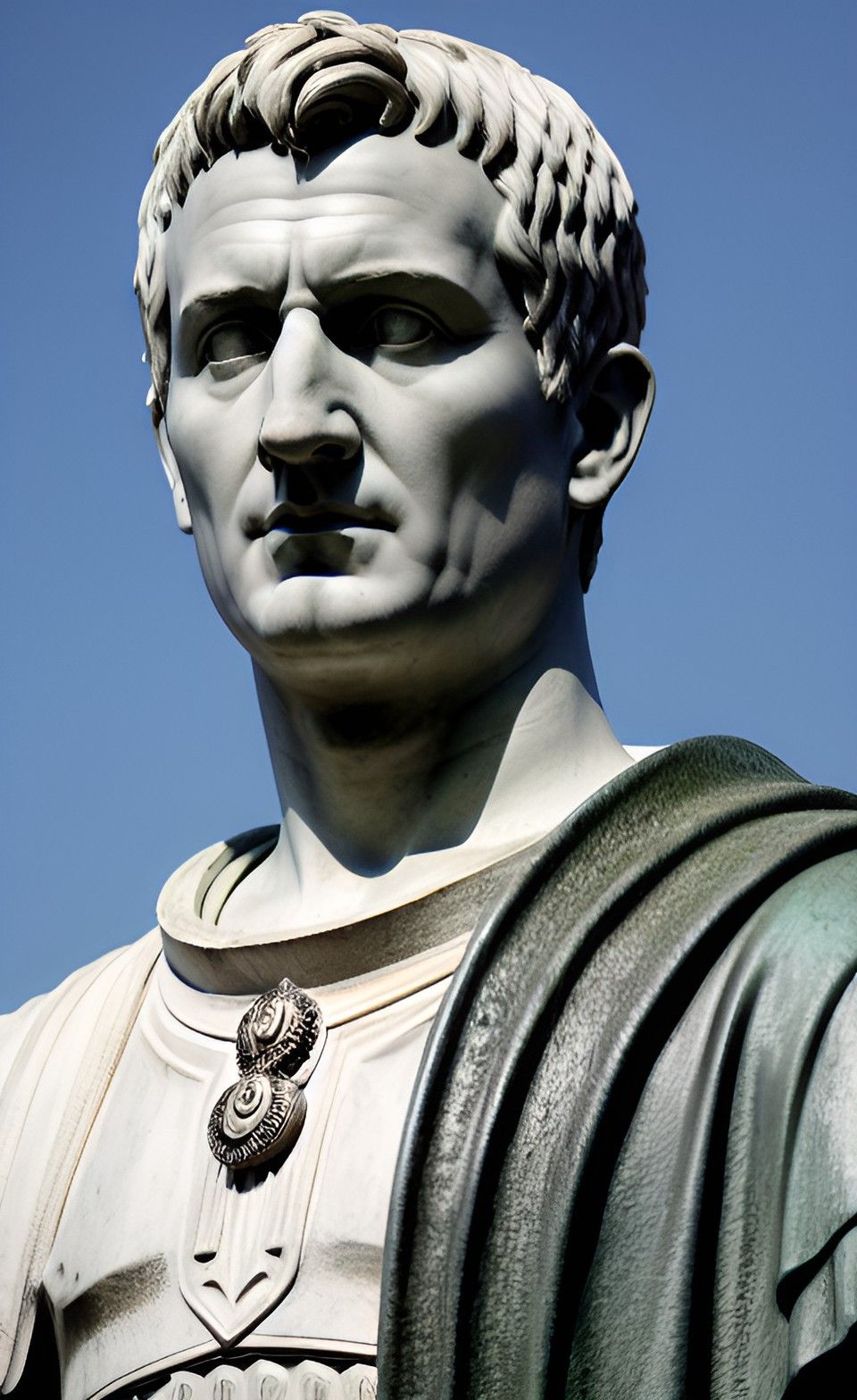
First Emperor of the Roman Empire who ended decades of civil war and established the two-century era of the Pax Romana.
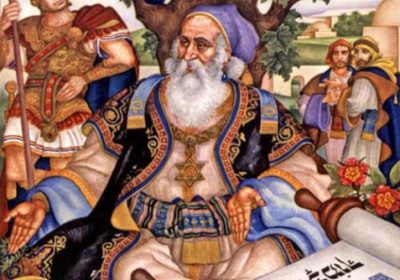
Foremost Jewish sage, Nasi of the Sanhedrin, and founder of the House of Hillel whose Golden Rule and seven hermeneutic principles shaped Rabbinic Judaism.
Almoravid urban magistrate whose 12th-century treatise on municipal governance ('Risala fi al-Hisba') is an indispensable primary source for medieval urban sociology and commerce.
Master architect and hydraulic engineer who designed the famous Almoravid Koubba (Koubba Ba'adiyin) in Marrakech in 1117, the sole surviving Almoravid monument in the city.
11th-century hadith scholar of Fez who taught at the Qarawiyyin and drafted the theological endorsement supporting the Almoravid unification of Morocco and Andalusia.
Pioneering 11th-century Moroccan physician of Fez who served as personal doctor to Sultan Yusuf ibn Tashfin and authored clinical medical compendiums.
Princess of the Almoravid royal house, daughter of Yusuf ibn Tashfin, renowned across Morocco and Andalusia for her profound literary intellect and patronage of poets.
Distinguished 15th-century legal commentator and grammarian who taught at the University of al-Qarawiyyin, authoring celebrated commentaries on the Alfiya of Ibn Malik.
17th-century Sufi saint and patron of the agricultural plains of the Chaouia, renowned for digging communal water wells and reconciling tribal conflicts.