Public Figures & Cultural Luminaries
Filterable archive covering centuries of intellectual, artistic, and moral contributions to the human story.
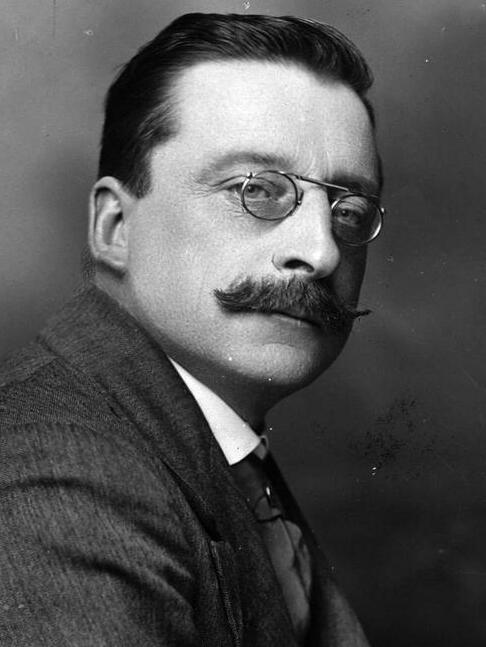
Arthur Griffith
 (Arthur Joseph Griffith)
Irish political leader and journalist who founded Sinn Fein in 1905, served as President of Dail Eireann (1922), and led the Irish delegation that negotiated the historic 1921 Anglo-Irish Treaty establishing the Irish Free State.
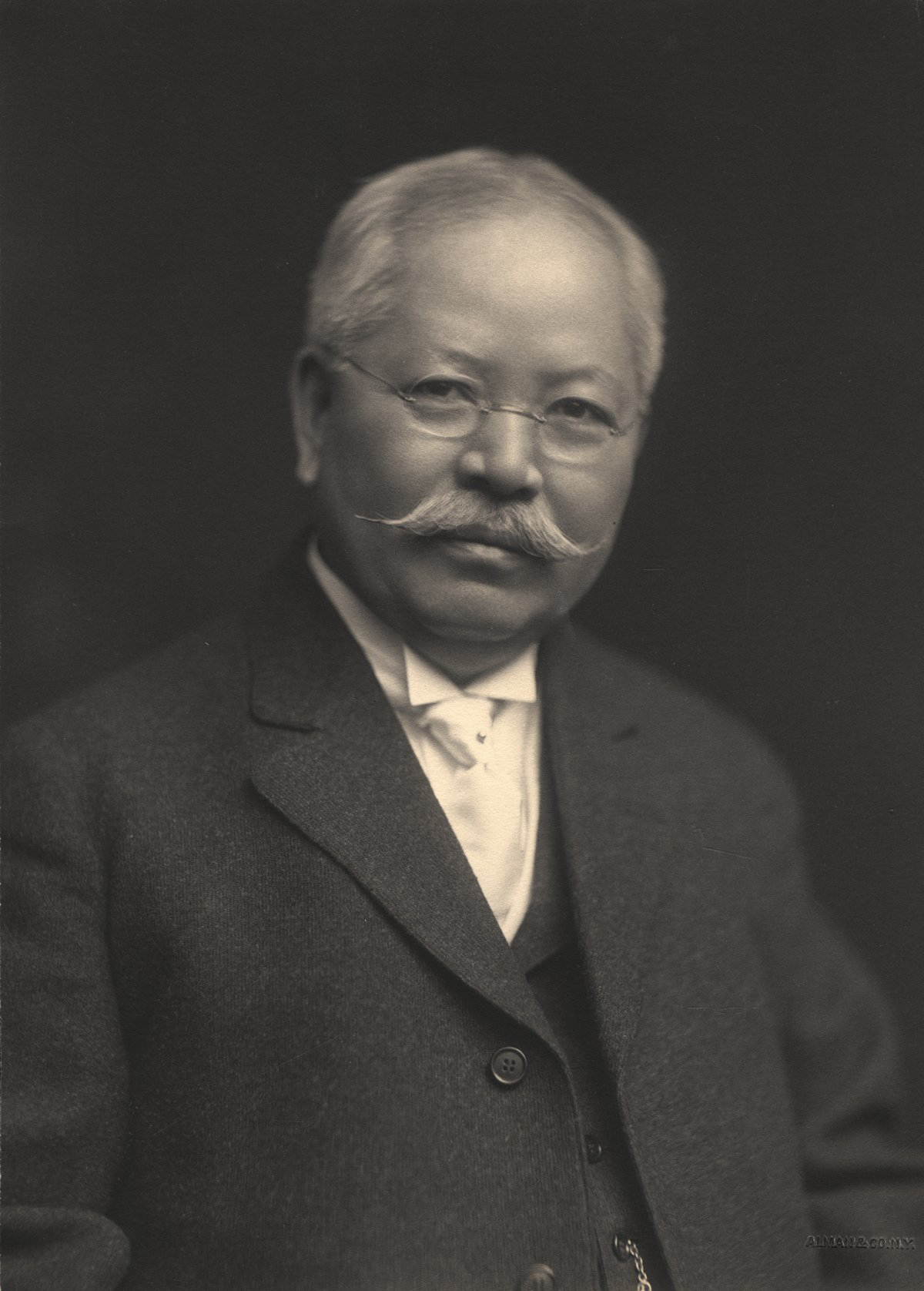
Jokichi Takamine
 (高峰 譲吉)
Japanese chemist and industrial biotechnology pioneer who successfully isolated and purified the hormone adrenaline (epinephrine), the first pure hormone extracted from natural tissue.
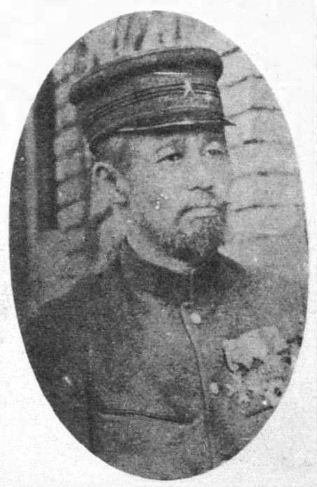
Mori Ogai
(森鴎外 (Mori Rintaro))
Surgeon General of the Imperial Japanese Army and towering literary master (1862–1922) who introduced modern German literature to Japan, authored psychological classics like 'The Dancing Girl' and 'The Wild Geese', and shaped Meiji modernization.
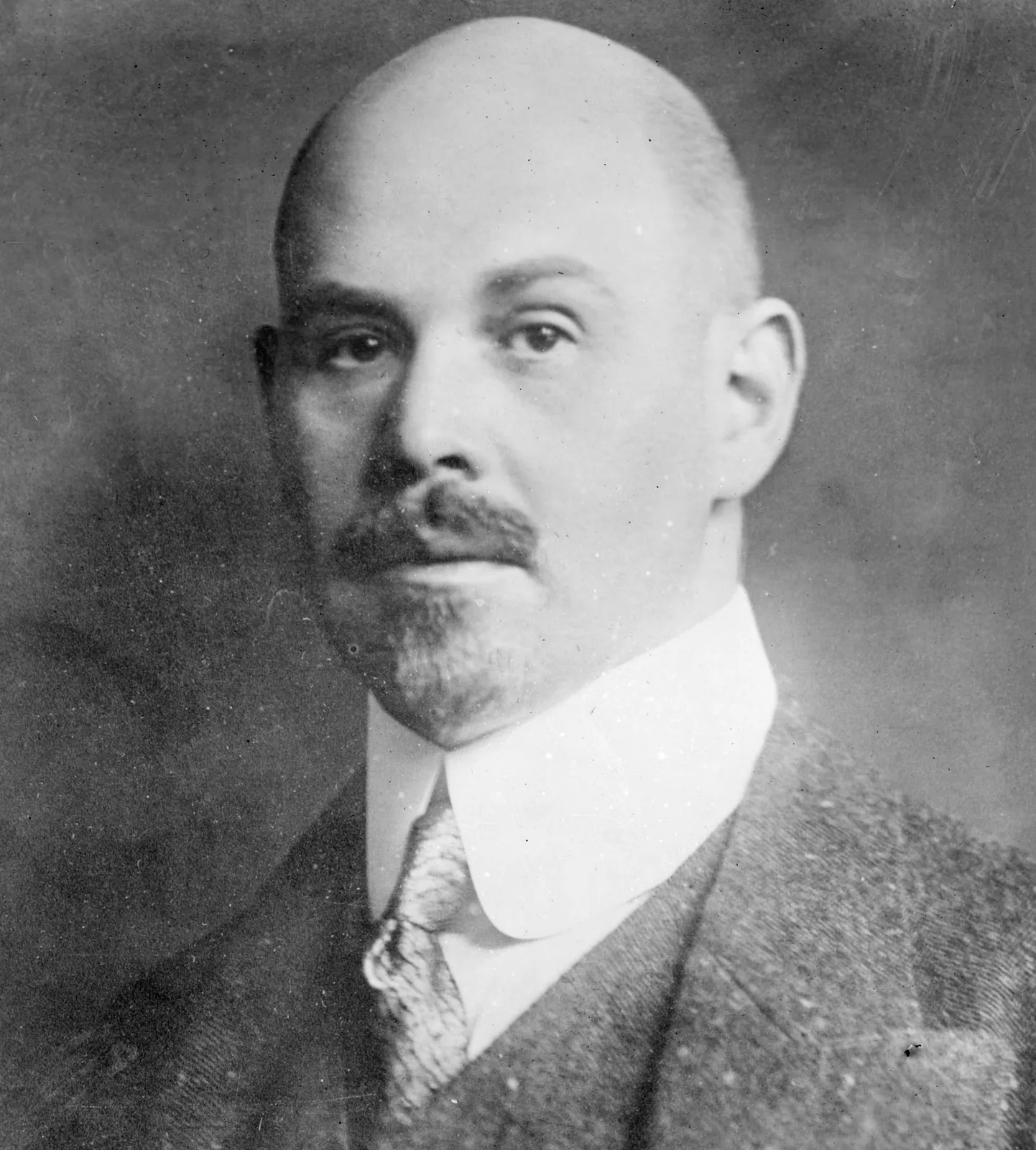
Walther Rathenau
 (Walther Rathenau)
Visionary German-Jewish industrialist, philosopher, and Foreign Minister of the Weimar Republic who signed the Treaty of Rapallo before being assassinated by right-wing terrorists.
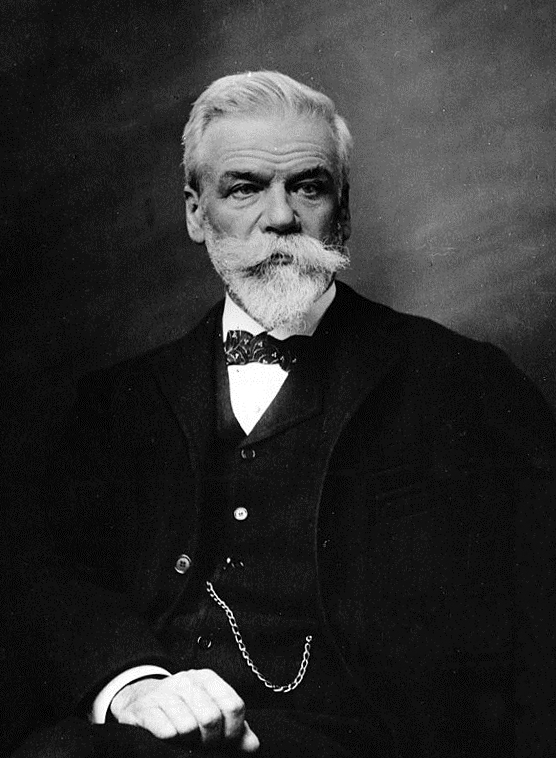
Ernest Solvay
 (Ernest Gaston Joseph Solvay)
Belgian chemical industrialist whose revolutionary ammonia-soda process made him one of the wealthiest men in the world, founding the famous Solvay Physics Conferences where quantum mechanics and relativity were forged.
Alphonse Laveran
 (Charles Louis Alphonse Laveran)
French military physician who won the 1907 Nobel Prize in Physiology or Medicine for discovering the protozoan parasite responsible for malaria (Plasmodium falciparum) in Constantine, Algeria in 1880.
Vlaho Bukovac
 (Vlaho Bukovac)
Renowned master painter and salon star who catalyzed the Croatian modern art renaissance, founded the Zagreb Colour School, and painted monumental historic canvases including the Croatian National Theatre curtain.
Slavoljub Penkala
 (Eduard Slavoljub Penkala)
Prolific inventor and chemical engineer who patented the world's first mechanical pencil (1906), the solid-ink fountain pen, constructed Croatia's first two-seat aircraft, and founded the Penkala-Edelmann factory.
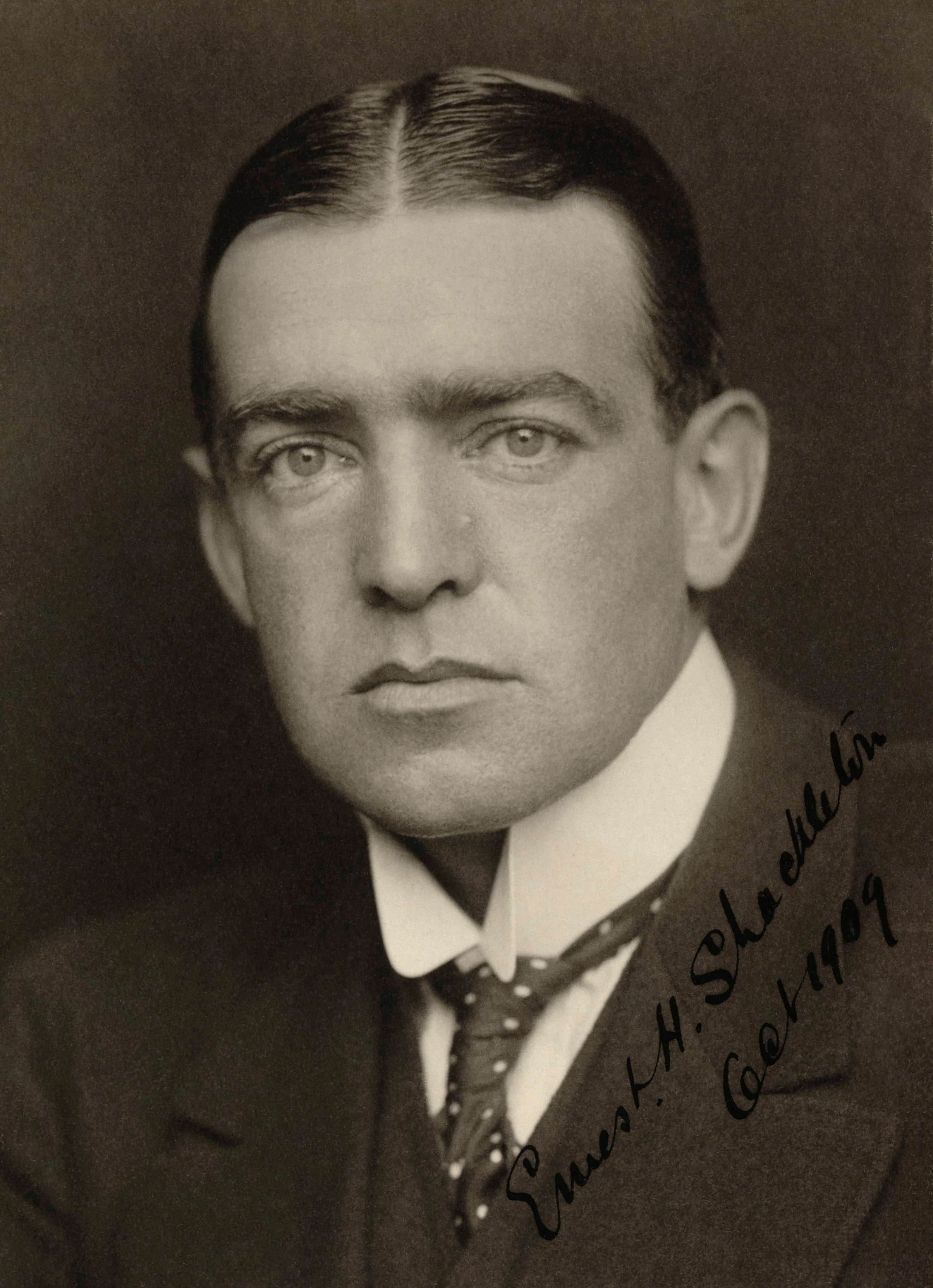
Ernest Shackleton
(Sir Ernest Henry Shackleton)
Anglo-Irish polar explorer renowned for supreme leadership during the 1914–1917 Imperial Trans-Antarctic Expedition, rescuing his entire twenty-eight-man crew without losing a single life after their ship Endurance was crushed by pack ice.
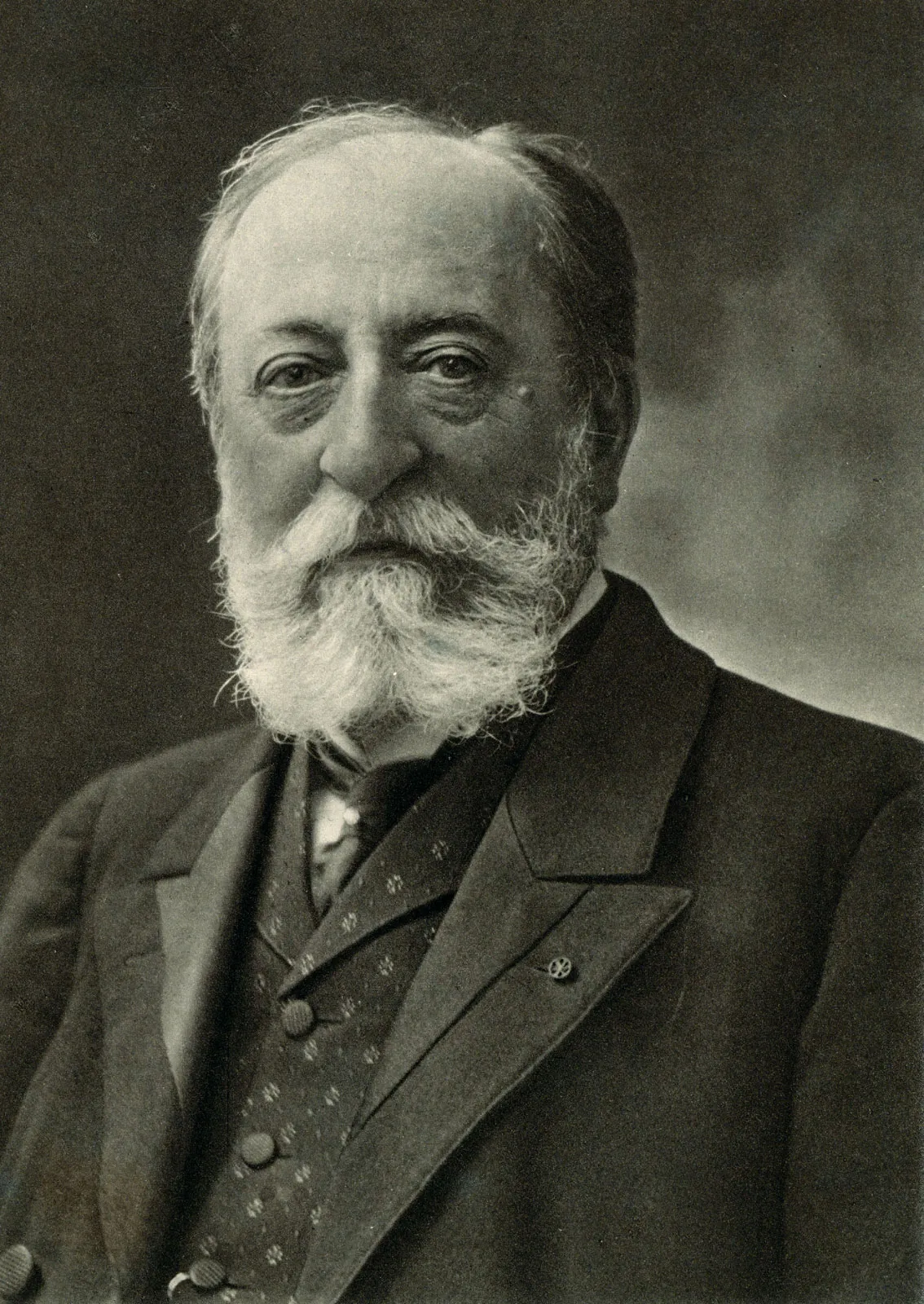
Camille Saint-Saëns
(Charles Camille Saint-Saëns)
French Romantic composer, organist, and polymath celebrated for The Carnival of the Animals, Samson and Delilah, and the Organ Symphony.
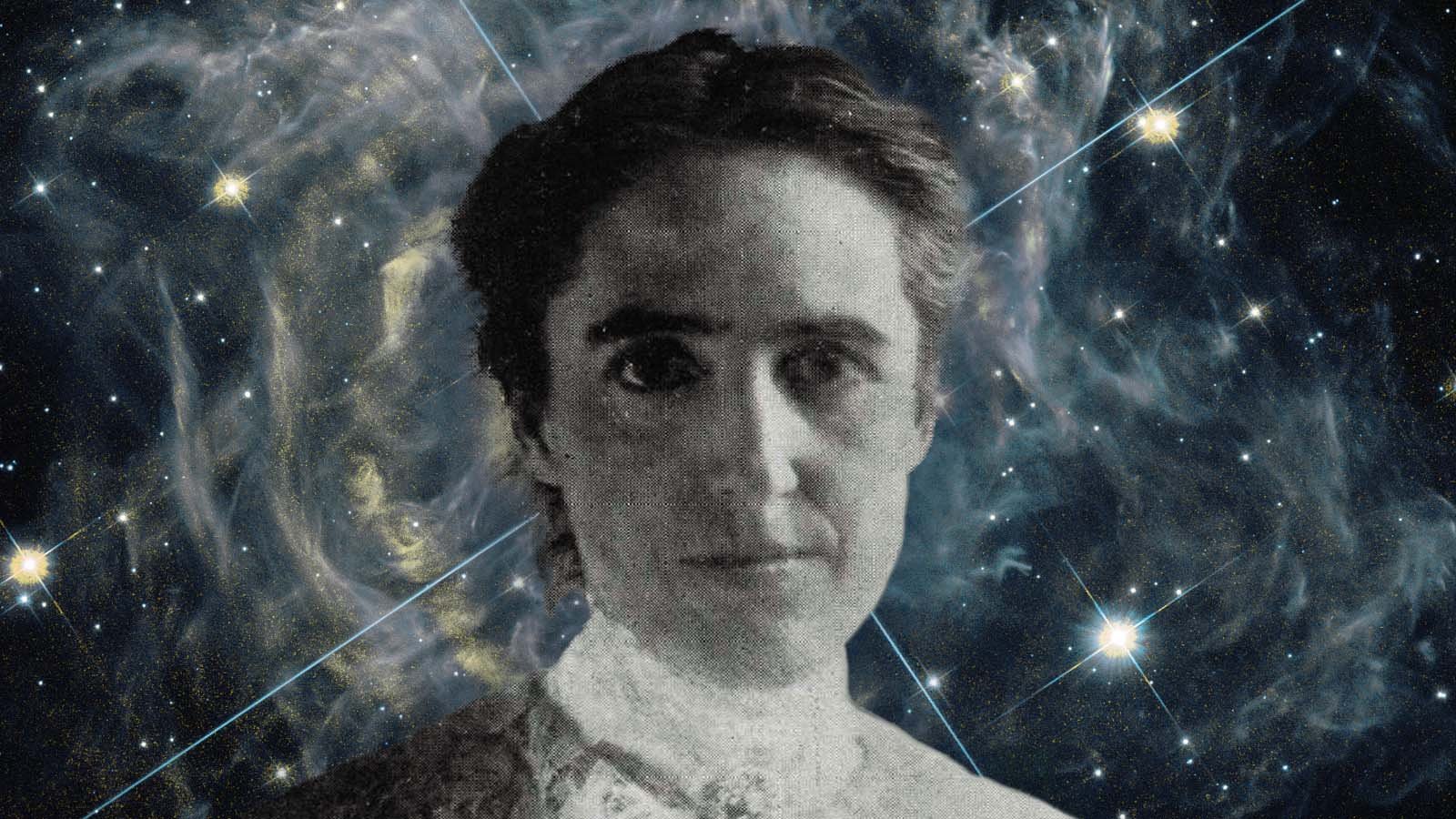
Henrietta Swan Leavitt
 (Henrietta Swan Leavitt)
American astronomer whose discovery of the Cepheid variable period-luminosity relation provided the 'standard candle' to measure the universe.
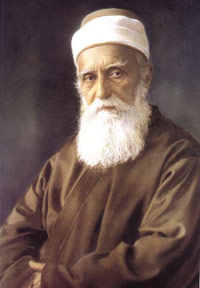
`Abdu'l-Bahá (Abbas Effendi)
 (عبدالبهاء (Servant of the Glory))
Eldest son and designated successor of Bahá'u'lláh. Released from Ottoman confinement in 1908, he traveled extensively across Europe and North America expounding racial equality, gender justice, and universal harmony.
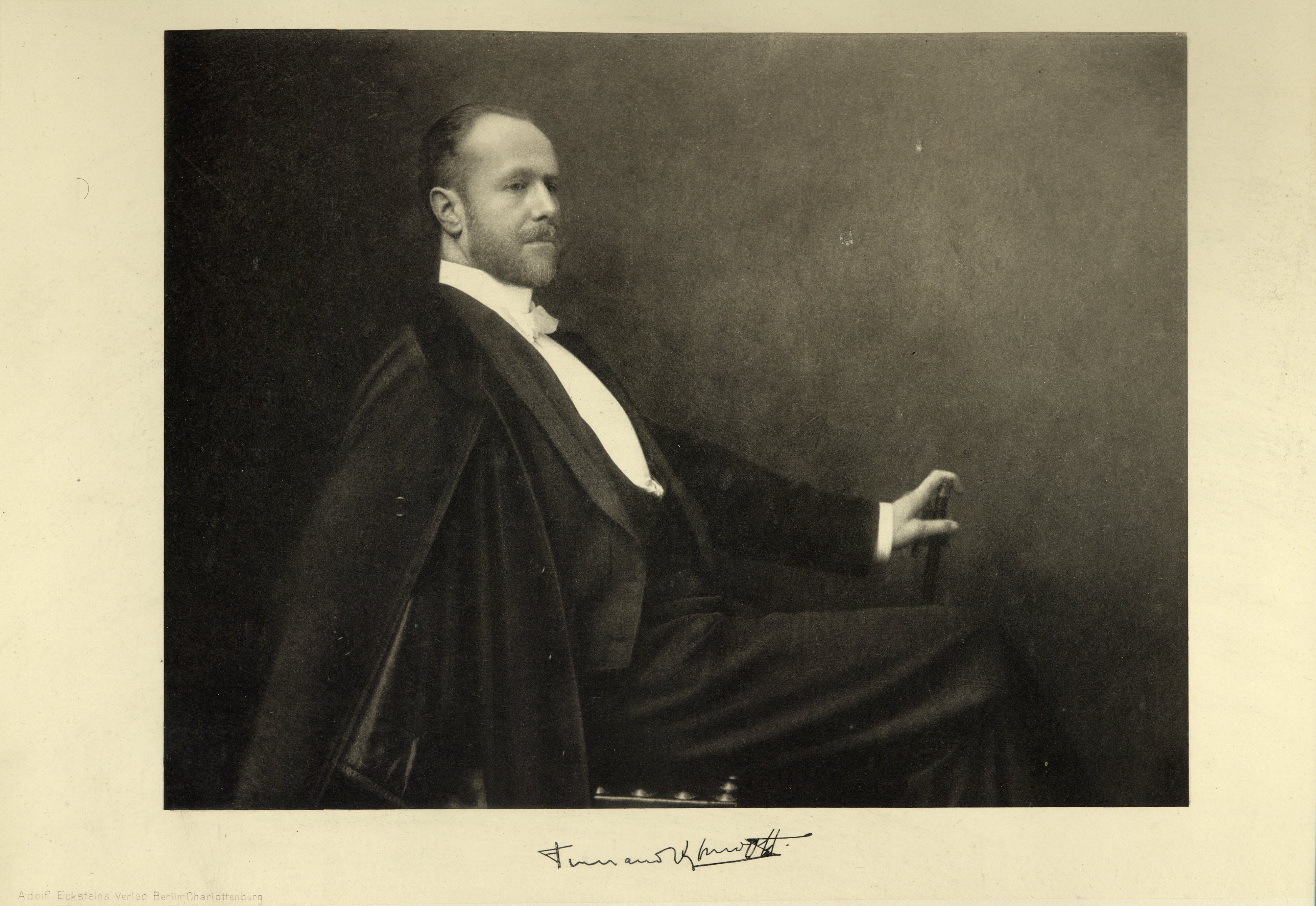
Fernand Khnopff
(Fernand Khnopff)
Leading Belgian Symbolist painter and founding member of Les XX whose enigmatic, melancholic masterworks like 'The Caress' and 'I Lock My Door Upon Myself' explored solipsism and silence.
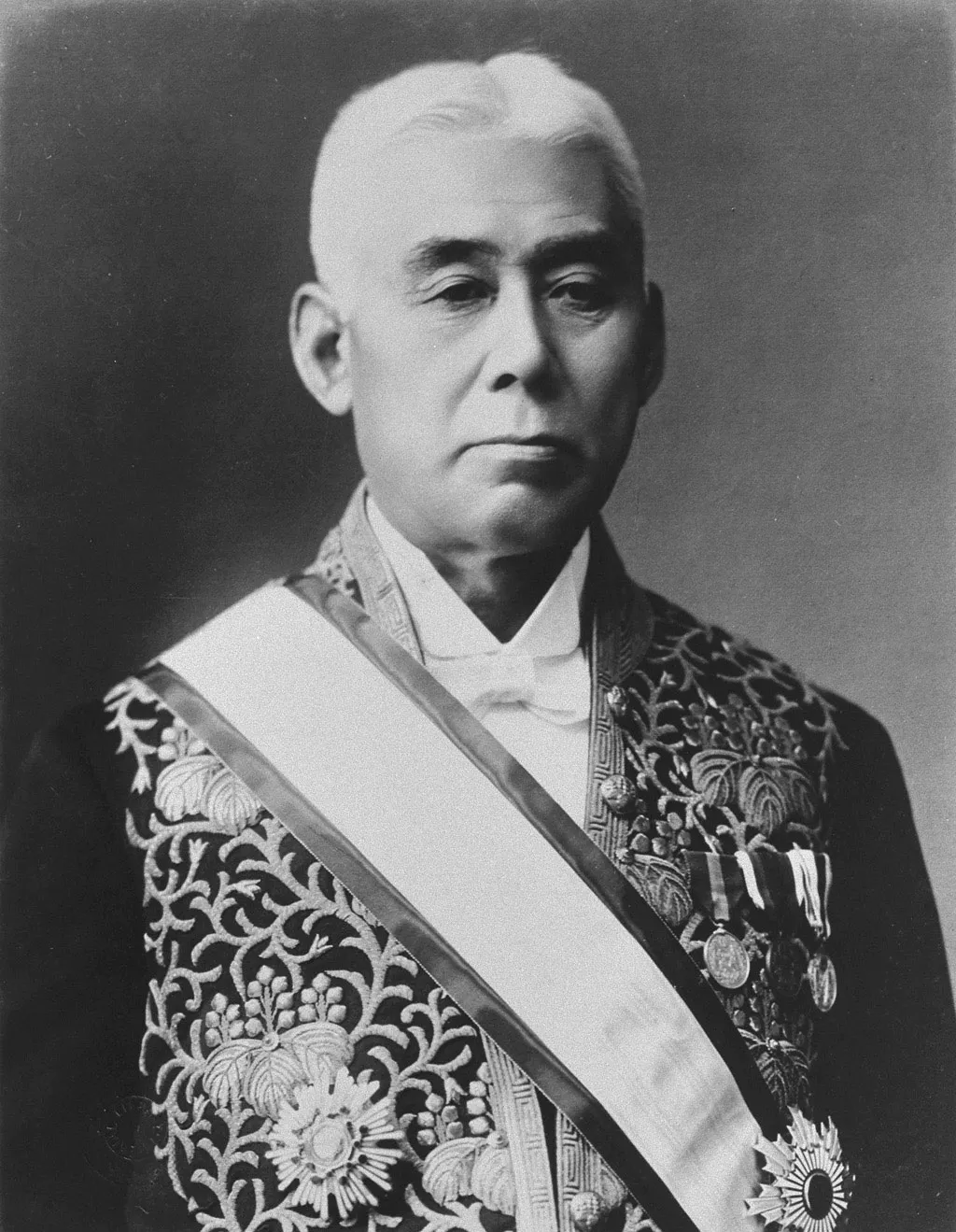
Hara Takashi
(原 敬)
First commoner Prime Minister of Japan ('The Commoner Premier') who established Japan's first true parliamentary party cabinet during the Taishō Democracy.
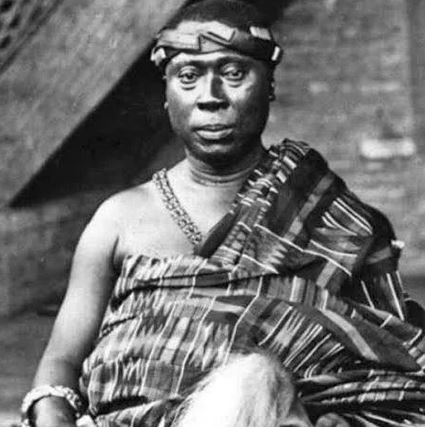
Yaa Asantewaa (Queen Mother of Ejisu / Ashanti Heroine)
 (Yaa Asantewaa)
Legendary Queen Mother of the Ashanti Empire who led the 1900 War of the Golden Stool against British colonial forces. When male chiefs hesitated, she took up firearms, rallied 5,000 warriors, and defended the sacred spiritual throne of the Ashanti nation.
Ivan Vazov
 (Иван Вазов)
Universally crowned as the 'Patriarch of Bulgarian Literature', whose monumental 1888 novel 'Under the Yoke' (Pod Igoto) and poetic epics defined modern Bulgarian national consciousness and language.
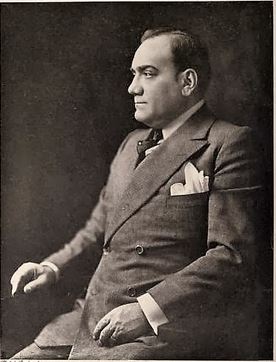
Errico 'Enrico' Caruso
 (Enrico Caruso)
Legendary Italian operatic tenor whose baritonal warmth, thrilling high notes, and passionate Italian delivery in Pagliacci (Vesti la giubba) made him the world's first global gramophone recording superstar.
Gabriel Lippmann
 (Gabriel Jonas Lippmann)
Franco-Luxembourgish physicist and professor at the Sorbonne who won the 1908 Nobel Prize in Physics for producing the world's first true color photograph using pure optical light interference without artificial dyes.