 Kingdom of Prussia
•
2 views
Kingdom of Prussia
•
2 views
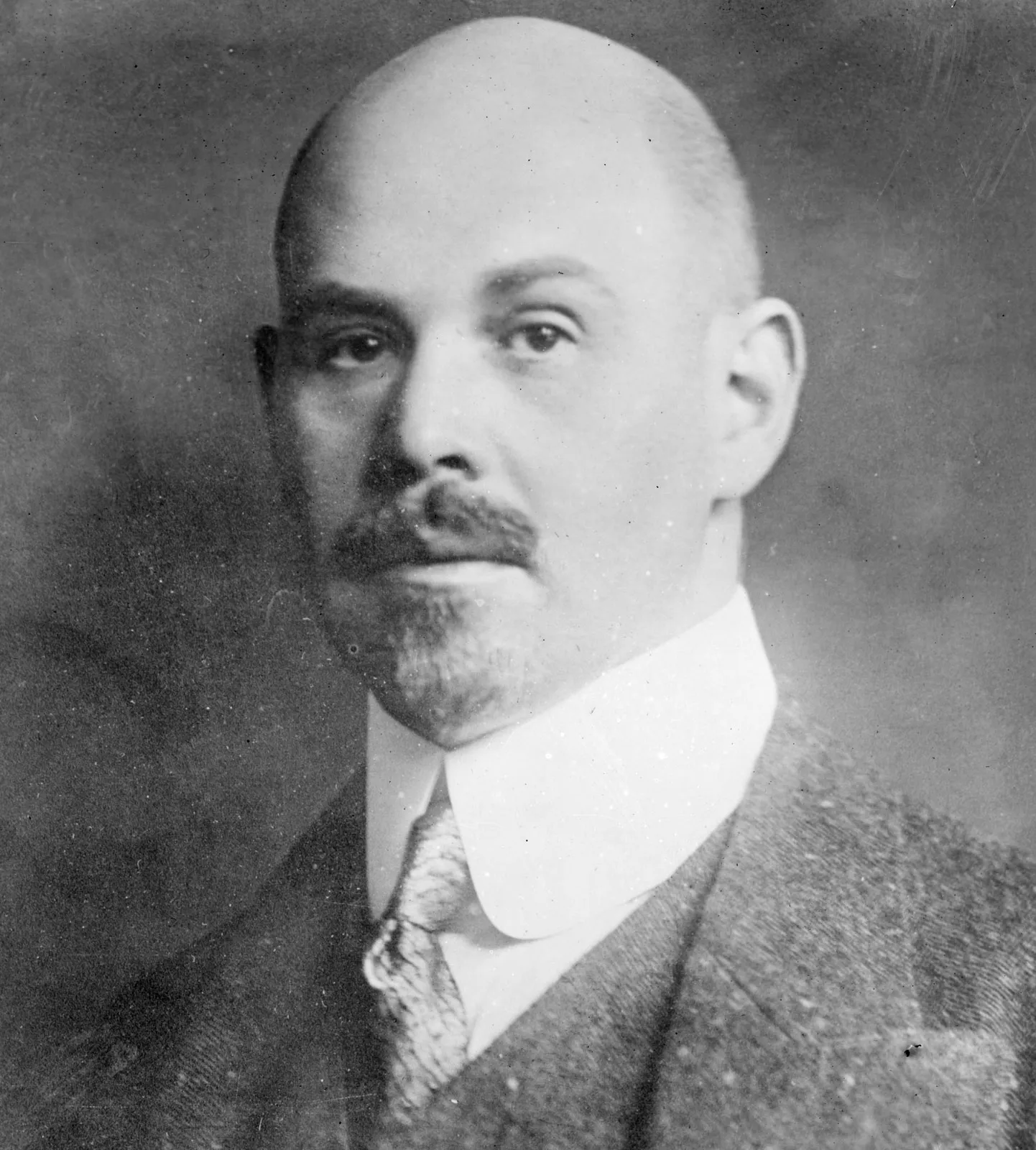
Walther Rathenau

Berlin, Kingdom of Prussia
Archival Overview
Visionary German-Jewish industrialist, philosopher, and Foreign Minister of the Weimar Republic who signed the Treaty of Rapallo before being assassinated by right-wing terrorists.
Biographical Record
Walther Rathenau (1867–1922) was a German industrialist, writer, and liberal statesman who served as Foreign Minister of the Weimar Republic. The son of Emil Rathenau, founder of the electrical engineering giant AEG, Rathenau earned a doctorate in physics and took over leadership of AEG, while publishing profound essays on philosophy, sociology, and economics.
During World War I, Rathenau organized the War Raw Materials Department (KRA), rationing critical industrial resources to keep the German war effort alive. Entering the Weimar government in 1921, he pursued a pragmatic 'policy of fulfillment' toward the Treaty of Versailles while signing the breakthrough Treaty of Rapallo (1922) with Soviet Russia, normalizing relations between Europe's two pariah nations. Just two months later, Rathenau was gunned down in Berlin by radical nationalist terrorists of the Organization Consul, sparking massive national rallies defending the Republic.
Key Life Milestones
War Raw Materials Department Created
Created and directed the Kriegsrohstoffabteilung (KRA), inventing modern economic planning to sustain German industry under British blockade.
Treaty of Rapallo Signed
Signed the Treaty of Rapallo with Soviet diplomat Georgy Chicherin, renouncing mutual war claims and breaking Germany's diplomatic isolation.
Memorial Guestbook & Tributes
0 messages recordedLeave a Respectful Tribute
Final Resting Place
Perpetual MemorialBerlin, Germany