Public Figures & Cultural Luminaries
Filterable archive covering centuries of intellectual, artistic, and moral contributions to the human story.
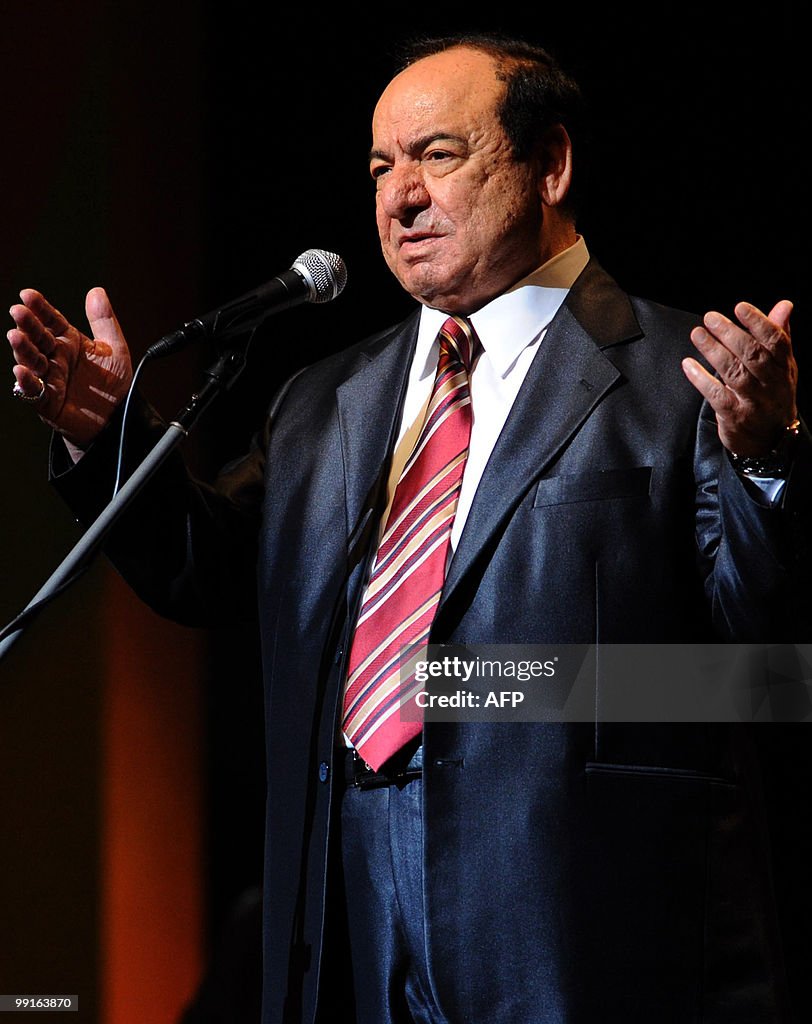
Sabah Fakhri
 (صباح فخري)
Legendary Syrian musical icon whose incomparable vocal stamina, tarab artistry, and mastery preserved the musical heritage of Aleppo.

Ali El Hani
 (علي الهاني)
Eminent botanist and agronomic scientist who safeguarded Tunisia's indigenous olive, date palm, and arid cereal genetics, directing national research on desertification resilience.

Hassen Zirelli
(حسن الزرلي)
Virtuoso master of the qanun (zither) and classical music theorist who modernized Arabic instrumental pedagogy and composed intricate instrumental pieces for the national ensemble.
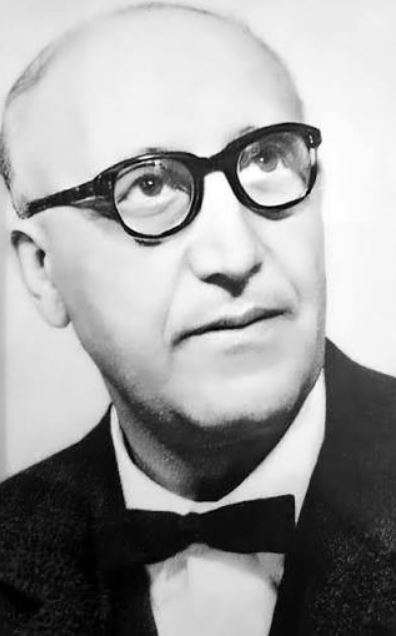
Mohamed Boudhina
(محمد بوذينة)
Venerated radio broadcaster and historian who authored monumental biographical encyclopedias of Tunisian musicians, artists, and poets, preserving oral memories of the nation's cultural golden age.
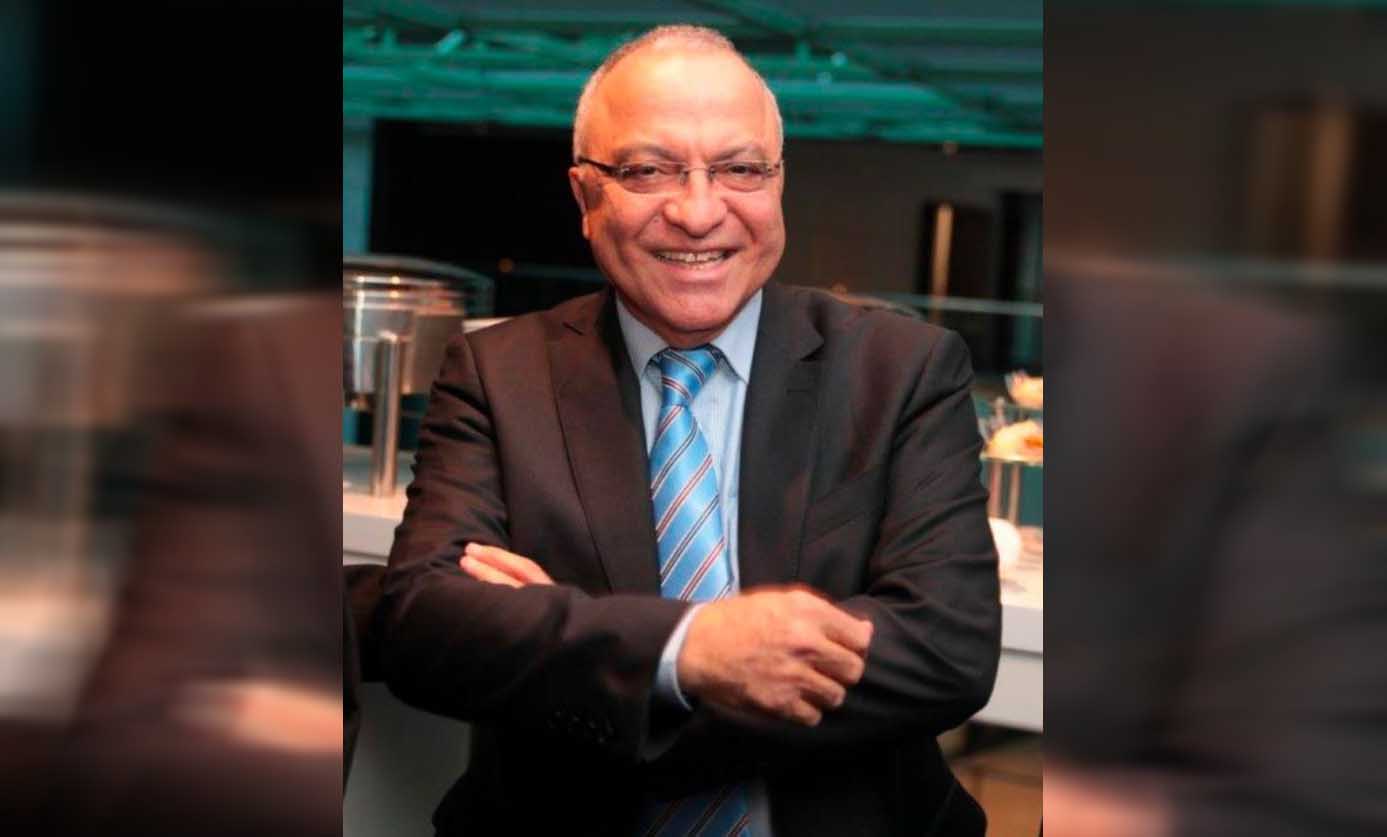
Hassine Ghali
(حسين غالي)
Pioneering pedagogue who authored foundational national school curricula and Arabic language reading manuals that educated millions of Tunisian schoolchildren after independence.
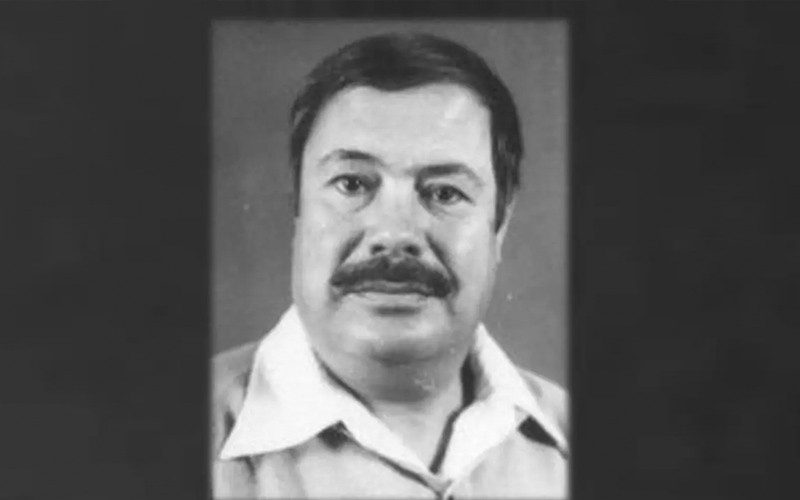
Bechir Torki
(بشير التركي)
Pioneering nuclear physicist who founded Tunisia's Atomic Energy Commission, was elected President of the IAEA General Conference in 1969, and held over thirty international patents in solar desalination.
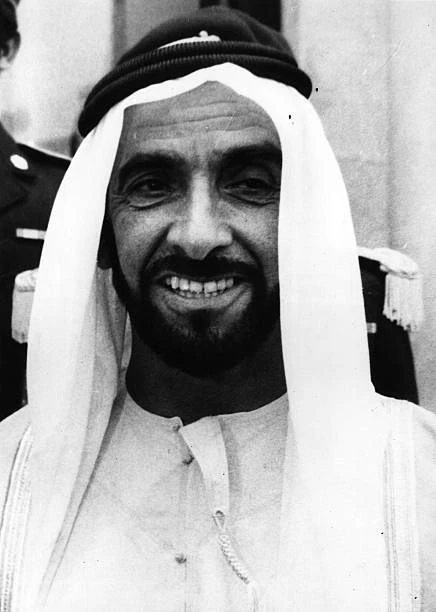
Sheikh Zayed bin Sultan
 (زايد بن سلطان آل نهيان)
Founding father and first President of the United Arab Emirates whose visionary diplomacy united the seven Emirates in 1971.
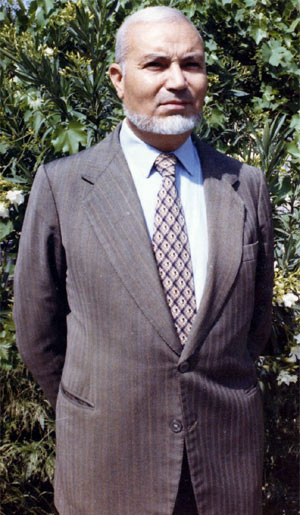
Mongi Ben Hamida
(المنجي بن حميدة)
World-renowned neurologist and neurogeneticist who founded the National Institute of Neurology of Tunis and discovered the genetic etiology of severe childhood muscular dystrophies (Ben Hamida Syndrome).
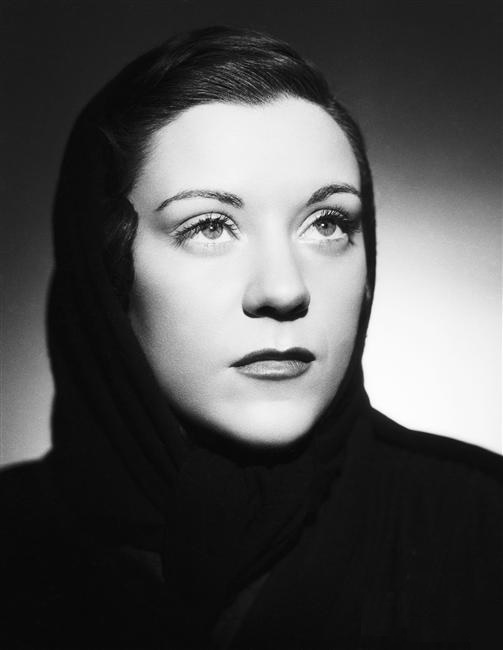
Maria Casarès
 (María Victoria Casares Pérez)
Galician-born tragic actress of volcanic intensity who fled to France during the Spanish Civil War, starred as Death in Jean Cocteau's Orphée, played Nathalie in Children of Paradise, and was the lifelong soulmate of Albert Camus.

Ahmed Louhichi
(أحمد الوحيشي)
Pioneering post-independence civil engineer who directed the construction of major highway arteries, modern water reservoirs, and foundational bridges across the Tunisian Republic.
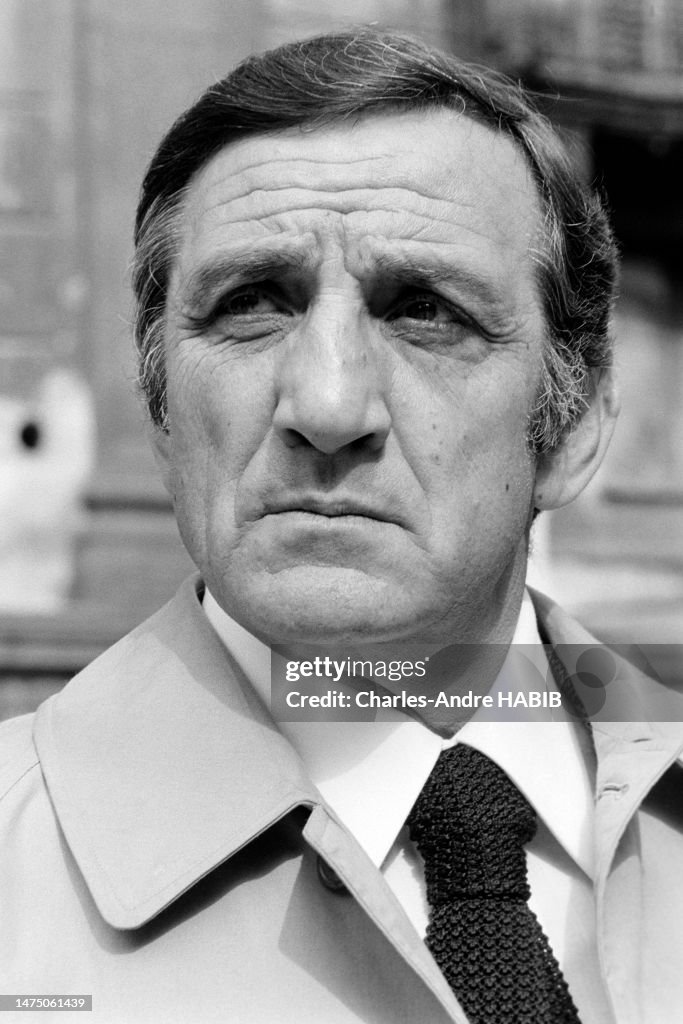
Lino Ventura
 (Angiolino Giuseppe Pasquale Ventura)
Beloved Italian-born titan of French cinema, former European wrestling champion, whose granite jaw and moral gravity anchored French masterpieces including Touchez pas au grisbi, Les Tontons Flingueurs, and L'Armée des ombres.
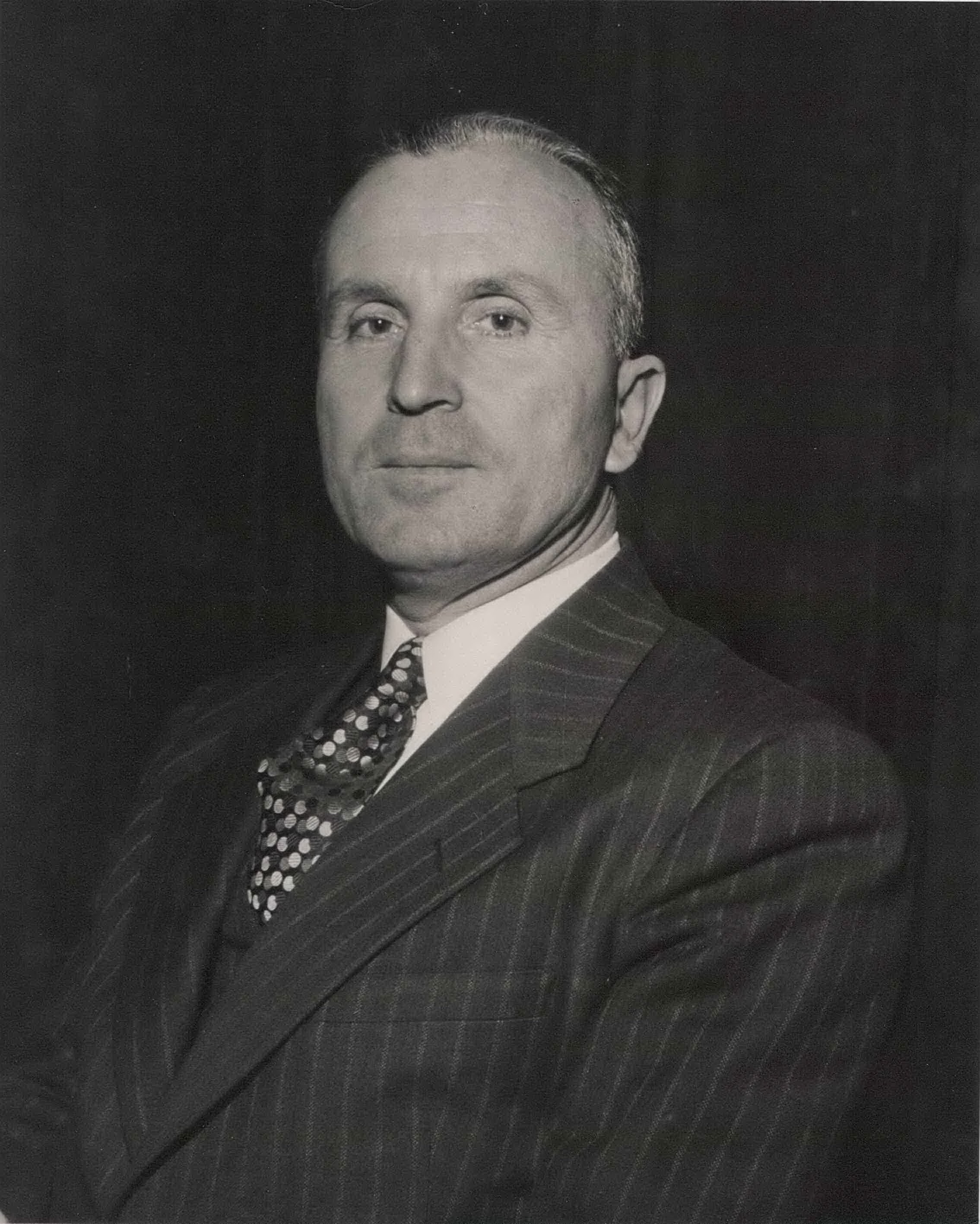
Abdallah El-Yafi
 (عبد الله اليافي)
Seven-time Prime Minister of Lebanon celebrated for his unblemished financial integrity and for granting Lebanese women the right to vote in 1952.
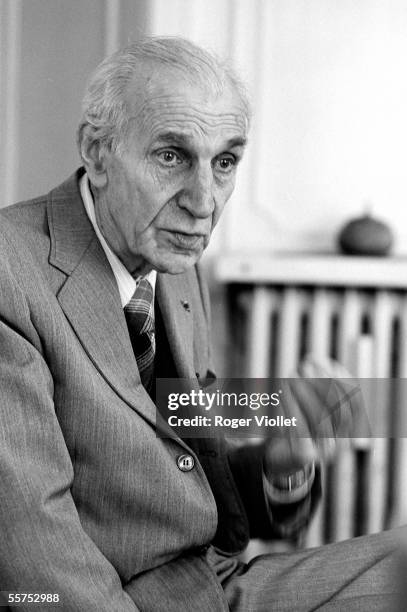
Alfred Kastler
 (Alfred Kastler)
Alsatian French physicist who won the 1966 Nobel Prize in Physics for discovering the method of 'optical pumping' in 1950, which paved the way for the invention of lasers, masers, and atomic clocks.
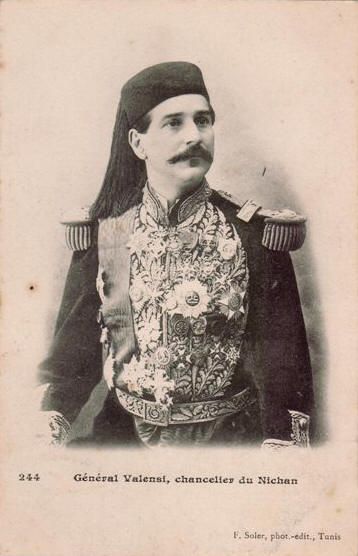
Victor Valensi
(فيكتور فالنسي)
Pioneering architect of Tunisian Jewish heritage who created the Neo-Mauresque architectural renaissance, designing the Great Synagogue of Tunis and prominent modernist public buildings.
Queen Elisabeth of Bavaria
 (Elisabeth von Wittelsbach)
Revered Queen of the Belgians, Duchess in Bavaria, who tended wounded soldiers on the Yser front lines in World War I, sheltered Jewish children in World War II, and founded the prestigious Queen Elisabeth Music Competition.
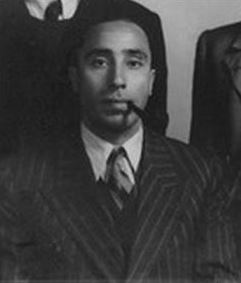
Habib Bougatfa
(الحبيب بوقطفة)
Revered resistance hero and civil leader of Bizerte who gave his life defending the city during the bloody July 1961 battle to evict the last French military naval base from Tunisian soil.
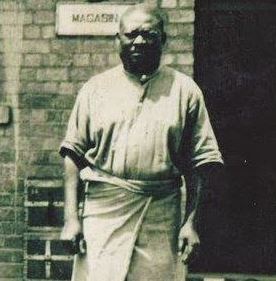
Papa Simon Kimbangu
 (Simon Kimbangu)
Congolese Baptist catechist who began a miraculous healing ministry at Nkamba in 1921. Imprisoned for thirty years by Belgian colonial authorities, his steadfast non-violence inspired the Kimbanguist Church of millions.
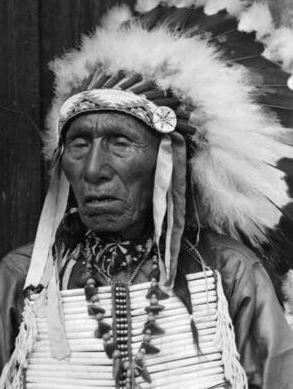
Black Elk / Hehaka Sapa (Lakota Holy Man & Divine Visionary)
 (Heȟáka Sápa)
A revered Oglala Lakota holy man (Wičháša Wakȟáŋ) and second cousin of Crazy Horse, Black Elk received the monumental Great Vision of the Six Grandfathers at age nine, dedicating his life to keeping the sacred hoop of humanity unbroken.