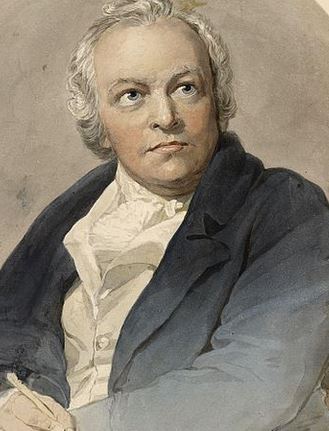
William Blake
Visionary English Romantic poet, printmaker, and mystic who saw angels in London trees, creating illuminated books of singular poetic genius—Songs of Innocence and of Experience, The Marriage of Heaven and Hell, and 'The Tyger'.
Start typing to search worldwide archives and community tributes
Filterable archive covering centuries of intellectual, artistic, and moral contributions to the human story.
Visionary English Romantic poet, printmaker, and mystic who saw angels in London trees, creating illuminated books of singular poetic genius—Songs of Innocence and of Experience, The Marriage of Heaven and Hell, and 'The Tyger'.
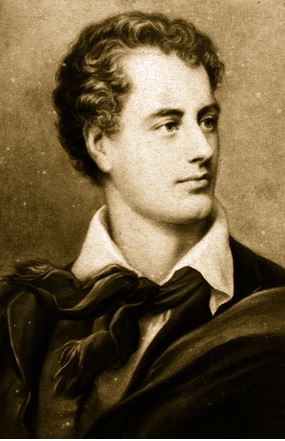
Flamboyant English Romantic poet who created the brooding, rebellious 'Byronic hero' in Childe Harold's Pilgrimage and Don Juan, dying a hero of the Greek War of Independence at Missolonghi.
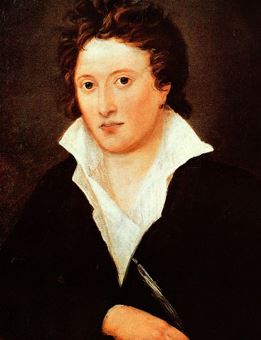
Radical English Romantic lyric poet and visionary whose impassioned defenses of nonviolent revolution and political justice in The Masque of Anarchy, Ode to the West Wind, and Ozymandias proclaimed poets as 'the unacknowledged legislators of the world'.
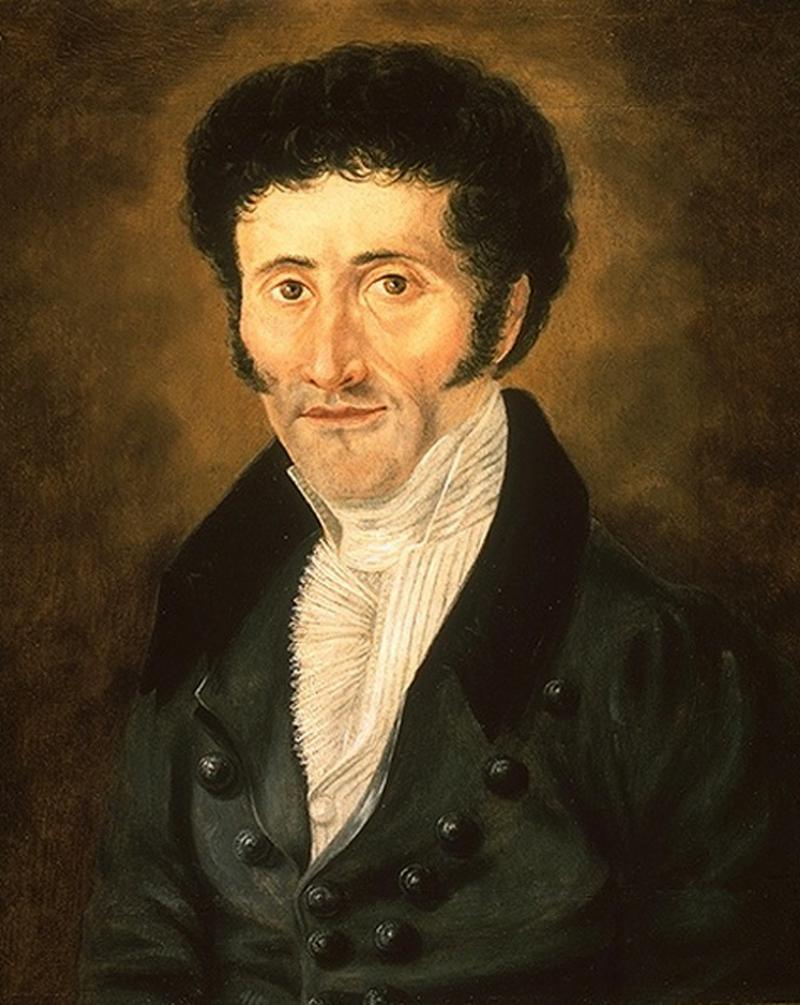
German Romantic polymath, composer, and master of the uncanny whose gothic tales inspired The Nutcracker, Coppélia, and Offenbach's The Tales of Hoffmann.
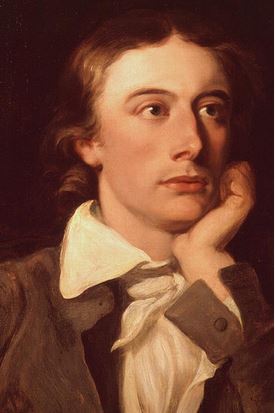
One of the supreme lyric poets in the English language who, before succumbing to tuberculosis at age twenty-five in Rome, composed the miraculous 1819 Odes—Ode to a Nightingale, Ode on a Grecian Urn, and To Autumn—proclaiming: 'Beauty is truth, truth beauty.'
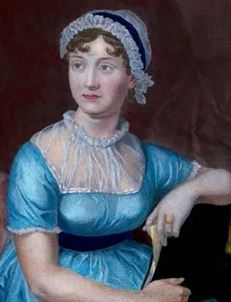
Preeminent English novelist whose flawless social realism, biting comic irony, and psychological depth in Pride and Prejudice, Sense and Sensibility, and Emma revolutionized the English novel into high art.
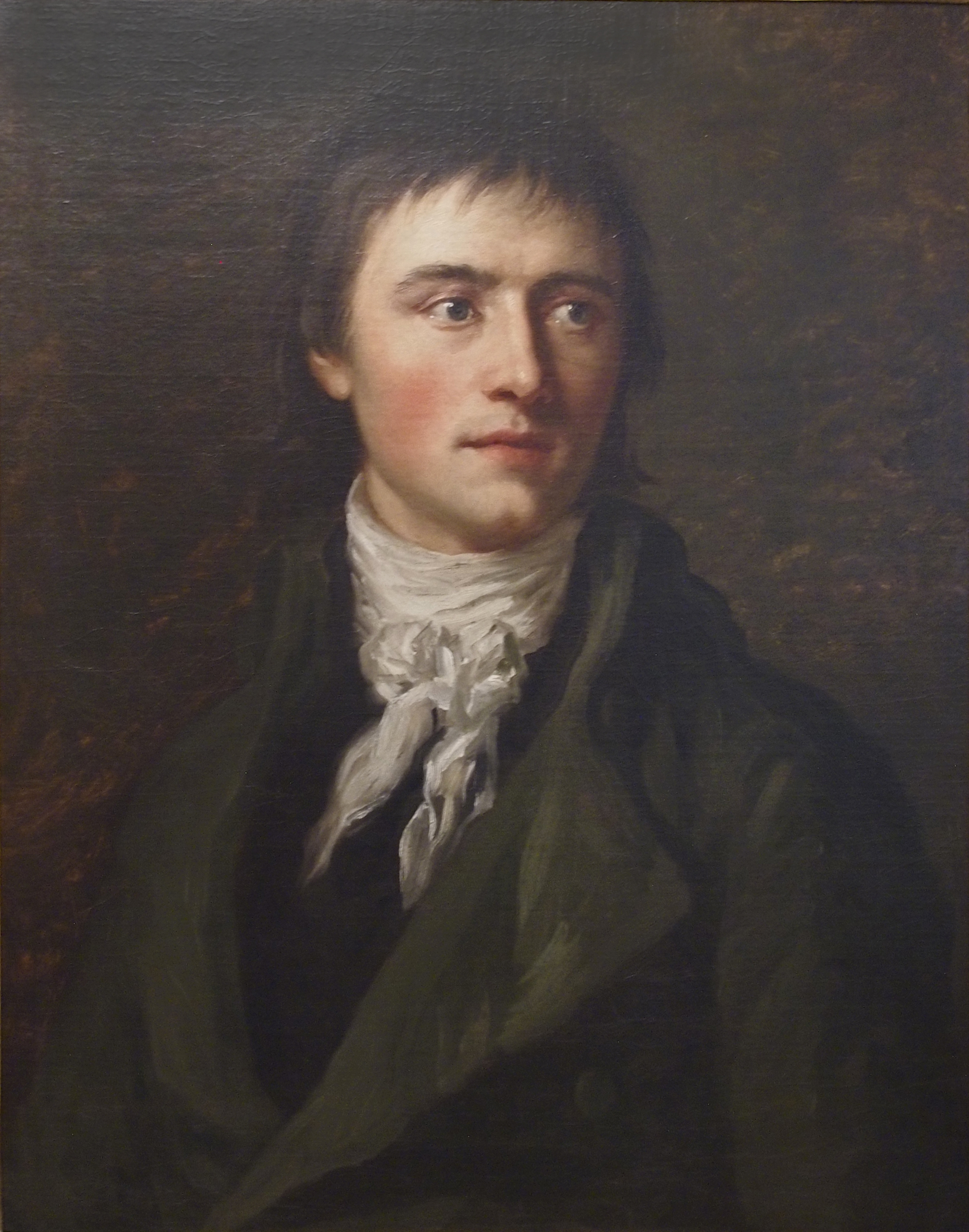
Pioneering German dramatist, short story master, and essayist whose Michael Kohlhaas, Penthesilea, and The Broken Jug explored absolute justice and human fallibility.
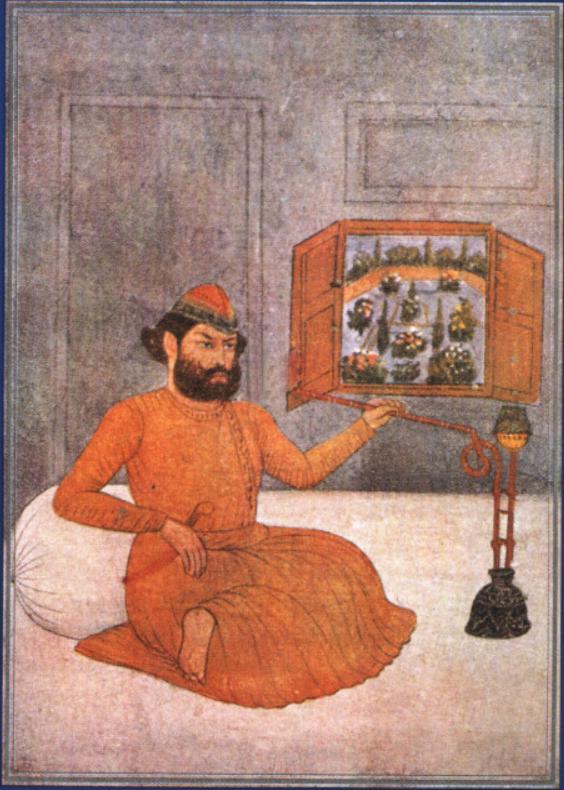
Foundational classical poet of the Urdu language (1723–1810), universally venerated as 'Khuda-e-Sukhan' (The God of Poetry) for his emotionally poignant ghazals expressing personal sorrow and Delhi's destruction.
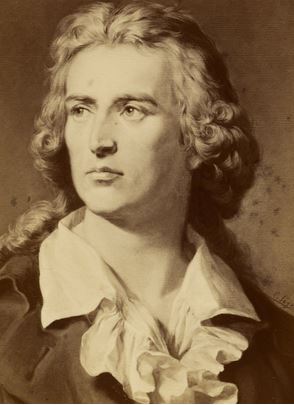
German dramatist and philosopher of freedom whose immortal hymn An die Freude (Ode to Joy) became Beethoven's Ninth Symphony, and whose dramas—The Robbers, Mary Stuart, and William Tell—championed the liberation of the human spirit.
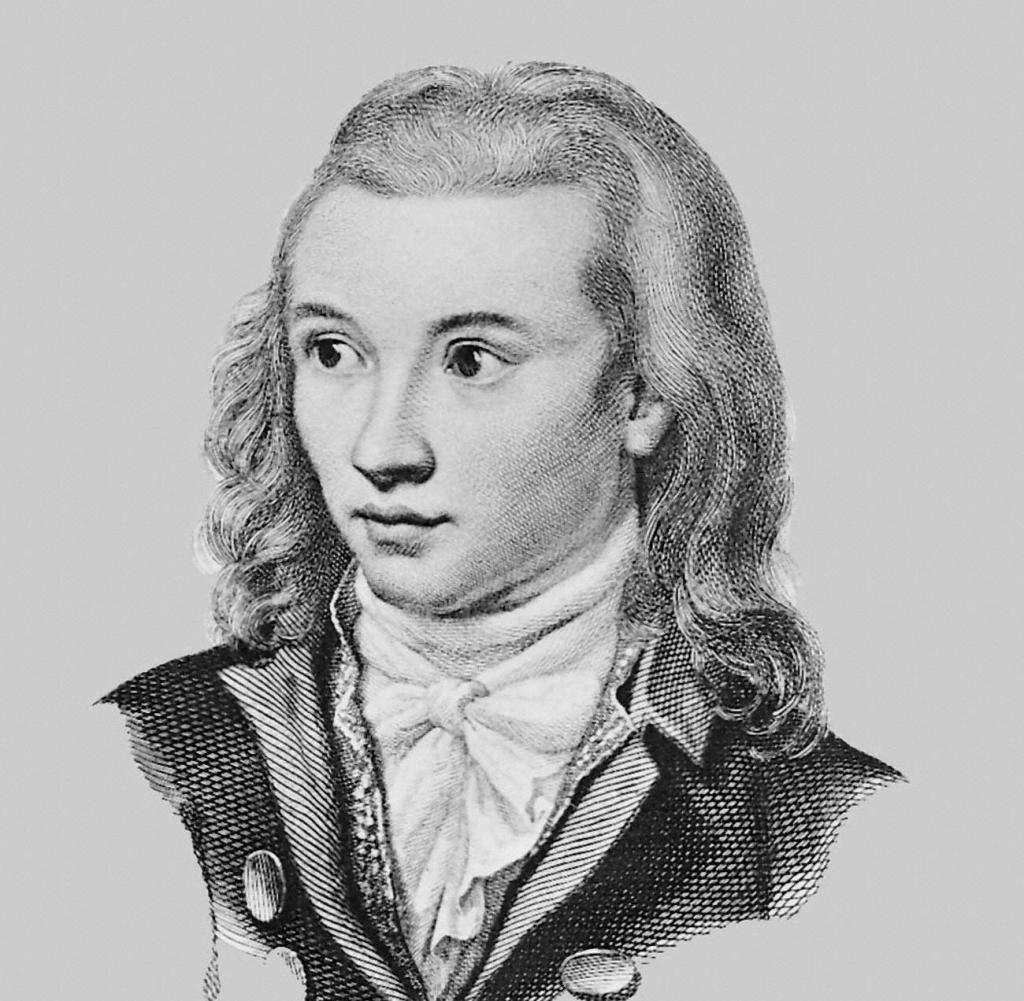
German early Romantic poet, philosopher, and mining engineer whose Hymns to the Night and Heinrich von Ofterdingen created the 'blue flower' symbol of Romantic yearning.
Beloved national bard of Scotland whose vibrant Scots-language poetry and folk song collecting—including Auld Lang Syne, Tam o' Shanter, and A Man's a Man for A' That—celebrated democracy, social brotherhood, and romantic passion.
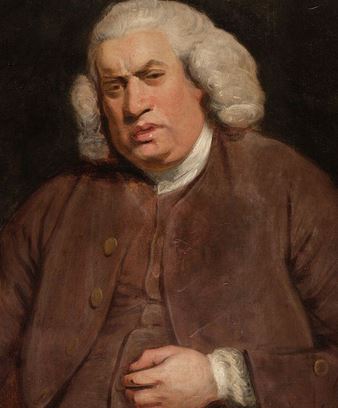
Preeminent English literary titan, moralist, and conversationalist who single-handedly compiled the monumental 1755 Dictionary of the English Language and inspired James Boswell's immortal biography.
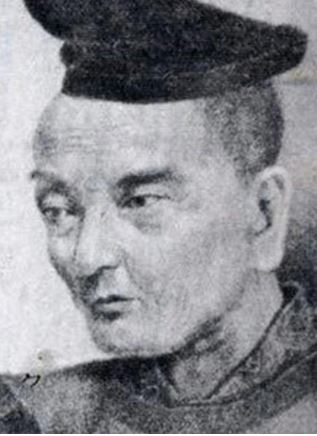
Edo-period Japanese haiku master and painter (1716–1784), celebrated alongside Basho and Issa as one of the 'Great Three' haiku poets, renowned for his visually stunning, painterly imagery and romantic nostalgia.
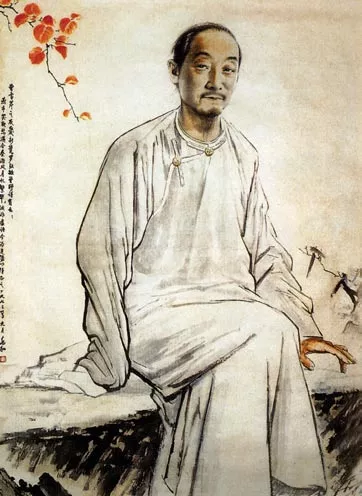
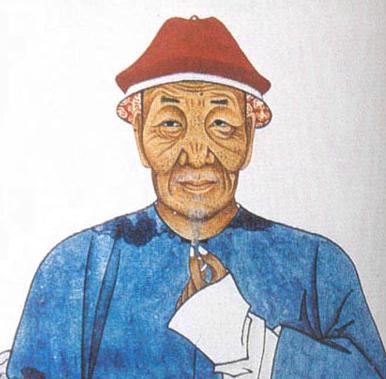
Qing dynasty author who wrote Dream of the Red Chamber (The Story of the Stone), universally celebrated as the supreme pinnacle of classical Chinese fiction.
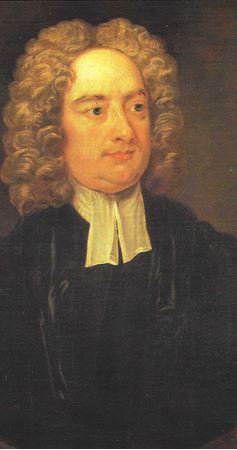
Foremost prose satirist in the English language and Dean of St Patrick's Cathedral in Dublin, whose Gulliver's Travels and biting satire A Modest Proposal exposed the savagery and hypocrisy of human politics.
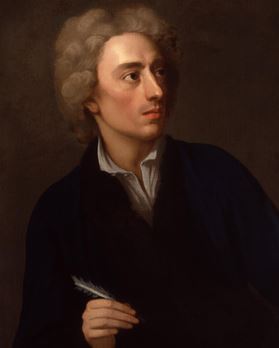
Supreme English poet of the Augustan Enlightenment whose glittering heroic couplets, translations of Homer's Iliad, and satirical masterworks—An Essay on Criticism and The Rape of the Lock—made him the second most quoted writer in English after Shakespeare.
Japan's greatest dramatist (1653–1725), known as the 'Shakespeare of Japan', who authored over a hundred puppet (joruri/bunraku) and kabuki plays exploring the tragic conflict between social duty (giri) and human emotion (ninjo).
Qing dynasty author (1640–1715) renowned for 'Strange Tales from a Chinese Studio' (Liaozhai Zhiyi), a brilliant collection of nearly five hundred classical prose stories featuring ghosts, fox spirits, and sharp moral satires.